GERD Diet: Foods That Help with Acid Reflux & Heartburn
Discover the best GERD diet foods to manage acid reflux and heartburn naturally.
GERD Diet: Foods That Help with Acid Reflux and Heartburn
Gastroesophageal reflux disease (GERD) affects millions of people worldwide, causing uncomfortable symptoms like heartburn, acid reflux, and regurgitation. While medication plays an important role in managing GERD, diet is equally crucial for controlling symptoms and improving quality of life. Understanding which foods help reduce acid reflux and which ones trigger symptoms can empower you to make better dietary choices. This comprehensive guide explores the best foods for GERD management and explains the science behind why certain foods either help or harm your digestive health.
Understanding GERD and How Diet Helps
GERD occurs when stomach acid frequently flows back into the esophagus, irritating its lining. The lower esophageal sphincter (LES), a muscular ring that acts as a valve between your stomach and esophagus, plays a critical role in preventing this backflow. When the LES becomes weakened or relaxes inappropriately, acid can escape into the esophagus, causing the characteristic burning sensation of heartburn.
Diet directly influences GERD symptoms by either relaxing the LES, increasing stomach acid production, or slowing digestion. Certain foods can strengthen the LES and promote healthy digestion, while others trigger or worsen symptoms. By identifying your personal triggers and focusing on reflux-friendly foods, you can significantly reduce the frequency and severity of GERD episodes.
Best Foods for GERD Management
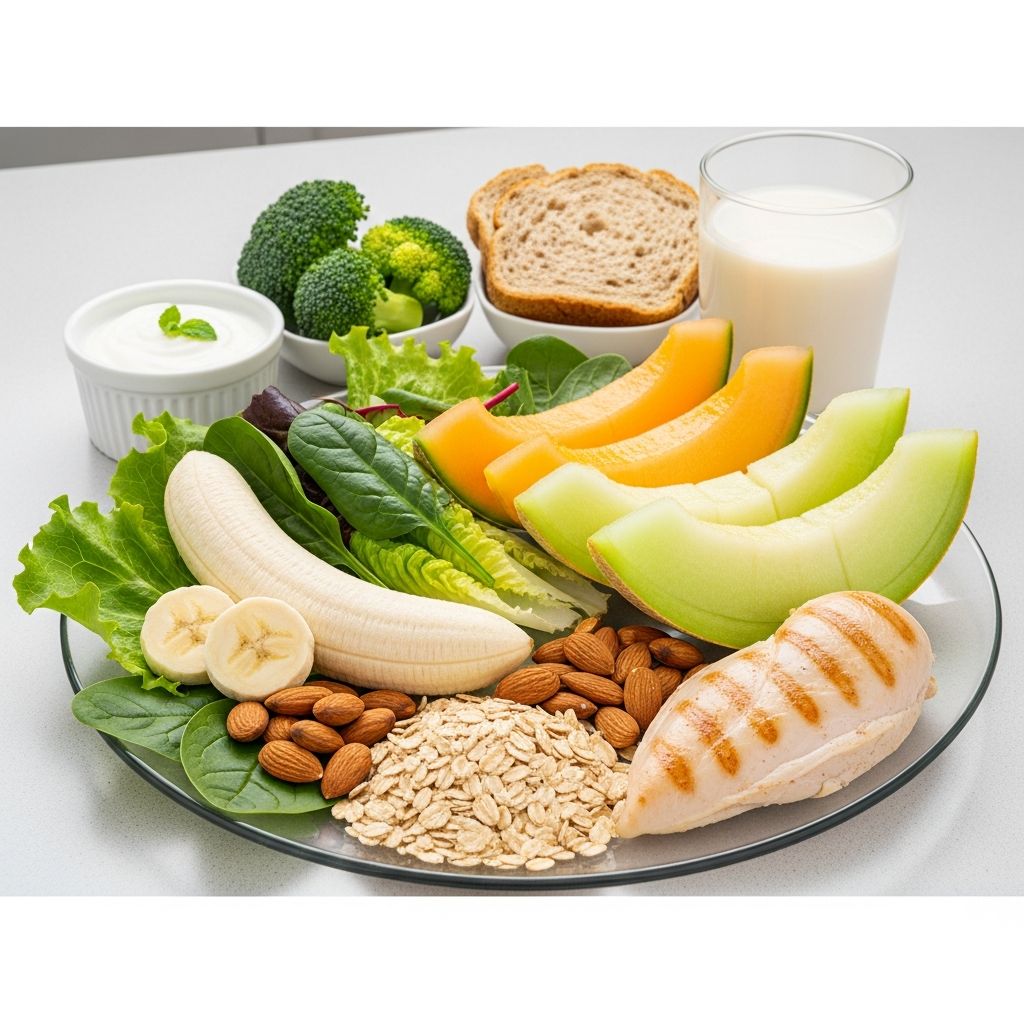
A GERD-friendly diet emphasizes low-acid, low-fat, and high-fiber foods that are gentle on the digestive system. These foods help reduce inflammation, neutralize stomach acid, and promote healthy digestion.
Vegetables
Vegetables are naturally low in fat and sugar, making them excellent choices for GERD management. Most green vegetables are alkaline, helping to neutralize excess stomach acid. Recommended vegetables include:
- Green beans
- Broccoli
- Asparagus
- Cauliflower
- Leafy greens (spinach, lettuce, kale)
- Potatoes (baked, not fried)
- Cucumbers
- Carrots
- Peas
When preparing vegetables, opt for steaming, roasting, or stir-frying with minimal oil. Avoid creamed or fried vegetables, as added fats can trigger reflux. Use mild spices like turmeric or cinnamon for flavor instead of hot peppers or excessive salt.
Fruits
While some fruits are highly acidic and trigger GERD symptoms, non-citrus options are generally well-tolerated. Beneficial fruits include:
- Bananas
- Apples
- Pears
- Melons
- Papaya
- Pineapple
Fruits provide essential nutrients, fiber, and natural sweetness without the acidity of citrus fruits like oranges and grapefruits. The fiber content helps regulate digestion and promotes feelings of fullness. Fresh fruits are preferable to processed alternatives, which often contain added sugars and preservatives that can exacerbate GERD symptoms.
Whole Grains and High-Fiber Foods
Fiber plays a crucial role in managing GERD by promoting healthy digestion and preventing constipation, which can worsen reflux. Excellent high-fiber options include:
- Oatmeal
- Brown rice
- Whole grain bread and crackers
- Whole grain pasta
- Quinoa
- Millet
- Farro
- Popcorn (without butter)
Oatmeal is particularly beneficial because oats absorb stomach acid, reducing the likelihood of acid reflux. A diet high in fiber has been consistently linked with a lower risk of GERD symptoms. When incorporating whole grains, ensure they are truly whole grain rather than refined versions, which lack the beneficial fiber content.
Related Stories



Lean Proteins
Protein is essential for overall health, but the type and preparation method matter significantly for GERD management. Lean protein sources include:
- Skinless chicken and turkey
- Fish (grilled, broiled, baked, or steamed)
- Seafood
- Tofu
- Lentils
- Beans
- Egg whites
Avoid fatty cuts of meat, processed meats like bacon and sausage, and fried preparations. Egg yolks and fried eggs are high in fat and should be limited. Grilling, broiling, baking, and steaming are preferred cooking methods as they minimize added fats.
Healthy Fats
While high-fat foods often trigger GERD, healthy fats in moderation support overall health. Beneficial fat sources include:
- Avocado
- Olive oil
- Walnuts
- Flaxseed
- Sunflower oil
These foods contain unsaturated fats and anti-inflammatory compounds. Use healthy oils in small amounts, distributed throughout the day in meals and snacks rather than consumed in large quantities at once.
Dairy Products
Dairy products are alkaline foods that can help neutralize stomach acid. Choose low-fat or fat-free options:
- Skim or 1% milk
- Plain yogurt (low-fat)
- Cottage cheese
- Kefir (fermented milk)
- Low-fat cheeses (less than 3g fat per ounce)
- Fortified plant-based milks (soy, hemp, oat, coconut, nut)
Avoid whole milk, full-fat yogurt, and high-fat cheeses, as the fat content can relax the lower esophageal sphincter and increase acid production.
Beverages
What you drink is equally important as what you eat. Recommended beverages include:
- Water
- Mineral water
- Decaffeinated tea (chamomile or ginger)
- Chicken broth
- Aloe vera juice (bottled without citric acid)
These beverages support digestion and hydration without triggering reflux. Staying well-hydrated helps prevent constipation and promotes food moving efficiently through the digestive tract.
Herbs and Spices for Flavoring
Many herbs and spices add flavor without triggering GERD symptoms. Safe options include:
- Ginger
- Lemon balm
- Chamomile
- Caraway
- Basil
- Oregano
- Parsley
- Dill
- Cilantro
- Thyme
- Rosemary
- Sage
These herbs not only add taste but many also possess anti-inflammatory properties that support digestive health.
Foods and Beverages to Avoid
Understanding trigger foods is as important as knowing which foods help. Common GERD triggers include:
High-Fat Foods
Fatty foods relax the lower esophageal sphincter and slow digestion, allowing stomach acid more time to irritate the esophagus. Avoid:
- Deep-fried foods
- Fast foods
- High-fat nuts and nut butters
- Butter, lard, margarine, and shortening
- Cream sauces and creamy dressings
- Mayonnaise
- Processed and fatty meats (bacon, sausage, ribs, salami, hamburger)
- Whole milk and full-fat dairy products
- High-fat desserts and chocolate
Acidic Foods and Beverages
Acidic foods can directly irritate the esophagus and trigger reflux symptoms:
- Citrus fruits (oranges, grapefruits, lemons, limes)
- Citrus juices
- Tomatoes and tomato-based products
- Vinegar
- Fizzy and carbonated beverages
- Ketchup and other condiments
- Wine and alcoholic beverages
- Coffee (both regular and decaffeinated)
Spicy Foods
Spicy foods can irritate the esophagus and relax the LES. Common triggers include:
- Hot sauce
- Curry
- Chili peppers
- Black pepper
- Garlic and onions (in large quantities)
Caffeine and Stimulating Beverages
Caffeine increases stomach acid production and can relax the LES. Avoid:
- Coffee
- Tea (regular, not decaffeinated)
- Soda and energy drinks
- Chocolate and chocolate products
- Energy bars containing caffeine
Mint and Peppermint
While many herbs are beneficial, peppermint and mint can relax the lower esophageal sphincter. Avoid:
- Peppermint and mint gum
- Peppermint candies
- Mint chocolate desserts
- Peppermint oil supplements
- Mint-flavored beverages and teas
High-Sugar Foods and Beverages
Excessive sugar can increase stomach acid and promote digestive issues:
- Soft drinks and sugary beverages
- Candy
- Ice cream
- Baked goods with added sugar
- Sweetened desserts
Other Dietary Habits to Avoid
Beyond specific foods, certain eating habits exacerbate GERD. Chewing gum and hard candies cause you to swallow air, leading to burping and increased pressure in the stomach. Additionally, canned and bottled foods often contain added acids to increase shelf-life, making them problematic for GERD sufferers. Raw foods may also trigger symptoms in sensitive individuals, so cooking vegetables and other foods can improve tolerance.
Practical Tips for Managing GERD Through Diet
Eat Cooked Rather Than Raw Foods: Cooked foods are often easier to digest and less likely to trigger symptoms than raw alternatives.
Drink Plenty of Water: Adequate hydration promotes healthy digestion and prevents constipation, which can worsen GERD.
Follow an Anti-Inflammatory Diet: An anti-inflammatory eating pattern, emphasizing whole foods and limiting processed items, can significantly reduce GERD symptoms.
Reintroduce Foods Gradually: Once reflux symptoms improve, slowly add back a wider variety of fruits, vegetables, and healthy fats in small portions to identify your personal tolerance levels.
Monitor Portion Sizes: Eating smaller meals more frequently, rather than large meals, reduces stomach distension and pressure on the LES.
Avoid Eating Close to Bedtime: Wait at least two to three hours after eating before lying down to prevent acid from flowing back into the esophagus.
The Role of Food Allergies in GERD
In some cases, food allergies can cause swelling in the lining of the esophagus, exacerbating GERD symptoms. Common allergens include dairy, wheat, soy, eggs, nuts, and fish. If you suspect a food allergy is contributing to your symptoms, work with your healthcare provider to identify problematic foods and ensure your diet remains nutritionally complete.
Creating Your Personalized GERD Diet
Everyone’s GERD triggers are unique. While these guidelines provide a solid foundation, individual tolerance varies significantly. Keep a food diary to identify your specific triggers and notice which foods provide relief. Share this information with your healthcare provider to develop a personalized eating plan that manages your symptoms while meeting your nutritional needs.
Frequently Asked Questions About GERD Diet
Q: Can any food actually neutralize stomach acid?
A: No single food will neutralize stomach acid. However, oatmeal can help absorb acid so it doesn’t return to the esophagus. Alkaline foods like dairy products can help buffer excess acid on a temporary basis.
Q: Is ginger always helpful for GERD?
A: Ginger is beneficial for some people due to its anti-inflammatory properties, but it may worsen symptoms in others. It’s best to test ginger in small amounts and monitor your individual response.
Q: How long does it take to see improvement from dietary changes?
A: Many people experience improvement in GERD symptoms within a few weeks of adopting a reflux-friendly diet. However, individual timelines vary, and it may take several weeks to months for significant changes to occur.
Q: Can I eat raw vegetables if I have GERD?
A: Cooked vegetables are generally better tolerated than raw ones, but many people can consume raw vegetables in moderation. Experiment to find your personal tolerance and discuss with your healthcare provider.
Q: Are plant-based milks better than dairy for GERD?
A: Both low-fat dairy and plant-based milks can be helpful. Choose options without added sugars or high fat content. Your best choice depends on your individual tolerance and nutritional needs.
References
- Food as Medicine: Food Therapy for Gastroesophageal Reflux — Children’s Hospital of Philadelphia. Updated 2024. https://www.chop.edu/health-resources/food-medicine-food-therapy-gastroesophageal-reflux
- GERD Diet: Foods That Help with Acid Reflux (Heartburn) — Healthline. Updated 2024. https://www.healthline.com/health/gerd/diet-nutrition
- Diet and Gastroesophageal Reflux Disease (GERD) — American Society for Gastrointestinal Endoscopy. https://www.asge.org/
- The GERD Diet: Acid-Reducing Foods — Mass General Brigham. Updated 2024. https://www.massgeneralbrigham.org/en/about/newsroom/articles/diet-for-gerd
- GERD Diet: Foods To Eat and Avoid — Cleveland Clinic. Updated 2024. https://health.clevelandclinic.org/gerd-diet
- Gastroesophageal Reflux Diet — Albany Gastroenterology Consultants. https://albanygi.com/information/gastroesophageal-reflux-diet/
- GERD Diet Information — Wake Gastroenterology. https://wakegastro.com/patient-info/gerd-diet/
Similar Articles








Read full bio of Sneha Tete