GERD Diet: Foods to Avoid to Reduce Acid Reflux
Discover which foods trigger acid reflux and GERD symptoms, plus dietary strategies for relief.
Gastroesophageal reflux disease (GERD) affects millions of people worldwide, causing uncomfortable symptoms like heartburn, regurgitation, and chest discomfort. While medications can help manage these symptoms, dietary modifications represent one of the most effective and sustainable approaches to reducing acid reflux episodes. Understanding which foods trigger your symptoms and making strategic dietary adjustments can significantly improve your quality of life.
Understanding Acid Reflux and GERD
Acid reflux occurs when stomach acid flows backward into the esophagus, causing irritation and discomfort. This happens when the lower esophageal sphincter (LES), a muscular valve that normally prevents backflow, becomes weakened or relaxes inappropriately. GERD is the chronic form of acid reflux, occurring at least twice per week and potentially leading to serious complications if left untreated.
The foods we consume play a critical role in either triggering or alleviating GERD symptoms. Certain foods increase stomach acid production, relax the LES, or delay stomach emptying, all of which can precipitate acid reflux episodes. By identifying and avoiding these trigger foods, you can take control of your symptoms naturally.
Why Diet Matters for GERD Management
Diet is one of the most modifiable risk factors for GERD. Unlike genetic predisposition or certain medical conditions, food choices are entirely within your control. When you eat foods that trigger your symptoms, they can cause the LES to relax, increase gastric pressure, or irritate the esophageal lining. Conversely, choosing appropriate foods can help maintain a healthy digestive environment and reduce symptom frequency and severity.
Research shows that dietary modifications alone can be remarkably effective for many people with mild to moderate GERD. By combining dietary changes with other lifestyle adjustments, you maximize your chances of achieving long-term relief without relying solely on medication.
Foods That Trigger Acid Reflux
Identifying your personal trigger foods is essential for managing GERD effectively. While triggers vary from person to person, certain foods are consistently problematic for most GERD sufferers.
High-Fat and Fried Foods
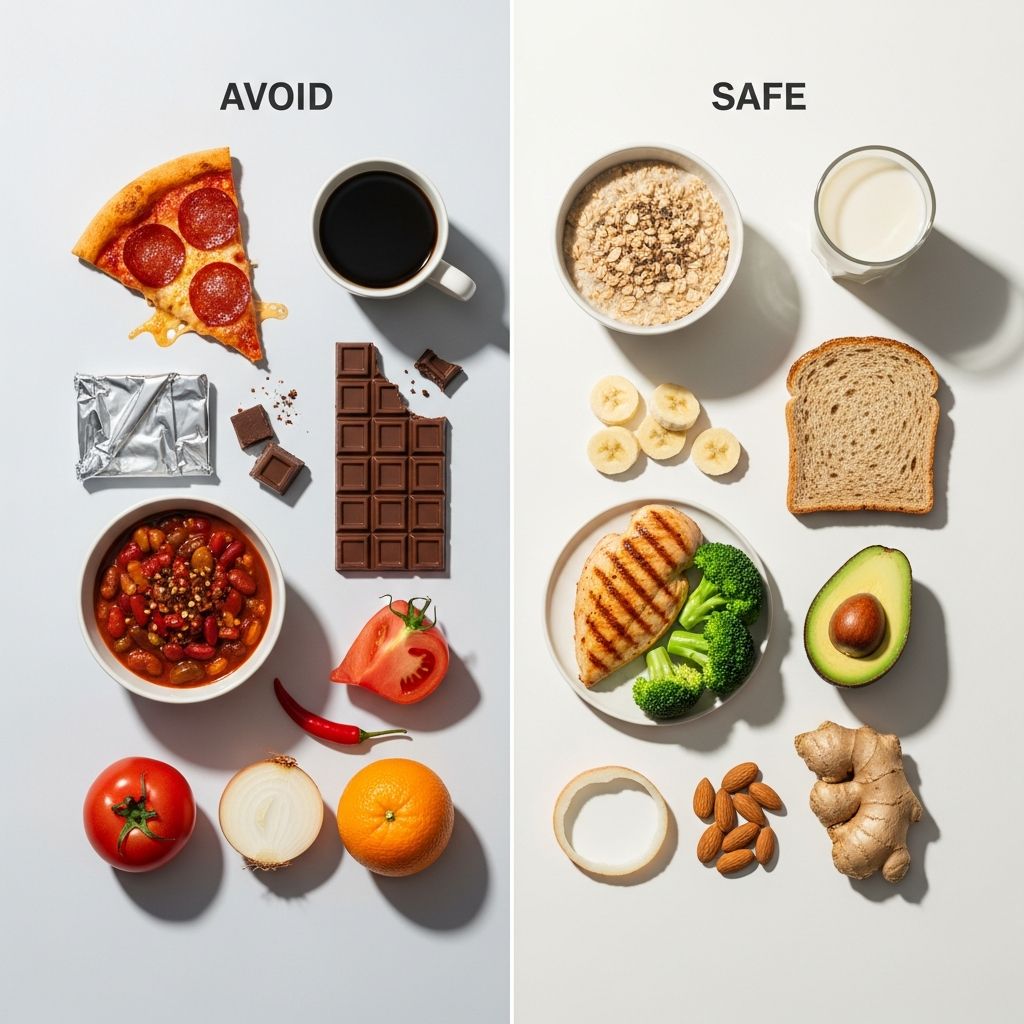
Fatty and fried foods are among the most common GERD triggers. High-fat content significantly delays stomach emptying, allowing food to remain in the stomach longer and increasing gastric pressure. This pressure pushes against the LES, causing it to relax and allowing stomach acid to escape into the esophagus. Foods to avoid include fried chicken, french fries, fatty cuts of meat, cream-based sauces, and foods cooked in excessive oil or butter.
Acidic Foods and Beverages
Acidic foods directly irritate the esophageal lining and increase overall stomach acidity. Citrus fruits such as oranges, lemons, grapefruit, and their juices are highly acidic and notorious for triggering reflux. Tomatoes and tomato-based products, including marinara sauce, tomato juice, ketchup, and pizza, are similarly problematic despite being vegetables. Vinegar and vinegar-based foods like pickles and sauerkraut also rank high on the problematic list.
Chocolate, Coffee, and Caffeine
Chocolate contains theobromine, a compound that relaxes the LES muscle, directly facilitating acid reflux. Coffee and other caffeinated beverages stimulate stomach acid production while also relaxing the sphincter. This dual action makes caffeinated drinks particularly problematic. Avoid regular coffee, tea, cola, energy drinks, and other caffeinated products. Even decaffeinated coffee can be problematic for some individuals.
Related Stories



Spicy Foods
Spicy foods, including hot peppers, black pepper, cayenne pepper, chili powder, garlic, and onions, stimulate stomach acid production and intensify the burning sensation in the esophagus. These seasonings can dramatically worsen symptoms for sensitive individuals. Dishes containing multiple spices, such as curry or heavily seasoned ethnic cuisines, may be particularly troublesome.
Carbonated Beverages
Carbonated drinks, including soda, sparkling water, and other fizzy beverages, cause gaseous distension of the stomach. This bloating increases pressure on the LES, pushing stomach contents back into the esophagus. The combination of carbonation and often-added caffeine makes these drinks doubly problematic for GERD sufferers.
Processed and Fast Foods
Processed meats such as salami, sausage, hot dogs, and bacon are high in fat and often contain additives that can trigger reflux. Fast foods like burgers, pizza, and fried items combine multiple risk factors: high fat content, often excessive seasoning, and rapid consumption without proper mastication. These foods delay gastric emptying and increase reflux risk significantly.
Mint and Peppermint
While mint seems like a soothing herb, peppermint and its products actually worsen GERD symptoms for many people. Peppermint oil reduces pressure in the lower esophagus, making acid reflux more likely. Avoid peppermint tea, mint-flavored candies, and dishes flavored with fresh mint.
Alcohol
Alcoholic beverages relax the LES and increase stomach acid production. Red wine, beer, and spirits are all problematic for people with GERD. Even small amounts can trigger symptoms in sensitive individuals.
Foods and Beverages Safe for GERD
Fortunately, numerous nutritious and delicious foods are well-tolerated by people with GERD. Building your diet around these safe options ensures adequate nutrition while minimizing reflux risk.
Fruits
Non-citrus fruits are generally safe and beneficial for GERD management. Bananas, melons, apples, and pears are excellent choices. These fruits provide fiber, vitamins, and minerals while maintaining a neutral to alkaline pH. Watermelon is particularly hydrating and gentle on the digestive system.
Vegetables
Most vegetables are safe for GERD sufferers. Watery vegetables like celery, cucumbers, and lettuce are particularly beneficial. Low-acid options include green beans, peas, and asparagus. Root vegetables such as sweet potatoes, carrots, and beets are nutrient-dense and well-tolerated. Alkaline vegetables like broccoli, cauliflower, and leafy greens can help offset stomach acid and are excellent dietary staples.
Lean Proteins
Protein is essential for good health, and several sources work well with GERD. Lean meats that are grilled, baked, broiled, or poached without excessive seasoning are ideal. Skinless chicken, turkey, and fish are excellent choices. Plant-based proteins like lentils, beans, and tofu provide protein without the high fat content of red meat.
Whole Grains and High-Fiber Foods
High-fiber foods support digestive health and help maintain healthy weight, reducing GERD risk. Oatmeal, whole-grain bread, brown rice, and couscous are excellent carbohydrate choices. These foods promote satiety without triggering reflux and support overall gastrointestinal health.
Healthy Fats
Not all fats are problematic; unsaturated fats from plant-based sources are generally well-tolerated. Avocados, nuts, seeds, and soybeans provide healthy fats that support nutrient absorption and overall health. Olive oil and canola oil are better cooking choices than butter or tropical oils high in saturated fat.
Beverages
Water is always an excellent choice for hydration. Non-citrus juices, milk, and herbal teas (avoiding peppermint) are generally safe. Some people tolerate certain non-caffeinated teas well, though all teas should be approached cautiously as research suggests even caffeine-free varieties may trigger symptoms in some individuals.
The GERD-Friendly Diet: Practical Guidelines
| Category | Foods to Avoid | Recommended Alternatives |
|---|---|---|
| Proteins | Fatty cuts, processed meats, fried options | Lean chicken, fish, turkey, plant-based proteins |
| Fruits | Citrus fruits, tomatoes, pineapple | Bananas, melons, apples, pears |
| Vegetables | Onions, garlic, spicy peppers | Broccoli, carrots, green beans, leafy greens |
| Grains | White bread, refined carbohydrates | Whole wheat bread, oatmeal, brown rice |
| Beverages | Coffee, citrus juice, alcohol, soda | Water, non-citrus juice, herbal tea |
| Fats | Butter, tropical oils, fried foods | Olive oil, avocado, nuts, seeds |
Practical Dietary Strategies for GERD Management
Eat Smaller, Frequent Meals
Instead of three large meals daily, consume five to six smaller meals spread throughout the day. Smaller portions reduce gastric pressure and prevent the stomach from becoming overly distended, which triggers LES relaxation. This eating pattern also helps stabilize blood sugar and prevents excessive hunger that might lead to overeating.
Avoid Late-Night Eating
Eating within two to three hours before bedtime significantly increases reflux risk, as lying down allows stomach acid to flow more easily into the esophagus. Establish an eating cutoff time several hours before sleep to allow adequate digestion.
Keep a Food Diary
Individual triggers vary considerably, making personalized tracking essential. Record everything you eat and drink, noting the time and any symptoms that occur. Over time, patterns will emerge revealing your specific trigger foods. This data proves invaluable for tailoring your diet to your unique needs.
Choose Cooking Methods Wisely
Cooking method significantly impacts GERD risk. Grilling, baking, broiling, and poaching are preferable to frying. These methods minimize added fats and preserve nutrient content. Air frying offers a lower-fat alternative to traditional deep frying.
Control Portion Sizes
Even safe foods can trigger symptoms if consumed in excessive quantities. Large meals increase gastric pressure regardless of food composition. Practice mindful eating, paying attention to satiety cues and stopping when comfortably full rather than overstuffed.
Lifestyle Modifications to Support Dietary Changes
While dietary modifications form the foundation of GERD management, other lifestyle adjustments enhance effectiveness. Maintain a healthy weight, as excess abdominal fat increases gastric pressure. Exercise regularly, but avoid vigorous activity immediately after eating. Manage stress through meditation, yoga, or other relaxation techniques, as stress can exacerbate GERD symptoms. Elevate the head of your bed by four to six inches to use gravity’s assistance in preventing acid reflux during sleep.
When to Seek Professional Guidance
While self-management through diet is effective for many people, some individuals require professional support. Consult a gastroenterologist if symptoms persist despite dietary modifications, or if you experience severe symptoms like difficulty swallowing, persistent chest pain, or unexplained weight loss. A registered dietitian can provide personalized meal planning and identify your specific trigger foods through systematic elimination and reintroduction protocols.
Frequently Asked Questions About GERD Diet
Q: How long does it take to see improvement after changing my diet?
A: Most people notice symptom improvement within two to four weeks of consistent dietary modifications. However, individual response times vary. Some may experience relief within days, while others require several weeks to observe significant changes. Consistency is key—occasional lapses can trigger symptoms even after establishing a successful routine.
Q: Can I ever eat my favorite trigger foods again?
A: Possibly, but with modifications. Some people tolerate small portions of trigger foods occasionally, especially if consumed earlier in the day rather than at night. Techniques like diluting acidic juices or removing seeds from tomatoes sometimes reduce their problematic effects. However, this varies individually—keep your food diary to identify your tolerance level.
Q: Is the GERD diet the same for everyone?
A: No. While common trigger foods affect most people, individual sensitivities vary considerably. What triggers symptoms in one person may be well-tolerated by another. This variability underscores the importance of keeping a personal food diary and working with healthcare providers to identify your specific dietary needs.
Q: Can dietary changes completely eliminate GERD?
A: For some people with mild GERD, dietary modifications and lifestyle changes can eliminate symptoms entirely. Others may achieve significant improvement but still require occasional medication. GERD severity, underlying causes, and individual physiology all influence outcomes. Discuss realistic expectations with your healthcare provider.
Q: Are there supplements that can help with GERD?
A: Before taking any supplements, consult your healthcare provider, as some can interact with medications or worsen symptoms. Certain herbal formulations have shown promise in research, but quality and effectiveness vary among products. Focus primarily on dietary changes and lifestyle modifications as first-line treatments.
Q: Can weight loss help GERD symptoms?
A: Yes, significantly. Excess abdominal weight increases pressure on the stomach and LES, promoting acid reflux. Studies show that modest weight loss—even five to ten percent of body weight—can substantially reduce GERD symptoms. Combining dietary modifications with gradual weight loss often produces optimal results.
Conclusion
Managing GERD through dietary modifications represents an empowering approach to reducing acid reflux symptoms. By understanding which foods trigger your symptoms, making strategic substitutions, and adopting supportive lifestyle changes, you can significantly improve your comfort and quality of life. While the initial adjustment period requires attention and mindfulness, most people find that the reduced symptoms and improved health outcomes justify the dietary changes. Remember that GERD management is highly individual—what works for others may differ from your needs. Maintain detailed records, consult healthcare professionals when appropriate, and remain patient as your body adjusts to new eating patterns. With consistency and commitment to dietary modifications, lasting relief from acid reflux is achievable.
References
- American Gastroenterological Association — GERD: Causes and Risk Factors. 2024. https://gastro.org/
- Johns Hopkins Medicine — Gastroesophageal Reflux Disease (GERD). Last updated 2024. https://www.hopkinsmedicine.org/health
- American College of Gastroenterology — Clinical Guidelines: GERD Management and Treatment. 2023. https://gi.org/
- Stanford Health Care — Acid Reflux and GERD: Diet and Lifestyle Modifications. 2024. https://stanfordhealthcare.org/
- University of Michigan Health — Managing GERD with Dietary Changes. Last updated 2024. https://www.uofmhealth.org/
- British Medical Journal — Dietary Risk Factors in Gastroesophageal Reflux Disease. 2023. https://www.bmj.com/
- Journal of Gastroenterology — Processed Foods and GERD Symptom Exacerbation. 2023. https://link.springer.com/journal/535
Similar Articles








Read full bio of medha deb