GERD: Symptoms, Causes, Diagnosis, and Treatment
Understand gastroesophageal reflux disease (GERD): symptoms, causes, complications, diagnosis, and effective treatments for better digestive health.
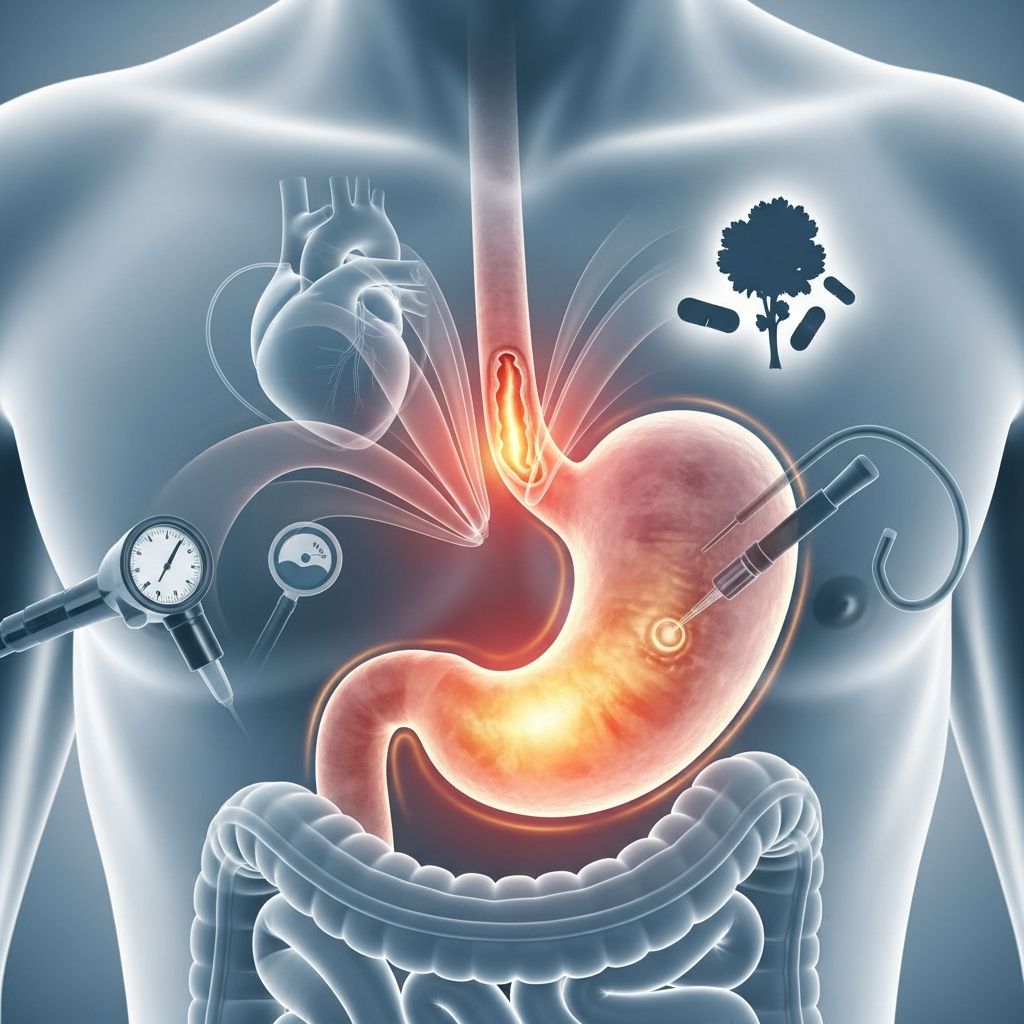
Gastroesophageal reflux disease (GERD) is a chronic digestive disorder where stomach acid or contents frequently flow back into the esophagus, causing irritation and symptoms like heartburn.
What Is GERD?
GERD occurs when the lower esophageal sphincter (LES)—a ring of muscle at the bottom of the esophagus—weakens or relaxes inappropriately, allowing stomach acid to reflux into the esophagus. This backflow, known as acid reflux, irritates the esophageal lining. While occasional reflux is common, persistent episodes define GERD, affecting about 20% of U.S. adults.
The esophagus normally transports food to the stomach, where the LES opens to let contents pass and then closes tightly to prevent backflow. In GERD, this mechanism fails, leading to inflammation and potential long-term damage.
Symptoms of GERD
Symptoms of GERD vary but typically include a burning sensation in the chest or throat. Common signs appear after meals, at night, or when lying down.
- Heartburn: A burning pain in the chest, often rising to the throat, worsening after eating or at night.
- Regurgitation: Sour or bitter-tasting acid backing up into the throat or mouth.
- Dysphagia: Difficulty or pain swallowing.
- Chest pain: Non-cardiac pain mimicking heart issues.
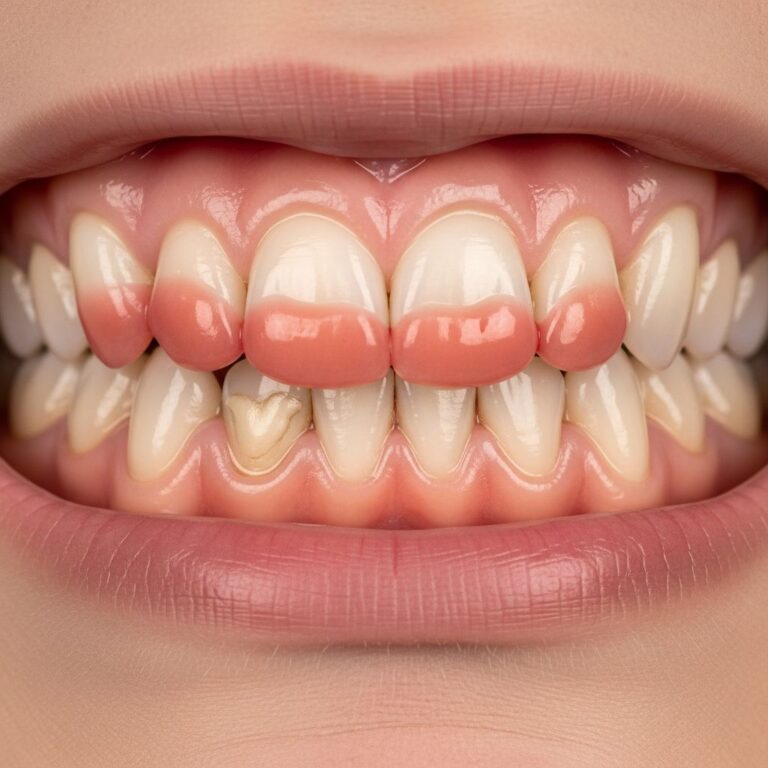
- Extraesophageal symptoms: Chronic cough, hoarseness, sore throat, laryngitis, worsened asthma, or dental enamel erosion.
Nighttime symptoms disrupt sleep, while in some populations like those with Down syndrome, symptoms may be underreported, leading to silent progression.
Causes and Risk Factors of GERD
GERD primarily stems from LES dysfunction, where the muscle fails to close properly after food passes.
Key causes include:
- Weakened or abnormal LES tone, common in conditions like Down syndrome due to low muscle tone.
- Hiatal hernia: Upper stomach bulges through the diaphragm, displacing the LES.
- Delayed gastric emptying, increasing stomach pressure.
Risk factors:
| Risk Factor | Description |
|---|---|
| Obesity | Increases abdominal pressure, pushing acid upward. |
| Pregnancy | Hormonal changes relax LES; growing uterus adds pressure. |
| Connective tissue disorders | E.g., scleroderma weakens esophageal muscles. |
| Smoking | Relaxes LES and reduces saliva production. |
| Dietary triggers | Fatty/spicy foods, chocolate, caffeine, alcohol. |
| Medications | Some like NSAIDs or calcium channel blockers relax LES. |
In people with Down syndrome, lower sphincter tone and higher prevalence of risk factors like obesity make GERD more common.
Complications of Untreated GERD
Chronic reflux can damage the esophagus and beyond if unmanaged.
- Esophagitis: Inflammation, ulcers, bleeding from acid erosion.
- Esophageal stricture: Scarring narrows the esophagus, causing swallowing issues.
- Barrett’s esophagus: Precancerous cellular changes raising esophageal cancer risk.
- Laryngopharyngeal reflux: Affects throat/airways, causing hoarseness or aspiration pneumonia.
- Respiratory issues: Wheezing, chronic cough, or worsened asthma.
Underreported symptoms in certain groups can lead to advanced scarring before diagnosis.
How Is GERD Diagnosed?
Diagnosis starts with symptom history. Persistent or alarm symptoms prompt tests.
Related Stories



- Clinical evaluation: Based on typical symptoms like frequent heartburn.
- Upper endoscopy (EGD): Camera examines esophagus for inflammation, strictures, or Barrett’s. Used for alarm signs: weight loss, dysphagia, bleeding, vomiting.
- pH monitoring: Measures acid exposure over 24-48 hours.
- Esophageal manometry: Assesses LES pressure and motility.
Alarm symptoms—unintentional weight loss, recurrent vomiting, dysphagia—require urgent evaluation to rule out complications.
Treatment Options for GERD
Treatment combines lifestyle changes, medications, and sometimes surgery.
Lifestyle Modifications
First-line approach reduces reflux triggers.
- Elevate head of bed 6-8 inches.
- Avoid lying down 3 hours post-meal.
- Lose weight if overweight.
- Quit smoking; limit alcohol.
- Eat smaller, frequent meals; avoid triggers like spicy/fatty foods, caffeine.
- Loosen tight clothing.
Medications
- Antacids: Neutralize acid for quick relief (e.g., Tums).
- H2 blockers: Reduce acid production (e.g., famotidine).
- Proton pump inhibitors (PPIs): Strongest acid suppression (e.g., omeprazole). First-line for healing.
- Prokinetics: Like metoclopramide to boost motility, used cautiously due to side effects.
Surgery and Procedures
For refractory cases: Fundoplication strengthens LES; LINX device implants magnetic sphincter.
Follow-up monitors symptom improvement; adjust if needed.
When to See a Doctor for GERD
Seek care if symptoms persist >2x/week, OTC meds fail, or alarm signs appear: trouble swallowing, weight loss, vomiting blood, black stools.
Living with GERD: Prevention and Management
Long-term management prevents complications. Track triggers in a food diary, adhere to treatments, and schedule regular check-ups. Multidisciplinary care benefits high-risk groups.
Frequently Asked Questions (FAQs)
What triggers GERD symptoms most commonly?
Common triggers include fatty or spicy foods, chocolate, caffeine, alcohol, large meals, and lying down soon after eating.
Can GERD be cured permanently?
GERD is often chronic but manageable. Lifestyle changes and medications control symptoms; surgery offers lasting relief for some.
Is heartburn the same as GERD?
Heartburn is a symptom; GERD is chronic acid reflux causing frequent heartburn and other issues.
Does GERD increase cancer risk?
Yes, untreated GERD can lead to Barrett’s esophagus, raising esophageal cancer risk. Early treatment mitigates this.
Are there natural remedies for GERD?
Lifestyle changes like weight loss and dietary adjustments are effective. Consult a doctor before supplements.
References
- Gastroesophageal Reflux Disease — Adult Down Syndrome Center, Advocate Health. 2023-09. https://adscresources.advocatehealth.com/resources/gastroesophogeal-reflux-disease/
- Gastroesophageal reflux disease (GERD) – Symptoms and causes — Mayo Clinic. 2025-04-23. https://www.mayoclinic.org/diseases-conditions/gerd/symptoms-causes/syc-20361940
- What is Gastroesophageal Reflux Disease (GERD)? — Northern Nevada Health. N/A. https://northernnevadahealth.com/what-is-gastroesophageal-reflux-disease-gerd/
Similar Articles








Read full bio of Sneha Tete