GERD Treatment: Options and Management Strategies
Comprehensive guide to treating GERD through lifestyle changes, medications, and surgical interventions.
Understanding GERD Treatment: A Comprehensive Guide
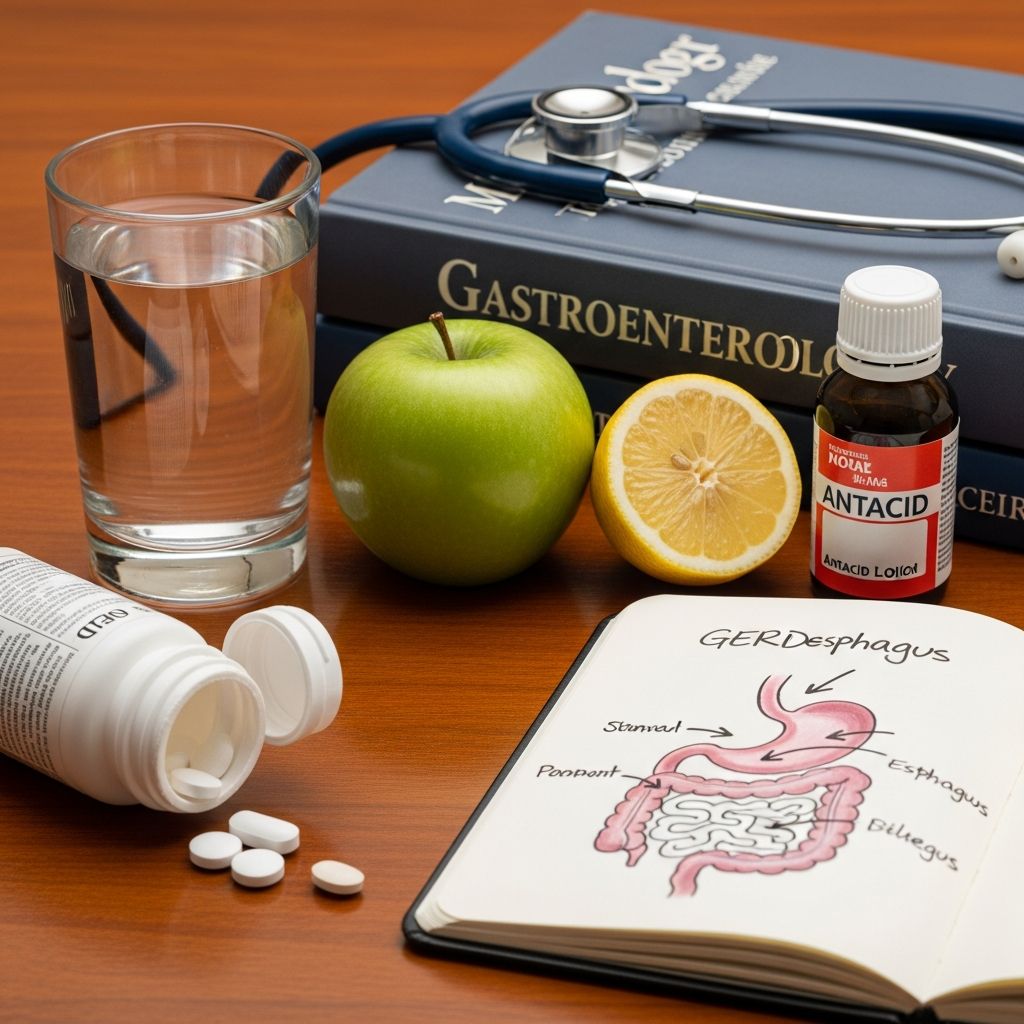
Gastroesophageal reflux disease (GERD) affects millions of people worldwide, causing chronic heartburn and acid reflux symptoms. Fortunately, a range of treatment options is available to manage this condition effectively. Treatment approaches vary based on symptom severity, individual response to therapy, and underlying health factors. This guide explores the full spectrum of GERD treatment options, from initial lifestyle modifications to advanced surgical interventions.
Initial Approach to GERD Management
For patients experiencing mild to moderate GERD symptoms, healthcare providers typically recommend starting with lifestyle modifications combined with over-the-counter medications. This conservative approach often provides significant relief without the need for prescription medications or invasive procedures. The initial management strategy focuses on reducing acid production and protecting the esophagus from damage.
Lifestyle modifications are the foundation of GERD treatment and should be implemented regardless of which medications are prescribed. These changes address the underlying causes of reflux and can dramatically improve symptom severity. After implementing lifestyle changes and trying nonprescription medications for several weeks, patients who don’t experience adequate relief may require prescription medications or additional testing.
Nonprescription Treatment Options
Antacids for Immediate Relief
Antacids are among the most accessible treatment options for GERD symptoms. These medications work by neutralizing stomach acid that has already been produced, providing quick relief from heartburn and discomfort. Common over-the-counter antacids include those containing calcium carbonate, such as Mylanta, Rolaids, and Tums. These products are effective for immediate symptom management and can be used on an as-needed basis.
However, antacids have important limitations. While they provide rapid relief, they do not heal an inflamed or damaged esophagus. Additionally, overuse of certain antacids can cause side effects such as diarrhea or, in rare instances, kidney complications. For this reason, antacids are best used occasionally for acute symptom relief rather than as long-term treatment solutions.
Histamine-2 Receptor Blockers (H2 Blockers)
H2 blockers represent a step up from antacids in terms of symptom management duration and mechanism of action. These medications reduce the amount of acid the body produces by blocking histamine, a chemical that signals the stomach to release acid. Available over-the-counter and in prescription strengths, H2 blockers can provide relief for longer periods than antacids, making them useful for preventing symptoms rather than just treating acute episodes.
Common over-the-counter H2 blockers include famotidine and cimetidine. Prescription-strength H2 blockers include prescription-strength famotidine and nizatidine. The advantage of H2 blockers is their generally mild side effect profile, which is well tolerated by most patients. However, they are less potent than proton pump inhibitors in suppressing stomach acid production.
Prescription Medication Therapies
Proton Pump Inhibitors (PPIs)
Proton pump inhibitors are among the most effective medications for treating GERD and are the standard first-line prescription treatment for moderate to severe symptoms. PPIs work by blocking the proton pumps in stomach cells that produce gastric acid, resulting in superior acid suppression compared to H2 blockers. This powerful acid reduction allows the esophagus to heal from damage caused by chronic acid exposure.
Related Stories



Available prescription PPIs include esomeprazole (Nexium), lansoprazole (Prevacid), omeprazole (Prilosec), pantoprazole (Protonix), rabeprazole (Aciphex), and dexlansoprazole (Dexilant). These medications are typically well tolerated, though some patients may experience side effects such as diarrhea, headaches, nausea, or in rare cases, low vitamin B-12 or magnesium levels.
Symptoms should be reassessed after a 4 to 8-week trial of PPI therapy. For patients with severe esophageal inflammation (Los Angeles grade C or D esophagitis), continued maintenance of PPI therapy is recommended. PPIs have demonstrated high effectiveness in treating erosive esophagitis and preventing complications of GERD.
Potassium-Competitive Acid Blockers (P-CABs)
Potassium-competitive acid blockers represent a newer class of medications for treating GERD. These agents work through a different mechanism than PPIs but achieve similar or superior acid suppression. P-CABs include vonoprazan (Voquezna) and tegoprazan (K-Cab). Vonoprazan is available in 10 mg and 20 mg oral tablets, with the higher dose prescribed for treating acid-induced erosive esophagitis and the lower dose used for maintaining healed esophagitis.
P-CABs may be recommended for patients with severe acid reflux who have not responded to other medications. Vonoprazan is currently recommended as a second-line treatment for patients with documented acid-related reflux who have failed high-dose PPI therapy. These newer agents offer additional options for patients who are intolerant of or refractory to traditional PPI therapy.
Endoscopic Treatment Approaches
Transoral Incisionless Fundoplication (TIF)
Transoral incisionless fundoplication represents an innovative endoscopic procedure that bridges the gap between medical and surgical management of GERD. This minimally invasive procedure involves tightening the lower esophageal sphincter by creating a partial wrap around the lower esophagus using polypropylene fasteners. The procedure is performed through the mouth using an endoscope and requires no surgical incision.
Key advantages of TIF include quick recovery time and high patient tolerance compared to traditional surgical approaches. Recent meta-analyses have demonstrated that subjects who underwent transoral incisionless fundoplication experienced improved esophageal pH readings, a decreased need for proton pump inhibitors, and significantly improved quality of life 3 years after the procedure. Prospective studies have demonstrated that TIF is an effective long-term treatment option for patients with symptomatic GERD associated with hiatus hernias less than 2 cm.
However, TIF alone is not recommended for patients with large hiatal hernias. In such cases, TIF may be possible if combined with laparoscopic hiatal hernia repair, offering patients a combined minimally invasive approach.
Surgical Treatment Options
When Surgery Is Considered
Patients who have medically refractory GERD, experience noncompliance or adverse effects with medical therapy, have a large hiatus hernia, or who do not wish to continue long-term medical treatment should be considered for surgical management. Establishing a definitive diagnosis prior to invasive management is essential, particularly in cases of PPI-refractory heartburn.
Surgical Procedures
The available surgical options for GERD include laparoscopic Nissen fundoplication, laparoscopic anterior 180° fundoplication, and bariatric surgery for obese patients. These procedures physically reinforce the lower esophageal sphincter to prevent acid reflux. Laparoscopic fundoplication in long-term management of GERD is supported by major guidelines including SAGES (Society of American Gastrointestinal and Endoscopic Surgeons), NICE (National Institute for Health and Care Excellence), and ACG (American College of Gastroenterology) when patients are PPI-responsive, and by AGA (American Gastroenterological Association) and SAGES for PPI-refractory cases.
Emerging surgical approaches include robotic fundoplication, which combines the benefits of minimally invasive surgery with enhanced precision. These less invasive laparoscopic and endoscopic procedures represent significant advances compared to traditional open surgical approaches, offering faster recovery times and reduced postoperative morbidity.
Comparing Treatment Approaches
| Treatment Type | Mechanism | Effectiveness | Recovery Time | Best For |
|---|---|---|---|---|
| Antacids | Neutralize acid | Quick, temporary relief | Immediate | Occasional symptoms |
| H2 Blockers | Reduce acid production | Moderate, longer duration | N/A | Mild to moderate symptoms |
| PPIs | Block acid pumps | Highly effective | N/A | Moderate to severe symptoms |
| P-CABs | Competitive acid blockade | Superior suppression | N/A | PPI-refractory cases |
| TIF | Sphincter tightening | Long-term improvement | Same-day to 1 week | Mild to moderate, small hernias |
| Fundoplication | Surgical reinforcement | Long-term relief | 2-4 weeks | Severe, refractory GERD |
Long-Term Management Considerations
Chronic PPI Use
While PPIs are highly effective and generally well tolerated, there are important considerations for long-term use. Chronic PPI therapy results in 2 to 6-fold increase in serum gastrin levels in 80%-100% of patients, though the clinical significance of this elevation remains debated. Long-term use patterns vary significantly across different countries, with evidence suggesting widespread overprescribing of PPIs in both Western and Eastern nations in terms of indication and duration.
The importance of PPI stewardship and education of health professionals has been emphasized in current guidelines. Healthcare providers should regularly reassess the need for continued therapy and consider deprescribing when appropriate. Despite concerns raised in popular media and some regulatory bodies, randomized controlled trials continue to demonstrate a favorable safety profile for PPIs when used appropriately.
Prevention of Complications
Effective GERD treatment can prevent serious complications including distal esophageal stricture, ulceration, and hemorrhage. Extra-esophageal manifestations of GERD, such as laryngitis, pharyngitis, dysphonia, asthma, chronic bronchitis, and aspiration pneumonia, may also be prevented or improved with appropriate treatment. However, whether progression of Barrett’s esophagus to high-grade dysplasia or esophageal adenocarcinoma is preventable by PPI therapy or anti-reflux surgery remains an area of ongoing clinical debate.
Shared Decision-Making in Treatment Selection
Treatment choice for GERD should involve shared decision-making between patients and healthcare providers. Several factors influence the selection of the most appropriate treatment strategy:
- Severity and frequency of symptoms
- Presence of esophageal complications or Barrett’s esophagus
- Patient preferences regarding medication duration
- Tolerance of medication side effects
- Presence of hiatal hernia
- Body mass index and obesity status
- Presence of extra-esophageal symptoms
- Prior treatment responses
- Cost and insurance coverage
Lifestyle Modifications Supporting Medical Treatment
While medications and procedures form the cornerstone of GERD treatment, lifestyle modifications significantly enhance treatment effectiveness. Dietary adjustments, weight management, sleep positioning, and timing of meals all contribute to symptom reduction. Avoiding trigger foods and beverages, eating smaller meals more frequently, and not eating close to bedtime can substantially reduce reflux episodes. Elevating the head of the bed and avoiding tight-fitting clothing around the abdomen also help minimize symptoms.
When to Seek Specialist Referral
Patients should be referred to a gastroenterologist when they experience inadequate response to initial therapy, require long-term medication use, develop complications of reflux, or are considering surgical or endoscopic intervention. Specialist evaluation ensures proper diagnosis and selection of the most appropriate treatment strategy for individual patient circumstances.
Frequently Asked Questions About GERD Treatment
Q: How long does it take for PPI medications to work?
A: Most patients begin experiencing symptom improvement within a few days of starting PPI therapy, though maximum benefit typically occurs after 4 to 8 weeks of consistent use. Your healthcare provider will reassess your symptoms after this trial period to determine if the current treatment is adequate.
Q: Can I use antacids long-term?
A: Antacids are designed for occasional, as-needed use rather than long-term management. While they provide quick relief, overuse can cause side effects and they do not heal esophageal damage. For chronic symptoms, prescription medications like PPIs or H2 blockers are more appropriate.
Q: What are the side effects of long-term PPI use?
A: Most patients tolerate PPIs well. Possible side effects include diarrhea, headaches, and nausea. In rare cases, long-term use may be associated with low vitamin B-12 or magnesium levels. Regular monitoring by your healthcare provider can help identify and manage any potential issues.
Q: Is surgery a permanent cure for GERD?
A: Surgical procedures like fundoplication can provide long-term relief of GERD symptoms, though some patients may experience symptom recurrence years after surgery. Surgery is typically reserved for patients who do not respond to medical therapy or prefer to discontinue long-term medications.
Q: Are P-CABs better than PPIs?
A: P-CABs represent a newer class of medications with potentially superior acid suppression in some patients. However, they are typically recommended as second-line treatment for patients who have not responded adequately to PPIs or cannot tolerate them. Both classes are effective for most patients.
Q: Can I discontinue GERD medication if my symptoms improve?
A: Do not discontinue medication without consulting your healthcare provider. For some patients with healed esophageal damage, lower doses may be appropriate, while others require continued maintenance therapy. Your provider will determine the appropriate management strategy based on your individual circumstances.
References
- Gastroesophageal Reflux Disease (GERD) – StatPearls — National Center for Biotechnology Information, National Institutes of Health. 2024. https://www.ncbi.nlm.nih.gov/books/NBK554462/
- Gastroesophageal reflux disease (GERD) – Diagnosis and treatment — Mayo Clinic. 2024. https://www.mayoclinic.org/diseases-conditions/gerd/diagnosis-treatment/drc-20361959
- Current management of gastro-oesophageal reflux disease — Oxford University Press, Gastroenterology. 2024. https://academic.oup.com/gastro/article/doi/10.1093/gastro/goad008/7128280
- Gastro-oesophageal reflux disease and dyspepsia in adults — National Institute for Health and Care Excellence (NICE). 2014-2024. https://www.nice.org.uk/guidance/cg184
- GERD Symptoms & Treatment — Aurora Health Care Gastroenterology Services. 2024. https://www.aurorahealthcare.org/services/gastroenterology-colorectal-surgery/gastroesohageal-reflux-gerd
- Acid Reflux & GERD: Symptoms, What It Is, Causes, Treatment — Cleveland Clinic. 2024. https://my.clevelandclinic.org/health/diseases/17019-acid-reflux-gerd
- Gastro-oesophageal reflux disease — BMJ Best Practice. 2024. https://bestpractice.bmj.com/topics/en-gb/82
Similar Articles








Read full bio of Sneha Tete