Gestational Diabetes Meal Plan: Complete Diet Guidelines
Master blood sugar control during pregnancy with evidence-based meal planning strategies.
Understanding Gestational Diabetes and Nutrition
Gestational diabetes mellitus (GDM) is a form of diabetes that develops during pregnancy and affects how your body processes glucose. Managing blood sugar levels through proper nutrition is essential for protecting both your health and your baby’s development. A well-planned diet can help you maintain stable blood sugar levels, reduce the need for medication, and support a healthy pregnancy outcome.
The foundation of gestational diabetes management is understanding how different foods affect your blood glucose levels. By following structured meal planning guidelines and making informed food choices, you can effectively control your condition naturally.
Daily Meal and Snack Timing
Consistency is crucial when managing gestational diabetes. Your body responds best to a predictable eating schedule that prevents rapid blood sugar spikes and maintains steady energy levels throughout the day.
Recommended Eating Schedule
- Eat every 2 to 3 hours, which means approximately 6 to 7 eating occasions daily
- Include 3 main meals and 3 to 4 snacks in your daily plan
- Don’t skip meals, as this can cause blood sugar fluctuations
- Avoid going more than 8 to 10 hours without eating overnight
- Plan meals at approximately the same time each day
- Have a small snack if meals are more than 4 hours apart
Carbohydrate Guidelines and Portion Control
Carbohydrates have the most direct impact on blood sugar levels. Rather than eliminating carbs entirely, the key is choosing the right types and controlling portions.
Daily Carbohydrate Targets
A balanced 1,800 to 2,000-calorie gestational diabetes meal plan provides structured carbohydrate distribution throughout the day. The recommended carbohydrate distribution includes:
- Each main meal should contain 45-60 grams of net carbohydrates
- Each snack should contain approximately 15 grams of carbohydrates
- Include 3 servings of non-starchy vegetables at lunch and dinner
- Include 4 servings of carbohydrates at lunch, with 1 cup of low-fat milk or plain Greek yogurt
Net carbohydrates are calculated by taking total carbohydrates and subtracting fiber content. This calculation helps you understand which foods will have the most significant impact on your blood sugar levels.
Types of Carbohydrates to Choose
- Whole grains instead of refined grains
- Non-starchy vegetables (fill half your plate)
- Legumes and beans for sustained energy
- Limit bagels, muffins, cereals, oatmeal, and fruit juices
The Plate Method for Balanced Meals
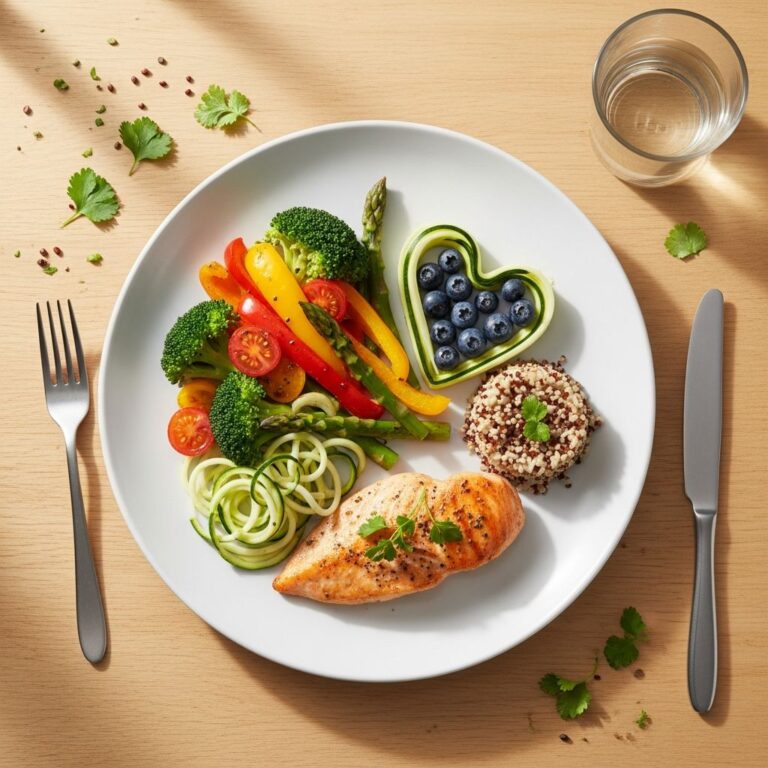
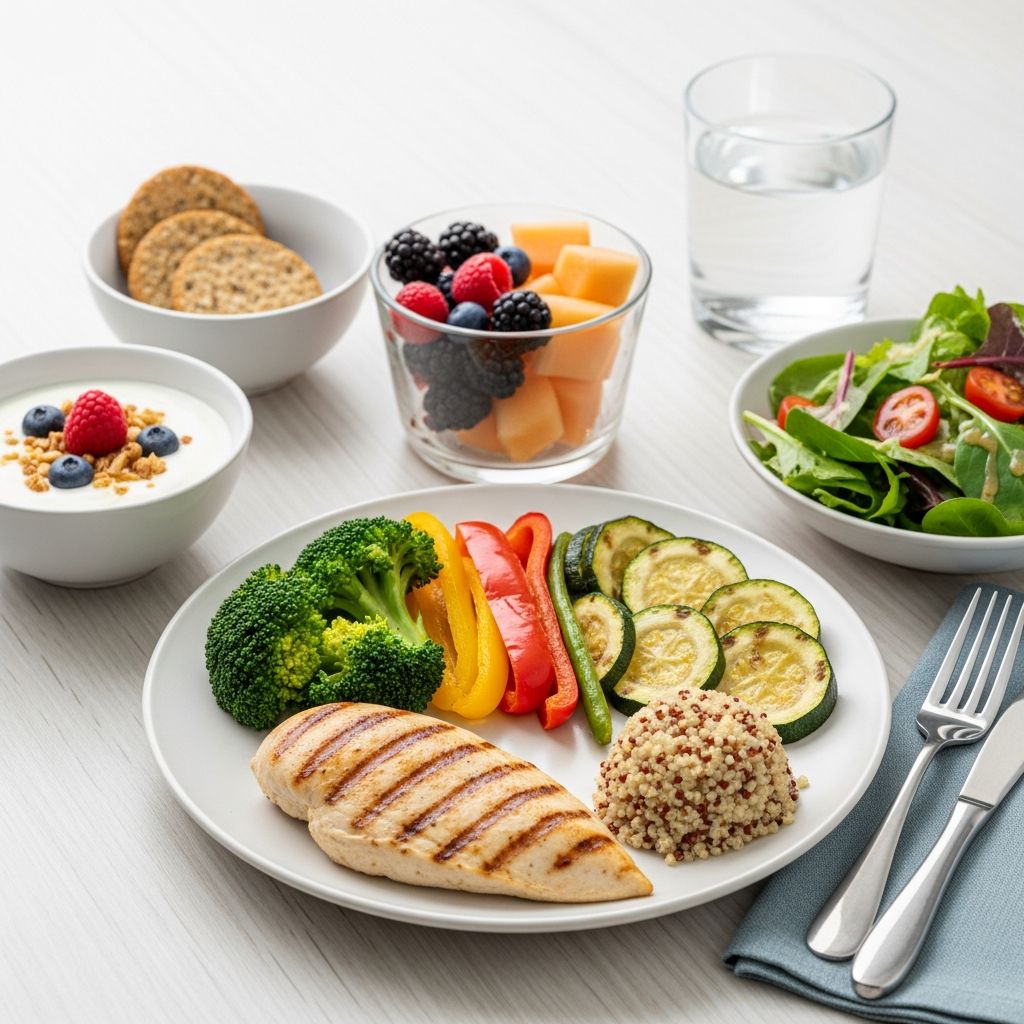
The plate method is a simple visual guide for building balanced meals without complicated counting or calculations. This method ensures you’re getting appropriate portions of each food group at every meal.
Plate Composition
- Half your plate: Non-starchy vegetables (broccoli, spinach, peppers, carrots, green beans)
- One quarter: Lean protein (chicken, fish, turkey, tofu, legumes)
- One quarter: Whole grains or starchy vegetables (brown rice, sweet potatoes, whole wheat bread)
- Small portion: Healthy fats (olive oil, avocado, nuts, seeds)
This approach naturally supports blood sugar management while providing sustained energy and essential nutrients for you and your baby.
Related Stories



Protein and Fat Considerations
Protein and healthy fats play important supporting roles in your meal plan by slowing carbohydrate absorption and promoting satiety.
Lean Protein Options
- 3 ounces at breakfast meals
- 2 ounces at lunch meals
- 2.5 ounces at dinner meals
- 1 ounce at snack time
Healthy Fats to Include
- Avocados
- Fatty fish like salmon (rich in omega-3 fatty acids)
- Nuts and seeds
- Plant-based oils (olive oil, in appropriate portions)
Sample 7-Day Meal Plan
Here’s a practical example of how to structure your meals throughout the week, based on evidence-based guidelines:
Day 1
- Breakfast: Scrambled eggs with spinach and whole grain toast
- Lunch: Grilled chicken salad with mixed greens, avocado, and vinaigrette dressing
- Dinner: Baked salmon with roasted sweet potatoes and steamed asparagus
- Snacks: Greek yogurt with chia seeds; raw almonds
Day 2
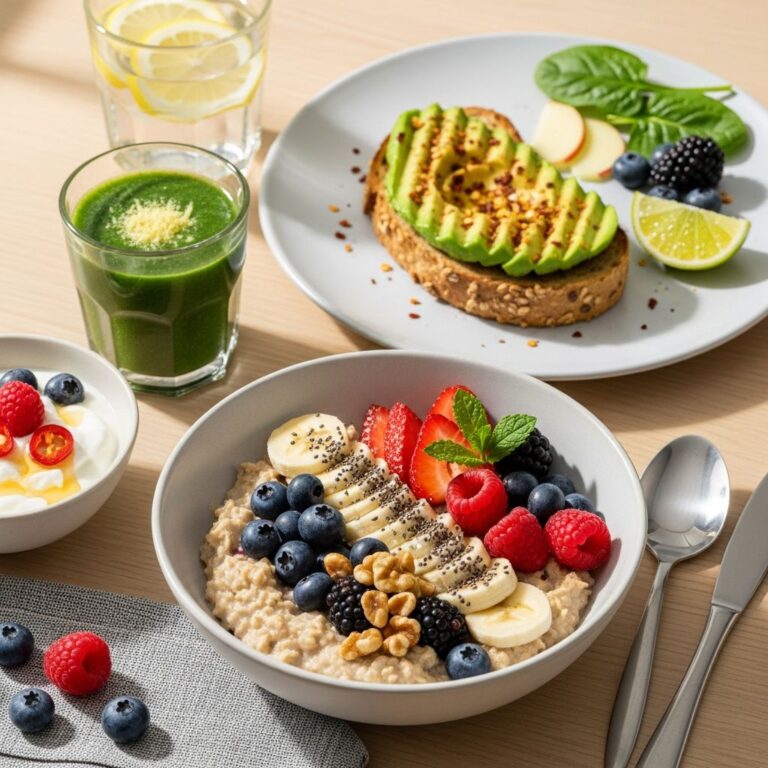
- Breakfast: Steel-cut oats topped with walnuts and berries
- Lunch: Turkey and avocado wrap in whole grain tortilla
- Dinner: Stir-fried tofu with brown rice and vegetables
- Snacks: Sliced cucumbers with hummus; hard-boiled egg
Day 3
- Breakfast: Smoothie with unsweetened plant-based milk, spinach, protein powder, and peanut butter
- Lunch: Grilled shrimp over quinoa and sautéed kale
- Dinner: Roast chicken with mashed cauliflower and green beans
- Snacks: Mixed nuts; celery sticks with low-fat cream cheese
Foods to Limit or Avoid
While no foods are completely forbidden during gestational diabetes management, some require careful portion control or should be minimized:
- High-sugar beverages and fruit juices
- Refined carbohydrates (white bread, regular pasta, sugary cereals)
- Processed foods high in added sugars
- Sugary desserts and sweets
- Full-fat dairy products (choose low-fat options)
- Foods high in saturated fats
Practical Tips for Success
Meal Preparation Strategies
- Plan and prepare meals at consistent times each day
- Cook proteins in advance for quick meal assembly
- Keep pre-cut vegetables available for snacking
- Prepare whole grains in batches for the week
- Use portion-control containers or measuring tools
Restaurant and Social Eating
- Review menus in advance when possible
- Request grilled or baked preparations instead of fried
- Ask for dressings and sauces on the side
- Build meals using the plate method at any restaurant
- Communicate your dietary needs to hosts when dining socially
Monitoring and Adjusting Your Plan
Your individual calorie and carbohydrate needs may differ based on your goals, lifestyle, and medical situation. Work with your healthcare provider or registered dietitian to adjust serving sizes and snack frequency accordingly.
Regular blood sugar monitoring helps you understand how different foods affect your glucose levels. Keep a food and glucose diary to identify patterns and make informed adjustments to your meal plan.
Milk and Dairy Considerations
Dairy provides important nutrients during pregnancy, but portion control is important. Drink one cup of low-fat milk at a time, and include one cup of low-fat milk or plain Greek yogurt at your lunch meal. Avoid high-fat dairy products and choose unsweetened options to minimize added sugar intake.
Managing Cravings and Food Preferences
Pregnancy often brings strong food cravings. The key is satisfying them in ways that align with your meal plan. Choose nutrient-dense versions of foods you crave, combine indulgences with protein and fiber to minimize blood sugar impact, and remember that occasional flexibility is acceptable within your overall plan.
Working with Your Healthcare Team
Successful gestational diabetes management is a team effort. Collaborate with:
- Your obstetrician or maternal-fetal medicine specialist
- A registered dietitian specializing in gestational diabetes
- Your primary care physician
- Diabetes educators who can reinforce lifestyle strategies
Share your food logs and blood sugar readings regularly, and discuss any challenges you’re experiencing with your meal plan.
Frequently Asked Questions
Q: Can I eat fruit with gestational diabetes?
A: Yes, but in controlled portions as part of your carbohydrate allowance. Choose whole fruits over juices, pair with protein or fat to slow glucose absorption, and count the carbohydrates toward your meal totals.
Q: How often should I check my blood sugar?
A: Your healthcare provider will recommend a testing schedule. Many women with GDM check fasting glucose and glucose levels 1-2 hours after meals. Follow your provider’s specific recommendations.
Q: Will my gestational diabetes meal plan be permanent?
A: Most gestational diabetes resolves after delivery. However, maintaining healthy eating habits and lifestyle practices recommended during pregnancy can reduce your risk of developing type 2 diabetes later.
Q: Can I follow a vegetarian or vegan meal plan with gestational diabetes?
A: Yes, with proper planning. Focus on plant-based proteins like legumes, tofu, nuts, and seeds. Work with a dietitian to ensure adequate protein and nutrient intake while managing carbohydrates.
Q: What should I do if my blood sugar remains high despite following my meal plan?
A: Notify your healthcare provider. You may need medication or insulin to achieve target glucose levels. This doesn’t indicate failure—it’s a normal part of treatment for some women with GDM.
References
- 7-Day Gestational Diabetes Healthy Meal Plan — Diabetes Canada. 2024. https://www.diabetes.ca/nutrition—fitness/recipes/7-day-gestational-diabetes-healthy-meal-plan
- Sample Meal Plan and Menu Ideas for Pregnancy with Gestational Diabetes — American Diabetes Association. 2025. https://diabetes.org/sites/default/files/2025-07/ADA25-Sample-Meal-Plan-for-GDM-FINAL-7-8-25.pdf
- 7-Day Meal Plan for Gestational Diabetes — Season Health. 2024. https://www.seasonhealth.com/blog/7-day-gestational-diabetes-meal-plan
- Meal Planning with Gestational Diabetes — Kaiser Permanente. 2024. https://mydoctor.kaiserpermanente.org/ncal/article/meal-planning-with-gestational-diabetes-1853019
- Dietary Recommendations for Gestational Diabetes — UCSF Health. 2024. https://www.ucsfhealth.org/education/dietary-recommendations-for-gestational-diabetes
- MyPlate California for People with Gestational Diabetes — California Department of Public Health. 2024. https://www.cdph.ca.gov/Programs/CFH/DMCAH/NUPA/CDPH%20Document%20Library/MyPlate_Gestational_Diabetes.pdf
- Gestational Diabetes Nutrition Guidelines — Northwestern Medicine. 2024. https://www.nm.org/-/media/northwestern/resources/patients-and-visitors/patient-education/diabetes/northwestern-medicine-gestational-diabetes-nutrition-guide.pdf
- Diabetes Meal Planning — Centers for Disease Control and Prevention. 2024. https://www.cdc.gov/diabetes/healthy-eating/diabetes-meal-planning.html
Similar Articles








Read full bio of medha deb