Gestational Hypertension: Causes, Symptoms & Treatment
Understanding gestational hypertension: risks, management, and healthy pregnancy outcomes.
Understanding Gestational Hypertension
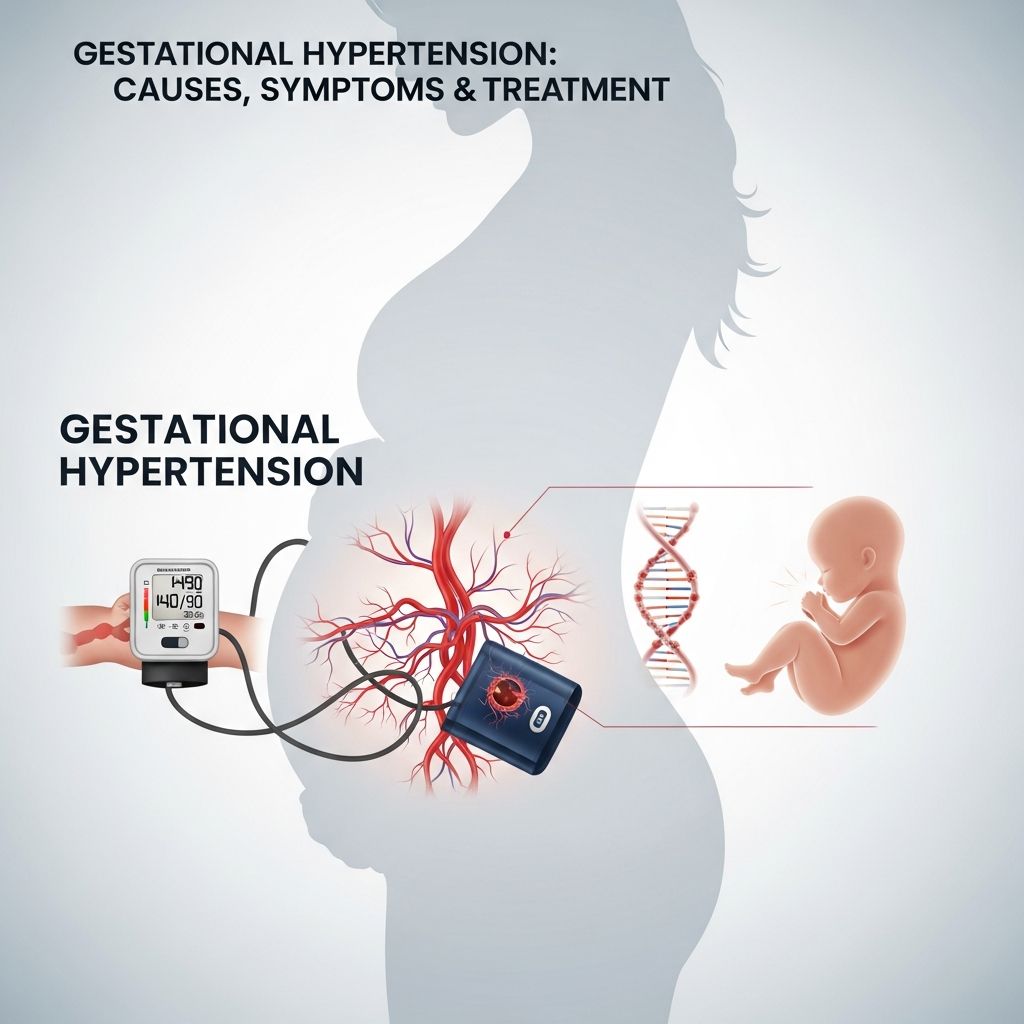
Gestational hypertension is high blood pressure that develops during pregnancy, specifically after the 20th week of gestation. It is defined as a blood pressure reading of 140/90 mmHg or greater that emerges during the latter half of pregnancy. Unlike chronic hypertension, which may exist before pregnancy or develop in the first 20 weeks, gestational hypertension is unique to pregnancy and typically resolves within three months after delivery. During pregnancy, high blood pressure can affect your body in significantly different ways than it would under normal circumstances. Understanding this condition is crucial because unmanaged hypertension during pregnancy poses risks to both maternal health and fetal development.
Hypertensive disorders of pregnancy, including gestational hypertension, affect approximately 5 to 10% of pregnancies worldwide. In recent years, there has been a notable rise in the prevalence of hypertensive disorders during pregnancy, with some regions experiencing up to a 67% increase in cases involving chronic hypertension in pregnancy. These numbers have been climbing due to several factors, including the obesity epidemic and the trend of advancing maternal age. The condition warrants careful monitoring and management to ensure the best outcomes for both mother and baby.
How Gestational Hypertension Differs From Other Hypertensive Disorders
It is important to distinguish gestational hypertension from other hypertensive conditions that can occur during pregnancy. The first category is chronic hypertension, which is diagnosed before pregnancy or in the early stages of pregnancy before 20 weeks of gestation. Chronic hypertension persists longer than three months after delivery and represents a pre-existing condition that continues throughout the pregnancy journey. Women with chronic hypertension face a particularly high risk of developing preeclampsia, a more severe condition that can pose significant threats to maternal and fetal health.
Gestational hypertension, by contrast, develops after the 20th week of pregnancy and is isolated to the pregnancy itself. The key distinction is its temporary nature—it resolves by three months postpartum in most cases. However, women with gestational hypertension can eventually develop preeclampsia, which represents a more serious form of hypertensive disorder characterized by protein in the urine and potential organ damage. Approximately 25 to 35% of women with gestational hypertension may progress to preeclampsia, making vigilant monitoring essential.
Causes and Risk Factors
While the exact cause of gestational hypertension remains not fully understood, several factors increase the likelihood of developing the condition. Understanding the underlying pathophysiology can help identify women at higher risk. Research suggests that gestational hypertension relates to changes in placental function and vascular endothelial dysfunction. The placenta normally adapts during pregnancy to allow increased blood flow to support fetal development. In gestational hypertension, this adaptation process is disrupted, leading to reduced placental perfusion and systemic vascular changes.
Multiple risk factors contribute to the development of gestational hypertension:
- Maternal age over 35 years
- Pre-pregnancy obesity or excessive weight gain during pregnancy
- Family history of hypertension or preeclampsia
- Multiple pregnancy (twins or multiples)
- First-time pregnancy
- Pre-existing diabetes or other metabolic conditions
- African American or Hispanic ethnicity, with Black women experiencing the largest increases in recent decades
- History of kidney disease
Effects on Pregnancy and Maternal Health
Gestational hypertension can significantly affect both maternal health and fetal development. High blood pressure reduces the amount of blood flowing through the placenta, which serves as the primary source of food and oxygen for the developing fetus. This decreased blood flow and nutrient supply can lead to serious complications if the condition remains unmanaged. The placenta plays a critical role in supporting fetal growth and development, and compromised placental function can result in restricted fetal growth and other adverse outcomes.
Related Stories



For the pregnant individual, unmanaged gestational hypertension increases the risk of several serious complications. Systolic blood pressure over 160 mmHg or diastolic blood pressure over 110 mmHg can cause strokes or seizures and may require hospitalization during pregnancy. Pregnant women are at notably higher risk of central nervous system complications from hypertension compared to non-pregnant women, with studies showing that hypertensive disorders increase stroke risk 5.2-fold.
Additional maternal complications associated with gestational hypertension include:
- Kidney damage or failure
- Liver complications
- Blood clotting disorders
- Pulmonary edema (fluid in the lungs)
- Increased likelihood of requiring cesarean delivery
- Placental abruption (premature separation of placenta from uterine wall)
- Progression to preeclampsia with severe features
Fetal and Neonatal Complications
The developing fetus faces equally serious risks from uncontrolled maternal hypertension. Reduced blood flow through the placenta can result in intrauterine growth restriction, where the baby does not grow at the expected rate. This can lead to premature birth, as healthcare providers may need to deliver the baby early to prevent more serious complications. Premature infants face respiratory challenges and other developmental complications related to early delivery.
Additionally, gestational hypertension increases the risk of fetal distress, indicated by abnormal heart rate patterns during labor, and potential neonatal complications. The good news is that when gestational hypertension is well-managed and detected early, most women deliver healthy babies. Early detection and aggressive management significantly reduce the likelihood of serious complications.
Symptoms and Monitoring
Many women with gestational hypertension experience no noticeable symptoms, which makes regular blood pressure monitoring essential during pregnancy. Some pregnant individuals may experience subtle signs such as persistent headaches, vision changes, upper abdominal pain, or rapid weight gain due to fluid retention. However, these symptoms are nonspecific and can be associated with normal pregnancy as well.
It is important to see your healthcare provider during the first trimester so your typical blood pressure range can be established as a baseline. In the second trimester, blood pressure usually decreases, which can make it difficult to detect chronic hypertension that may have been present before pregnancy. Regular blood pressure monitoring throughout pregnancy is the most reliable way to detect gestational hypertension early. Your provider will check your blood pressure at each prenatal visit and may recommend more frequent monitoring if you have risk factors or if elevated readings are detected.
Diagnosis and Clinical Assessment
Diagnosis of gestational hypertension requires blood pressure readings of 140/90 mmHg or higher on at least two separate occasions, typically at least four hours apart, occurring after 20 weeks of gestation in a woman with previously normal blood pressure. Healthcare providers will conduct a comprehensive assessment that includes reviewing your medical history, evaluating risk factors, and performing laboratory tests to assess kidney function and detect proteinuria (protein in the urine).
The diagnostic workup may also include:
- Complete blood count to assess for anemia and platelet abnormalities
- Comprehensive metabolic panel to evaluate kidney and liver function
- Urinalysis to detect protein levels
- 24-hour urine collection to quantify protein excretion if preeclampsia is suspected
Treatment and Management Strategies
The primary goal of treatment is to reduce blood pressure or prevent it from worsening and causing complications for both mother and fetus. Treatment recommendations depend on the severity of hypertension and individual clinical circumstances. Current evidence supports treating mild to moderate chronic hypertension in pregnancy, as demonstrated by the CHAP trial, which showed that treatment resulted in significant reduction of adverse outcomes, including preeclampsia with severe features, indicated preterm birth before 35 weeks, placental abruption, and fetal or neonatal death.
The American College of Obstetricians and Gynecologists (ACOG) recommends antihypertensive treatment initiation for blood pressure of 140/90 mmHg or higher for chronic hypertension and 160/110 mmHg or higher for acute treatment of gestational hypertension and preeclampsia. Blood pressure treatment targets remain below 160/110 mmHg to reduce the risk of maternal cardiovascular complications.
Medication Management
When blood pressure exceeds the treatment threshold, healthcare providers may prescribe medications that are safe during pregnancy. First-line antihypertensive agents typically include methyldopa, nifedipine, and labetalol, which have extensive safety data in pregnancy. These medications effectively reduce blood pressure while maintaining adequate blood flow to the placenta and fetus. The choice of medication depends on individual factors, baseline kidney function, and any pre-existing conditions.
It is crucial that pregnant individuals discuss any concerns about blood pressure medications with their healthcare provider, as some antihypertensives commonly used outside of pregnancy are contraindicated during gestation. ACE inhibitors and angiotensin receptor blockers, for example, should generally be avoided in pregnancy due to potential fetal complications.
Lifestyle Modifications
Beyond pharmacologic interventions, lifestyle modifications play an important role in managing blood pressure during pregnancy. Regular, moderate physical activity as approved by your healthcare provider helps maintain cardiovascular health and supports blood pressure control. A balanced diet low in sodium and rich in potassium, calcium, and magnesium promotes healthy blood pressure levels. Stress reduction techniques, including prenatal yoga and relaxation exercises, may contribute to better blood pressure management.
Weight management before and during pregnancy also contributes to better outcomes. Excessive weight gain during pregnancy can exacerbate hypertension, while moderate, appropriate weight gain supports maternal and fetal health. Limiting caffeine and avoiding tobacco and alcohol are additional important lifestyle measures.
Fetal Monitoring and Assessment
When gestational hypertension is diagnosed, close fetal monitoring becomes an essential component of care. Your healthcare provider will monitor the fetus and perform frequent tests to check on its health and well-being. These assessments may include:
- Non-stress testing to evaluate fetal heart rate patterns and fetal movement
- Biophysical profiles combining ultrasound imaging with fetal heart rate assessment
- Umbilical artery Doppler studies to assess placental blood flow
- Ultrasound evaluation of amniotic fluid volume and fetal growth measurements
- Serial ultrasounds to monitor fetal growth and development
If your provider determines that the fetus will be born early or if delivery becomes necessary before term, corticosteroids may be administered to help mature the fetal lungs. These medications significantly decrease the chance that your baby will experience respiratory distress or breathing problems at birth, representing an important intervention for early delivery scenarios.
Long-Term Outcomes and Postpartum Management
Following delivery, blood pressure that was transiently elevated due to hypertensive disorders of pregnancy should fully resolve by postpartum week 12. If blood pressure remains elevated after this period, healthcare providers should evaluate for chronic hypertension and investigate potential secondary causes as clinically indicated. Women diagnosed with gestational hypertension have an increased risk of developing chronic hypertension in the first year after delivery and throughout their lifespan and should have their blood pressure monitored and assessed at least annually.
ACOG guidelines recommend that anyone with a hypertensive disorder in pregnancy should have a blood pressure check within 72 hours of discharge from the hospital. This ensures early detection of persistent hypertension and allows for appropriate management and follow-up care. A smooth transition of care from the obstetrician to a primary care clinician or cardiologist is vital to enhance hypertension management and preventive care across the lifespan.
Frequently Asked Questions
Q: Will gestational hypertension affect my future pregnancies?
A: Women who develop gestational hypertension have an increased risk of developing the condition in subsequent pregnancies. It is important to inform your healthcare provider of your history so appropriate monitoring can be implemented early in future pregnancies. Additionally, these individuals have a higher risk of developing chronic hypertension later in life and should maintain regular blood pressure monitoring.
Q: Can gestational hypertension be prevented?
A: While gestational hypertension cannot always be prevented, maintaining a healthy weight before pregnancy, managing stress, regular exercise, and a balanced diet may reduce your risk. Additionally, early prenatal care allows healthcare providers to establish your baseline blood pressure and monitor for any changes throughout pregnancy, enabling early intervention if needed.
Q: What is the difference between gestational hypertension and preeclampsia?
A: Gestational hypertension is high blood pressure alone during pregnancy. Preeclampsia is high blood pressure accompanied by protein in the urine and potential organ damage. Approximately 25-35% of women with gestational hypertension develop preeclampsia, which requires more intensive management and monitoring.
Q: Will I need to deliver early if I have gestational hypertension?
A: Early delivery is not automatically necessary for gestational hypertension. However, if blood pressure becomes severely elevated or complications develop, your healthcare provider may recommend earlier delivery to protect maternal and fetal health. Most women with well-managed gestational hypertension can continue pregnancy to term or near term.
Q: Can I breastfeed if I take blood pressure medication?
A: Most antihypertensive medications used in pregnancy are safe during breastfeeding. Discuss medication safety with your healthcare provider to ensure your chosen medication is compatible with breastfeeding if this is your plan.
References
- High Blood Pressure Disorders in Pregnancy Rising — Cleveland Clinic Newsroom. March 27, 2023. https://newsroom.clevelandclinic.org/2023/03/27/high-blood-pressure-disorders-in-pregnancy-rising
- Hypertension in pregnancy: Pathophysiology and treatment — PubMed Central, National Institutes of Health. 2019. https://pmc.ncbi.nlm.nih.gov/articles/PMC6458675/
- Hypertension in Pregnancy and Postpartum: Current Standards and Future Directions — Circulation, American Heart Association. 2024. https://www.ahajournals.org/doi/10.1161/CIRCULATIONAHA.124.073302
- Management of Hypertension in Pregnancy and Postpartum — Cleveland Clinic Medical Education. https://my.clevelandclinic.org/podcasts/cardiac-consult/management-of-hypertension-in-pregnancy-and-postpartum
- Gestational Hypertension: Causes, Symptoms & Treatment — Cleveland Clinic Health Library. https://my.clevelandclinic.org/health/diseases/4497-gestational-hypertension
Similar Articles








Read full bio of medha deb