Gestational Trophoblastic Disease: Symptoms, Diagnosis, and Treatment
Understanding gestational trophoblastic disease: comprehensive guide to symptoms, diagnosis, and evidence-based treatment options.
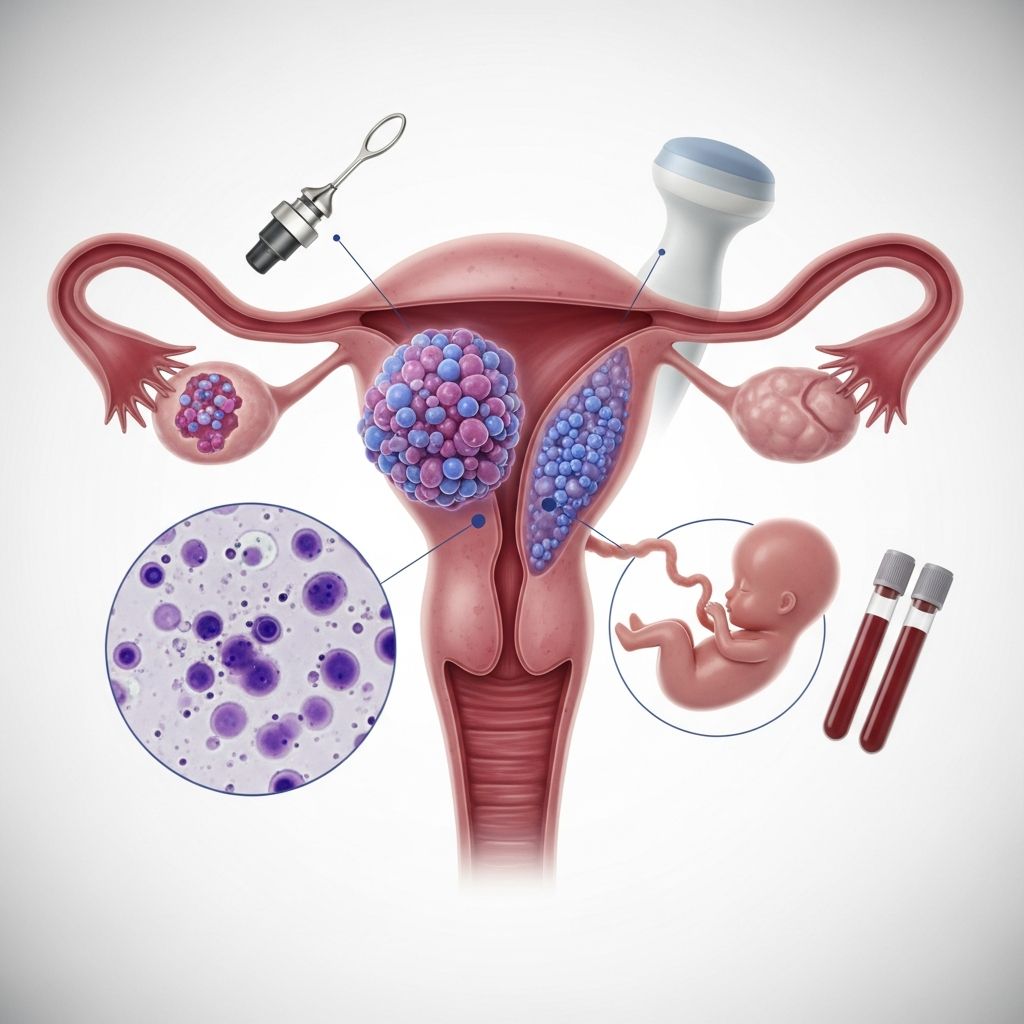
Understanding Gestational Trophoblastic Disease
Gestational trophoblastic disease (GTD) is a rare condition that develops when abnormal tissue grows inside the uterus after conception. This condition arises from the placental tissue and can range from benign molar pregnancies to malignant gestational trophoblastic neoplasia (GTN). GTD requires prompt medical attention and specialized treatment, but with appropriate care, most cases are successfully managed and many women go on to have healthy pregnancies afterward.
The disease encompasses several types, including complete molar pregnancies, partial molar pregnancies, and invasive forms. Understanding the characteristics, symptoms, and treatment options for GTD is essential for women who may be at risk and their healthcare providers.
Symptoms and Warning Signs
Gestational trophoblastic disease presents with various symptoms that often mimic typical pregnancy signs but may be more severe or occur at unusual times. Recognizing these warning signs is crucial for early diagnosis and intervention.
Common Symptoms
The most frequent symptoms of GTD include:
- Abnormal vaginal bleeding or bleeding not related to menstruation
- A uterus that appears larger than expected for the stage of pregnancy
- Severe nausea and vomiting during pregnancy (hyperemesis)
- Pelvic pain or pressure
- High blood pressure with headache and swelling of the feet and hands early in pregnancy
- Vaginal bleeding that continues longer than normal after delivery
Additional Complications
Beyond these primary symptoms, GTD can cause several complications related to elevated hormone levels and other physiological changes. Severe hyperemesis results from exceptionally high levels of beta-human chorionic gonadotropin (β-hCG), a hormone produced during pregnancy. Preeclampsia, a serious condition characterized by high blood pressure before 20 weeks of pregnancy, may develop and requires immediate medical intervention.
Some patients experience symptoms of an overactive thyroid (hyperthyroidism), including rapid heartbeat (tachycardia), tremors, fatigue, shortness of breath, weight loss, and difficulty sleeping. These symptoms occur because elevated β-hCG levels stimulate thyroid hormone production. Additionally, patients may experience anemia-related symptoms such as dizziness, shortness of breath, and irregular heartbeat.
Risk Factors and Causes
While gestational trophoblastic disease can occur in any pregnancy, certain factors increase the likelihood of developing this condition. Understanding these risk factors helps identify women who may need closer monitoring during pregnancy.
Age plays a significant role in GTD development. Pregnancies occurring before age 20 or after age 35 carry increased risk. Additional risk factors include a very high level of beta-hCG, a large tumor in the uterus, or an ovarian cyst larger than 6 centimeters. Women with previous GTD also have an elevated recurrence risk.
The exact cause of GTD involves abnormal fertilization or chromosomal abnormalities in the developing placental tissue. In complete molar pregnancies, the egg contains no genetic material from the mother, resulting in tissue that is entirely paternal in origin. Partial molar pregnancies involve both maternal and paternal genetic material but in abnormal proportions.
Diagnosis Methods
Early and accurate diagnosis of gestational trophoblastic disease is essential for determining the appropriate treatment strategy and preventing complications.
Diagnostic Procedures
Diagnosis typically involves multiple approaches to confirm GTD and determine its type and extent. Ultrasound imaging is often the first step, revealing characteristic patterns such as the classic “bunch of grapes” appearance in molar pregnancies. The ultrasound may also show the absence of a fetal pole or abnormal fetal development.
Related Stories



Blood tests measuring beta-hCG levels are crucial in GTD diagnosis. Abnormally high hCG levels for the reported stage of pregnancy may suggest GTD. Serial hCG measurements help establish trends and guide treatment decisions.
Pelvic examination by a healthcare provider may reveal an enlarged uterus inconsistent with the presumed pregnancy duration. In some cases, tissue samples obtained during evacuation procedures are examined histologically to confirm the diagnosis and determine the specific type of GTD.
Understanding GTD Types
Gestational trophoblastic disease encompasses several distinct types, each with different characteristics, treatment approaches, and prognosis.
Molar Pregnancies
Molar pregnancies are the most common form of GTD and are typically benign. Complete molar pregnancies contain only placental tissue with no fetus, while partial molar pregnancies include some fetal tissue along with abnormal placental development. Most molar pregnancies do not progress to malignancy but require careful monitoring.
Gestational Trophoblastic Neoplasia
GTN represents the malignant forms of GTD, which may develop after a molar pregnancy, miscarriage, abortion, or normal pregnancy. GTN is further classified based on risk factors using the FIGO scoring system, which considers factors such as age, type of antecedent pregnancy, interval from antecedent pregnancy, hCG level, largest tumor size, and sites of metastasis. This classification determines whether treatment involves low-risk or high-risk chemotherapy regimens.
Placental site trophoblastic tumors (PSTT) and epithelioid trophoblastic tumors (ETT) are rare forms of GTD that develop from different trophoblastic cell types. These tumors typically require surgical intervention as their primary treatment, as chemotherapy is usually less effective.
Treatment Options
Treatment for gestational trophoblastic disease depends on the specific type, stage, and risk category of the disease, the patient’s overall health status, and her desire for future pregnancies. Multiple therapeutic approaches may be employed to achieve optimal outcomes.
Surgical Treatment
Surgical evacuation of molar pregnancy tissue is typically the first step in managing molar GTD. The procedure, known as dilation and evacuation (D&E) or suction evacuation, removes the abnormal tissue from the uterus. Careful surgical technique is essential to minimize complications such as uterine perforation or excessive bleeding.
Blood products should be readily available during evacuation when the uterus is larger than 16 weeks in gestational size due to increased bleeding risk. Rh-negative women should receive Rh immune globulin at the time of molar evacuation because the RhD factor is expressed on trophoblastic cells. In most cases, a second evacuation is not needed if bleeding ceases after the initial procedure.
For certain GTD types, such as PSTT and ETT, surgical removal of the tumor is the primary treatment approach. Hysterectomy may be considered in selected cases, particularly in women who have completed childbearing.
Chemotherapy for Low-Risk GTD
For patients with low-risk gestational trophoblastic neoplasia (FIGO Stages I–III with a risk score below 7), single-agent chemotherapy is standard treatment. The most commonly used medication is methotrexate, though actinomycin D serves as an alternative option when methotrexate cannot be safely administered.
Methotrexate has been widely used and is effective in many patients; however, it may affect liver function and requires careful monitoring. Actinomycin D might be chosen if patients cannot safely receive methotrexate due to liver concerns or previous adverse effects. Both medications can impact blood cells, kidneys, and the immune system, necessitating close monitoring of side effects.
Recent evidence suggests that actinomycin D may achieve higher primary cure rates compared to methotrexate in certain patient populations. Regardless of the agent chosen, regular blood work and hCG monitoring are essential components of treatment follow-up.
Chemotherapy for High-Risk GTD
Patients with high-risk gestational trophoblastic neoplasia (FIGO Stages II–III with risk scores of 7 or higher, and Stage IV) require multiagent chemotherapy. The EMA-CO regimen, combining etoposide, methotrexate, actinomycin D, cyclophosphamide, and vincristine, represents the most commonly used combination chemotherapy approach.
The EMA-CO regimen is highly effective in treating high-risk GTD; however, it carries greater potential for side effects compared to single-agent therapy. Careful monitoring and supportive care are essential during treatment. For patients showing resistance to standard EMA-CO regimens, alternative salvage treatments include paclitaxel combined with etoposide (TE), or paclitaxel alternating with cisplatin (TP). Recent advances suggest that checkpoint immunotherapies such as pembrolizumab may offer additional options for drug-resistant cases.
Prophylactic Chemotherapy
Prophylactic administration of methotrexate or actinomycin D at the time of or immediately following molar evacuation can reduce the incidence of postmolar GTN to 3–8 percent. However, this approach is typically reserved for special situations where the risk of postmolar GTN is significantly elevated or where adequate hCG follow-up is not feasible.
Other Treatment Approaches
Radiation therapy is rarely used in GTD treatment but may be considered in specific circumstances. Clinical trials investigating novel treatment strategies continue to expand available options for patients with GTD, and eligible patients may consider participation in these trials at various stages of their care.
Follow-Up and Monitoring
Comprehensive follow-up care following GTD treatment is essential to detect recurrence and ensure optimal patient outcomes.
hCG Monitoring Protocol
Follow-up with human chorionic gonadotropin (hCG) testing is critical for early identification of gestational trophoblastic neoplasia. The duration of hCG monitoring varies depending on the histological type of GTD and the rate of hCG regression. Patients typically undergo regular hCG measurements, with testing frequency decreasing over time as hCG levels normalize.
If hCG levels remain elevated or rise after treatment completion, the patient has developed persistent GTD requiring additional therapy. Further treatment typically involves chemotherapy and sometimes additional surgical intervention.
Pregnancy Planning After GTD
Most women who have been treated for GTD can successfully achieve pregnancy and deliver healthy babies with appropriate monitoring. However, pregnancy should be avoided during the hCG monitoring period, as pregnancy itself raises hCG levels, potentially complicating the detection of disease recurrence and treatment monitoring.
Once hCG levels have normalized and remained stable for the recommended monitoring period, women wishing to become pregnant should consult with their healthcare team about optimal timing and any additional precautions. Regular prenatal care with enhanced monitoring may be recommended for subsequent pregnancies.
Prognosis and Outcomes
The prognosis for gestational trophoblastic disease has improved dramatically over recent decades with advances in diagnostic techniques and treatment options. Although GTD can be serious, most cases are treatable, and survival rates are excellent with appropriate medical care.
For low-risk GTN, overall survival approaches 100 percent with appropriate single-agent chemotherapy. High-risk patients also demonstrate excellent survival rates, typically exceeding 90 percent, with multiagent chemotherapy regimens. Molar pregnancies rarely progress to malignancy, and when they do, they respond well to standard therapies.
The primary concerns following GTD treatment involve ensuring complete disease eradication and monitoring for potential recurrence. With diligent follow-up care and hCG monitoring, recurrence can be detected early when treatment is most effective.
Side Effects and Supportive Care
Chemotherapy and other treatments for GTD can cause various side effects, and supportive care plays an important role in helping patients tolerate treatment and maintain quality of life.
Common side effects of methotrexate and actinomycin D include nausea, vomiting, hair loss, bone marrow suppression, and increased infection risk. EMA-CO combination chemotherapy carries additional potential side effects due to its multiple agents. Supportive medications, antiemetics, and prophylactic antibiotics are often administered to manage treatment-related toxicities.
Regular blood tests monitor blood cell counts, liver function, kidney function, and other parameters to detect and manage side effects promptly. Patients should maintain open communication with their healthcare team regarding any symptoms or concerns during treatment.
Frequently Asked Questions
Q: What is the difference between a molar pregnancy and gestational trophoblastic neoplasia?
A: Molar pregnancies are typically benign forms of GTD in which abnormal placental tissue develops. Gestational trophoblastic neoplasia represents malignant forms of GTD that may develop from molar pregnancies or other pregnancy types and can spread to other parts of the body.
Q: Can women have normal pregnancies after GTD treatment?
A: Yes, most women successfully achieve pregnancy and deliver healthy babies after appropriate GTD treatment. However, pregnancy should be avoided during hCG monitoring, and subsequent pregnancies typically require enhanced monitoring with their healthcare team.
Q: How often is hCG monitoring required after GTD treatment?
A: The duration of hCG monitoring varies depending on the GTD type and hCG regression rate. Monitoring typically continues until hCG levels normalize and remain stable for a specified period, which may range from several months to one or two years.
Q: What are the side effects of GTD treatment?
A: Side effects vary depending on the treatment type but may include nausea, vomiting, hair loss, decreased blood cell counts, and increased infection risk. Supportive medications and close medical supervision help manage these side effects.
Q: Is GTD hereditary or contagious?
A: GTD is not hereditary or contagious. It develops due to abnormal chromosomal development during fertilization and is not passed down through families or transmitted between individuals.
References
- Gestational Trophoblastic Disease – Symptoms, Causes, Treatment — National Organization for Rare Disorders (NORD). 2024. https://rarediseases.org/rare-diseases/gestational-trophoblastic-disease/
- Diagnosis and management of gestational trophoblastic disease — PubMed Central/National Institutes of Health. 2022. https://pmc.ncbi.nlm.nih.gov/articles/PMC9298230/
- Gestational Trophoblastic Disease – Vanderbilt-Ingram Cancer Center — Vanderbilt University Medical Center. 2024. https://vicc.org/cancer-info/adult-gestational-trophoblastic-disease
- Gestational Trophoblastic Disease Treatment — University of Virginia Health System. 2024. https://www.uvahealth.com/conditions/gestational-trophoblastic-disease-gtd
- Gestational Trophoblastic Disease Symptoms & Diagnosis — Columbia University Irving Medical Center. 2024. https://www.cancer.columbia.edu/cancer-types-care/types/gestational-trophoblastic-disease/about-gestational-trophoblastic-disease
Similar Articles








Read full bio of medha deb