Giada De Laurentiis on the Mediterranean Diet
Celebrity chef Giada De Laurentiis shares her secrets to embracing the Mediterranean diet for vibrant health and delicious Italian-inspired meals.
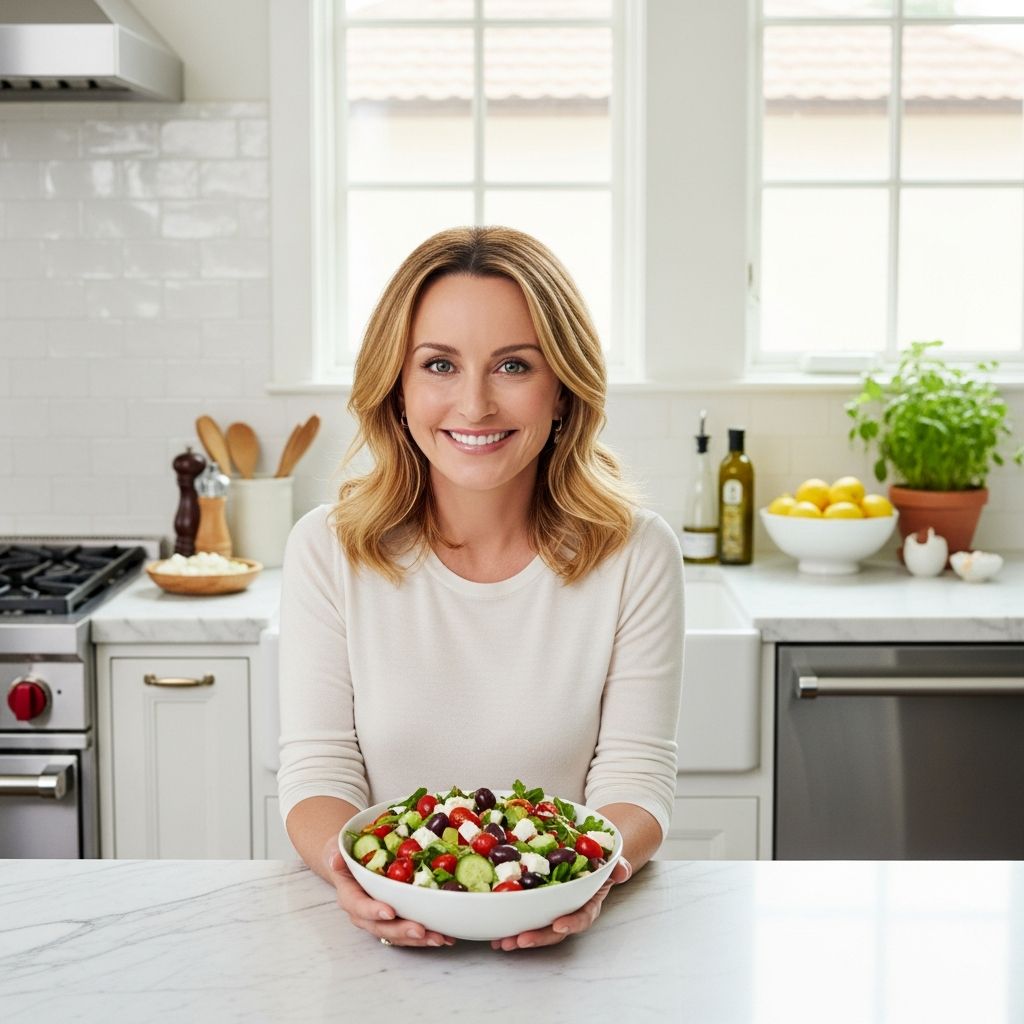
Renowned chef and television personality Giada De Laurentiis has long championed the joys of Italian cuisine. In recent interviews, she delves into how the
Mediterranean diet
forms the cornerstone of her approach to eating, blending indulgence with nutrition for optimal health. Drawing from her heritage and new cookbook Super-Italian, De Laurentiis explains why this time-tested eating pattern—emphasizing olive oil, vegetables, lean proteins, and whole grains—keeps her energized in her 50s.What Is the Mediterranean Diet?
The Mediterranean diet mimics traditional eating habits from countries bordering the Mediterranean Sea, prioritizing plant-based foods, healthy fats, and moderate portions of fish and dairy. Key components include abundant fruits, vegetables, legumes, nuts, and extra-virgin olive oil, with limited red meat and processed foods. According to the World Health Organization (WHO), this pattern reduces risks of cardiovascular disease, diabetes, and certain cancers due to its anti-inflammatory properties.
Giada De Laurentiis personalizes it through her ‘Super-Italian’ lens, highlighting Italy’s nutrient-packed staples. ‘It came full circle to my heritage, tapping into all the superfoods that my mom, my grandfather, and my whole family used,’ she shares. These include olives, garlic, tomatoes, cruciferous vegetables, and small fish rich in omega-3s and vitamins A and D.
Giada’s Super-Italian Approach
In her book Super-Italian: More Than 110 Indulgent Recipes Using Italy’s Healthiest Foods, De Laurentiis spotlights over 100 recipes featuring these powerhouses. The volume boasts 17 pasta dishes—the most she’s ever included—reimagined for nutrition. She opts for Italian pasta made with just water and semolina flour, cut on bronze dies and slow-dried to minimize blood sugar spikes.
To balance indulgence, she treats pasta as a ‘primo’ or starter: smaller portions paired with lean proteins and greens. This mirrors authentic Italian meals, ensuring complete nutrition without excess. De Laurentiis emphasizes enjoyment: ‘I hope that when people get in the kitchen, the dishes end up looking just like they do in the photos and that they feel really proud of themselves’.
Key Superfoods in Giada’s Mediterranean Kitchen
De Laurentiis curates ingredients that elevate flavor and health. Here’s a breakdown:
- Extra-Virgin Olive Oil: High in polyphenols, it supports heart health and reduces inflammation. Giada uses her Giadzy monocultural olive oil for scrubs and cooking. The U.S. FDA recognizes olive oil’s role in lowering coronary heart disease risk when part of a low-saturated fat diet.
- Olives and Capers: Packed with antioxidants, they aid digestion and provide healthy fats.
- Garlic, Herbs, and Chiles: Boost immunity and add bold flavors without excess salt.
- Tomatoes and Cruciferous Veggies: Rich in lycopene and fiber for cancer prevention and gut health.
- Nuts and Small Fish: Deliver essential fatty acids, vitamins A/D, and protein.
- Citrus and Vinegar: Enhance taste while aiding detoxification.
These align with Oldways’ Mediterranean Diet Pyramid, endorsed by Harvard T.H. Chan School of Public Health, promoting daily olive oil and weekly fish.
Giada’s Daily Eating Habits
De Laurentiis structures her day around four small meals, targeting 80-100 grams of protein daily to stabilize energy and curb cravings. ‘I eat between 80 and 100 grams of protein in a day… divide that up,’ she explains, having used a glucose monitor to identify triggers like late-day carbs. This prevents spikes she once experienced from sugar addiction during high-stress Food Network shoots.
She avoids skipping meals, a pitfall she warns against: ‘Skipping meals can disrupt your health and balance’. Instead, consistent fueling supports her petite frame’s sensitivity to inflammation. In Italy, she thrives on pasta and gelato without weight gain, attributing it to quality ingredients, movement, and vacation mindset. Stateside, mass-produced foods differ, prompting her focus on premium imports.
Related Stories



| Meal | Giada’s Example | Key Nutrients |
|---|---|---|
| Breakfast | Yogurt with nuts, citrus | Protein, healthy fats, vitamin C |
| Lunch | Small fish salad with olive oil | Omega-3s, antioxidants |
| Afternoon Snack | Condiment-topped veggies | Fiber, probiotics |
| Dinner | Pasta primo with greens/protein | Balanced carbs, complete meal |
This table illustrates her balanced plate, echoing USDA MyPlate guidelines adapted for Mediterranean flair.
Prep Hacks for Busy Weeks
A dedicated condiments chapter is De Laurentiis’ secret weapon. ‘If you spend the time to make those condiments, they can really help all of your food be super nutritious during the week,’ she says. Examples include garlicky anchovy breadcrumbs for coatings, Kale Salsa Verde, Green Olive Relish, and Sicilian Pesto. These versatile add-ons infuse everyday meals with superfoods.
- Kale Salsa Verde: Vibrant herb sauce for fish or veggies.
- Green Olive Relish: Tangy topper for proteins.
- Sicilian Pesto: Nut-based spread for pasta or toast.
Meal prepping aligns with CDC recommendations for time-strapped adults, reducing reliance on processed options.
Giada’s Wellness Routine Beyond the Plate
Diet pairs with movement and self-care. She practices yoga, acupuncture, and walks more on European trips. Hormone replacement therapy (HRT) aids her 50s transition, balancing past issues like acid reflux and cravings. Her ‘Italian secret scrub’—Giadzy olive oil mixed with rice flour—exfoliates skin post-makeup.
‘Diet and exercise… have made the biggest difference,’ she affirms, prioritizing how food makes her feel over appearance. This holistic view sustains her career, from Food Network to Giadzy products.
Why the Mediterranean Diet Works Long-Term
Backed by PREDIMED trial (NEJM, 2013; updated analyses through 2023), the diet slashes cardiovascular events by 30% via olive oil and nuts. For De Laurentiis, it’s sustainable: flavorful, family-tested recipes foster pride and consistency. As she notes, Italians intuitively balance without guilt, a mindset she cultivates.
Challenges like U.S. ingredient quality are met with imports and awareness. Her evolution—from sugar binges to superfood mastery—inspires busy professionals seeking vitality.
Frequently Asked Questions (FAQs)
Can I eat pasta on the Mediterranean diet?
Yes, in moderation as a primo course with veggies and protein. Giada recommends slow-dried Italian pasta to avoid blood sugar spikes.
What are Giada’s top superfoods?
Olive oil, olives, capers, garlic, tomatoes, cruciferous veggies, nuts, and small fish for their antioxidants, fats, and vitamins.
How does Giada manage protein intake?
She aims for 80-100g daily across four small meals, monitored with a glucose device for personalization.
Is skipping meals okay on this diet?
No—Giada stresses consistent fueling to maintain energy and avoid disruptions.
How to make Mediterranean meals weeknight-friendly?
Prep condiments like pestos and relishes ahead for quick, nutritious boosts.
Try Giada-Inspired Recipes
Start with her pasta: Toss bronze-die spaghetti with Sicilian Pesto, grilled fish, and broccoli rabe. Or drizzle olive oil over a caper-tomato salad. These embody la dolce vita—healthy, delicious, effortless.
Embracing De Laurentiis’ principles transforms eating: nutrient-rich, joyful, enduring. As Mediterranean diet research from the American Heart Association confirms (updated 2024), it’s a blueprint for longevity.
References
- Oldways Mediterranean Diet Pyramid — Harvard T.H. Chan School of Public Health. 2023-10-01. https://oldwayspt.org/traditional-diets/mediterranean-diet
- Primary Prevention of Cardiovascular Disease with a Mediterranean Diet — New England Journal of Medicine (PREDIMED Study). 2018-04-04 (updated analysis). https://www.nejm.org/doi/full/10.1056/NEJMoa1800389
- Dietary Guidelines for Americans, 2020-2025 — U.S. Department of Agriculture (USDA). 2020-12-01 (relevant through 2026). https://www.dietaryguidelines.gov/
- Healthy Eating Plate — Harvard T.H. Chan School of Public Health. 2023-05-15. https://nutritionsource.hsph.harvard.edu/healthy-eating-plate/
- Omega-3 Fatty Acids and Cardiovascular Disease — American Heart Association. 2024-02-20. https://www.ahajournals.org/doi/10.1161/CIR.0000000000000709
Similar Articles








Read full bio of medha deb