Giant Cell Arteritis: 5 Early Warning Signs And What To Do
Discover the causes, symptoms, diagnosis, and latest treatments for giant cell arteritis to protect vision and manage this serious condition effectively.
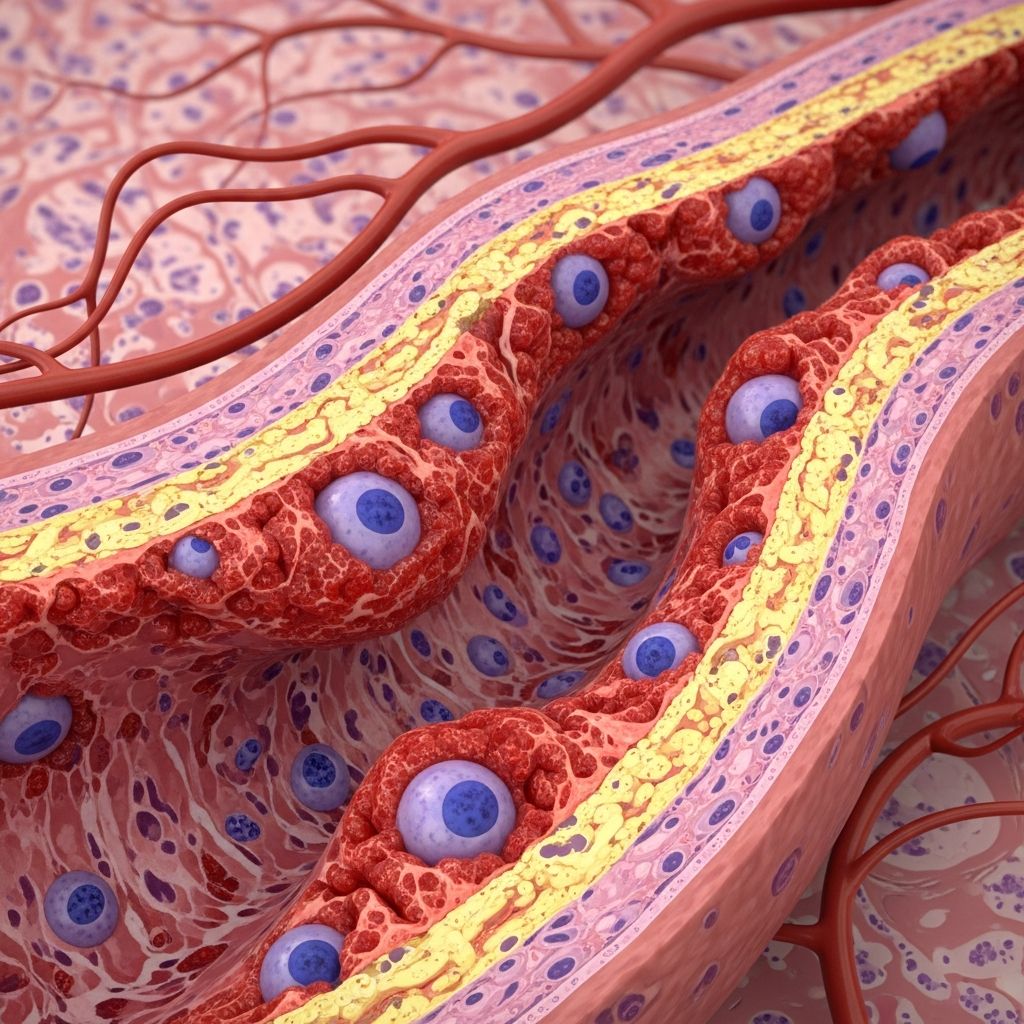
Giant cell arteritis (GCA), also known as temporal arteritis, is an inflammatory disease affecting medium and large arteries, particularly those in the head and neck. This condition triggers the immune system to attack artery walls, leading to swelling that restricts blood flow and can cause severe complications like vision loss if not addressed promptly.
Understanding the Pathophysiology of GCA
The core issue in GCA involves chronic inflammation of the arterial lining, known as the intima. Immune cells infiltrate the vessel walls, forming giant cells—multinucleated cells characteristic of this vasculitis. This process thickens artery walls, narrows the lumen, and reduces oxygen delivery to tissues, especially in the eyes, brain, and scalp.
Arteries most commonly affected include the temporal arteries on the sides of the head, ophthalmic arteries supplying the eyes, and sometimes the aorta and its branches. The inflammation can extend systemically, linking GCA to polymyalgia rheumatica (PMR), where about 50% of patients experience muscle pain and stiffness in the shoulders, neck, and hips.
Who Is at Risk? Demographics and Triggers
GCA predominantly affects individuals over age 50, with peak incidence between 70 and 80 years. Women are two to three times more likely to develop it than men. People of Northern European descent face higher risk, suggesting genetic factors play a role.
While the exact cause remains unknown, environmental triggers like infections may initiate the immune response in genetically susceptible individuals. No definitive genetic markers have been identified, but family history increases likelihood.
Recognizing Early Warning Signs
Symptoms often start subtly, mimicking flu-like illness, before escalating. Key indicators include:
- Persistent headaches: Throbbing pain, usually in temples, worsening over time.
- Scalp tenderness: Sensitivity to touch, especially along temporal arteries.
- Jaw claudication: Pain or fatigue while chewing, due to reduced blood flow.
- Vision disturbances: Blurred vision, double vision, or sudden blindness in one eye.
- Systemic symptoms: Fever, fatigue, weight loss, and loss of appetite.
PMR symptoms overlap in half of cases, featuring morning stiffness lasting over 45 minutes in proximal muscles.
Potential Complications and Urgency
Untreated GCA poses life-altering risks. The most feared is
anterior ischemic optic neuropathy (AION)
, causing irreversible blindness in up to 20% of cases due to optic nerve ischemia.Other dangers include stroke from carotid artery involvement, aortic aneurysms, or scalp ulcers. Early intervention is critical—symptoms often improve within days of treatment, but vision loss is permanent once it occurs.
Diagnostic Approaches: Confirming the Suspicion
Diagnosis combines clinical evaluation, blood tests, imaging, and biopsy. No single test is definitive, but urgency demands starting treatment before full confirmation to avert blindness.
Related Stories



| Test | Purpose | Typical Findings |
|---|---|---|
| Erythrocyte Sedimentation Rate (ESR) | Measures inflammation | Elevated >50 mm/hr, often >100 mm/hr |
| C-Reactive Protein (CRP) | Detects acute inflammation | Markedly elevated |
| Temporal Artery Biopsy | Gold standard for confirmation | Giant cells, inflammation in artery wall |
| Ultrasound | Non-invasive imaging | ‘Halo sign’ around temporal artery |
| MRI/PET-CT | Advanced vessel assessment | Wall thickening, enhancement |
Biopsy remains highly specific, though a negative result doesn’t rule out GCA if clinical suspicion is high.
Standard Treatment Protocols
Corticosteroids like high-dose prednisone (40-60 mg/day orally, or IV methylprednisolone for vision loss) are first-line, providing rapid symptom relief.
Treatment duration spans 1-2 years, with gradual tapering to the lowest effective dose. Relapses during tapering are common, managed by temporary dose increases.
Emerging Therapies Reducing Steroid Reliance
Long-term steroids cause side effects like osteoporosis, diabetes, hypertension, and infections. Newer options include:
- Tocilizumab (Actemra): IL-6 inhibitor biologic; FDA-approved for GCA, sustains remission and cuts steroid exposure.
- Upadacitinib: JAK inhibitor; Phase 3 trials showed ~50% remission rate vs. 30% placebo, minimizing glucocorticoids.
- Methotrexate or Azathioprine: Steroid-sparing agents for relapse prevention or intolerance.
Lifestyle and Supportive Management
Beyond medications, patients benefit from:
- Calcium/vitamin D supplements and bisphosphonates for bone health.
- Low-dose aspirin to reduce ischemic risks.
- Regular monitoring of inflammatory markers and side effects.
- PMR management with physical therapy for stiffness.
Prognosis is excellent with prompt care—most achieve remission within 1-2 years, though relapses occur in 40-60%.
Patient Stories and Real-World Impact
Many patients report life-changing relief post-treatment. One study highlighted rapid headache resolution and vision preservation when steroids started urgently. Emerging drugs like upadacitinib offer hope for steroid-free control, improving quality of life.
FAQs on Giant Cell Arteritis
What is the first sign of giant cell arteritis?
Typically, a new, persistent temple headache.
Can GCA cause blindness?
Yes, in one eye suddenly; treat immediately to prevent.
How long does treatment last?
1-2 years or more, with slow tapering.
Is there a cure for GCA?
No cure, but manageable with medications; good prognosis.
Who should get screened?
Adults over 50 with new headaches, jaw pain, or vision changes.
Prevention and Awareness
No proven prevention exists, but awareness of symptoms in at-risk groups enables early detection. Routine check-ups for older adults with headaches are advisable.
References
- Giant Cell Arteritis – Symptoms, Causes, Types, Diagnosis & Treatment — Premier Medical HV. 2023. https://www.premiermedicalhv.com/divisions/services/giant-cell-arteritis/
- Common medication effective for giant cell arteritis — Penn Medicine. 2023-10-26. https://www.pennmedicine.org/news/common-medication-effective-for-giant-cell-arteritis
- Giant Cell Arteritis — Vasculitis Foundation. 2024. https://vasculitisfoundation.org/education/vasculitis-types/giant-cell-arteritis/
- Giant cell arteritis – Diagnosis and treatment — Mayo Clinic. 2023-11-30. https://www.mayoclinic.org/diseases-conditions/giant-cell-arteritis/diagnosis-treatment/drc-20372764
- Giant Cell Arteritis: Symptoms & Treatment — Massachusetts General Hospital. 2024. https://www.massgeneral.org/medicine/rheumatology/treatments-and-services/giant-cell-arteritis
- Giant cell arteritis – Symptoms and causes — Mayo Clinic. 2023-11-30. https://www.mayoclinic.org/diseases-conditions/giant-cell-arteritis/symptoms-causes/syc-20372758
- The Diagnosis and Treatment of Giant Cell Arteritis — PMC (NCBI). 2013-06-14. https://pmc.ncbi.nlm.nih.gov/articles/PMC3679627/
Similar Articles








Read full bio of medha deb