Giant Cell Tumor: Causes, Symptoms, and Treatment
Understanding giant cell tumors: a comprehensive guide to diagnosis, management, and recovery.
What Is a Giant Cell Tumor?
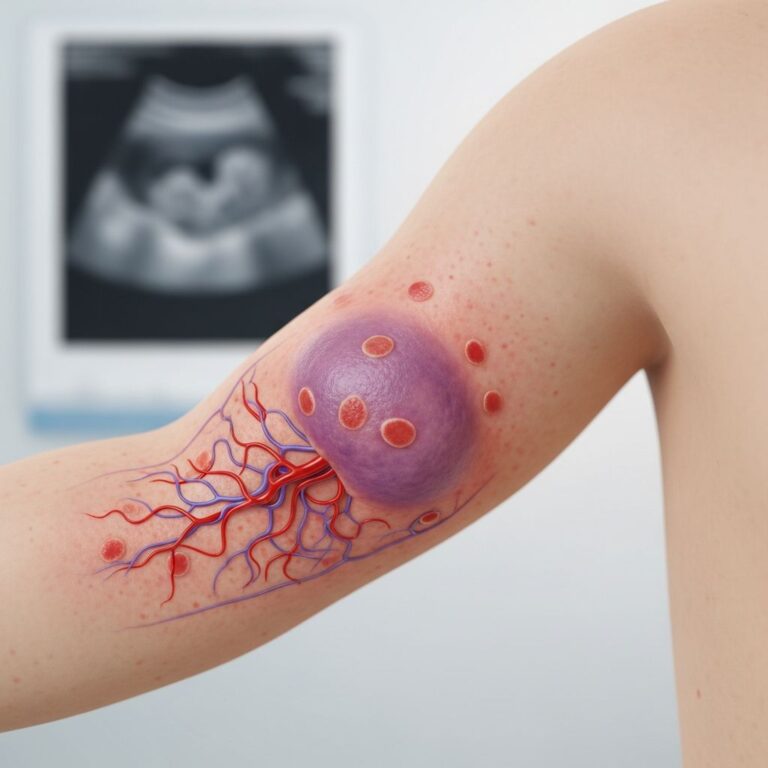
A giant cell tumor (GCT) is a benign but locally aggressive tumor that typically develops near the ends of long bones, especially around the knee joint. Despite being classified as benign, GCTs can be locally destructive and have the potential to recur after treatment. These tumors are most commonly found in adults between the ages of 20 and 40, with a slightly higher prevalence in females.
Causes and Risk Factors
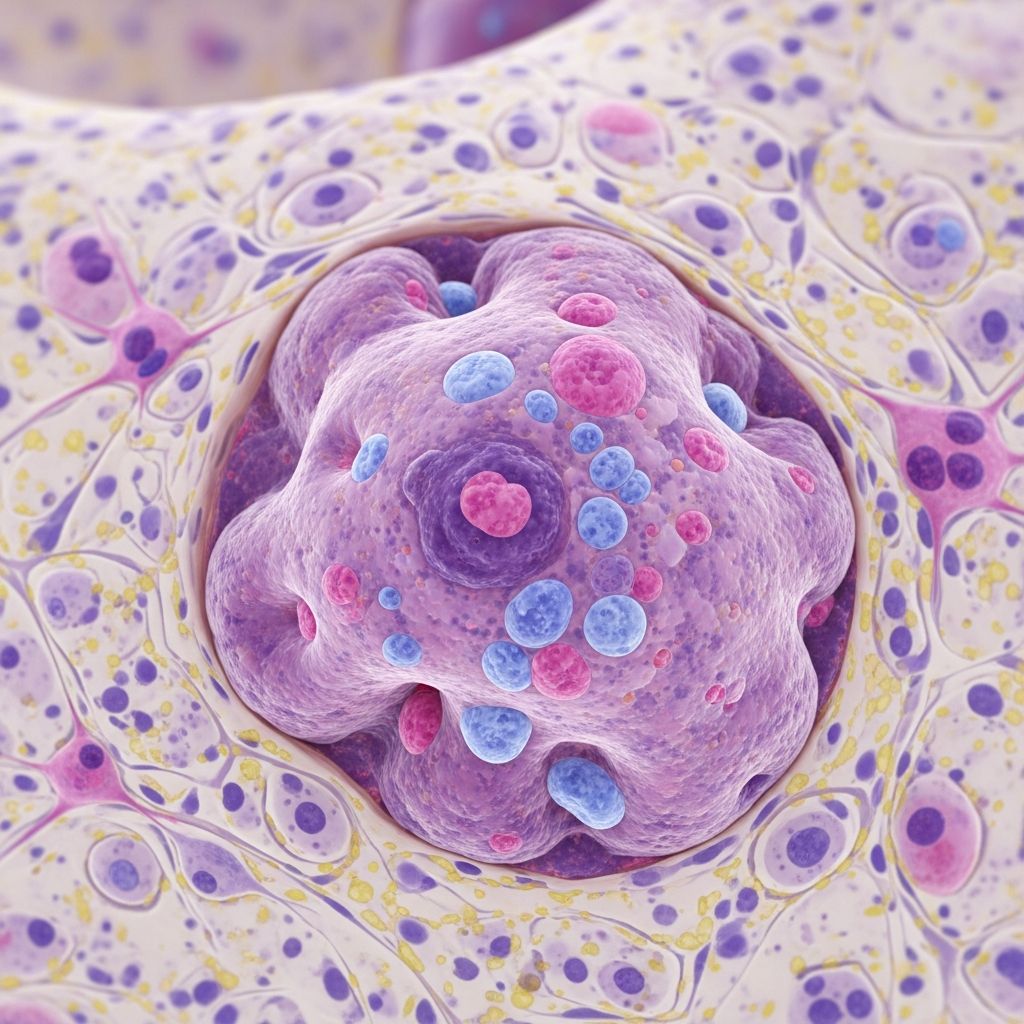
The exact cause of giant cell tumors remains unknown. However, research suggests that overexpression of the RANK/RANKL signaling pathway in neoplastic mononuclear stromal cells leads to the hyperproliferation of osteoclasts, which are responsible for bone resorption. This process results in the formation of large multinucleated osteoclast-like giant cells, a hallmark of GCTs.
- Genetic mutations, such as H3.3p.Gly34, have been identified in some cases.
- There is no strong evidence linking trauma directly to the development of GCTs, but some studies suggest a possible association.
- Secondary malignant transformation is rare but can occur, especially in cases of recurrent or untreated tumors.
Symptoms and Clinical Presentation
Giant cell tumors often present with localized pain and swelling in the affected area. The symptoms may develop gradually and worsen over time. Common signs include:
- Pain, especially at night or during activity
- Swelling or a palpable mass near the joint
- Limited range of motion in the affected limb
- Pathological fractures due to bone weakening
In some cases, patients may experience no symptoms until the tumor has grown significantly or caused a fracture.
Diagnosis
Diagnosing a giant cell tumor involves a combination of imaging studies and histopathological examination. The following diagnostic tools are commonly used:
Imaging Studies
- X-ray: Shows osteolytic or radiolucent lesions with well-defined, non-sclerotic margins. The lesion is often eccentric and located in the epiphysis of a long bone.
- Computed Tomography (CT): Provides detailed images of bone destruction and helps assess the extent of the tumor.
- Magnetic Resonance Imaging (MRI): Reveals the soft tissue involvement and the presence of hemorrhagic areas or fluid-fluid levels, which can suggest aneurysmal bone cyst-like changes.
- Radioluclide Bone Scan: Used to detect the presence and extent of the disease.
Histopathological Examination
A biopsy is essential for confirming the diagnosis. Microscopic examination typically reveals:
- Large multinucleated osteoclast-like giant cells
- Neoplastic mononuclear stromal cells
- Areas of hemorrhage and cystic spaces
- Minimal chronic non-specific inflammation
Differential Diagnosis
Giant cell tumors can be confused with other bone lesions, including:
- Giant cell reparative granuloma
- Brown tumor (associated with hyperparathyroidism)
- Osteoblastoma
- Chondroblastoma
- Non-ossifying fibroma
- Osteosarcoma
Accurate diagnosis relies on a combination of imaging and histopathological findings.
Treatment Options
The primary treatment for giant cell tumors is surgical excision. The choice of surgical approach depends on the size, location, and aggressiveness of the tumor. Common surgical options include:
Related Stories



- Curettage and Bone Grafting: The tumor is scraped out, and the cavity is filled with bone graft material. This is the most common approach for benign GCTs.
- Amputation: Reserved for cases where the tumor is highly aggressive or has caused extensive bone destruction.
- Bone Reconstruction: Used when a significant portion of the bone is removed, requiring reconstruction with prosthetic or autologous bone.
- Radiation Therapy: Considered when surgical excision is not possible or for recurrent tumors.
- Chemotherapy: Rarely used, but may be considered in cases of malignant transformation or when other treatments are not feasible.
Recurrence and Prognosis
The local recurrence rate for giant cell tumors after surgical excision ranges from 2.5% to 45%. Factors that increase the risk of recurrence include:
- Incomplete removal of the tumor
- Aggressive tumor behavior
- Lack of adjuvant therapy (such as bone cement or cryotherapy)
Regular follow-up and monitoring are essential to detect and manage recurrences early. Most patients do well after treatment, with a low risk of metastasis.
Complications and Management
Complications associated with giant cell tumors and their treatment include:
- Pathological fractures
- Infection at the surgical site
- Joint stiffness or limited mobility
- Recurrence of the tumor
Postoperative care is crucial for optimal recovery. Patients may benefit from:
- Physical therapy to restore function and mobility
- Pain management
- Regular imaging to monitor for recurrence
Frequently Asked Questions (FAQs)
Q: Are giant cell tumors cancerous?
A: Giant cell tumors are typically benign but can be locally aggressive. Malignant transformation is rare but possible.
Q: Can giant cell tumors spread to other parts of the body?
A: Metastasis is uncommon, but the tumor can recur locally if not completely removed.
Q: What is the best treatment for a giant cell tumor?
A: Surgical excision, often combined with bone grafting or reconstruction, is the most effective treatment. Adjuvant therapies may be used to reduce the risk of recurrence.
Q: How long does recovery take after surgery?
A: Recovery time varies depending on the extent of the surgery and the patient’s overall health. Physical therapy is often recommended to aid recovery.
Q: Can giant cell tumors come back after treatment?
A: Yes, there is a risk of recurrence, especially if the tumor is not completely removed or if it is particularly aggressive.
References
References
- A Young Male With an Active Giant Cell Tumor: A Case Report — NIH. 2022-11-15. https://pmc.ncbi.nlm.nih.gov/articles/PMC9668326/
- Giant cell tumor of bone. An evaluation of 24 cases treated at the Johns Hopkins Hospital between 1925 and 1955 — PubMed. 1975-01-01. https://pubmed.ncbi.nlm.nih.gov/5774834/
- Giant-cell tumor of bone: An historical perspective — Johns Hopkins Medicine. https://pure.johnshopkins.edu/en/publications/giant-cell-tumor-of-bone-an-historical-perspective-5
Similar Articles








Read full bio of medha deb