Giardiasis: Parasite Risks and Solutions
Understand giardiasis causes, symptoms, diagnosis, effective treatments, and vital prevention steps to protect yourself and loved ones from this common intestinal parasite.
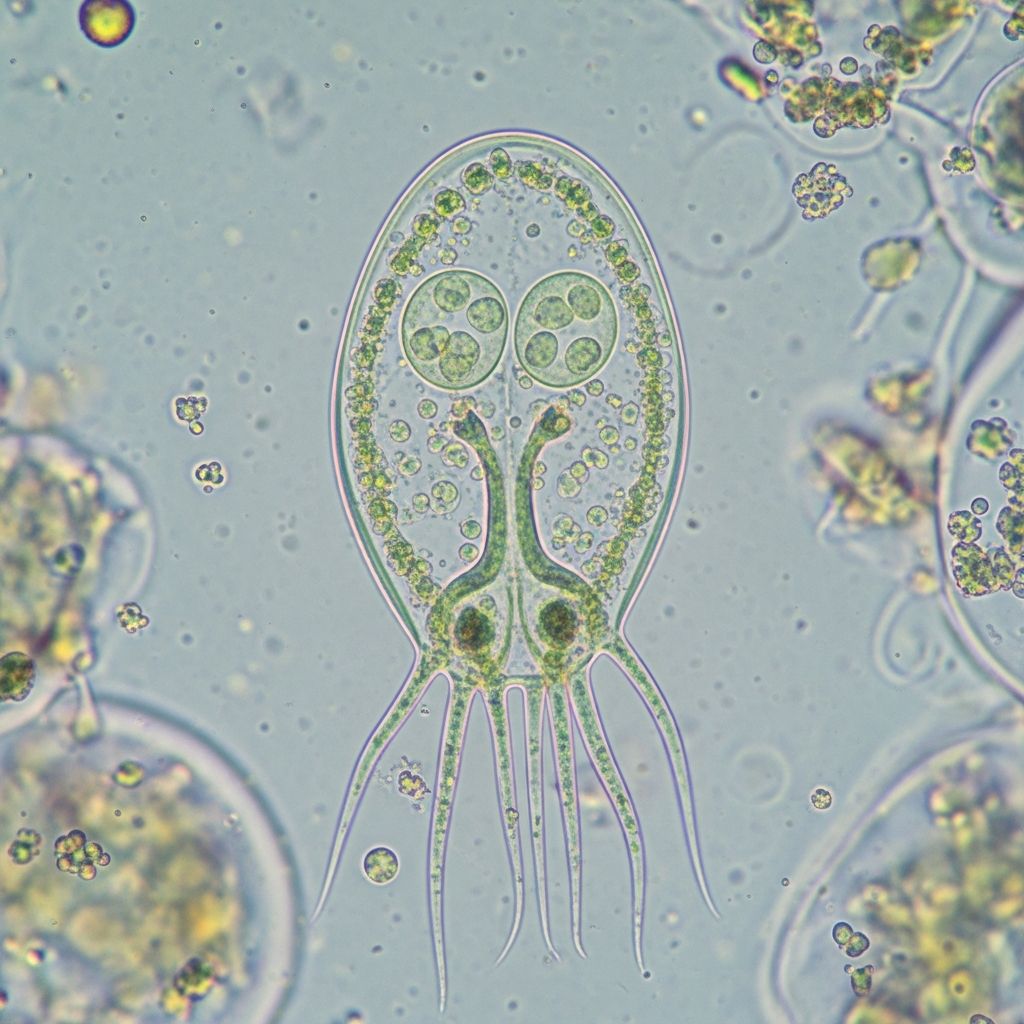
Giardiasis, caused by the protozoan parasite Giardia intestinalis, represents one of the most frequent intestinal infections worldwide, primarily transmitted through contaminated water or food. This condition disrupts normal digestion, leading to a range of gastrointestinal disturbances that can persist if untreated. While many cases resolve spontaneously, prompt recognition and intervention are crucial to mitigate risks like dehydration and nutritional deficits, particularly in vulnerable populations such as young children and immunocompromised individuals.
Unraveling the Nature of Giardia Parasite
The Giardia parasite exists in two main forms: hardy cysts that survive outside the host in water, soil, or on surfaces, and motile trophozoites that attach to the small intestine’s lining once ingested. These trophozoites interfere with nutrient absorption by damaging epithelial cells and brush border enzymes, resulting in malabsorption and the characteristic foul-smelling, greasy stools associated with the infection.
Transmission occurs predominantly via the fecal-oral route, where cysts from infected humans or animals contaminate drinking water, recreational water like pools or lakes, or undercooked foods. Outbreaks often trace back to untreated municipal water supplies, natural water bodies, or poor sanitation in communal settings such as daycares and campsites.
Recognizing Symptoms Across Age Groups
Symptoms typically emerge 1 to 3 weeks post-exposure, though up to 50% of infections remain asymptomatic, allowing silent spread. For symptomatic cases, acute manifestations include:
- Watery, foul-smelling diarrhea occurring 2-5 times daily
- Abdominal cramps and bloating
- Excessive gas and belching
- Nausea, fatigue, and occasional vomiting
- Unintentional weight loss due to malabsorption
In children, symptoms may manifest as recurrent abdominal pain with less prominent diarrhea, heightening risks of growth stunting and developmental delays if chronic. Chronic infections, lasting weeks to months, feature persistent malaise, anorexia, and post-infectious lactose intolerance, where dairy products exacerbate digestive upset.
| Symptom | Acute Phase | Chronic Phase |
|---|---|---|
| Diarrhea | Watery, frequent (90% of cases) | Intermittent, greasy |
| Abdominal Issues | Cramps, bloating (70-75%) | Persistent discomfort |
| Systemic Effects | Fatigue, nausea | Weight loss, malnutrition |
This table highlights symptom evolution, underscoring the need for timely medical evaluation to prevent progression.
High-Risk Groups and Transmission Hotspots
Certain demographics face elevated susceptibility due to lifestyle or physiological factors. International travelers to endemic regions, hikers relying on natural water sources, and daycare attendees top the list. Men who engage in oral-anal sexual practices, individuals with recent antibiotic use disrupting gut flora, and those with hypogammaglobulinemia or young age also show higher incidence.
Household pets, particularly dogs and cats, can serve as reservoirs, facilitating zoonotic spread in close-contact environments. Community outbreaks frequently link to contaminated public pools, where chlorine fails to fully inactivate cysts, or daycare centers with inadequate diaper-changing hygiene.
Diagnostic Approaches for Accurate Identification
Related Stories



Diagnosing giardiasis relies on stool sample analysis, as clinical symptoms overlap with numerous enteric pathogens. The gold standard combines microscopy for cyst/trophozoite visualization with direct fluorescent antibody (DFA) testing for enhanced sensitivity. Antigen detection assays and PCR-based molecular methods offer rapid, precise identification, especially in low-parasite-load cases.
Multiple stool collections over several days may be necessary, as cyst shedding fluctuates. Blood tests generally prove unhelpful, lacking specificity for Giardia. In persistent cases, duodenal aspiration or biopsy confirms trophozoite presence, though rarely required.
- Microscopy + DFA: High specificity, cost-effective
- Antigen Tests: Quick results, suitable for clinics
- PCR: Detects DNA, ideal for outbreaks
Effective Treatment Strategies and Medication Options
Treatment targets symptomatic patients or those at risk of transmission, such as food handlers or immunocompromised contacts. Asymptomatic carriers typically forgo therapy unless household spread is a concern.
First-line options include nitroimidazoles: metronidazole (250mg three times daily for 5-7 days) or single-dose tinidazole (2g), boasting cure rates above 90%. Nitazoxanide, available in liquid form, suits pediatric use (500mg twice daily for 3 days). Alternatives like albendazole or paromomycin address metronidazole failures or pregnancy concerns, with paromomycin preferred in the first trimester due to minimal absorption.
Supportive care emphasizes hydration via oral rehydration solutions, bland diets (BRAT: bananas, rice, applesauce, toast), and probiotics to restore gut balance. Refractory cases may necessitate combination therapy or consultation with infectious disease experts.
| Medication | Dosage (Adults) | Duration | Notes |
|---|---|---|---|
| Metronidazole | 250mg TID | 5-7 days | First-line; avoid alcohol |
| Tinidazole | 2g single dose | 1 day | High efficacy, convenient |
| Nitazoxanide | 500mg BID | 3 days | Child-friendly liquid |
| Albendazole | 400mg daily | 5 days | Alternative for failures |
Complete the full course to prevent recurrence, as partial treatment fosters resistance.
Potential Complications and Long-Term Impacts
Untreated or severe giardiasis invites dehydration, electrolyte imbalances, and malnutrition, critically endangering infants, pregnant individuals, and the elderly. Chronic forms link to failure-to-thrive in children, reactive arthritis, and prolonged lactose intolerance lasting months post-clearance.
Immunocompromised patients risk disseminated infection, while recurrent exposure perpetuates cycles in endemic areas. Post-infectious irritable bowel syndrome occasionally emerges, complicating recovery.
Prevention Tactics for Everyday Protection
Halting transmission hinges on hygiene and water safety. Key measures encompass:
- Boiling or filtering drinking water in high-risk areas (1-minute boil or 1-micron filter)
- Vigorous handwashing with soap post-toilet use, diaper changes, and before meals
- Avoiding untreated surface water for drinking or swimming in known contaminated sites
- Thoroughly washing fruits/vegetables and cooking meats properly
- Pet fecal cleanup and veterinary screening for Giardia
Public health efforts include shocking pools with high chlorine doses and routine water testing in daycares.
Giardiasis in Pets and Zoonotic Concerns
Dogs and cats frequently harbor Giardia, shedding cysts that contaminate yards and homes. Puppies and kittens exhibit profuse diarrhea, necessitating fenbendazole or metronidazole treatment alongside environmental decontamination via steam cleaning and disinfectants. Regular fecal exams prevent human-animal cross-infection, especially in multi-pet households.
Frequently Asked Questions (FAQs)
Can giardiasis resolve without antibiotics?
Yes, many cases self-limit within 2-6 weeks, but treatment accelerates recovery and curbs spread, particularly in symptomatic or high-risk individuals.
Is Giardia contagious from person to person?
Highly so via fecal-oral contact; infectivity peaks during cyst-shedding phases, emphasizing hygiene in shared facilities.
How long does Giardia survive in the environment?
Cysts endure months in cool, moist conditions, resisting standard chlorination, thus requiring physical removal methods.
Should pregnant women treat asymptomatic Giardia?
Typically deferred until post-first trimester; paromomycin offers a safer alternative if needed.
Does Giardia cause permanent damage?
Rarely, but chronic cases can induce lasting malabsorption or intolerance issues; early intervention minimizes risks.
Interprofessional Management for Optimal Outcomes
Effective giardiasis control demands a team approach: primary providers handle initial diagnosis and therapy, pharmacists ensure adherence, nurses stress hydration education, and infectious disease specialists tackle refractory infections. Public health teams investigate outbreaks, promoting community-wide prevention.
References
- Giardiasis – Symptoms, diagnosis and treatment — BMJ Best Practice. 2023. https://bestpractice.bmj.com/topics/en-us/353
- Giardiasis – StatPearls — NCBI Bookshelf. 2023-10-20. https://www.ncbi.nlm.nih.gov/books/NBK513239/
- Giardia infection (giardiasis) – Diagnosis & treatment — Mayo Clinic. 2023. https://www.mayoclinic.org/diseases-conditions/giardia-infection/diagnosis-treatment/drc-20372790
- Giardia: Infection, treatment and prevention — Cornell University College of Veterinary Medicine. 2023. https://www.vet.cornell.edu/departments-centers-and-institutes/riney-canine-health-center/canine-health-topics/giardia-infection-treatment-and-prevention
- About Giardia Infection — Centers for Disease Control and Prevention (CDC). 2023. https://www.cdc.gov/giardia/about/index.html
- Giardia infection (giardiasis) – Symptoms & causes — Mayo Clinic. 2023. https://www.mayoclinic.org/diseases-conditions/giardia-infection/symptoms-causes/syc-20372786
Similar Articles








Read full bio of Sneha Tete