Gilbert’s Syndrome: Understanding This Common Liver Condition
Learn about Gilbert's syndrome, a benign inherited liver condition affecting bilirubin metabolism.
What is Gilbert’s Syndrome?
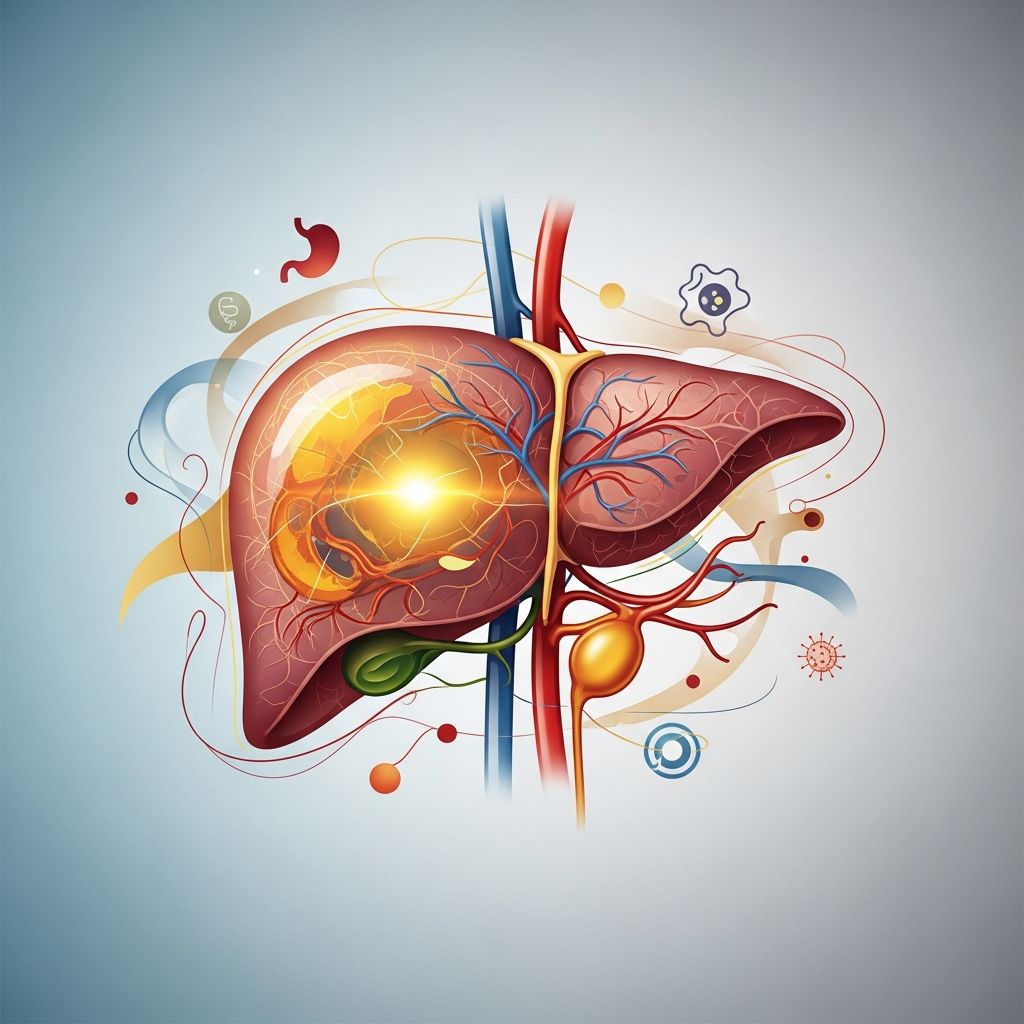
Gilbert’s syndrome is a benign, inherited liver condition characterized by elevated levels of bilirubin in the blood. The condition, pronounced “zheel-BAYR syndrome,” occurs when the liver doesn’t efficiently process bilirubin, a yellowish compound produced during the breakdown of old red blood cells. While this genetic disorder affects approximately 5-10% of the population, many individuals never experience any symptoms and may never know they have the condition.
The key characteristic of Gilbert’s syndrome is the persistent but mild elevation of unconjugated (indirect) bilirubin in the bloodstream. Unlike conjugated bilirubin, which the liver can easily process and excrete, unconjugated bilirubin accumulates in the blood when the enzyme responsible for its metabolism is deficient. This buildup typically remains mild and poses no significant health threat, though it can occasionally cause visible symptoms such as a yellowish tint to the skin and eyes.
Understanding the Genetics and Causes
Gilbert’s syndrome results from a genetic variation in the UGT1A1 gene, which provides instructions for producing the bilirubin uridine diphosphate glucuronosyltransferase enzyme. This enzyme is responsible for conjugating bilirubin, a critical step in the liver’s ability to process and eliminate this waste product. People with Gilbert’s syndrome typically have approximately 30% of the normal enzyme activity, leading to reduced bilirubin metabolism.
The condition is typically inherited in an autosomal recessive pattern, meaning an individual must inherit the affected gene from both parents to develop Gilbert’s syndrome. In some cases, it may follow an autosomal dominant inheritance pattern depending on the type of genetic variant present. Males are diagnosed more frequently than females, and the condition often goes unnoticed until late childhood or early adulthood, sometimes discovered accidentally during routine blood work.
Symptoms of Gilbert’s Syndrome
Many individuals with Gilbert’s syndrome experience no symptoms whatsoever and may remain unaware of their condition throughout their lives. Approximately one-third of people with Gilbert’s syndrome never develop noticeable symptoms. However, when symptoms do appear, they are typically related to elevated bilirubin levels and may include:
- Yellowing of the skin and whites of the eyes (jaundice)
- Dark-colored urine
- Pale or clay-colored stools
- Fatigue and general weakness
- Difficulty concentrating
- Dizziness
- Gastrointestinal issues including abdominal pain and dyspepsia
- Loss of appetite
- Flu-like symptoms
Jaundice in Gilbert’s syndrome doesn’t pose a health risk and typically appears only under specific circumstances. Bilirubin levels may rise during periods of physical stress, fasting, strenuous exercise, emotional stress, illness, or menstruation. For some individuals, jaundice may recur sporadically throughout their lives, while others experience it rarely or not at all.
Diagnosis of Gilbert’s Syndrome
Gilbert’s syndrome is typically diagnosed through clinical findings and laboratory results, with an emphasis on excluding other potential causes of elevated bilirubin levels. The diagnostic process includes several key criteria:
- Elevated unconjugated (indirect) bilirubin levels in the blood, typically between 1-3 mg/dL
- Normal liver enzyme levels (ALT/SGPT and AST/SGOT remain within normal ranges)
- Normal albumin levels
- Absence of signs of liver disease or hemolysis (red blood cell breakdown)
- Genetic testing confirming UGT1A1 gene variants
Many individuals discover they have Gilbert’s syndrome accidentally when routine blood work reveals elevated bilirubin levels. Once diagnosed, it’s important to inform your healthcare provider and any specialists you may see, as this diagnosis has implications for certain medical treatments, particularly chemotherapy.
Related Stories



Distinguishing Gilbert’s Syndrome from Other Conditions
It’s essential to differentiate Gilbert’s syndrome from more serious bilirubin metabolism disorders. Crigler-Najjar syndrome, for example, is a much more severe glucuronyl transferase disorder characterized by 0-10% enzyme activity and poses significant risk of brain damage in infancy or teenage years. Unlike Gilbert’s syndrome, Crigler-Najjar syndrome requires aggressive medical management. Other conditions such as Wilson disease and toxic hepatitis can also cause elevated bilirubin and must be ruled out during the diagnostic process.
Treatment and Management
Gilbert’s syndrome typically requires no specific treatment. The condition is considered benign and does not cause long-term complications or serious health problems. However, certain situations may warrant medical attention or management strategies:
Phenobarbital Medication: In rare cases where jaundice becomes significant and bothersome, phenobarbital may be prescribed. This medication aids in the conjugation of bilirubin and can help reduce bilirubin levels and jaundice symptoms.
Lifestyle Considerations: While no formal dietary restrictions exist for Gilbert’s syndrome, maintaining overall health through proper nutrition, adequate hydration, and stress management may help minimize symptom triggers. Avoiding prolonged fasting and maintaining regular meal schedules can help prevent bilirubin level elevations.
Chemotherapy Considerations: If you have Gilbert’s syndrome and are undergoing chemotherapy treatment, it is crucial to discuss this with your oncologist. Certain chemotherapy drugs are metabolized using the UGT1A1 enzyme, and having reduced enzyme activity may affect drug metabolism and dosing requirements.
Health Benefits Associated with Gilbert’s Syndrome
Interestingly, research has identified several potential protective health benefits associated with Gilbert’s syndrome, likely related to the antioxidant properties of elevated bilirubin:
Cardiovascular Protection: Numerous studies have found significantly decreased risk of coronary artery disease (CAD) and atherosclerotic disease in individuals with Gilbert’s syndrome. People with mildly elevated bilirubin levels (1.1-2.7 mg/dL) demonstrate lower risk for coronary artery disease and future heart disease. This protective effect is attributed to bilirubin IXα, which functions as a potent antioxidant, helping prevent the oxidative stress that contributes to atherosclerosis development.
Respiratory Protection: Research has shown that individuals with Gilbert’s syndrome have decreased rates of chronic obstructive pulmonary disease (COPD) and asthma compared to those with normal bilirubin levels, even among individuals with significant smoking histories.
Reduced Mortality: A comprehensive research study examining over 4,200 people with Gilbert’s syndrome and approximately 22,000 individuals with normal bilirubin levels found that overall mortality rates were significantly decreased in the Gilbert’s syndrome group. The adjusted mortality rate was approximately 50% lower in people with Gilbert’s syndrome, suggesting broader protective health effects.
Potential Health Risks Associated with Gilbert’s Syndrome
While Gilbert’s syndrome is generally considered benign, some research has identified potential increased risks for certain conditions:
- Increased risk of gallstones
- Elevated risk of certain cancers, including breast cancer and colorectal cancer
- Possible increased risk of schizophrenia, though the mechanism remains unclear
The theorized mechanism for increased breast cancer risk involves elevated estrogen levels resulting from decreased metabolism by UDP-glucuronosyltransferase in individuals with Gilbert’s syndrome. However, the clinical significance of these associations remains under investigation and should be discussed with healthcare providers.
Special Considerations in Different Populations
Neonatal Implications: Gilbert’s syndrome has been reported to contribute to accelerated neonatal jaundice onset in newborns. While the syndrome alone cannot cause severe indirect hyperbilirubinemia in infants, it may have a cumulative effect when combined with other factors causing increased red blood cell destruction, such as G6PD deficiency. This situation can be particularly dangerous if not promptly treated, as high serum bilirubin levels can cause kernicterus, resulting in irreversible neurological disability.
Gender Differences: Males are diagnosed with Gilbert’s syndrome more frequently than females, though the biological reason for this difference requires further research.
When to Consult Your Healthcare Provider
While Gilbert’s syndrome itself is not a serious health threat, you should consult your healthcare provider if you experience:
- Unexplained yellowing of the skin or eyes
- Changes in urine color (dark urine)
- Changes in stool color (pale or clay-colored)
- Persistent fatigue or weakness
- Abdominal pain or digestive issues
- Any concerns about your bilirubin levels or diagnosis
It’s also important to inform all your healthcare providers about your Gilbert’s syndrome diagnosis, particularly if you’re considering any medical treatments or taking new medications.
Frequently Asked Questions
Q: Is Gilbert’s syndrome a serious condition?
A: No, Gilbert’s syndrome is a mild, benign condition that does not cause long-term complications or serious health problems. It requires no treatment and poses no significant health threat.
Q: Can Gilbert’s syndrome cause brain damage or neurological problems?
A: Gilbert’s syndrome itself cannot cause brain damage. However, in rare neonatal cases combined with other factors causing severe hyperbilirubinemia, the condition may contribute to complications. This is why newborn jaundice screening is important.
Q: Do I need treatment if I have Gilbert’s syndrome?
A: Typically, no treatment is needed. Gilbert’s syndrome requires no specific medical intervention. However, if jaundice becomes significant or bothersome, your doctor may discuss options such as phenobarbital medication.
Q: Can I pass Gilbert’s syndrome to my children?
A: Yes, Gilbert’s syndrome is an inherited genetic condition. If you have the condition, there is a possibility of passing the gene variants to your children, though they would need to inherit affected genes from both parents to develop the syndrome.
Q: How often should I have my bilirubin levels checked?
A: If you have Gilbert’s syndrome with no symptoms, routine monitoring is typically not necessary. However, discuss with your healthcare provider about appropriate monitoring intervals based on your individual circumstances.
Q: Does diet affect Gilbert’s syndrome?
A: No specific dietary restrictions exist for Gilbert’s syndrome. However, maintaining overall health through proper nutrition and avoiding prolonged fasting may help minimize symptom triggers.
Q: Can stress trigger jaundice in Gilbert’s syndrome?
A: Yes, emotional stress, along with physical stress, fasting, strenuous exercise, and illness, can trigger temporary elevation in bilirubin levels and potentially cause or worsen jaundice.
Conclusion
Gilbert’s syndrome is a common, benign inherited liver condition affecting millions of people worldwide. While characterized by mildly elevated unconjugated bilirubin levels, the condition typically causes no serious health consequences and requires no specific treatment. Many individuals never experience symptoms and may remain unaware of their diagnosis throughout their lives. The condition is often discovered accidentally during routine blood work.
Interestingly, research has revealed potential protective health benefits associated with Gilbert’s syndrome, particularly regarding cardiovascular health and decreased overall mortality rates. These benefits appear related to the antioxidant properties of elevated bilirubin levels. While some potential health risks have been identified, including increased gallstone and cancer risk, the clinical significance of these associations continues to be studied.
If you have been diagnosed with Gilbert’s syndrome or suspect you might have this condition, consult your healthcare provider for appropriate evaluation and discussion. Be sure to inform all your medical providers about your diagnosis, particularly if you’re undergoing chemotherapy or considering medications that require UGT1A1 enzyme metabolism. With proper understanding and appropriate medical guidance, Gilbert’s syndrome can be effectively managed and monitored throughout your life.
References
- Gilbert’s Syndrome: A Genetic Disorder Causing High Bilirubin — Genetic Life Hacks. 2024. https://www.geneticlifehacks.com/gilberts-syndrome/
- Gilbert’s Syndrome — Mayo Clinic. 2024. https://www.mayoclinic.org/diseases-conditions/gilberts-syndrome/symptoms-causes/syc-20372811
- What is Gilbert Syndrome? “Bachelor” Star Joey Graziadei Reveals… — CBS News. 2024. https://www.cbsnews.com/news/gilbert-syndrome-symptoms-treatment-bachelor-star-joey-graziadei/
- Bilirubin Test: Understanding High vs. Low Levels & Causes — Cleveland Clinic. 2024. https://my.clevelandclinic.org/health/diagnostics/17845-bilirubin
- Gilbert’s Syndrome: What it is, Causes, & Symptoms — The Prescriptive Jurist. 2024. https://theprescriptivejurist.com/gilberts-syndrome-what-it-is-causes-symptoms
Similar Articles








Read full bio of medha deb