Gin Health Benefits: 5 Evidence-Based Perks To Consider
Discover the potential health perks of gin, from juniper antioxidants to heart health, while emphasizing moderation.
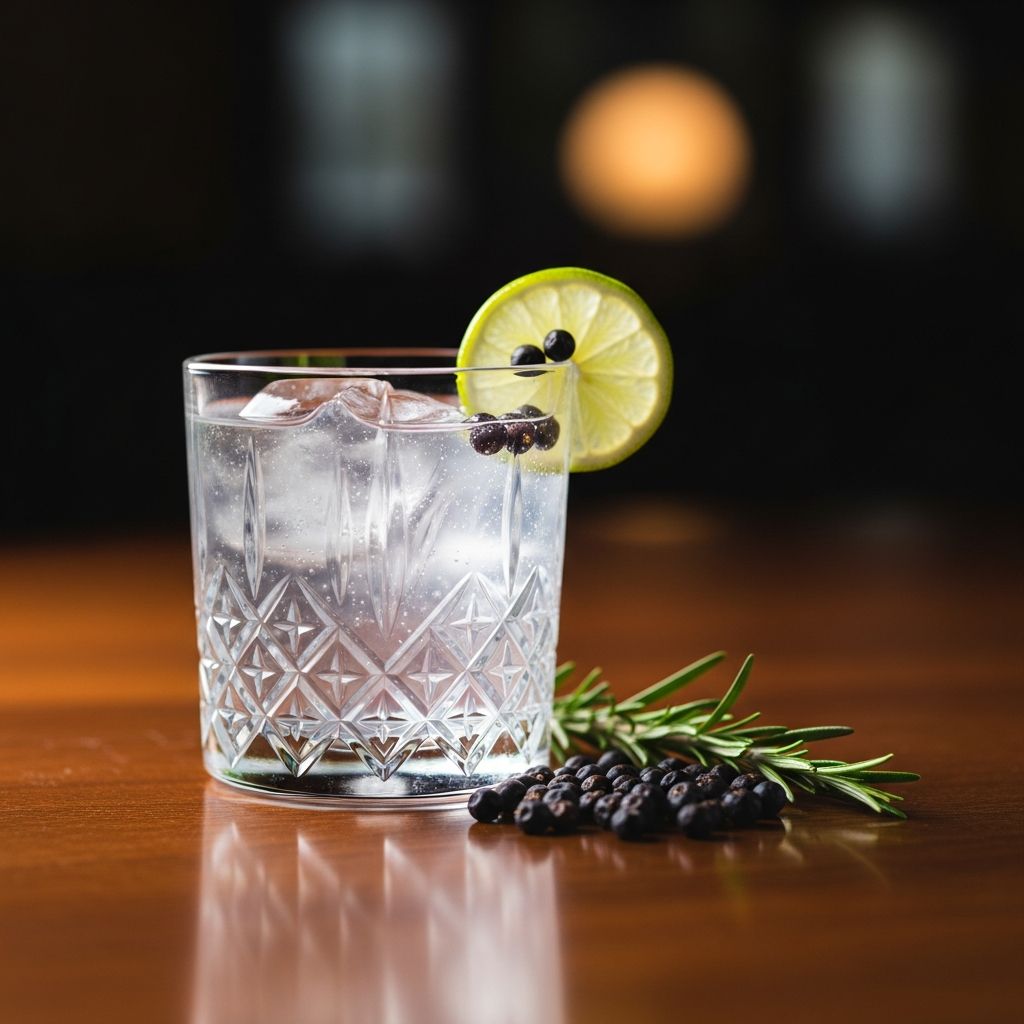
Gin, a distilled spirit primarily flavored with juniper berries, offers a unique nutritional profile and potential health advantages when enjoyed in moderation. Unlike beer or wine, gin is low in calories, carbs, and sugars, making it an appealing choice for health-conscious drinkers. Its key ingredient, juniper berries, is rich in antioxidants that may support skin health, digestion, and more. However, benefits are tied to light consumption, as excessive alcohol poses risks.
What Is Gin?
Gin is a clear spirit made by distilling neutral grains or malt and infusing it with juniper berries and other botanicals. Originating in the Netherlands in the 17th century as jenever, it evolved into the London dry style popularized in England. Today, gins vary from classic to craft varieties with flavors like citrus, herbs, and spices. The hallmark is juniper, which imparts a piney, resinous taste and contributes potential health properties.
Production involves redistilling a neutral base spirit with botanicals in a process called maceration or vapor infusion. Alcohol content typically ranges from 37.5% to 50% ABV (alcohol by volume). Unlike flavored vodkas, gin’s botanicals must include juniper for authenticity under regulations like those from the EU and ATF.
Gin Nutrition Facts
A standard 1.5-ounce (44 ml) shot of 80-proof gin provides minimal nutrition but is advantageous compared to sweeter alcohols. Here’s a breakdown based on USDA data:
| Nutrient | Amount per 1.5 oz Shot |
|---|---|
| Calories | 97-110 |
| Carbohydrates | 0g |
| Sugars | 0g |
| Protein | 0g |
| Fat | 0g |
| Alcohol | 14g |
Gin’s zero-carb, zero-sugar profile stems from its distillation process, which removes fermentable sugars. Trace minerals like potassium, phosphorus, iron, and zinc exist from botanicals but in negligible amounts for nutritional value. Calories derive solely from alcohol (7 kcal per gram). Mixers like tonic can add 20-30g sugar per serving, so opt for diet or soda water.
Potential Health Benefits of Gin
While no spirit is a health food, moderate gin consumption (1 drink/day for women, 1-2 for men) links to benefits from alcohol generally and juniper specifically. Evidence is preliminary; juniper antioxidants may not fully survive distillation.
1. Antioxidant Boost from Juniper Berries
Juniper berries, gin’s star botanical, are antioxidant powerhouses. These dark purple berries contain flavonoids, terpenes, and vitamin C, combating oxidative stress. A 2019 Heliyon review highlights their anti-inflammatory effects, potentially aiding skin health by reducing free radicals that cause wrinkles and damage.
- Skin benefits: Antioxidants promote collagen, improve elasticity, and fight acne via antimicrobial properties.
- Anti-aging: Enhanced blood flow and toxin removal may extend lifespan indicators.
Studies on juniper extracts (not gin directly) show promise for rheumatoid arthritis and cancer prevention, though human trials are limited.
2. Supports Digestion
Traditionally, gin serves as an aperitif in cultures like Italy and the UK, priming digestion. Juniper stimulates gastric juices, relieves bloating, gas, and ulcers per the Heliyon review. Its carminative effects ease IBS symptoms and promote regular bowel movements.
- Diuretic properties reduce water retention.
- Anti-spasmodic action soothes gut cramps.
Anecdotal use includes gin for stomach upset, backed by juniper’s ethnobotanical history.
Related Stories



3. Heart Health
Moderate alcohol, including gin, correlates with lower cardiovascular risk via HDL cholesterol increase and blood thinning. Harvard’s Nutrition Source notes protection against coronary disease, heart failure, and ischemic stroke.
Juniper may lower blood pressure and improve circulation. One study found gin and red wine similarly reduced atherosclerosis markers, though not significantly. A J-curve effect applies: light drinking benefits, heavy harms.
4. Diabetes Management
Gin’s zero glycemic index (GI) makes it suitable for blood sugar control. No carbs mean no spikes; tonic adds minimal if low-sugar. ADA advises moderation to avoid hypoglycemia.
Moderate intake links to lower type 2 diabetes risk per epidemiological data, possibly via improved insulin sensitivity.
5. Stress Reduction and Bone Health
Alcohol relaxes via GABA enhancement; studies since the 1980s confirm moderate drinking cuts stress hormones post-event. Juniper supports bone density via anti-inflammatory action, potentially preventing osteoporosis.
Health Risks and Considerations
Excess gin leads to liver damage, addiction, cancer, and immune suppression. Chronic use raises cortisol, worsening anxiety. Diabetics risk lows; pregnant individuals must abstain.
Guidelines: CDC recommends ≤1 drink/day women, ≤2 men. One drink = 1.5 oz spirits. Polyphenol-poor gin lags behind red wine; swap for antioxidants if possible.
How to Enjoy Gin Responsibly
- Neat or on rocks: Preserves low-cal nature.
- Mixers: Soda, diet tonic, cucumber for hydration.
- Cocktails: Gin & tonic, martini, negroni—limit sugars.
- Pairings: With light meals to slow absorption.
Hydrate, eat, and track intake via apps.
FAQs
Is gin healthier than other alcohols?
It’s lower in calories/sugars than beer/wine but lacks polyphenols. Moderation matters most.
Can gin help with weight loss?
Low-cal yes, but alcohol halts fat burn. Limit to 1-2 servings.
Does juniper in gin survive distillation?
Some antioxidants do, but less than fresh berries. Benefits are modest.
Is gin good for diabetics?
Sugar-free yes, but monitor blood sugar and mixers. Consult doctor.
How much gin is moderate?
1 drink (1.5 oz) women, 2 men daily max.
Bottom Line
Gin offers intriguing benefits from juniper—like digestion aid, skin support, and heart perks—but shines in moderation. Prioritize whole foods over spirits; consult professionals for health advice.
References
- 4 Reasons Gin Might Be Good For Your Health — Deeliver. 2023. https://www.deeliver.co.za/blogs/deeliver/4-reasons-gin-might-be-good-foryour-health
- Gin Nutrition Facts: Is It Safe And Healthy To Drink? — Advanced Mixology. 2024. https://advancedmixology.com/blogs/art-of-mixology/gin-nutrition-facts
- Gin: Are There Health Benefits? — WebMD. 2023-10-15. https://www.webmd.com/diet/gin-health-benefits
- Alcohol: Balancing Risks and Benefits — Harvard T.H. Chan School of Public Health. 2024. https://nutritionsource.hsph.harvard.edu/healthy-drinks/drinks-to-consume-in-moderation/alcohol-full-story/
- 4 Reasons Drinking Gin Might Be Good for Your Health — AOL. 2023. https://www.aol.com/4-reasons-drinking-gin-might-172849538.html
Similar Articles








Read full bio of medha deb