Ginger Benefits: Health, Wellness, and Prevention
Discover the science-backed health benefits of ginger for inflammation, digestion, and wellness.
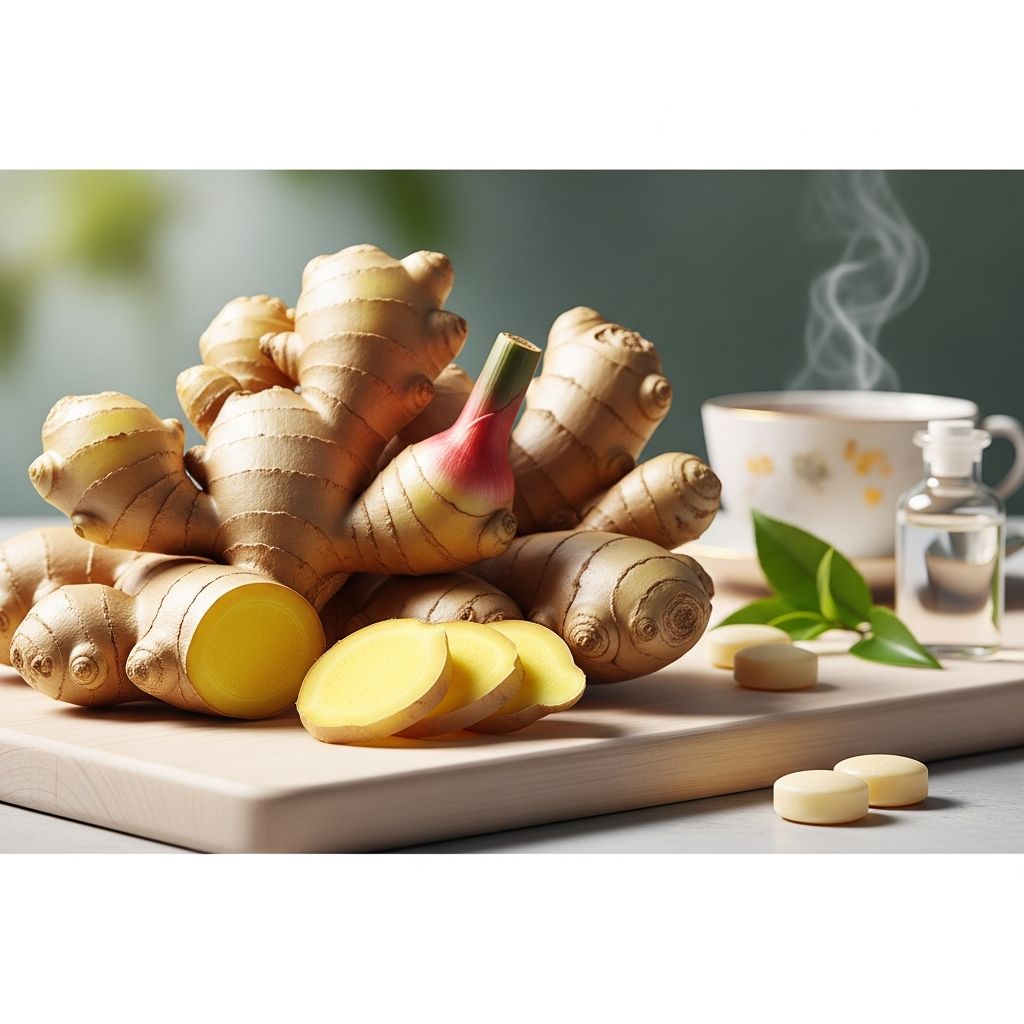
Ginger, the rhizome of the Zingiber officinale plant, has been used in traditional medicine for thousands of years across Asian, Indian, and Middle Eastern cultures. Today, modern scientific research validates what ancient healers have long known: ginger is a powerful botanical ally for health and wellness. From reducing inflammation to supporting digestive function, ginger offers a remarkable range of benefits that make it a valuable addition to any health-conscious lifestyle.
What is Ginger?
Ginger is the underground stem, or rhizome, of a flowering plant native to Southeast Asia. This distinctive root has a warm, slightly spicy flavor and aroma that comes from its active compounds, particularly gingerols and shogaols. These bioactive constituents are responsible for many of ginger’s therapeutic properties. Available in multiple forms—fresh root, dried powder, supplements, teas, and extracts—ginger offers versatile options for incorporating its benefits into daily wellness routines.
Anti-Inflammatory Properties
One of ginger’s most well-documented benefits is its potent anti-inflammatory action. Research has shown that ginger contains constituents with pharmacological properties similar to non-steroidal anti-inflammatory drugs (NSAIDs). Unlike conventional NSAIDs, however, ginger works through multiple mechanisms to reduce inflammation throughout the body.
At the molecular level, ginger suppresses prostaglandin synthesis by inhibiting cyclooxygenase-1 and cyclooxygenase-2 enzymes. More importantly, ginger also suppresses leukotriene biosynthesis by inhibiting 5-lipoxygenase, a pharmacological property that distinguishes it from NSAIDs. This dual inhibitory action means ginger can address inflammation through multiple pathways simultaneously, potentially offering a better therapeutic profile with fewer side effects than conventional anti-inflammatory medications.
Additionally, ginger extract has been shown to inhibit the induction of genes involved in inflammatory response, including those encoding cytokines, chemokines, and inducible cyclooxygenase-2. This gene-modulating capability demonstrates that ginger can modulate biochemical pathways activated in chronic inflammation, making it particularly valuable for managing long-term inflammatory conditions.
Conditions Benefiting from Ginger’s Anti-Inflammatory Effects
The anti-inflammatory properties of ginger make it useful for managing various health conditions:
- Arthritis and Joint Pain: Ginger’s ability to reduce inflammation and inhibit inflammatory mediators makes it beneficial for individuals with osteoarthritis and rheumatoid arthritis, potentially decreasing pain and improving mobility.
- Muscle Soreness: Athletes and active individuals may benefit from ginger’s anti-inflammatory properties when used after exercise to support recovery and reduce delayed-onset muscle soreness.
- General Inflammatory Conditions: Any condition characterized by chronic inflammation may benefit from ginger’s multi-pathway anti-inflammatory mechanisms.
Digestive Health Support
Beyond inflammation, ginger is renowned for its profound effects on digestive health. The root has traditionally been used to support gastrointestinal function, and modern research confirms its effectiveness in promoting optimal digestion.
Ginger stimulates digestive secretions and enhances gastric motility—the movement of food through the digestive tract. By improving the efficiency of digestion, ginger helps optimize nutrient absorption and reduces the likelihood of gastrointestinal distress. The root also contains compounds that promote beneficial bacteria in the gut microbiome, supporting a healthy digestive ecosystem essential for overall wellness.
For individuals experiencing digestive sluggishness, bloating, or general gastrointestinal discomfort, ginger offers a natural approach to restoring digestive balance. Regular consumption, whether through fresh ginger in cooking, ginger tea, or supplements, can help maintain healthy digestive function and support nutrient absorption.
Related Stories



Nausea Relief
Perhaps one of ginger’s most celebrated applications is its effectiveness in alleviating various forms of nausea. Whether related to motion sickness, morning sickness during pregnancy, chemotherapy side effects, or general gastrointestinal upset, ginger has demonstrated remarkable efficacy.
The mechanisms behind ginger’s anti-nausea effects involve its action on the digestive system and the nervous system. Gingerols and shogaols interact with serotonin receptors and the muscarinic receptors in the digestive tract, helping to regulate nausea signals. For pregnant women seeking natural alternatives to conventional anti-nausea medications, ginger is considered a safe and effective option when used appropriately.
Ginger’s effectiveness for motion sickness has been particularly well-studied, with many travelers finding that ginger supplements or ginger candies taken before travel significantly reduce symptoms of nausea and dizziness. Similarly, individuals undergoing chemotherapy have reported reduced nausea when incorporating ginger into their wellness routine.
Powerful Antioxidant Properties
Ginger is rich in antioxidants, compounds that protect cells from damage caused by free radicals. Free radical damage contributes to aging, inflammation, and various chronic diseases. The antioxidants in ginger, particularly gingerols and shogaols, neutralize these harmful molecules, protecting cellular health and supporting longevity.
The antioxidant content in ginger means it supports the body’s natural defense mechanisms and may help prevent oxidative stress-related diseases. Regular consumption of ginger contributes to a comprehensive antioxidant defense system, complementing other antioxidant-rich foods in a balanced diet.
Immune System Support
The combination of ginger’s anti-inflammatory and antioxidant properties makes it a valuable ally for immune health. By reducing chronic inflammation that can suppress immune function and providing antioxidant protection, ginger supports the body’s natural defense systems.
The warming properties of ginger also promote circulation and may support lymphatic drainage, both important for optimal immune function. Many traditional wellness practices incorporate ginger into cold and flu prevention protocols, and modern research increasingly supports these traditional uses.
Brain Health and Cognitive Function
Emerging research suggests that ginger may support cognitive health and brain function. The anti-inflammatory and antioxidant properties of ginger extend to the brain, where chronic inflammation and oxidative stress contribute to cognitive decline and neurodegenerative conditions.
Gingerols have been shown to cross the blood-brain barrier and may protect against neuroinflammation. Some studies suggest that ginger may support memory, attention, and overall cognitive performance, though more research is needed to fully establish these benefits in humans.
How to Incorporate Ginger into Your Wellness Routine
Ginger’s versatility makes it easy to include in daily wellness practices. Here are practical ways to harness ginger’s benefits:
- Fresh Ginger: Add fresh ginger slices or grated root to cooking, smoothies, teas, or hot water for immediate benefits.
- Ginger Tea: Steep fresh ginger or ginger tea bags in hot water with honey and lemon for a comforting, therapeutic beverage.
- Supplements: Ginger capsules, tablets, or powder provide concentrated benefits in convenient forms.
- Ginger Candies or Lozenges: Particularly useful for traveling or managing nausea on-the-go.
- Cooking: Incorporate ginger into curries, stir-fries, soups, and other dishes for both flavor and health benefits.
Recommended Dosage and Safety Considerations
While ginger is generally safe for most people, understanding appropriate dosages ensures optimal benefits and minimizes potential side effects. Typical recommendations include:
- Fresh Ginger: 1-2 teaspoons of fresh grated ginger daily
- Dried Ginger Powder: 1-2 grams daily
- Ginger Extract: Follow product-specific recommendations
Pregnant women should consult healthcare providers before using ginger, though it is generally considered safe in moderate amounts. Individuals taking blood thinners, those with bleeding disorders, or those with upcoming surgery should discuss ginger use with their healthcare provider, as ginger may have mild anticoagulant properties. Additionally, some people may experience mild gastrointestinal upset if consuming excessive amounts of ginger.
Frequently Asked Questions
Q: Is ginger safe to take daily?
A: Yes, ginger is safe for most people to consume daily in moderate amounts. Typical daily intake ranges from 1-2 grams of dried ginger powder or 1-2 teaspoons of fresh ginger. However, individuals with specific health conditions or those taking medications should consult their healthcare provider.
Q: Can ginger help with weight management?
A: While ginger supports digestive health and metabolism, it is not a weight loss solution on its own. Ginger may support weight management efforts when combined with a healthy diet and regular exercise by promoting satiety and supporting digestive efficiency.
Q: Is fresh ginger better than ginger powder?
A: Both forms offer benefits, but they differ slightly. Fresh ginger contains higher levels of gingerols, while dried ginger contains more shogaols, which form during the drying process. Both compounds are therapeutically active, making both forms valuable.
Q: Can ginger interact with medications?
A: Ginger may interact with blood thinners and certain other medications. If you take prescription medications, especially anticoagulants or anti-inflammatory drugs, consult your healthcare provider before adding ginger supplements to your routine.
Q: How long does it take to experience ginger’s benefits?
A: Some benefits, like nausea relief, may occur within hours of consumption. Anti-inflammatory effects typically develop over days to weeks of consistent use. Long-term benefits accumulate with regular incorporation into your wellness routine.
Q: Is ginger effective for all types of nausea?
A: Ginger is most effective for motion sickness, morning sickness, and digestive-related nausea. While it may help with other forms of nausea, effectiveness varies by individual. For severe nausea related to medical conditions, consult a healthcare provider.
References
- Ginger – An herbal medicinal product with broad anti-inflammatory and anti-oxidant effects — Johns Hopkins University School of Medicine, Pure Research Repository. 2005. https://pure.johnshopkins.edu/en/publications/ginger-an-herbal-medicinal-product-with-broad-anti-inflammatory-a-3
Similar Articles








Read full bio of Sneha Tete