Gingival Enlargement: Causes, Symptoms, And Treatment Guide
Comprehensive guide to gingival enlargement: causes, symptoms, diagnosis, and effective treatment strategies for healthier gums.
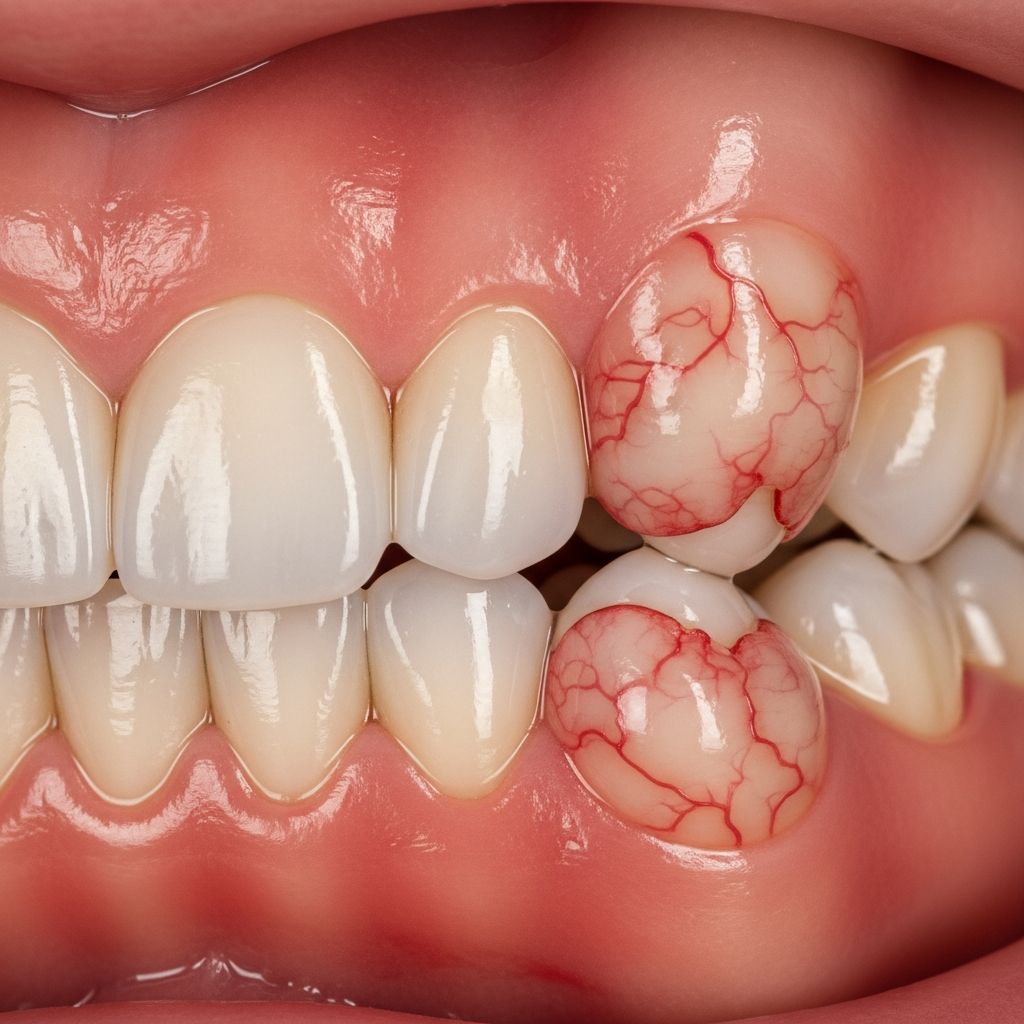
Gingival enlargement, also known as gingival hyperplasia or gum overgrowth, refers to an increase in the size of the gingiva (gums) that may be localised or generalised. This condition can cause discomfort, interfere with speech or chewing, lead to halitosis (bad breath), and appear unsightly. It often results from inflammation (gingivitis), medications, genetics, or systemic diseases, requiring prompt dental evaluation for management.
What is the cause of gingival enlargement?
In many cases, the precise cause of gingival enlargement remains unknown, but it frequently links to identifiable factors such as poor oral hygiene, medications, or underlying health conditions. The affected tissue may present as inflamed or non-inflamed, each with distinct characteristics and etiologies.
Inflamed gingival enlargement (gingivitis)
Inflamed gingival enlargement typically manifests as gingivitis, where gums appear red, soft, shiny, and bleed easily. This form can be localised (affecting specific areas) or generalised (widespread). It primarily stems from plaque accumulation due to inadequate oral hygiene, leading to bacterial irritation and inflammation.
Specific causes of gingivitis-induced enlargement include:
- Poor oral hygiene: Plaque and calculus buildup irritates gums, causing swelling.
- Mouth breathing: Chronic mouth breathing dries the gums, promoting inflammation.
- Orthodontic appliances: Braces or retainers trap food and plaque, exacerbating gum swelling.
- Dental plaque and calculus: Hardened plaque irritates gingival tissues.
- Infection: Bacterial or viral infections contribute to inflammatory overgrowth.
- Trauma or irritation: From ill-fitting dentures or aggressive brushing.
This inflammatory type responds well to improved hygiene and professional cleanings, often reversing without surgery.
Non-inflamed gingival enlargement
Non-inflamed gingival enlargement presents as darker red or purple tissue, which may be soft and bleeding-prone or firm and fibrous. It commonly affects individuals with poor dental hygiene and links to medication use or genetic factors. Unlike inflamed types, it involves fibrous proliferation less responsive to hygiene alone.
Key causes include:
- Drugs: Anticonvulsants (e.g., phenytoin), calcium channel blockers (e.g., nifedipine), immunosuppressants (e.g., cyclosporine).
- Sarcoidosis: Granulomatous inflammation leads to firm gingival swelling.
- Neoplasms: Benign (e.g., fibroma) or malignant growths causing localised enlargement.
- Gingival fibromatosis: Hereditary overgrowth covering teeth, often requiring surgery.
- Systemic conditions: Leukemia, hormonal changes (e.g., pregnancy), or genetic predispositions.
Medication-induced cases disrupt cellular metabolism in gums, leading to overgrowth within 2-4 months of starting therapy. Genetic forms like gingival fibromatosis cause excessive healthy tissue growth.
Who gets gingival enlargement?
Gingival enlargement affects individuals across ages but is more prevalent in those with risk factors like medication use, poor hygiene, or orthodontic treatment. Children and adolescents undergoing braces therapy commonly experience localised inflammatory overgrowth. Adults on anticonvulsants, antihypertensives, or post-transplant immunosuppressants face higher risks for drug-induced forms.
- Prevalence peaks in orthodontic patients (up to 50% with braces).
- Medication users: 20-40% on phenytoin or cyclosporine develop overgrowth.
- Genetic cases often appear in infancy or puberty.
- Pregnant individuals due to hormonal shifts.
Related Stories



Males may show higher susceptibility to severe fibrotic types, while poor hygiene universally increases risk.
What are the signs and symptoms of gingival enlargement?
Symptoms vary by type but commonly include aesthetic concerns, functional issues, and discomfort. Inflamed gums feel tender and bleed during brushing; non-inflamed types cause mechanical problems like food trapping.
| Type | Appearance | Symptoms |
|---|---|---|
| Inflamed | Red, soft, shiny | Bleeding, pain, halitosis |
| Non-inflamed | Purple/firm, fibrous | Food impaction, speech/chewing difficulty, tooth coverage |
- Discomfort or pain: Especially with inflamed types.
- Interference with speech/chewing: Overgrown tissue hinders function.
- Halitosis: Due to trapped debris and bacteria.
- Aesthetic issues: Unsightly swelling affects smile.
- Bleeding gums: Common in poor hygiene cases.
- Tooth coverage: Severe cases hide crowns, complicating cleaning.
How is gingival enlargement diagnosed?
Diagnosis begins with a clinical oral exam assessing location, texture, colour, and extent of enlargement. Dentists probe gingival pockets and review medical history for medications or systemic diseases.
- Patient history: Medication list, hygiene habits, systemic conditions.
- Clinical exam: Visual inspection, palpation, bleeding on probing.
- Radiographs: To rule out bone involvement or neoplasms.
- Biopsy: For suspicious lesions to exclude malignancy.
- Blood tests: If systemic causes like leukemia suspected.
Differential diagnosis distinguishes inflammatory from fibrotic or neoplastic types.
What is the treatment for gingival enlargement?
Treatment targets the underlying cause, combining hygiene, professional care, and surgery if needed. Early intervention prevents progression.
General measures
Improved oral hygiene reduces inflammation:
- Regular brushing, flossing, antimicrobial mouthwashes.
- Professional scaling and root planing to remove plaque/calculus.
- Avoid irritants like tobacco.
Cause-specific treatments
- Drug-induced: Discontinue or switch medications under medical supervision; hygiene optimisation.
- Inflammatory: Deep cleanings often reverse swelling.
- Surgical: Gingivectomy (tissue removal) or gingivoplasty (reshaping) for severe cases; laser options available.
- Genetic/systemic: Surgical contouring, monitor for recurrence; treat underlying disease.
Post-surgery, rigorous hygiene prevents regrowth. Recurrence common in medication cases without adjustments.
How can gingival enlargement be prevented?
Prevention focuses on risk factor mitigation:
- Maintain excellent oral hygiene: Brush twice daily, floss, use interdental aids.
- Regular dental visits for cleanings and early detection.
- Monitor medications: Inform dentist of new drugs.
- Orthodontic patients: Enhanced cleaning around appliances.
- Manage systemic conditions promptly.
Frequently Asked Questions (FAQs)
Is gingival enlargement painful?
Inflamed types cause pain and bleeding; non-inflamed fibrous growths are often painless but cause functional issues.
Can gingival enlargement go away on its own?
Inflammatory cases may resolve with better hygiene; drug-induced or genetic forms typically require intervention.
How long does gingival enlargement take to develop?
Drug-induced signs appear in 2-4 months; inflammatory from ongoing poor hygiene.
Does gingival enlargement affect teeth?
Yes, it traps plaque, increasing decay and periodontitis risk; severe cases cover crowns.
Is surgery always needed for gingival enlargement?
No, hygiene and cleanings suffice for mild inflammatory cases; surgery for persistent or severe overgrowth.
References
- Medication-Induced Gingival Enlargement: Causes and Treatments — East Cooper Smiles. 2023-approx. https://www.eastcoopersmiles.com/blog/medicationinduced-gingival-enlargement-causes-treatments/46640
- Understanding And Managing Gingival Hyperplasia: Causes, Symptoms, and Treatment Options — Dreamworks Dental Fort Worth. 2023-approx. https://dreamworksdentalfortworth.com/understanding-and-managing-gingival-hyperplasia-causes-symptoms-and-treatment-options/
- Gingival enlargement — DermNet NZ. 2024-approx. https://dermnetnz.org/topics/gingival-enlargement
- What Is Gum Enlargement and How Is It Treated — Magnolia Dentistry. 2023-approx. https://www.magnoliadentistry.com/blog/what-is-gum-enlargement-and-how-is-it-treated/
- All You Need To Know About Gingival Enlargement in Fitchburg — Mendota Springs Dentistry. 2023-approx. https://www.mendotaspringsdentistry.com/blogs/gingival-enlargement-causes
- Gingival Enlargement — American Academy of Oral Medicine (AAOM). 2023-approx. https://www.aaom.com/index.php?option=com_content&view=article&id=132:gingival-enlargement&catid=22:patient-condition-information&Itemid=120
- Gingival enlargements: Differential diagnosis and review of literature — PMC (NCBI). 2015-09-11. https://pmc.ncbi.nlm.nih.gov/articles/PMC4568527/
Similar Articles








Read full bio of medha deb