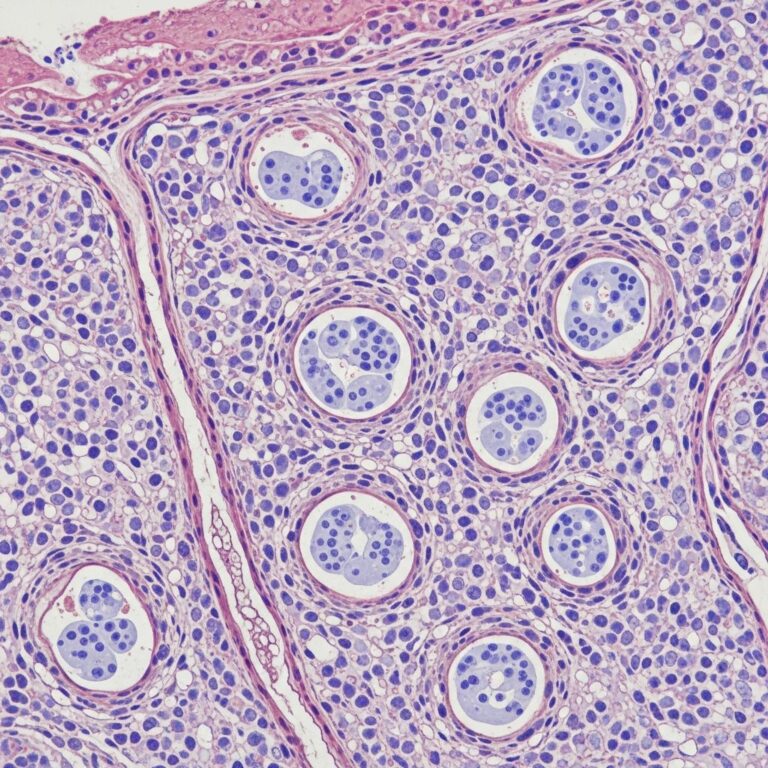
Gingival Hyperplasia: Symptoms, Causes & Treatment
Understand gum overgrowth: causes, symptoms, and effective treatment options for healthier gums.
Understanding Gingival Hyperplasia: A Complete Guide to Gum Overgrowth
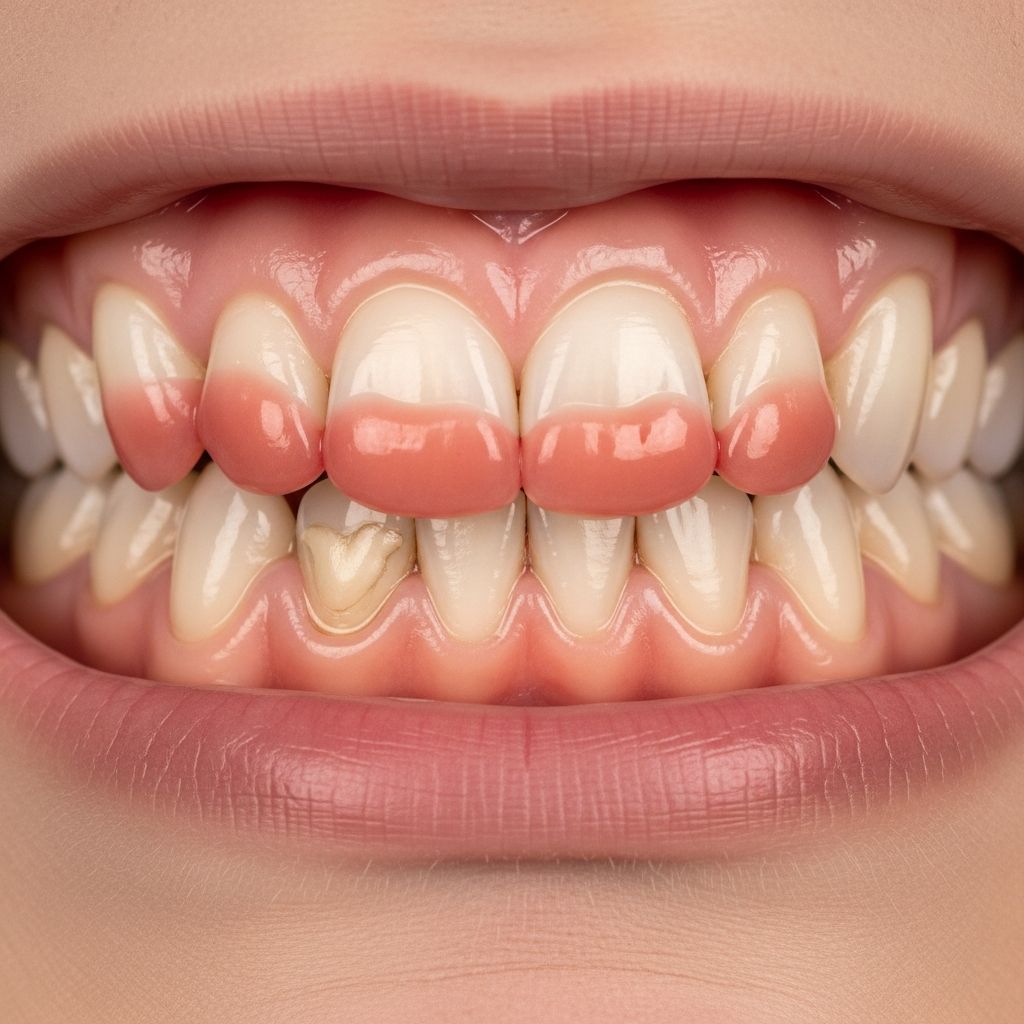
Gingival hyperplasia, commonly referred to as gum overgrowth, is a dental condition characterized by the enlargement of gum tissue. If you have this condition, your gums might appear puffy and swollen, which can make your teeth seem smaller than they actually are. This cosmetic concern goes beyond appearance—gingival hyperplasia can significantly impact your oral health and quality of life. Understanding this condition, its causes, symptoms, and available treatments is essential for maintaining optimal dental wellness.
What is Gingival Hyperplasia?
Gingival hyperplasia is another medical term for gum overgrowth or gingival enlargement. While some people are naturally predisposed to developing extra gum tissue, the condition most commonly develops when gum tissue becomes inflamed. The inflammation causes the gums to expand beyond their normal boundaries, affecting both the appearance and function of your teeth and gums.
The condition manifests as excessive gum tissue that encroaches on the tooth crowns, potentially covering a significant portion of the visible tooth structure. This overgrowth can be localized to specific areas or generalized across the entire mouth, depending on the underlying cause.
Causes of Gingival Hyperplasia
Gingival hyperplasia develops through various mechanisms, with multiple factors potentially contributing to its development. Understanding these causes is crucial for effective prevention and treatment.
Medication-Induced Causes
Certain medications are well-documented culprits in causing gingival hyperplasia. The most common medication-related causes include:
- Anticonvulsants such as phenytoin (used for seizure management), which causes gingival enlargement in up to 50% of patients who take the drug
- Immunosuppressants including cyclosporine and tacrolimus, commonly used in transplant patients
- Calcium channel blockers such as amlodipine, nifedipine, and felodipine, prescribed for high blood pressure management
If you develop puffy or overgrown gums after starting a new medication, inform your healthcare provider immediately. In many cases, switching medications or adjusting dosages can help prevent or reduce gingival overgrowth.
Inflammatory and Oral Health Factors
Poor oral hygiene remains one of the most preventable causes of gingival hyperplasia. Inadequate brushing and flossing allow plaque and tartar to accumulate on teeth, triggering inflammatory responses in the gum tissue. This inflammation can lead to gum swelling and eventual hyperplasia if left untreated.
Hormonal Changes
Hormonal fluctuations, particularly during puberty, pregnancy, and menopause, can increase susceptibility to gingival hyperplasia. These hormonal shifts alter the gum tissue’s response to plaque and bacteria, potentially triggering overgrowth.
Systemic Diseases and Conditions
Several systemic conditions are associated with gingival hyperplasia, including leukemia, sarcoidosis, Crohn’s disease, tuberculosis, and granulomatosis with polyangiitis. Gingival overgrowth can be an initial extramedullary manifestation of acute leukemia in approximately 5% of cases, making it an important diagnostic indicator.
Orthodontic Treatment
Ongoing orthodontic treatment can contribute to gingival hyperplasia, particularly when combined with poor oral hygiene practices. The pressure from braces and the difficulty in maintaining proper oral hygiene during treatment increase inflammation risk.
Related Stories



Genetic Predisposition
Some individuals are naturally prone to developing extra gum tissue due to hereditary conditions such as gingival fibromatosis, Zimmermann-Laband syndrome, and Rutherford syndrome. In these cases, even excellent oral hygiene may not be sufficient to prevent gingival overgrowth.
Recognizing Symptoms of Gingival Hyperplasia
Identifying the symptoms of gingival hyperplasia early can help you seek appropriate treatment before complications develop. Common symptoms include:
- Puffy or swollen gums that appear enlarged and inflamed
- Gums that bleed easily during brushing or flossing
- Teeth appearing smaller or shorter than usual due to excessive gum coverage
- Altered speech patterns or pronunciation changes
- Difficulty with mastication (chewing)
- Gum tenderness and discomfort, especially when eating or brushing
- Changes in tooth eruption patterns, particularly in younger individuals
- Aesthetic concerns due to altered gum-to-tooth ratio
If you notice any of these symptoms, schedule a dental appointment promptly. Early intervention can prevent progression and reduce the need for invasive treatments.
Diagnosis of Gingival Hyperplasia
A healthcare provider—typically a dentist or periodontist—diagnoses gingival hyperplasia during a comprehensive dental examination. The diagnostic process involves:
- Thorough review of your medical history and current medications
- Detailed discussion of symptoms and their onset
- Visual examination of gum tissue to assess the extent of overgrowth
- Measurement of pocket depths and assessment of gum recession
- Evaluation of oral hygiene status and plaque accumulation
- Radiographic imaging to assess bone levels and tooth structure
- Histopathologic testing in cases where the diagnosis is unclear or systemic disease is suspected
This comprehensive evaluation helps identify the underlying cause of gingival hyperplasia, which is essential for determining the most appropriate treatment approach.
Treatment Options for Gingival Hyperplasia
Treatment for gingival hyperplasia depends on the severity of the condition and the underlying cause. Options range from conservative approaches to surgical interventions.
Improved Oral Hygiene
In many cases, improving your oral hygiene can reverse gingival hyperplasia. Increased brushing frequency, proper flossing technique, and professional cleanings can reduce inflammation and halt progression. Controlling the inflammatory component through an appropriate oral hygiene program may significantly benefit the patient by limiting the severity of gingival overgrowth.
Medication Adjustment
If gingival hyperplasia develops as a side effect of medication, your healthcare provider may recommend switching to an alternative drug or adjusting the dosage. This approach often resolves the condition without requiring surgical intervention.
Professional Dental Cleaning
Regular professional cleanings by a dental hygienist help remove plaque and tartar that trigger inflammatory responses. More frequent cleanings may be necessary to control inflammation and prevent further gum enlargement.
Periodontal Surgery
In severe cases where conservative treatments prove ineffective, periodontal surgery becomes necessary. Gingivectomy is the surgical removal of excess gum tissue. This procedure helps eliminate the overgrown tissue, reduce the risk of oral health complications, and restore a more natural tooth-to-gum ratio.
There are two main types of gingivectomy procedures: conventional gingivectomy using scalpels, and laser-assisted gingivectomy, which offers precise tissue removal with minimal bleeding and faster healing.
Complications of Untreated Gingival Hyperplasia
Leaving gingival hyperplasia untreated can lead to several serious oral health complications:
- Increased susceptibility to cavities due to difficult-to-clean areas
- Development or progression of gum disease (periodontitis)
- Tooth mobility and potential tooth loss
- Bone loss around the teeth
- Chronic infection and inflammation
- Difficulty with oral hygiene maintenance
- Speech and eating difficulties
Prevention Strategies for Gingival Hyperplasia
While genetic predisposition and certain medications may make some individuals more susceptible to gingival hyperplasia, several preventive measures can reduce your risk:
- Maintain excellent oral hygiene through twice-daily brushing with a soft-bristled toothbrush
- Floss daily to remove plaque and food debris between teeth
- Visit your dentist regularly for professional cleanings and evaluations
- Use an antimicrobial mouthwash if recommended by your dentist
- Inform your healthcare provider about gingival hyperplasia symptoms when starting new medications
- Manage hormonal changes through appropriate medical care
- Control underlying systemic conditions through proper medical management
- Maintain good nutrition to support gum tissue health
- Avoid tobacco products, which increase gum disease risk
Outlook and Prognosis
The outlook for gum overgrowth is usually positive with appropriate treatment. Overall treatment success depends on the severity of your condition and whether the underlying cause can be identified and addressed. Most people who receive gingival hyperplasia treatment experience positive results.
If you’re taking medications that contribute to gum hyperplasia, your dentist and physician may work together to explore alternative treatment options. In severe cases requiring periodontal surgery, most patients achieve excellent results with significant improvements in both appearance and oral health.
When to Seek Professional Help
Contact your healthcare provider if you experience:
- Puffy or swollen gums that don’t improve with better oral hygiene
- Gums that bleed easily or frequently
- Gingival enlargement following the start of a new medication
- Difficulty eating, speaking, or maintaining oral hygiene
- Signs of infection such as pain, pus, or fever
Frequently Asked Questions
Q: Can gingival hyperplasia reverse on its own?
A: In many cases, improved oral hygiene alone can reverse mild to moderate gingival hyperplasia. However, if the condition persists despite excellent oral care or if it’s medication-induced, professional treatment may be necessary.
Q: Is gingival hyperplasia painful?
A: While gingival hyperplasia isn’t always painful, it can cause tenderness, discomfort during chewing or brushing, and bleeding. Secondary inflammation often develops, leading to these uncomfortable symptoms.
Q: Can I prevent gingival hyperplasia if I’m taking medications that cause it?
A: While genetic factors and medications increase risk, maintaining excellent oral hygiene significantly reduces the severity of hyperplasia. Regular dental visits and professional cleanings help manage the condition even with causative medications.
Q: How long does recovery take after gingivectomy surgery?
A: Most patients experience initial healing within 2-4 weeks, though complete tissue remodeling may take several months. Your periodontist will provide specific post-operative care instructions for optimal healing.
Q: Will gingival hyperplasia return after treatment?
A: Recurrence depends on addressing the underlying cause. If medication adjustment or improved oral hygiene eliminates the cause, recurrence is minimal. However, if causative factors persist, hyperplasia may recur.
References
- Gingival Hyperplasia: Symptoms, Causes & Treatment — Cleveland Clinic. 2025-02-26. https://my.clevelandclinic.org/health/diseases/gingival-hyperplasia
- Medically induced gingival hyperplasia — PubMed/National Center for Biotechnology Information. 1999. https://pubmed.ncbi.nlm.nih.gov/9868421/
- Gingival overgrowth in acute monocytic leukemia — Cleveland Clinic Journal of Medicine. 2024. https://www.ccjm.org/content/91/5/267
- What is a Gingivectomy? Procedure & Recovery — Cleveland Clinic. 2024. https://my.clevelandclinic.org/health/treatments/24749-gingivectomy
- Phenytoin-induced gingival overgrowth — Cleveland Clinic Journal of Medicine. 2022. https://www.ccjm.org/content/89/9/488
Similar Articles








Read full bio of Sneha Tete