Gingivitis: 4 Proven Prevention Tactics For Lasting Gum Health
Discover the early warning signs of gum inflammation, effective treatments, and proven prevention strategies to safeguard your smile.
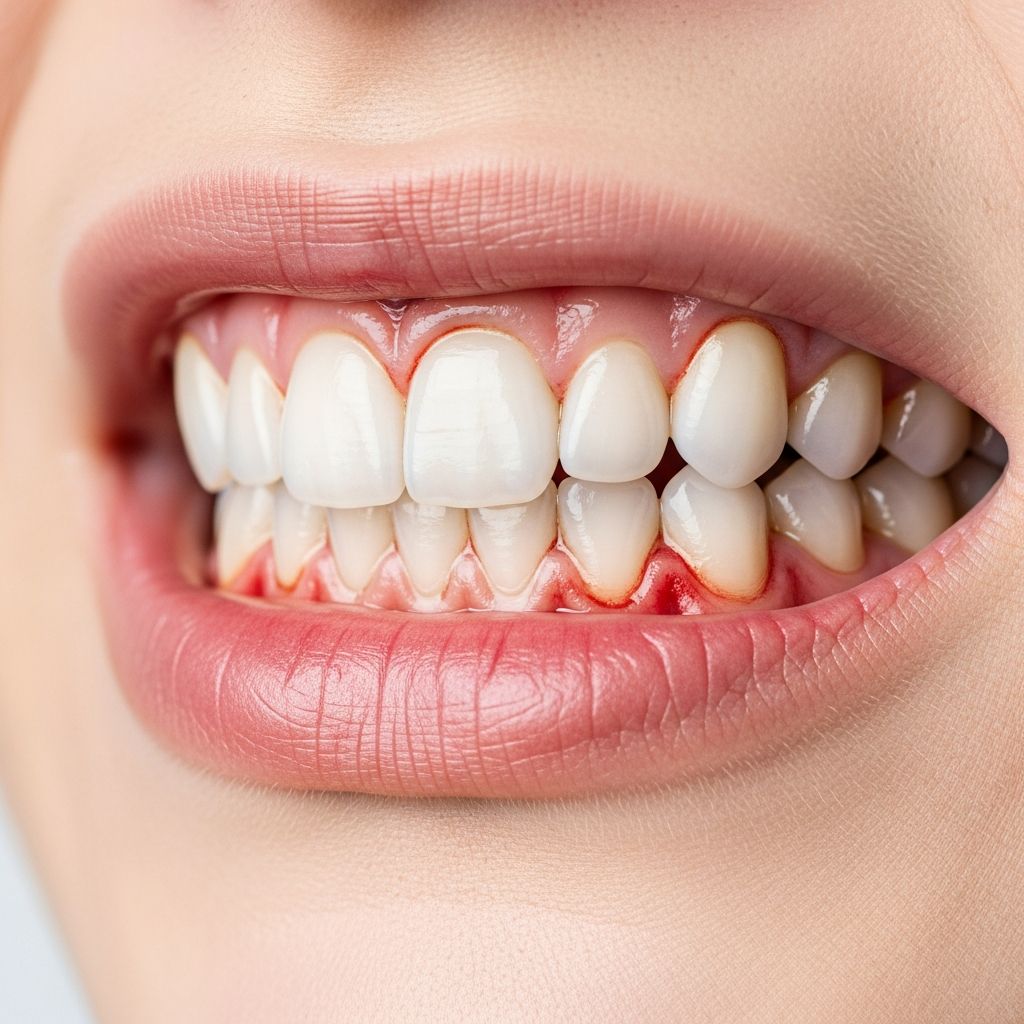
Gingivitis represents the initial phase of periodontal disease, characterized by inflammation of the gums due to bacterial plaque accumulation. This condition is highly prevalent, impacting a significant portion of the population, yet it remains largely reversible with prompt intervention and consistent oral care practices.
Understanding the Nature of Gingivitis
The gums, or gingiva, form a protective barrier around the teeth’s base. When bacteria thrive unchecked, they trigger an immune response that leads to swelling and irritation in this tissue. Unlike advanced gum diseases, gingivitis does not yet involve bone or ligament damage, making early detection crucial for full recovery.
Statistics indicate that poor oral hygiene contributes to most cases, with plaque—a sticky bacterial film—serving as the primary culprit. If not disrupted daily, plaque mineralizes into tartar, exacerbating the problem and requiring professional removal.
Primary Causes Behind Gum Inflammation
Bacterial plaque buildup stands as the leading trigger for gingivitis. This biofilm develops rapidly on tooth surfaces, especially after consuming sugary or starchy foods, fostering an environment where harmful bacteria multiply.
- Plaque formation begins within hours of inadequate cleaning, adhering to enamel and below the gumline.
- Tartar accumulation follows, creating rough surfaces that harbor more bacteria and irritate soft tissues.
Beyond plaque, several risk factors heighten susceptibility:
| Risk Factor | Description | Impact |
|---|---|---|
| Smoking | Tobacco use impairs blood flow to gums and promotes bacterial growth. | Increases gingivitis risk significantly among regular users. |
| Age | Older adults face higher incidence due to cumulative plaque and slower healing. | Risk escalates progressively with years. |
| Nutritional Deficiencies | Lack of vitamins like C, D, or B12 weakens gum resilience. | Leads to conditions like scurvy-linked inflammation. |
| Genetics and Dry Mouth | Hereditary traits or reduced saliva flow allow bacterial overgrowth. | Compounds poor hygiene effects. |
| Misaligned Teeth or Ill-Fitting Dental Work | Hard-to-clean areas trap plaque effectively. | Promotes localized inflammation. |
Recognizing the Telltale Symptoms
Early gingivitis often presents subtle signs, allowing it to progress unnoticed. Common indicators include:
- Reddened or Swollen Gums: Healthy gums appear pink and firm; inflamed ones look puffy and shiny.
- Bleeding During Brushing or Flossing: A hallmark symptom, even with gentle pressure.
- Persistent Bad Breath (Halitosis): Resulting from bacterial byproducts.
- Tender Gums: Sensitivity to touch or chewing in advanced mild cases.
- Gum Recession: Slight pulling away from teeth, exposing roots.
In many instances, individuals experience no pain, underscoring the importance of routine dental examinations. The Cleveland Clinic notes that symptoms like bleeding gums signal infection from plaque bacteria.
Distinguishing Gingivitis from Advanced Periodontitis
While gingivitis confines damage to gum tissues, untreated progression yields periodontitis, where infection invades supporting bones and ligaments. This irreversible stage manifests with deeper pockets, pus formation, loose teeth, and potential tooth loss.
Mayo Clinic emphasizes that gingivitis reversal hinges on timely action before pocket depths exceed 3-4 mm, a threshold for periodontitis diagnosis.
Effective At-Home Management Strategies
Reversing gingivitis primarily relies on enhanced daily hygiene. Key practices include:
- Brushing twice daily for two minutes using a soft-bristled toothbrush and fluoride toothpaste, angling at 45 degrees to the gumline.
- Daily flossing to dislodge interdental plaque.
- Incorporating antimicrobial mouth rinses to reduce bacterial load.
Related Stories



Medical News Today recommends consistent routines to dissolve plaque and prevent tartar reformation. Supportive measures like quitting smoking and balanced nutrition further aid recovery.
Professional Interventions for Lasting Relief
Dental visits are essential for thorough treatment. Procedures encompass:
- Scaling and Root Planing: Deep cleaning removes tartar above and below the gumline, smoothing roots to deter reattachment.
- Antibiotic Gels or Rinses: Targeted delivery combats persistent infection.
- Follow-Up Monitorings: Ensure healing and prevent relapse.
For most, symptoms subside within days to weeks post-cleaning, per Cleveland Clinic guidelines.
Proven Prevention Tactics for Lifelong Gum Health
Preventing gingivitis demands proactive habits:
- Maintain biannual dental cleanings.
- Adopt electric toothbrushes for superior plaque removal.
- Limit sugary intake to minimize bacterial fuel.
- Stay hydrated to sustain saliva’s natural cleansing.[10]
The CDC highlights that good hygiene largely averts periodontal issues, including gingivitis.[10]
Special Considerations for High-Risk Groups
Pregnant individuals, diabetics, and immunocompromised persons face elevated risks. Hormonal shifts or elevated blood sugar foster plaque retention, necessitating vigilant care and frequent check-ups.
Frequently Asked Questions (FAQs)
Can gingivitis be fully cured at home?
Yes, mild cases often resolve with rigorous brushing, flossing, and mouthwash use, though professional evaluation confirms progress.
How long does recovery take?
Improvements appear in 1-2 weeks with consistent care; full reversal may require 3-4 weeks.
Is gingivitis contagious?
No, though shared bacteria via kissing or utensils can contribute if hygiene lapses.
What role does diet play?
Nutrient-rich diets bolster immunity; avoid excesses in sugars that feed bacteria.
Does mouthwash replace brushing?
No, it supplements but cannot remove plaque mechanically.
Long-Term Outlook and Complications
Addressed early, gingivitis yields excellent prognoses. Neglect risks periodontitis, linking to systemic issues like heart disease via chronic inflammation. NIDCR stresses intervention to avert bone loss and edentulism.
In summary, awareness empowers control. Integrate these strategies for resilient oral health.
References
- Gingivitis: Causes, symptoms, and treatment — Medical News Today. 2023-10-15. https://www.medicalnewstoday.com/articles/241721
- Gingivitis: Symptoms & How To Treat It — Cleveland Clinic. 2024-05-20. https://my.clevelandclinic.org/health/diseases/10950-gingivitis-and-periodontal-disease-gum-disease
- Gingivitis – Symptoms and causes — Mayo Clinic. 2024-08-10. https://www.mayoclinic.org/diseases-conditions/gingivitis/symptoms-causes/syc-20354453
- Periodontal (Gum) Disease — National Institute of Dental and Craniofacial Research (NIDCR), NIH. 2023-11-01. https://www.nidcr.nih.gov/health-info/gum-disease
- About Periodontal (Gum) Disease — Centers for Disease Control and Prevention (CDC). 2024-02-14. https://www.cdc.gov/oral-health/about/gum-periodontal-disease.html
Similar Articles








Read full bio of Sneha Tete