Gingivitis and Gum Disease: Symptoms, Treatment & Prevention
Understand gingivitis symptoms, stages of gum disease, and effective treatments to protect your oral health.
Understanding Gingivitis and Gum Disease
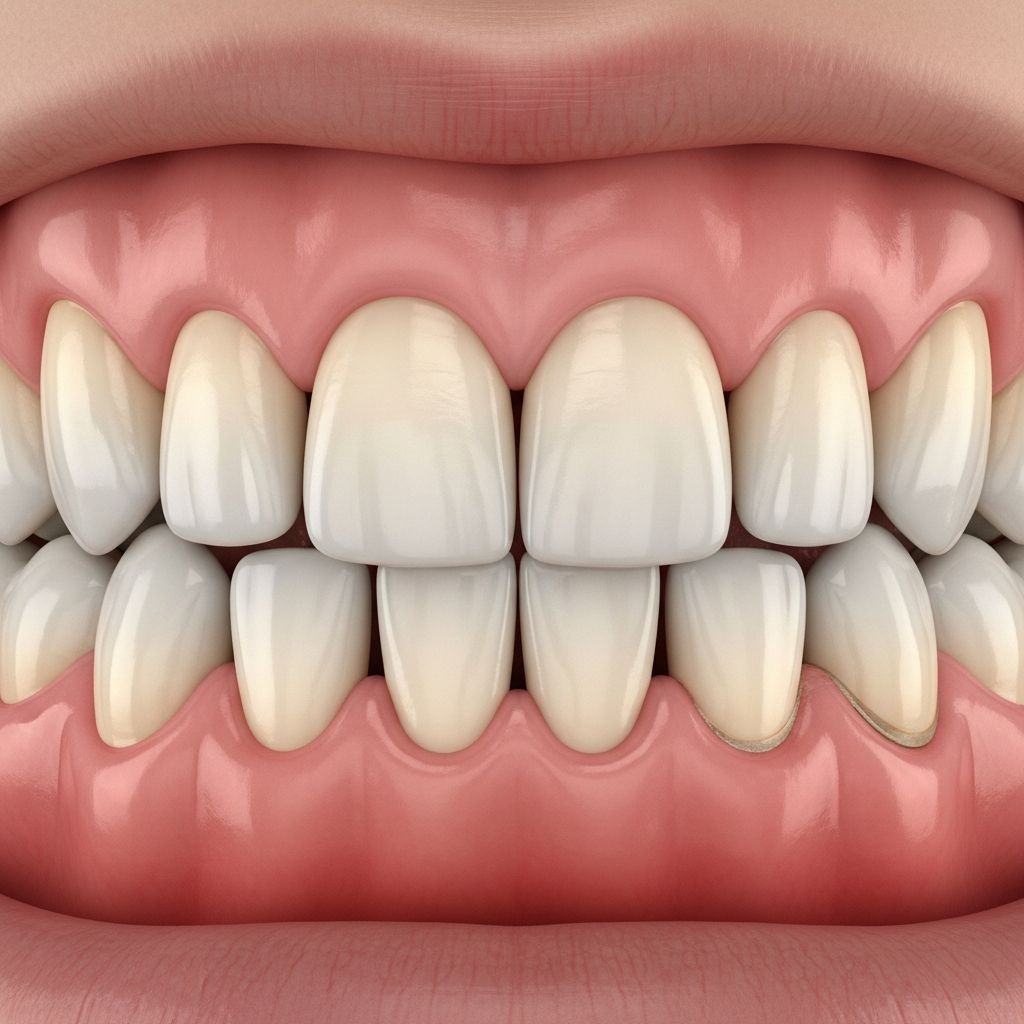
Gingivitis represents the earliest stage of gum disease, occurring when plaque and bacteria accumulate on your teeth and trigger infection. This common oral condition affects millions of people, with approximately 50% of Americans experiencing some degree of gum disease. When left untreated, gingivitis can progress into more severe periodontal disease, potentially leading to tooth loss and systemic health complications. The good news is that gingivitis is reversible with proper care and early intervention, making prompt recognition of symptoms crucial for maintaining your oral health.
What Causes Gum Disease?
Gum disease develops when harmful bacteria, plaque, and tartar accumulate on your tooth surfaces. Your gums naturally react to these irritants by becoming inflamed, red, swollen, and tender. Several factors can contribute to the development and progression of gum disease:
– Poor oral hygiene practices that allow plaque to build up- Inadequate brushing and flossing techniques- Tobacco use in any form- Hormonal changes during pregnancy, menstruation, or menopause- Certain medications that reduce saliva production- Genetic predisposition to gum disease- Stress and compromised immune system- Uncontrolled diabetes- Alcohol consumption and excessive sugar intake, which contribute to inflammation
Recent research has uncovered an additional contributing factor: antiviral T cells in the mouth may worsen periodontal disease progression when activated by viral components. This discovery suggests that viral infections could trigger rapid deterioration in some patients who experience sudden worsening of gum disease between dental appointments.
Recognizing the Symptoms of Gingivitis
Early detection of gingivitis is essential for preventing progression to advanced gum disease. Common symptoms of gingivitis include:
– Red, swollen gums that appear darker than normal- Tender or sensitive gums that cause discomfort- Bleeding gums, especially when brushing or flossing- Bad breath that persists despite good oral hygiene- Changes in the way your teeth fit together when you bite- Receding gums or gums that pull away from teeth- Pus around the gums or between teeth
If you notice one or more of these symptoms, schedule an appointment with your dentist promptly. Early intervention can prevent the progression to periodontitis, the more advanced and destructive form of gum disease.
Stages of Gum Disease
Stage 1: Gingivitis
Gingivitis is an inflammation of the gingiva, representing the earliest and most treatable stage of gum disease. At this stage, inflammation remains localized primarily to the gum tissue surrounding the tooth. The infection has not yet affected the deeper periodontal structures or bone. This is the critical stage where treatment is most effective and reversible.
Stage 2: Periodontitis
If gingivitis remains untreated and unmanaged, the inflammation can quickly progress into the deeper layers of the periodontium, affecting the bone and periodontal ligament (PDL) supporting the tooth. Periodontitis represents a more serious stage of gum disease where permanent damage begins to occur. At this stage, you start to lose bone around your teeth, creating a domino effect of oral health issues that can lead to tooth mobility and eventual tooth loss.
Unlike gingivitis, periodontitis causes permanent damage to the structures supporting your teeth. Bone loss is irreversible, which is why early detection and treatment of gingivitis is so important.
The Importance of Early Treatment
The earlier you catch gum disease, the more effectively you can manage it. Gingivitis is unique among gum disease stages because it is reversible with proper care and maintenance when treatment begins early enough. However, gingivitis can recur if you don’t maintain excellent oral hygiene practices between office visits.
Early treatment saves you considerable time, worry, and expense in the future. Professional intervention combined with improved home oral hygiene can halt disease progression and restore your gums to health. Delaying treatment allows gingivitis to advance into periodontitis, which requires more aggressive intervention and cannot be fully reversed.
Related Stories



Gum Disease Treatment Options
Treatment for gum disease encompasses several surgical and nonsurgical procedures designed to combat gingivitis and periodontitis. Professional treatment is the only way to effectively manage these conditions. Remember, there is no cure for gum disease, but you can manage it with proper treatment and improved oral hygiene at home.
Nonsurgical Treatments
Professional Dental Cleanings: Regular professional cleanings remove plaque and tartar that cannot be eliminated through home care alone. For gingivitis, routine cleanings combined with improved home hygiene often resolve the condition.
Scaling and Root Planing: This deep cleaning procedure removes plaque and tartar from below the gum line and smooths tooth root surfaces to promote healing. Scaling and root planing requires no downtime and can be performed by general dentists or periodontists.
Improved Oral Hygiene: Proper brushing, flossing, and use of antimicrobial rinses are essential components of gum disease management at home.
Surgical Treatments
For advanced periodontal disease, periodontists may recommend surgical interventions:
–
Flap Surgery:
Reduces infection by allowing access to clean below the gum line-Bone Grafts:
Rebuilds bone damaged by periodontal disease-Gum Grafts:
Restores gum tissue in areas of recession-Guided Tissue Regeneration (GTR):
A periodontist places an artificial membrane between your gums and newly placed bone grafting material to prevent soft tissue from growing into areas meant for bone regeneration.Recovery and Downtime
Recovery time depends on the type of treatment received. Nonsurgical treatments like scaling and root planing require no downtime, allowing you to return to normal activities immediately. However, surgical procedures for advanced periodontal disease such as flap surgery, bone grafts, or gum grafts typically require one to four weeks of recovery time during which you must follow specific aftercare instructions.
Potential Complications and Management
Some patients may experience complications following gum disease treatment. Common side effects include temporary sensitivity, swelling, or discomfort. If you develop complications after treatment, contact your periodontist. They can prescribe medications or recommend specific therapies to help ease these side effects and promote proper healing.
Prevention Strategies for Healthy Gums
Preventing gum disease is far easier than treating it. Implement these strategies to maintain healthy gums:
– Brush your teeth at least twice daily with a soft-bristled toothbrush- Floss daily to remove food debris and plaque between teeth- Use antimicrobial mouthwash as directed- Schedule professional dental cleanings every six months- Avoid tobacco products in all forms- Limit sugar consumption and alcohol intake- Manage stress, which can compromise immune function- Control underlying health conditions like diabetes- Maintain adequate nutrition to support immune health- Replace your toothbrush every three to four months
The Connection Between Gum Disease and Systemic Health
Recent research reveals important connections between oral health and overall systemic health. People with gum disease are significantly more likely to have heart disease, and vice versa, even when controlling for other common risk factors. This association suggests that oral inflammation and bacterial infections in the mouth may contribute to systemic inflammatory conditions affecting cardiovascular health. While researchers continue investigating the exact mechanisms linking periodontal disease and heart disease, maintaining healthy gums is clearly important for your overall wellness.
When to See a Dentist
If you experience any symptoms of gingivitis, schedule an appointment with your dentist. Your dentist may examine you at your next regular checkup or arrange a special appointment depending on the severity and duration of your symptoms. During your appointment, discuss your symptoms, any lifestyle factors that might contribute to gum disease, and ask your dentist about the best prevention strategies for your individual situation.
Key Takeaways About Gum Disease
Understanding the critical facts about gingivitis and gum disease helps you take control of your oral health:
– Gingivitis is the early, reversible stage of gum disease- Early treatment can reverse gingivitis completely- Untreated gingivitis progresses to periodontitis, causing permanent bone loss- Professional treatment combined with improved home care is essential for managing gum disease- Prevention through excellent oral hygiene is the most effective strategy- Gum disease affects approximately 50% of Americans and deserves serious attention- Oral health significantly impacts overall systemic health, particularly cardiovascular health
Frequently Asked Questions
Q: Is gingivitis reversible?
A: Yes, gingivitis is reversible with proper care and early treatment. The key is treating it promptly and maintaining excellent oral hygiene at home. However, gingivitis can recur if you don’t maintain consistent oral health practices.
Q: What is the difference between gingivitis and periodontitis?
A: Gingivitis is inflammation limited to the gum tissue, while periodontitis affects deeper periodontal structures including bone. Gingivitis is reversible, but periodontitis causes permanent bone loss that cannot be fully reversed.
Q: Can gum disease be cured?
A: There is no cure for gum disease, but it can be effectively managed with proper treatment and improved oral hygiene. Early intervention with gingivitis can reverse the condition entirely, but once it progresses to periodontitis, management focuses on halting progression and preventing further damage.
Q: How often should I have professional cleanings?
A: Most people benefit from professional dental cleanings every six months. However, those with gum disease may require more frequent cleanings. Your dentist will recommend the appropriate schedule based on your individual condition.
Q: Can I prevent gum disease?
A: Yes, you can significantly reduce your risk of gum disease through proper oral hygiene, regular professional cleanings, avoiding tobacco, limiting sugar and alcohol, and managing stress and underlying health conditions.
Q: Does gum disease affect overall health?
A: Yes, research shows that gum disease is associated with increased risk of heart disease and other systemic health issues. This connection emphasizes the importance of maintaining excellent oral health as part of your overall wellness strategy.
Q: What should I do if I notice bleeding gums?
A: Contact your dentist if you notice bleeding gums, as this may indicate gingivitis or another gum condition requiring professional evaluation and treatment. Early intervention can prevent progression to more serious disease.
References
- Gum Disease Treatment — Cleveland Clinic. 2025. https://my.clevelandclinic.org/health/treatments/10907-gum-disease-treatment
- Antiviral T cells present in mouth found to worsen periodontitis progression — Cleveland Clinic Lerner Research Institute. 2025-05-23. https://www.lerner.ccf.org/news/article/?title=Antiviral+T+cells+present+in+mouth+found+to+worsen+periodontitis+progression
- Periodontal Disease (Gum Disease): Causes, Symptoms & Treatment — Cleveland Clinic. 2025. https://my.clevelandclinic.org/health/diseases/21482-gum-periodontal-disease
- Gingivitis: Symptoms & How To Treat It — Cleveland Clinic. 2023-01-23. https://my.clevelandclinic.org/health/diseases/10950-gingivitis-and-periodontal-disease-gum-disease
- Risks of Neglecting your Oral Health — Cleveland Clinic Newsroom. 2025-01-13. https://newsroom.clevelandclinic.org/2025/01/13/risks-of-neglecting-your-oral-health
- The Importance of Gum Health with Anne Clemons — Cleveland Clinic. 2025. https://my.clevelandclinic.org/podcasts/health-essentials/the-importance-of-gum-health-with-anne-clemons
Similar Articles








Read full bio of medha deb