Gingivitis Vs. Periodontitis: 6 Key Differences And Treatments
Understand the key differences between gingivitis and periodontitis, from causes and symptoms to treatments and prevention strategies for healthy gums.
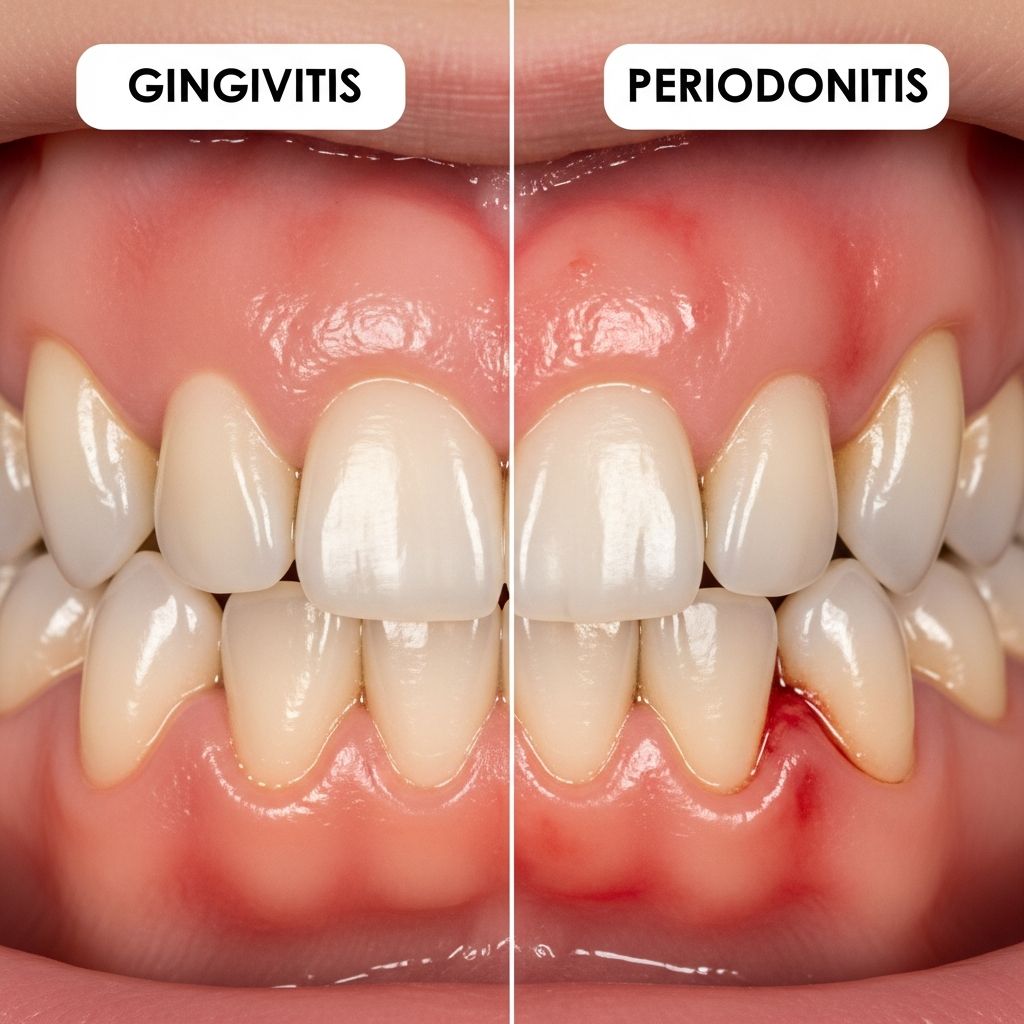
Gingivitis and periodontitis represent progressive stages of gum disease, with gingivitis being the mild, reversible early phase and periodontitis the severe, destructive advanced stage that can lead to tooth loss.
What Is Gingivitis?
Gingivitis is the initial, mildest form of gum disease characterized by inflammation of the gums (gingiva) due to bacterial plaque buildup from poor oral hygiene. It is reversible with proper care and does not involve bone or tissue loss.
Plaque, a sticky film of bacteria, hardens into tartar if not removed, irritating gums and triggering inflammation. Common in all age groups, gingivitis affects a significant portion of adults but remains localized to soft tissues above the gumline.
Symptoms of Gingivitis
- Bleeding gums: Gums bleed easily during brushing, flossing, or eating.
- Red, swollen, or purple gums: Inflammation causes discoloration and puffiness.
- Tender or sensitive gums: Pain or discomfort when touching or during dental cleanings.
- Persistent bad breath (halitosis): Due to bacterial overgrowth.
- Unpleasant taste in the mouth: From plaque accumulation.
- Mild gum recession: Early signs in some cases.
These symptoms are often subtle, leading many to overlook gingivitis until it advances.
What Is Periodontitis?
Periodontitis develops when untreated gingivitis progresses, with bacteria invading below the gumline, forming pockets, destroying supporting bone, ligaments, and tissues. Unlike gingivitis, it is irreversible and a leading cause of tooth loss in adults.
Bacteria in plaque harden into tartar, spreading infection deeper and causing chronic inflammation. Risk factors include smoking, diabetes, genetics, and systemic conditions like cardiovascular disease.
Symptoms of Periodontitis
- Red, swollen, tender gums: More severe than gingivitis.
- Bleeding gums: Frequent and profuse.
- Deep gum pockets (4mm+): Spaces between teeth and gums trap bacteria.
- Loose or shifting teeth: Due to bone loss and attachment damage.
- Persistent bad breath: Ongoing halitosis unresponsive to hygiene.
- Pain when chewing: Inflammation and infection cause discomfort.
- Gum recession exposing roots: Increases sensitivity and decay risk.
- Pus or suppuration: Abscess formation in advanced cases.
- Changes in bite alignment: Teeth shifting alters occlusion.
Periodontitis stages range from early (mild pockets) to advanced (severe bone loss).
Gingivitis vs. Periodontitis: Key Differences
The primary distinction lies in severity, reversibility, and tissue involvement. Gingivitis affects only gums superficially and reverses with hygiene; periodontitis destroys bone and is chronic.
| Aspect | Gingivitis | Periodontitis |
|---|---|---|
| Stage | Early, mild | Advanced, severe |
| Reversibility | Yes, fully | No, progressive |
| Tissue Affected | Gums only | Gums, bone, ligaments |
| Pockets | None or shallow (<4mm) | Deep (≥4mm) |
| Tooth Loss Risk | Low | High |
| Systemic Links | Minimal | Diabetes, heart disease |
Causes and Risk Factors
Primary Cause: Bacterial plaque from inadequate brushing/flossing.
- Poor oral hygiene: Main trigger for both.
- Tobacco use: Impairs healing, worsens progression.
- Diabetes: High blood sugar promotes bacterial growth.
- Genetics/Hormonal changes: Pregnancy, puberty increase susceptibility.
- Medications: Dry mouth from drugs like antihypertensives.
- Other: Crowded teeth, ill-fitting restorations, stress.
How Gingivitis Progresses to Periodontitis
Untreated plaque mineralizes into tartar, harboring bacteria that invade subgingival areas. Inflammation deepens pockets, shielding bacteria from cleaning. Bone resorption follows, loosening teeth. Early intervention halts progression.
Related Stories



Diagnosis
Dentists use probing (pocket depth), bleeding on probing, X-rays for bone loss, and mobility checks. Gingivitis shows shallow sulcus; periodontitis reveals deep pockets and radiographic bone loss.
Treatment Options
Gingivitis Treatment
- Professional cleaning (scaling) to remove plaque/tartar.
- Improved hygiene: Brush twice daily, floss, antiseptic mouthwash.
- Address contributing factors like dry mouth.
Periodontitis Treatment
- Non-surgical: Scaling/root planing, antibiotics, laser therapy.
- Surgical: Flap surgery, bone grafts, tissue regeneration for advanced cases.
- Ongoing maintenance: 3-4 month cleanings.
Success depends on compliance and risk factor control.
Prevention Strategies
- Brush 2x daily with fluoride toothpaste; floss daily.
- Use antimicrobial mouth rinses.
- Quit smoking; manage diabetes.
- Regular dental visits (every 6 months).
- Healthy diet low in sugars.
Complications and Systemic Links
Periodontitis links to heart disease, stroke, diabetes complications, respiratory issues, and pregnancy problems via bacteremia. CDC notes 47.2% of U.S. adults over 30 have periodontitis.
Frequently Asked Questions (FAQs)
Can gingivitis be reversed?
Yes, gingivitis is fully reversible with professional cleaning and consistent oral hygiene, typically within 1-2 weeks.
How do you know if you have periodontitis?
Signs include deep gum pockets, loose teeth, recession, and bone loss on X-rays. See a dentist for probing and imaging.
Is periodontitis curable?
No, but controllable with treatment to halt progression and preserve teeth.
Can you have periodontitis without knowing?
Yes, early stages are often painless; regular checkups detect it.
Does smoking cause gum disease?
Yes, it impairs immunity and healing, doubling periodontitis risk.
When to See a Dentist
Seek care for bleeding gums, bad breath, or swelling. Early detection prevents escalation.
References
- About Periodontal (Gum) Disease — CDC. 2024. https://www.cdc.gov/oral-health/about/gum-periodontal-disease.html
- Overview: Gingivitis and periodontitis — NCBI Bookshelf. 2023-10-23. https://www.ncbi.nlm.nih.gov/books/NBK279593/
- Gingivitis vs. periodontitis: what’s the difference? — Aspen Dental. 2024-12-18. https://www.aspendental.com/dental-care-resources/gingivitis-vs-periodontitis/
- Gingivitis Vs Periodontitis: Key Differences, Symptoms and Treatments — Periodontal Specialists. 2024. https://www.periodontalspecialists.com/key-differences-between-gingivitis-vs-periodontitis/
- Periodontitis vs. Gingivitis: Understanding the Difference — DoctorPerio. 2024. https://doctorperio.com/blog/periodontitis-vs-gingivitis-understanding-the-difference/
- What Is Gum Disease: Gingivitis vs Periodontitis Signs & Prevention — Listerine. 2024. https://www.listerine.com/gum-disease-healthy-gums/what-is-gum-disease
Similar Articles








Read full bio of medha deb