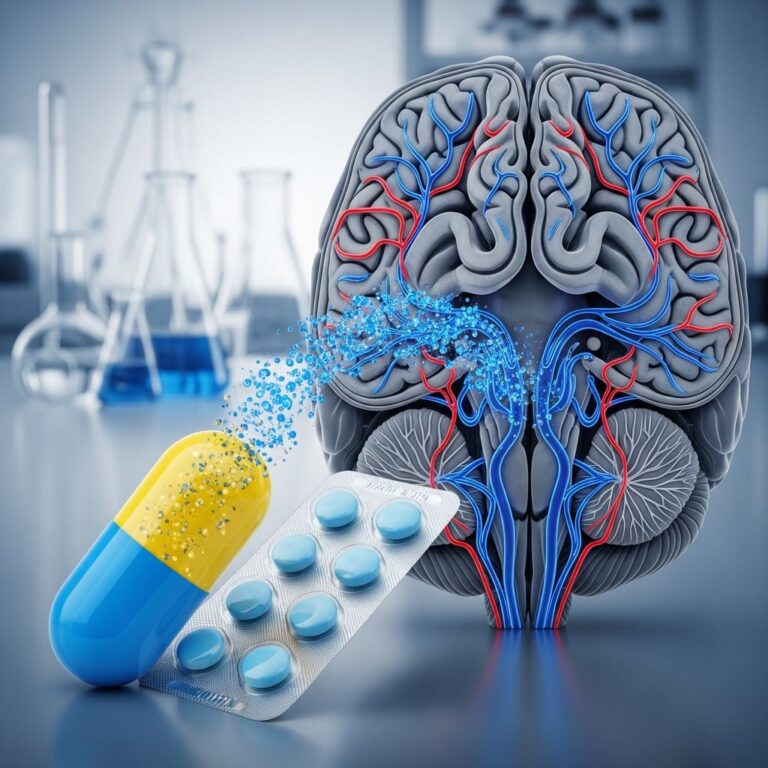
Ginkgo Biloba: Benefits and Side Effects
Explore the potential benefits of ginkgo biloba for brain health, circulation, and more, plus important side effects and safety considerations.
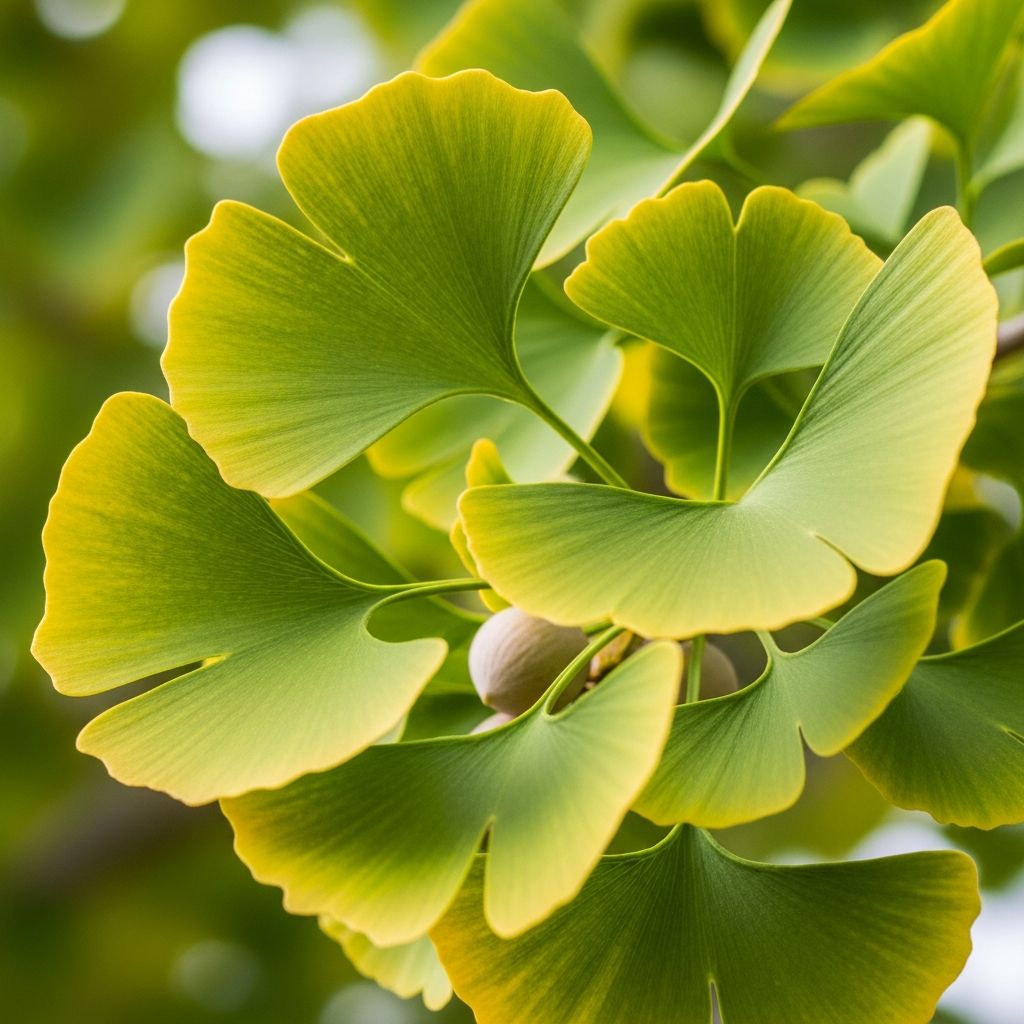
Ginkgo biloba, derived from one of the world’s oldest tree species, is a widely used herbal supplement promoted for enhancing memory, circulation, and overall cognitive function. Native to China and used in traditional medicine for centuries, its leaves are standardized into extracts like EGb 761, containing flavonoids and terpene lactones thought to provide antioxidant and anti-inflammatory effects.
While popular, scientific evidence for many claims is mixed, with some studies showing benefits for specific conditions like intermittent claudication, but lacking robust support for others like dementia prevention. This article examines potential benefits, risks, usage guidelines, and expert insights based on peer-reviewed research.
What Is Ginkgo Biloba?
Ginkgo biloba, often called the maidenhair tree, is the sole surviving species of an ancient plant order, earning it the nickname ‘living fossil.’ Its fan-shaped leaves have been used in traditional Chinese medicine for over 1,000 years to treat conditions like asthma, chilblains, and cognitive decline.
Modern supplements primarily use standardized leaf extracts (GBE), such as EGb 761 or LI 1370, which are processed to contain 22-27% flavone glycosides and 5-7% terpene lactones, with ginkgolic acids limited to under 5 ppm for safety. These active compounds are believed to improve blood flow, neutralize free radicals, and modulate neurotransmitters.
Ginkgo seeds are less common in Western supplements due to toxicity risks from raw forms but are used in some Asian remedies. The World Health Organization recognizes standardized extracts for mild cerebrovascular insufficiency, peripheral artery disease, and tinnitus.
Potential Health Benefits of Ginkgo Biloba
Ginkgo is marketed for brain health, circulation, and more, but evidence varies. High-quality randomized controlled trials (RCTs) provide the strongest support, while many claims rely on preliminary or animal studies.
Cognitive Function and Memory
Ginkgo is most famous for purported memory enhancement. A review of 35 human studies found insufficient evidence for general memory improvement or ‘symptoms of old age,’ with inconsistent results across trials.
For dementia, a 24-week RCT with 410 Alzheimer’s patients showed EGb 761 (240 mg/day) improved cognition, psychopathology, and quality of life versus placebo. However, a large trial of 3,069 elderly adults found no reduction in dementia or Alzheimer’s risk over 6 years. A 2016 meta-analysis noted modest benefits in mild Alzheimer’s when combined with conventional drugs.
- Key Insight: May offer symptomatic relief in mild cognitive impairment, but does not prevent dementia.
- Limited evidence for healthy adults; more research needed.
Improved Circulation and Intermittent Claudication
Strongest evidence supports use for peripheral artery disease (PAD). Multiple RCTs show GBE superior to placebo for increasing pain-free walking distance in intermittent claudication.
WHO endorses it for this purpose. Mechanisms include vasodilation and reduced blood viscosity via platelet inhibition.
Anxiety and Mood Disorders
Emerging data suggests benefits for anxiety. A 2018 study of 136 older adults found GBE plus antidepressants reduced depression symptoms and brain injury markers more than antidepressants alone.
Post-stroke depression trials showed significant improvements after 8 weeks. Animal studies indicate modulation of serotonin and GABA.
Related Stories



Eye Health and Vision
Ginkgo may boost ocular blood flow. A 2019 systematic review linked its flavonoids to slowed glaucoma progression and reduced visual field loss.
Other studies suggest benefits for age-related macular degeneration, but evidence is preliminary.
Vertigo and Tinnitus
For vertigo, RCTs show 47% improvement with EGb versus 18% placebo, outperforming betahistine in tolerance. Tinnitus relief is recognized by WHO, though results vary.
Other Potential Benefits
- Antioxidant Effects: High in flavonoids and terpenoids that combat free radicals.
- Anti-Inflammatory: Reduces markers in human and animal cells.
- Heart Health: May improve circulation, but no strong cardiovascular outcome data.
- Altitude Sickness: Ineffective per large trials.
Ginkgo Biloba Side Effects
Ginkgo is generally well-tolerated at recommended doses, but side effects occur in 1-10% of users.
| Common Side Effects | Rare/Serious Side Effects |
|---|---|
| Headache, dizziness, GI upset | Bleeding risks, allergic reactions |
| Nausea, diarrhea, skin rash | Seizures (high doses/raw seeds) |
Serious risks include spontaneous bleeding due to antiplatelet effects, especially pre-surgery. Case reports link it to intracerebral hemorrhage. Avoid in bleeding disorders.
Raw seeds contain ginkgotoxins causing seizures; standardized extracts are safe.
Who Should Not Take Ginkgo Biloba?
- Pregnant/breastfeeding women (limited safety data).
- People with bleeding disorders or on anticoagulants.
- Pre-surgery patients (stop 2 weeks prior).
- Children or those with epilepsy.
- Allergic to ginkgo.
Ginkgo Biloba Dosage and Forms
Standard dose: 120-240 mg/day of EGb 761, divided doses. For claudication: 120 mg 3x/day.
Forms: Capsules, tablets, teas, tinctures. Choose third-party tested products (USP verified).
Start low to assess tolerance; effects may take 4-6 weeks.
Drug Interactions
Ginkgo induces CYP enzymes, affecting:
- Anticoagulants (warfarin): Increased bleeding risk.
- Antiplatelets (aspirin): Enhanced effects.
- Antidepressants (SSRIs): Possible serotonin syndrome.
- Anticonvulsants: Reduced efficacy.
- Diabetes meds: Altered blood sugar.
Consult a healthcare provider.
Is Ginkgo Biloba Regulated?
As a dietary supplement, not FDA-approved for treating conditions. Quality varies; content analysis of Dutch products showed inconsistencies. Look for standardized extracts.
Bottom Line
Ginkgo offers promise for circulation issues and mild cognitive symptoms, backed by some RCTs, but evidence is weak or absent for memory enhancement, dementia prevention, and many other claims. Side effects are rare but include bleeding risks. Use cautiously with medical supervision.
Frequently Asked Questions (FAQs)
Does ginkgo biloba really improve memory?
Evidence is mixed; it may help mild cognitive impairment but not healthy memory or prevent dementia.
Is ginkgo biloba safe for daily use?
Yes at 120-240 mg standardized extract, but avoid if on blood thinners.
Can ginkgo help with tinnitus or vertigo?
Some RCTs show benefits, endorsed by WHO for certain cases.
How long does it take for ginkgo to work?
4-6 weeks for noticeable effects.
Does ginkgo interact with medications?
Yes, notably anticoagulants and antiplatelets; consult a doctor.
References
- Assessment of health claims, content, and safety of herbal supplements containing Ginkgo biloba — van Beek TA et al. 2010-10-14. https://pmc.ncbi.nlm.nih.gov/articles/PMC2950792/
- Ginkgo Biloba – StatPearls — Dugan C et al. Updated 2023. https://www.ncbi.nlm.nih.gov/books/NBK541024/
- 12 Benefits of Ginkgo Biloba (Plus Side Effects & Dosage) — Healthline. Updated 2023. https://www.healthline.com/nutrition/ginkgo-biloba-benefits
- Ginkgo Biloba Does Not Reduce Risk of Dementia or Alzheimer’s Disease — UVA Health. 2008-11-18. https://www.uvahealth.com/news/ginkgo-biloba-does-not-reduce-risk-of-dementia-or-alzheimers-disease-according-to-study-in-jama/
Similar Articles








Read full bio of medha deb