Ginkgo Biloba: Uses, Effectiveness, and Safety
Explore the science behind ginkgo biloba: benefits, evidence, and safety considerations for cognitive health.
Understanding Ginkgo Biloba
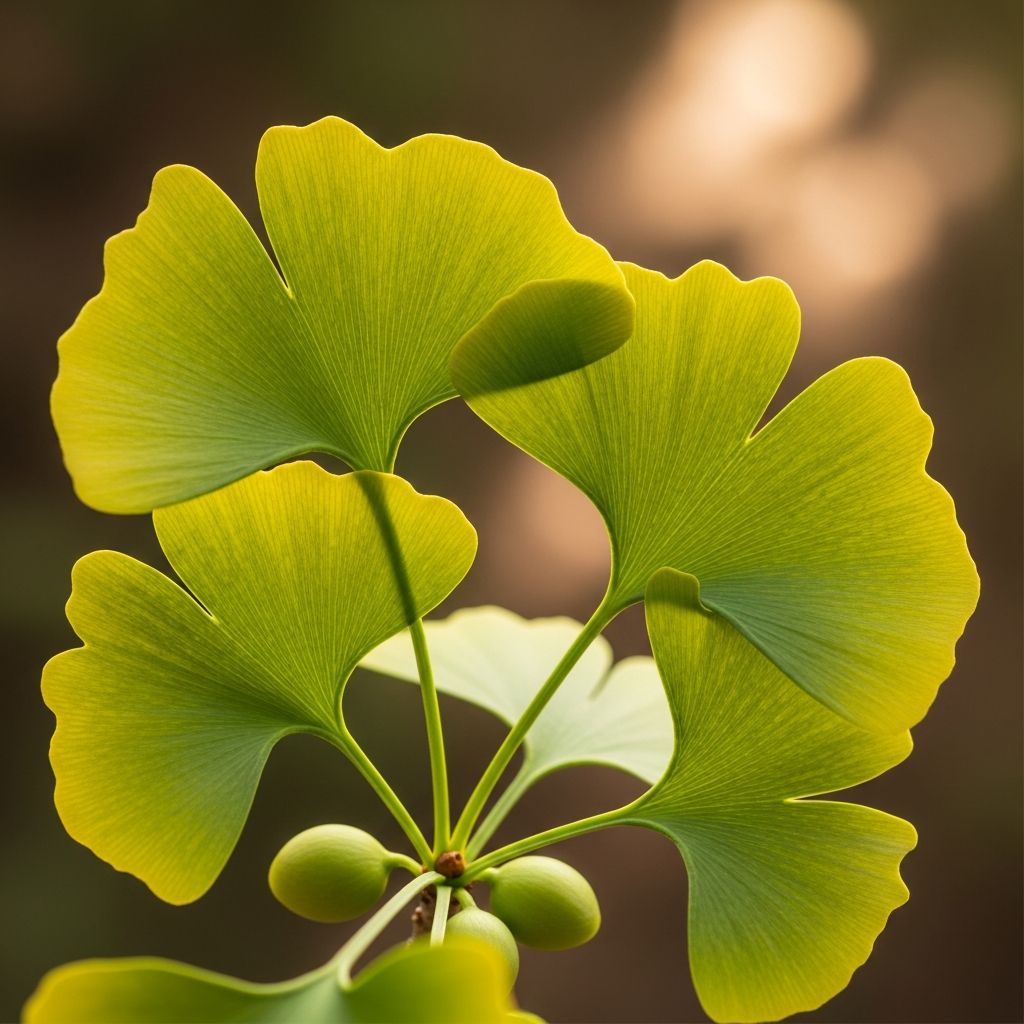
Ginkgo biloba, derived from one of the oldest living tree species, has been used in traditional medicine for centuries. Today, it remains one of the most popular herbal supplements in the United States and Europe, with millions of people taking it daily in hopes of enhancing memory and cognitive function. The supplement is derived from the leaves of the ginkgo tree and is available in various forms, including tablets, capsules, and teas. Understanding what scientific research reveals about this ancient plant is essential for making informed decisions about its use.
What Is Ginkgo Biloba?
Ginkgo biloba is a plant extract that has been studied extensively for its potential health benefits. The standardized preparation most commonly used in clinical research is known as EGb 761. In the United States, ginkgo is classified as a dietary supplement rather than a pharmaceutical medication. Standardized ginkgo preparations typically contain 24 percent ginkgo flavonoid glycosides, 6 percent terpene lactones, and no more than 5 parts per million ginkgolic acids. The major American brands that have undergone clinical testing and are comparable to EGb 761 include Ginkgold, Ginkoba, and Ginkai.
The plant possesses both antioxidant and vasoactive properties, meaning it can help reduce oxidative stress and potentially improve blood flow. These mechanisms of action form the theoretical basis for its use in treating various neurological and vascular conditions.
Proposed Health Benefits
Ginkgo biloba has been studied for a wide range of health conditions. The primary areas of research focus include:
Cognitive Function and Dementia
The most extensively researched application of ginkgo is its potential to improve cognitive function and slow cognitive decline in older adults. Early studies suggested that ginkgo extract could be as effective as certain pharmaceutical treatments for dementia symptoms. However, more recent large-scale clinical trials have produced more cautious findings. The Ginkgo Evaluation of Memory (GEM) study, conducted between 2000 and 2008 with 3,069 participants aged 72 to 96 years, examined whether ginkgo could prevent cognitive decline in older adults. This landmark trial administered 120 mg of ginkgo biloba extract twice daily or placebo to participants over a median follow-up period of 6.1 years. The results showed no significant difference between the ginkgo and placebo groups in rates of cognitive decline, measured through standardized assessments like the Modified Mini-Mental State Examination and the Alzheimer Disease Assessment Scale cognitive subscale.
Age-Related Cognitive Decline
While ginkgo does not appear to prevent dementia in healthy older adults, some research suggests it may have modest effects on cognitive function in certain populations. Studies examining healthy individuals without dementia have shown mixed results. Research using lower doses (120 mg per day) found no benefit on standardized memory and learning tests, while studies using higher doses (180 mg per day) reported clinically significant cognitive benefits in healthy persons. These inconsistent findings suggest that dosage and study methodology play important roles in determining outcomes.
Peripheral Arterial Disease
Ginkgo has demonstrated more consistent benefits for peripheral arterial disease, a condition affecting blood flow to the legs. Scientific evidence shows that ginkgo increases the walking distance that affected individuals can achieve without pain. This benefit is considered minor but measurable, making it one of the more reliably supported uses of the supplement.
Other Investigated Conditions
Researchers have examined ginkgo’s potential effectiveness for numerous other health conditions, including tinnitus, multiple sclerosis, heart disease, high blood pressure, and type 2 diabetes. Emerging evidence suggests potential benefits when ginkgo is combined with metformin for type 2 diabetes management, with studies showing decreased fasting glucose and HbA1C levels. Additionally, ginkgo seed extracts have shown antibacterial activity against pathogens that cause skin infections such as acne, psoriasis, and dermatitis.
Clinical Evidence and Research Findings
Over 120 published clinical studies on ginkgo have been conducted, primarily in Europe. A meta-analysis examining 33 trials concluded that ginkgo appears to be safe and showed promising evidence of improvement in cognition and function among patients with dementia. However, researchers noted that three modern trials showed inconsistent results, suggesting that large trials employing modern methodology are needed to definitively answer questions about treatment effectiveness.
Related Stories



A systematic review of nine studies on ginkgo use demonstrated a safe and positive effect beyond placebo, yet investigators remained tentative about recommending it for dementia treatment until better studies were conducted. When ginkgo extract and second-generation cholinesterase inhibitors were compared directly, research of at least six months duration demonstrated they were equally effective in treating mild to moderate Alzheimer’s dementia.
The National Institutes of Health and the National Center for Complementary and Alternative Medicine sponsored a multicenter, six-year, randomized, double-blind, placebo-controlled trial of 2,000 patients to evaluate the safety and efficacy of ginkgo in preventing dementia and age-related cognitive decline. This substantial research investment underscores the importance placed on understanding ginkgo’s true effects.
Dosage and Administration
Clinical trials have used various dosage regimens, with the most commonly studied dose being 120 mg twice daily, totaling 240 mg per day. Some studies have examined higher doses of 180 mg per day to assess whether increased dosage produces better results. Treatment duration also varies significantly across studies, with researchers noting that benefits may require supplementation for more than five months to become apparent. The optimal dosage and duration for specific health conditions remain subjects of ongoing investigation.
Safety and Side Effects
Ginkgo biloba is generally considered relatively safe for most adults when taken as directed. However, several side effects have been documented in clinical trials and case reports. Common adverse effects include:
- Nausea and digestive upset
- Headache
- Dizziness
- Heart palpitations
More serious safety concerns exist for certain populations. Ginkgo should not be used by pregnant women because it may lead to early labor or excessive bleeding during childbirth. Additionally, because ginkgo has anticoagulant properties and may increase bleeding risk, individuals should discontinue ginkgo supplementation at least two weeks before undergoing surgical procedures. This precaution is particularly important for individuals taking blood-thinning medications, as ginkgo may potentiate their effects and increase bleeding complications.
Regulatory Status and FDA Approval
It is important to note that there is no Food and Drug Administration-approved use for ginkgo biloba. The supplement is regulated under the Dietary Supplement Health and Education Act (DSHEA), which means it is not subject to the same rigorous testing and approval process as pharmaceutical medications. The National Center for Complementary and Integrative Health states that there is no conclusive evidence that ginkgo can benefit any specific health condition. This regulatory distinction means consumers should approach ginkgo supplementation with appropriate caution and realistic expectations about potential benefits.
Comparing Research Evidence: What the Studies Show
| Study Type | Finding | Strength of Evidence |
|---|---|---|
| Meta-analysis of 33 trials | Safe with promising cognition improvements in dementia patients | Moderate |
| GEM Study (3,069 participants) | No effect on cognitive decline in older adults | Strong |
| Peripheral arterial disease studies | Minor but measurable increase in walking distance | Moderate |
| Type 2 diabetes combined therapy | Decreased fasting glucose with metformin combination | Emerging |
Frequently Asked Questions
Q: Does ginkgo biloba improve memory in healthy adults?
A: Research shows mixed results. Lower doses (120 mg daily) showed no benefit in healthy adults without dementia, while higher doses (180 mg daily) demonstrated some cognitive improvements. However, the largest and most rigorous study found no significant effect on cognitive decline in older adults over 6 years.
Q: Can ginkgo prevent Alzheimer’s disease or dementia?
A: The largest clinical trial to date, the GEM study involving over 3,000 participants, found that ginkgo biloba 120 mg twice daily did not prevent cognitive decline or reduce the development of dementia in older adults. While some studies show modest benefits in people already diagnosed with mild to moderate dementia, evidence for prevention is weak.
Q: What is the standard dose of ginkgo biloba?
A: Most clinical trials used 120 mg twice daily, totaling 240 mg per day. Standardized preparations should contain 24 percent ginkgo flavonoid glycosides and 6 percent terpene lactones. Some studies examined higher doses of 180 mg daily with variable results.
Q: Is ginkgo biloba safe to take with other medications?
A: Ginkgo can increase bleeding risk and should not be combined with blood-thinning medications without medical supervision. It should be discontinued at least 2 weeks before surgery. Consult with a healthcare provider before combining ginkgo with other medications, especially anticoagulants.
Q: Who should avoid ginkgo biloba?
A: Pregnant women should avoid ginkgo as it may cause early labor or excessive bleeding during childbirth. People scheduled for surgery should stop taking it 2 weeks before the procedure. Those taking blood-thinning medications should consult their doctor before use.
Q: How long does it take to see benefits from ginkgo biloba?
A: Research suggests that benefits may require supplementation for more than 5 months to become apparent. Most clinical trials lasted at least 6 weeks to several years, indicating that patience is necessary when evaluating ginkgo’s effectiveness.
Q: Is ginkgo biloba approved by the FDA?
A: No, ginkgo biloba has no FDA-approved uses. It is classified as a dietary supplement and is not subject to the same rigorous testing required for pharmaceutical medications. The National Center for Complementary and Integrative Health states there is no conclusive evidence that it benefits any specific health condition.
Key Takeaways
Ginkgo biloba remains one of the most studied herbal supplements, with extensive research in both European and American clinical settings. While the plant does possess antioxidant and vasoactive properties that suggest potential therapeutic benefits, the evidence for most proposed uses remains inconclusive. The most robust clinical trial to date, involving over 3,000 older adults, found no benefit for preventing cognitive decline or dementia. However, ginkgo may provide minor benefits for peripheral arterial disease, and emerging evidence suggests potential applications in other areas when combined with conventional treatments. Consumers considering ginkgo supplementation should have realistic expectations about potential benefits, understand the regulatory status as a dietary supplement rather than an FDA-approved medication, and consult with healthcare providers regarding potential interactions with medications, particularly blood-thinners, and safety precautions before surgery.
References
- Ginkgo Biloba — American Academy of Family Physicians. 2003-09-01. https://www.aafp.org/pubs/afp/issues/2003/0901/p923.html
- Ginkgo biloba for Preventing Cognitive Decline in Older Adults — JAMA Network, Journals of the American Medical Association. 2008. https://jamanetwork.com/journals/jama/fullarticle/185120
- A Systematic Review and Meta-Analysis of Ginkgo biloba in Neuropsychiatric Disorders — National Center for Biotechnology Information, National Institutes of Health. 2013. https://pmc.ncbi.nlm.nih.gov/articles/PMC3679686/
- Ginkgo — Merck Manual Consumer Version. 2024-11-01. https://www.merckmanuals.com/home/special-subjects/dietary-supplements-and-vitamins/ginkgo
- Ginkgo biloba: Health benefits, side effects and risks — Medical News Today. 2022-03-15. https://www.medicalnewstoday.com/articles/263105
- Secrets of the Ginkgo Seeds — Emory News Center. 2019-04-18. https://news.emory.edu/features/2019/04/ginkgo-seeds/index.html
Similar Articles








Read full bio of Sneha Tete