Ginkgo Biloba: 5 Skin Benefits For Radiance And Repair
Exploring the therapeutic uses, dermatological benefits, and safety of Ginkgo biloba in modern medicine.
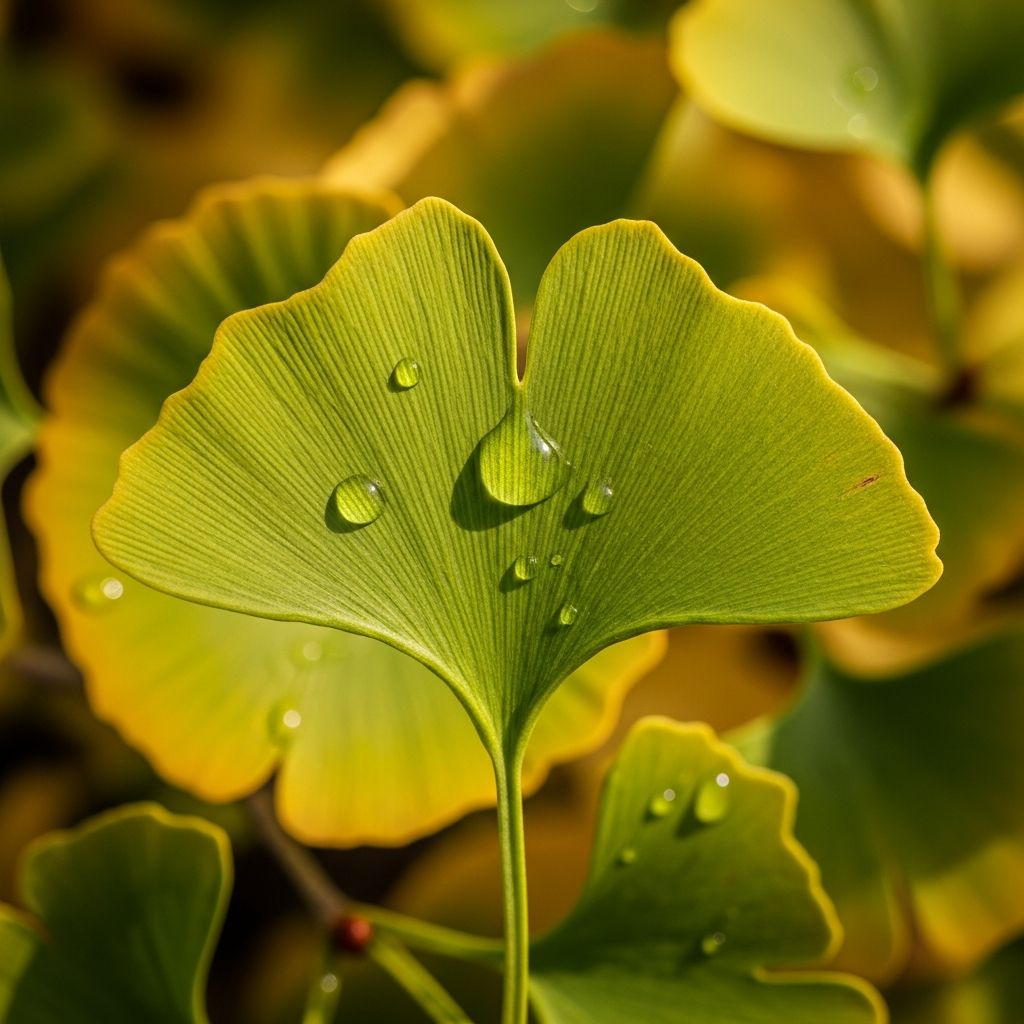
Ginkgo biloba, commonly known as ginkgo or maidenhair tree, is a unique ancient plant species revered for its medicinal properties, particularly in supporting skin health through antioxidant, anti-inflammatory, and circulatory benefits.
What is Ginkgo Biloba?
Ginkgo biloba is the sole surviving species of the Ginkgoaceae family, often called a ‘living fossil’ due to its existence for over 200 million years. Native to China, it has been cultivated worldwide for its fan-shaped leaves and resilience. Traditionally used in Chinese medicine for centuries, ginkgo addresses ailments like asthma, chilblains, and digestive issues. Modern interest focuses on its standardized leaf extracts, such as EGb761, rich in bioactive compounds that promote skin vitality by combating oxidative stress and enhancing microcirculation.
Active Compounds
The therapeutic effects of ginkgo biloba stem from its flavonoid and terpenoid glycoside content, comprising 2227% flavonoids (kaempferol, quercetin, isorhamnetin) and 57% terpenoids (ginkgolides A, B, C; bilobalide). These antioxidants neutralize free radicals, reducing cellular damage that leads to skin aging. Ginkgo also contains ginkgolic acids, linked to antibacterial activity in seeds, though extracts minimize these for safety. Terpenoids exhibit anti-inflammatory properties by inhibiting platelet-activating factor, while flavonoids support vascular health.
Benefits for Skin Health
Ginkgo biloba’s skin benefits arise from its multifaceted actions: antioxidant protection, improved circulation, anti-inflammation, and antimicrobial effects.
Antioxidant Properties
Flavonoids and terpenoids in ginkgo scavenge free radicals, preventing collagen degradation and premature aging. Studies show ginkgo leaf extract protects keratinocytes from oxidative stress, promoting youthful skin texture and reducing wrinkles. In melanocytes, EGb761 activates Nrf2 pathways, boosting antioxidative enzymes and mitigating H2O2-induced damage relevant to vitiligo.
Improved Microcirculation
Ginkgo enhances blood flow in small vessels, delivering oxygen and nutrients to skin cells. This supports healing, even tone, and radiance, with visible improvements in complexion glow.
Anti-Inflammatory Effects
By suppressing inflammation, ginkgo soothes conditions like acne, rosacea, eczema, and atopic dermatitis. It regulates pruritus via neuroprotective mechanisms and inhibits aberrant angiogenesis in psoriasis.
Antibacterial Activity
Ginkgo seeds combat Cutibacterium acnes, Staphylococcus aureus, and Streptococcus pyogenes, pathogens behind acne, psoriasis, and dermatitis. Ginkgolic acid C15:1 correlates with this efficacy, though topical development requires toxicity mitigation.
Depigmentation and Other Effects
Ginkgo inhibits tyrosinase, aiding hyperpigmentation and age spots. It may lighten skin tone and shows anti-cancer potential in lab studies via kaempferol and quercetin.
Clinical Evidence and Uses
Evidence supports ginkgo for various dermatological applications:
- Vitiligo: EGb761 promotes repigmentation in stable cases by protecting melanocytes from oxidative stress via Nrf2 activation.
- Acne and Infections: Seed extracts inhibit skin pathogens, validating ancient uses for chapped skin and infections.
- Atopic Dermatitis and Psoriasis: Anti-inflammatory constituents control symptoms and angiogenesis.
- Aging Skin: Aqueous ethanol extracts demonstrate anti-aging by stimulating antioxidants in keratinocytes.
Topical formulations leverage these for hydration (+44% radiance in tests), barrier strengthening, and cell renewal. Oral supplements improve overall circulation, indirectly benefiting skin.
How to Use Ginkgo Biloba for Skin
Incorporate ginkgo via:
- Topicals: Serums with leaf extracts (e.g., combined with hyaluronic acid, niacinamide) applied twice daily for radiance and anti-aging.
- Oral Supplements: Standardized EGb761 (120240 mg/day) for systemic effects, under medical supervision.
- Tips: Patch test topicals; use sunscreen as ginkgo boosts circulation but not UV protection. Consistent 46 week use yields results.
Side Effects and Precautions
Ginkgo is generally safe but may cause mild gastrointestinal upset, headaches, or allergic skin reactions. It inhibits platelet aggregation, risking bleeding with anticoagulants (e.g., warfarin, aspirin). Avoid pre-surgery, in pregnancy/breastfeeding, or with seizures/epilepsy due to proconvulsant risks in extracts. Ginkgolic acids pose allergenicity; standardized products limit to <5 ppm. Consult physicians for interactions.
Related Stories



History and Traditional Uses
Documented in ‘Ben Cao Gang Mu’ (16th century), ginkgo treated skin infections, rosacea, and itchiness. Leaves aided respiratory and circulatory issues; seeds were antimicrobial. Today, it’s a cosmetic staple for anti-aging and sensitive skin.
Research and Future Directions
Promising studies highlight Nrf2 activation for vitiligo and pathogen inhibition, but large RCTs are needed. Modifying ginkgolic acids could yield safer antibacterials. Ginkgo’s role in inflammatory diseases warrants further exploration.
Frequently Asked Questions (FAQs)
Q: Can Ginkgo biloba help with wrinkles?
A: Yes, its antioxidants neutralize free radicals, protecting collagen and reducing fine lines for smoother skin.
Q: Is Ginkgo biloba safe for sensitive skin?
A: Its anti-inflammatory properties soothe irritation in acne, eczema, and rosacea, but patch test first.
Q: Does Ginkgo biloba treat vitiligo?
A: EGb761 shows repigmentation in stable vitiligo by protecting melanocytes from oxidative stress.
Q: Can Ginkgo biloba fight acne bacteria?
A: Seed extracts inhibit key acne pathogens like C. acnes, though products need refinement for safety.
Q: What dosage of Ginkgo biloba for skin benefits?
A: Topical serums twice daily or 120240 mg oral EGb761; consult a doctor for personalized use.
References
- Ginkgo biloba: benefits for radiant skin 2 Payot. 2023. https://www.payot.com/en-de/blogs/news/les-bienfaits-du-ginkgo-biloba-pour-une-peau-eclatante-et-hydratee
- Ginkgo Biloba Extract 2 Cocoon Apothecary. 2023. https://cocoonapothecary.com/pages/ginkgo-biloba-extract
- Benefits of Ginkgo for the Skin 2 Five Elements Natural Skincare. 2023. https://www.five-elements.co.nz/blogs/news/benefits-of-ginkgo-for-the-skin
- Ginkgo biloba extract protects human melanocytes from H2O2 2 Wiley Online Library. 2020-01-29. https://onlinelibrary.wiley.com/doi/10.1111/jcmm.14393
- Ginkgo seeds may help keep skin blemish-free 2 Medical News Today. 2019-05-28. https://www.medicalnewstoday.com/articles/325028
- Potential of Ginkgo biloba extracts in treating inflammatory skin 2 PubMed. 2024-08-15. https://pubmed.ncbi.nlm.nih.gov/39149101/
- Antioxidant and skin anti-aging effects of GLE 2 Harvard ADSABS. 2021. http://ui.adsabs.harvard.edu/abs/2021TxEHS..13..133K/abstract
Similar Articles








Read full bio of Sneha Tete