Ginseng Benefits: Health Effects & Research
Discover the science-backed health benefits of ginseng and how it may improve your wellness.
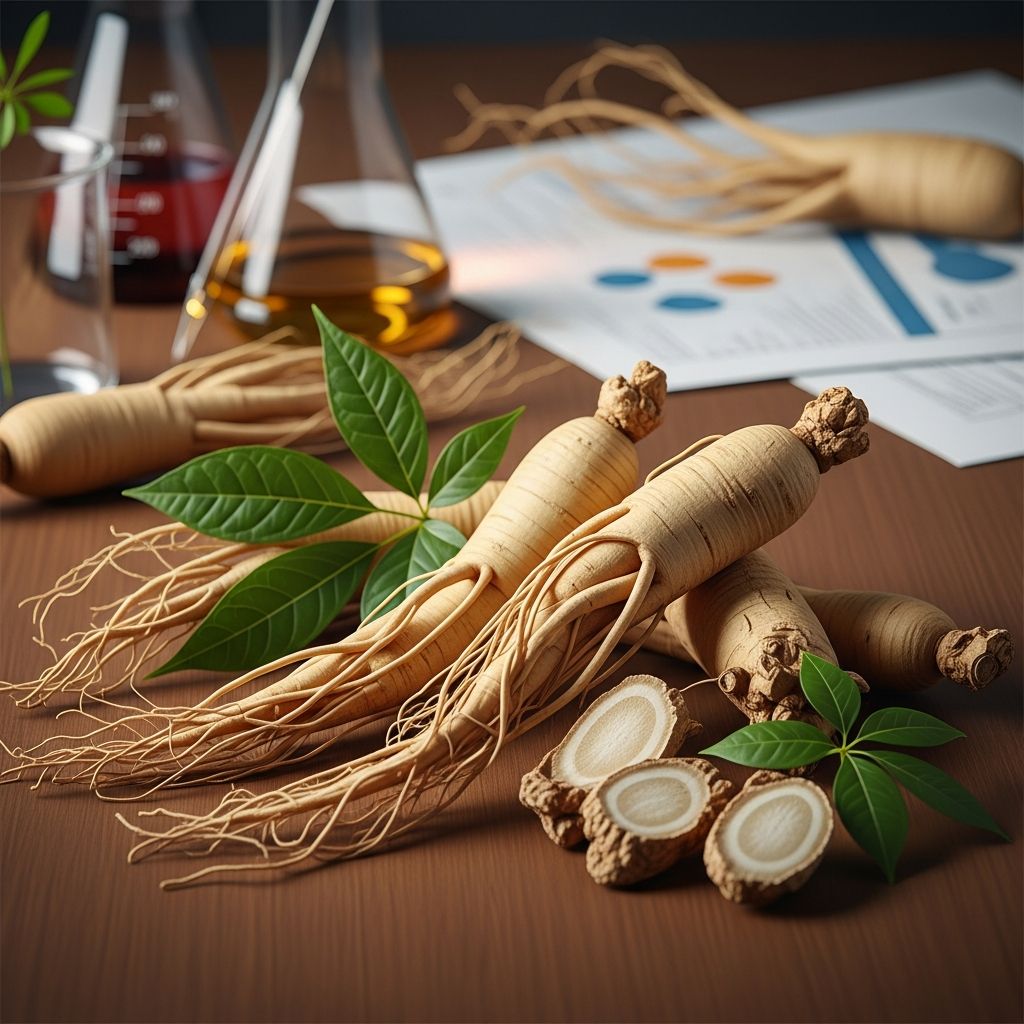
Ginseng is a traditional medicinal plant that has been used for centuries across Asian cultures and is increasingly recognized in Western medicine for its therapeutic potential. This root plant contains multiple chemically active ingredients that exert positive pharmacological effects on the human body. Modern research has documented numerous health benefits associated with ginseng supplementation, from enhancing cognitive function to supporting immune health. Understanding these benefits can help you make informed decisions about whether ginseng supplementation might be appropriate for your wellness routine.
What Is Ginseng?
Ginseng is a medicinal plant from the Panax genus, with the most commonly studied species being Asian ginseng (Panax ginseng) and American ginseng (Panax quinquefolius). The plant’s root is the primary source of therapeutic compounds, which include ginsenosides, polysaccharides, and polyacetylenic alcohols. These bioactive constituents work synergistically to produce the herb’s diverse health effects. The root has been harvested and used in traditional medicine for thousands of years, particularly in East Asian cultures, and its popularity has grown globally as scientific research validates many historical claims about its health-promoting properties.
Key Health Benefits of Ginseng
1. Reduces Inflammation Through Antioxidant Action
One of ginseng’s most well-documented benefits is its ability to reduce inflammation and provide antioxidant protection. Ginseng contains beneficial antioxidant and anti-inflammatory compounds that help neutralize harmful free radicals and suppress inflammatory pathways in the body. A 2022 study examining 12 physically active males found that short-term supplementation with American ginseng extract reduced exercise-induced muscle damage and decreased markers of inflammation compared with a placebo. Animal studies further support this benefit, with research in mice suggesting that ginseng root extract could help reduce inflammation, though additional human trials are needed to confirm these findings.
2. Enhances Brain Function and Cognitive Performance
Ginseng shows promising effects for supporting brain health and cognitive function. Research indicates that ginseng could help improve memory, behavior, and mood while supporting overall cognitive performance. A substantial 2018 study of 6,422 older adults found that regular consumption of ginseng for at least 5 years was associated with improved cognitive function later in life. Beyond memory enhancement, a 2017 review concluded that ginseng could also help ease stress and may offer benefits for individuals experiencing depression and anxiety. The mechanisms underlying these cognitive benefits involve the herb’s ability to enhance neurotransmitter release, inhibit neuronal apoptosis, and protect neurons from toxic damage, with specific ginsenosides like Rg1, Rb1, Rg3, and Rh2 being particularly effective for learning and memory acquisition.
3. Improves Sexual Function and Erectile Dysfunction
Ginseng has demonstrated therapeutic potential for sexual dysfunction, particularly erectile dysfunction. A systematic umbrella review of meta-analyses found that ginseng was beneficial for improving sexual function when compared with control treatments. This benefit appears to be consistent across different ginseng varieties and populations, making it a natural option for individuals seeking non-pharmaceutical interventions for sexual health concerns.
4. Boosts Immune System Function
Ginseng possesses potent immunomodulatory properties that enhance the body’s defense mechanisms. According to a 2020 review, ginseng possesses potent antibacterial, antifungal, and antiviral properties that may enhance overall immune system function. Ginseng supplementation has been shown to improve key immune parameters, including CD3+, CD4+, CD8+, and CD4+/CD8+ ratios. A 2018 animal study found that black red ginseng extract increased the number of immune cells and enhanced antioxidant levels in the liver. Additionally, ginseng has demonstrated positive effects on survival rates in cancer patients, with one clinical study reporting that patients who took ginseng after curative surgery had up to a 35% higher chance of disease-free living for 5 years and up to a 38% higher survival rate compared to those who did not take it.
5. Fights Fatigue and Increases Energy Levels
Ginseng has been extensively studied for its ability to combat fatigue and boost energy production at the cellular level. A 2021 animal study linked specific ginseng components, such as polysaccharides and oligopeptides, with lower oxidative stress and higher energy production in cells, which could help decrease fatigue. A comprehensive 2018 review of 10 studies concluded that ginseng could significantly improve symptoms of chronic fatigue syndrome compared with a placebo, with benefits appearing even after just 15 days of use. For cancer-related fatigue specifically, a 2021 review showed that taking American or Asian ginseng could decrease symptoms when taken in doses of 2,000 mg or 3,000 mg per day, respectively.
6. Protects Against Cancer and Supports Cancer Treatment
Ginseng demonstrates antitumor and supportive properties relevant to cancer management. The herb’s ginsenosides possess antitumor activity and may provide protective effects during and after cancer treatment. Research indicates that ginseng supplementation had positive effects on the 1-year and 2-year survival rates of patients with non-small cell lung cancer. Furthermore, as mentioned previously, patients who took ginseng following cancer surgery showed significantly improved disease-free survival and overall survival rates, suggesting ginseng’s potential role as a complementary therapy in cancer care.
7. Lowers Blood Sugar and Supports Metabolic Health
Ginseng appears to be beneficial in the management of blood sugar levels in people both with and without diabetes. American and Asian ginseng may improve pancreatic cell function, boost insulin production, and enhance the uptake of blood sugar in tissues. An 8-week study from 2019 showed that taking 3 grams per day of American ginseng significantly reduced fasting blood sugar levels in participants who were also continuing their regular diabetes treatment. This benefit extends to other metabolic indicators; the comprehensive umbrella review found that ginseng was beneficial for improving glucolipid metabolism and other metabolic markers.
8. Relieves Menopausal Symptoms
Women experiencing menopausal symptoms may find relief through ginseng supplementation. Research demonstrates that ginseng was beneficial for improving menopausal symptoms when compared with control treatments. This makes ginseng a potentially valuable natural option for women seeking alternatives to hormone replacement therapy or complementary approaches to managing the transitional menopausal period.
How Ginseng Works in the Body
Ginseng’s diverse health effects stem from its complex chemical composition and multiple mechanisms of action. The active compounds in ginseng can interact with membrane-bound ion channels, cell membranes, and both extracellular and intracellular receptors, causing beneficial alterations at the transcriptional level. These mechanisms include anti-inflammatory, antioxidant, antibacterial, antiviral, and antifungal activities. Additionally, ginseng can negatively regulate pro-inflammatory cytokine expression and accelerate inflammation regression. For energy and physical performance, ginseng may work by increasing SIRT1 deacetylase activity, improving energy metabolism, and inhibiting oxidative stress in skeletal muscles.
How to Use Ginseng
Ginseng is available in multiple forms to suit different preferences and needs:
- Dried root: Can be steeped as a tea or added to soups and broths
- Capsules and tablets: Convenient for precise dosing, typically containing standardized ginseng extracts
- Liquid extracts: Allow for flexible dosing and rapid absorption
- Fresh root: Can be sliced and used in cooking or brewed as tea
Research studies have used various dosing protocols. For blood sugar management, 3 grams per day of American ginseng was effective in clinical trials. For cancer-related fatigue, doses of 2,000 mg of American ginseng or 3,000 mg of Asian ginseng per day were beneficial. However, it is best to talk with a healthcare professional before taking ginseng to determine the appropriate dose for your individual circumstances, health status, and any potential interactions with medications or supplements you may be taking.
Safety and Side Effects
Ginseng is generally considered safe with a good safety profile. However, like all supplements, it may cause adverse effects in some individuals. The most commonly reported side effects are gastrointestinal symptoms such as nausea, diarrhea, or stomach upset. Additionally, ginseng may have potential bleeding effects, so individuals taking blood thinners or anticoagulant medications should consult with their healthcare provider before use. No serious adverse events have been reported in clinical studies, but individual responses may vary. Pregnant and breastfeeding women should avoid ginseng unless specifically recommended by their healthcare provider, as research on its safety in these populations is limited.
Ginseng Comparison Chart
| Type of Ginseng | Primary Origin | Main Benefits | Typical Dosage |
|---|---|---|---|
| Asian Ginseng (Panax ginseng) | East Asia | Energy, stress relief, immune support | 1-2 grams daily |
| American Ginseng (Panax quinquefolius) | North America | Blood sugar control, cognitive function | 2-3 grams daily |
| Red Ginseng | East Asia | Fatigue, immune function | 1-2 grams daily |
Frequently Asked Questions About Ginseng
Q: How long does it take to see benefits from ginseng?
A: The timeline varies depending on the specific benefit you’re seeking. Some people report improved energy within days, while cognitive and immune benefits typically require consistent use for several weeks to months. For optimal results, many studies indicate that taking ginseng for at least 5 years is associated with the greatest benefits.
Q: Is it safe to take ginseng with other medications?
A: Ginseng can interact with certain medications, particularly blood thinners and medications for diabetes or depression. It is essential to consult with your healthcare provider before adding ginseng to your regimen if you take any prescription medications.
Q: Can ginseng replace my diabetes medication?
A: No. While ginseng may help lower blood sugar levels, it should not replace prescribed diabetes medications. In research studies, participants continued their regular diabetes treatment while adding ginseng as a complementary therapy. Always consult your doctor before making any changes to your treatment plan.
Q: Are there differences between Asian and American ginseng?
A: Yes. Asian ginseng (Panax ginseng) is typically considered more stimulating and is traditionally used for fatigue and energy. American ginseng (Panax quinquefolius) is often considered more calming and has shown particular benefits for blood sugar management and cognitive function. Both varieties contain similar active compounds but may have slightly different proportions.
Q: Who should avoid taking ginseng?
A: Pregnant and breastfeeding women should avoid ginseng unless specifically recommended by their healthcare provider. Additionally, people taking blood thinners, certain diabetes medications, or medications for depression should consult their doctor before using ginseng due to potential interactions.
The Bottom Line
Ginseng is a well-researched medicinal herb with multiple evidence-based health benefits. From reducing inflammation and supporting brain function to boosting immunity, fighting fatigue, managing blood sugar, and improving sexual function, ginseng offers a comprehensive approach to natural wellness support. The herb’s complex array of bioactive compounds work through multiple mechanisms to provide these diverse health effects. However, it is important to recognize that while many benefits are supported by scientific research, more studies are necessary to fully understand ginseng’s potential and optimize its use for different populations and conditions. Before incorporating ginseng into your health routine, it is best to speak with a medical professional. They can advise on how much you should take, how frequently, and whether ginseng is appropriate for your specific health circumstances, particularly if you take other medications or have existing health conditions.
References
- 7 Possible Health Benefits of Ginseng — Healthline, Medically reviewed by Marie Lorraine Johnson MS, RD, CPT. 2024-09-27. https://www.healthline.com/nutrition/ginseng-benefits
- Ginseng and health outcomes: an umbrella review — Frontiers in Pharmacology, peer-reviewed meta-analysis. 2023. https://www.frontiersin.org/journals/pharmacology/articles/10.3389/fphar.2023.1069268/full
- Pharmacological Potential of Ginseng & Ginsenosides — National Center for Biotechnology Information (NCBI/PubMed Central). 2022. https://pmc.ncbi.nlm.nih.gov/articles/PMC8020288/
- Biological Activities of Ginseng and Its Application to Human Health — National Library of Medicine (NIH Bookshelf). https://www.ncbi.nlm.nih.gov/books/NBK92776/
Similar Articles








Read full bio of medha deb