Iron For Teens: 9 Key Signs, Best Foods, And Safe Steps
Boost your teen's iron intake with smart food choices to support growth, energy, and health during adolescence.
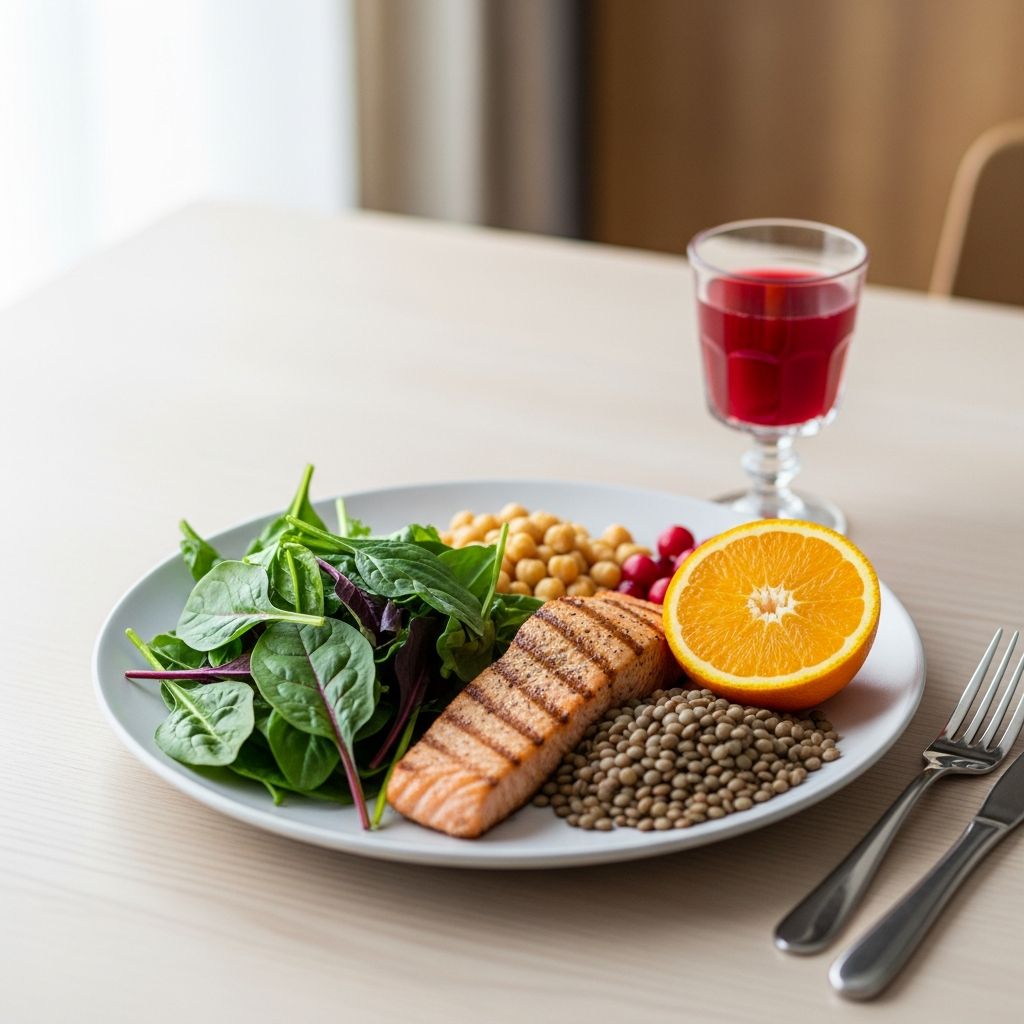
Give Your Teen’s Iron a Boost
Adolescence marks a critical growth phase where teens’ bodies undergo rapid changes, demanding higher nutrient intake. Iron stands out as one of the most commonly lacking minerals in teen diets, despite its abundance in the U.S. food supply through natural, enriched, and fortified sources. While parents might suspect calcium shortages, iron deficiency poses a significant risk, particularly for adolescent girls.
Why Teens Need More Iron
During childhood from ages 9 to 13, both boys and girls require about 8 milligrams of iron daily. However, as teens enter ages 14 to 18, their needs escalate due to increased muscle mass, expanded blood volume, and growth spurts. Females in this group need 15 milligrams daily, while males require 11 milligrams. These recommendations from the Recommended Dietary Allowance (RDA) account for the physiological demands of puberty.
Girls face heightened risk from menstrual blood loss, which depletes iron stores monthly. Teens on calorie-restricted diets for weight management often cut out iron-rich foods, exacerbating shortages. Vegetarian or vegan adolescents may struggle if they don’t strategically pair plant-based irons with absorption enhancers. Children from food-insecure households encounter even greater challenges, with limited access to diverse iron sources.
| Age Group | Males | Females |
|---|---|---|
| 9-13 years | 8 | 8 |
| 14-18 years | 11 | 15 |
| 19-50 years | 8 | 18 |
What Iron Does in the Body
Iron is indispensable for oxygen transport in hemoglobin within red blood cells, delivering life-sustaining oxygen from lungs to muscles, brain, and tissues while aiding carbon dioxide removal. This process fuels energy production at the cellular level. Beyond transport, iron supports brain function, cognitive performance, and a robust immune system, helping teens ward off infections.
Without adequate iron, red blood cells falter, leading to iron deficiency anemia—the most prevalent anemia type in the U.S. Low iron impairs physical endurance, mental focus, and overall vitality, critical for active teens juggling school, sports, and social lives.
Signs and Symptoms of Iron Deficiency
Iron deficiency can be insidious, sometimes presenting no obvious signs until advanced. Pediatricians should evaluate via blood tests, as symptoms vary. Common indicators include:
- Fatigue and weakness: Persistent tiredness hampers daily activities and school performance.
- Shortness of breath: Especially during exertion, signaling poor oxygen delivery.
- Frequent infections: Weakened immunity leads to more colds and illnesses.
- Poor concentration: Brain fog affects learning and memory.
- Pale skin: Reduced hemoglobin shows visibly.
- Lightheadedness or dizziness: From inadequate brain oxygenation.
- Irregular heartbeat: Heart compensates for low oxygen.
- Headaches: Common complaint in deficient teens.
- Brittle, spoon-shaped nails: Concave, thin nails signal chronic shortage.
Athletic teens may notice lackluster workouts, early fatigue, or reduced performance, mistaking it for poor training. Early detection prevents long-term issues like developmental delays or anemia.
How to Get More Iron: Top Food Sources
Incorporating iron-rich foods boosts intake effectively. Iron exists in two forms: heme iron from animal sources, absorbed at 15-35% efficiency, and non-heme iron from plants, absorbed at 2-20% but enhanced by vitamin C.
Animal Sources (Heme Iron)
- Lean beef: 3 oz provides ~2.5 mg (high absorption).
- Oysters: Exceptional source, 3 oz ~8 mg.
- Chicken or turkey: Dark meat offers more iron.
- Poultry and seafood: Versatile for meals.
Plant Sources (Non-Heme Iron)
- Beans and lentils: 1 cup cooked ~6 mg.
- Tofu: ½ cup ~3 mg.
- Spinach and dark leafy greens: 1 cup cooked ~6 mg.
- Fortified cereals: Check labels for 18 mg per serving.
- Nuts like cashews: 1 oz ~2 mg.
- Enriched breads and whole grains.
Cooking in cast-iron skillets leaches iron into foods, especially acidic ones like tomato sauce. Always check Nutrition Facts Labels: Aim for foods with ≥20% Daily Value (%DV) per serving for “good sources.”
Boosting Iron Absorption
Maximize uptake with strategic pairings. Pair non-heme iron with vitamin C-rich foods:
- Iron-fortified cereal + strawberries or orange juice.
- Bean chili with tomatoes and bell peppers.
- Spinach salad with citrus dressing or kiwi.
Avoid inhibitors near iron meals: Calcium (milk), tea, coffee, and high-fiber foods reduce absorption. Space them out.
| Enhancers | Inhibitors |
|---|---|
| Vitamin C foods: Citrus, strawberries, peppers | Calcium: Dairy, supplements |
| Animal proteins | Tannins: Tea, coffee |
| Cast-iron cooking | Phytates: Whole grains, legumes (if excessive) |
Special Considerations for Teens
Athletes: Intense training increases iron loss via sweat, foot-strike hemolysis, and higher turnover. Monitor closely.
Vegetarians/Vegans: Double non-heme intake to compensate; focus on fortified foods and C-pairings.
Weight-Conscious Teens: Choose nutrient-dense, low-calorie options like lean meats or veggies over empty calories.
A registered dietitian nutritionist (RDN) tailors plans, ensuring balance without excess calories.
Iron Supplements: Use with Caution
Supplements correct deficiencies but only under physician supervision with blood monitoring. Excess iron harms, risking toxicity, constipation, or organ damage—especially dangerous for children. Diet-first approach is safest.
Frequently Asked Questions (FAQs)
Q: How can I tell if my teen is iron deficient?
Symptoms like fatigue, pale skin, or poor focus warrant a doctor’s blood test for ferritin and hemoglobin levels.
Q: Are iron-fortified cereals enough for teens?
They contribute significantly but combine with diverse sources and vitamin C for full needs.
Q: Can vegetarians meet iron RDAs?
Yes, with planning: fortified foods, legumes, greens + vitamin C. Absorption is lower, so portions matter.
Q: Does exercise increase iron needs?
Yes, athletes lose more via sweat and red cell damage; monitor intake.
Q: When should teens avoid iron supplements?
Without deficiency diagnosis—excess is toxic. Always consult a doctor.
Find a Nutrition Expert
Seeking personalized advice? The Academy of Nutrition and Dietetics connects you with credentialed RDNs for teen-specific plans.
References
- Give Your Teen’s Iron a Boost — Academy of Nutrition and Dietetics. 2023. https://www.eatright.org/health/essential-nutrients/minerals/give-your-teens-iron-a-boost
- Iron — Academy of Nutrition and Dietetics. 2023. https://www.eatright.org/health/essential-nutrients/minerals/iron
- Iron Deficiency — Academy of Nutrition and Dietetics. 2023. https://www.eatright.org/health/essential-nutrients/minerals/iron-deficiency
- Dietary Reference Intakes for Iron — National Academies Press (NIH). 2001 (authoritative standard). https://nap.nationalacademies.org/catalog/10026
- Iron Fact Sheet for Health Professionals — National Institutes of Health (NIH). 2022-11-09. https://ods.od.nih.gov/factsheets/Iron-HealthProfessional/
- Iron-Deficiency Anemia in Children — American Academy of Pediatrics. 2024. https://publications.aap.org/pediatrics/article/150/3/e2022058615/189000
Similar Articles


Read full bio of medha deb