Glanders: Complete Guide To Symptoms, Diagnosis, Treatment
Rare bacterial zoonosis caused by Burkholderia mallei, primarily affecting equids with severe human implications.
Last updated: January 28, 2026
Synonyms: Farcy, malleus, equinia
What is glanders?
Glanders is a rare, sporadic, highly contagious zoonotic disease caused by the aerobic, non-motile Gram-negative bacillus Burkholderia mallei (formerly known as Malleomyces mallei, Actinobacillus mallei, Pfaffia mallei, Alcaligenes mallei and Bacillus mallei). It primarily affects horses, donkeys and mules but can infect other mammals including goats, dogs, cats, pigs and rarely humans.
The disease has been recognised for millennia, with the earliest written description dating back to 450–430 BC in Hippocratic writings. It was a significant problem for military horses until the advent of effective tests and chemotherapy in the early 20th century. Glanders is endemic in parts of Asia, Africa, the Middle East and South America. It has been eradicated from North America, Western Europe, Australia and New Zealand.
In equids, glanders manifests in nasal, pulmonary and/or cutaneous forms (farcy). Human infection is extremely rare and usually occurs through occupational exposure via skin abrasions, inhalation or ingestion. The disease is notifiable and requires mandatory reporting due to its potential as a bioterrorism agent (CDC Category B).
Who gets glanders?
Glanders primarily affects equids (horses, donkeys, mules), with horses being most susceptible, followed by mules and donkeys. Other animals including goats, sheep, dogs, cats and pigs can become infected but are less commonly affected.
Human cases are rare and almost always linked to occupational exposure in endemic areas:
- Veterinarians, horse trainers and farriers
- Abattoir workers handling infected equids
- Laboratory personnel working with B. mallei
- Military personnel in endemic regions
Between 2000–2015, only 30 human cases were reported worldwide, mostly from Brazil, Turkey, India, Iran, Lebanon, UAE and Pakistan. No autochthonous cases have occurred in the US since 1946 or UK since 1927 (imported case).
What causes glanders?
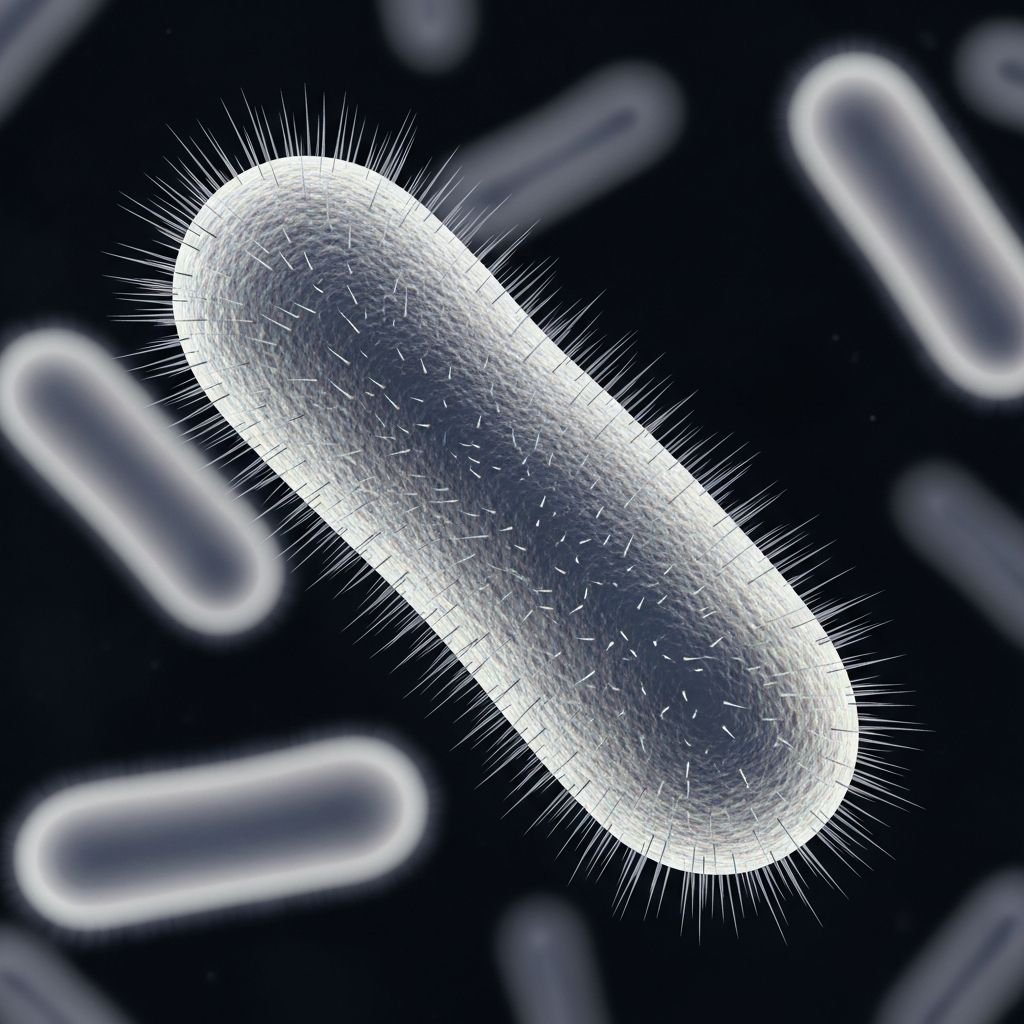
Burkholderia mallei is a non-motile, aerobic, Gram-negative rod measuring 0.5 × 1.5 μm. It is an obligate parasite that survives poorly outside the host (days in pus, hours in dried discharges). The bacterium is highly infectious and resistant to drying, heat and many disinfectants.
Transmission occurs via:
- Direct contact with infected animals’ nasal discharges, pus, urine or faeces through skin cuts/abrasions
- Inhalation of respiratory droplets or contaminated dust
- Ingestion of contaminated food/water
- Fomites (harnesses, mangers, water troughs)
- Venereal spread in equids
There is no natural insect vector, but mechanical transmission by flies is possible. The infectious dose is low (<10 organisms via intradermal route). Humans are accidental dead-end hosts; no person-to-person transmission documented.
What are the clinical features of glanders?
The
incubation period
varies from 1–21 days (typically 2–6 weeks), but chronic cases may take months to manifest. Clinical presentation depends on entry portal, inoculum size and host immunity.Related Stories



Common systemic symptoms (all forms): fever, rigors, night sweats, myalgia, headache, pleuritic chest pain, anorexia, weight loss.
Localised (cutaneous) glanders
Most common form in humans (60–70% cases). Bacteria enter via skin abrasions:
- Single or multiple nodules (1–5 cm) at inoculation site
- Progress to crateriform ulcers with honey-coloured crusts and serosanguinous discharge
- Lymphangitis with nodular lymphatics (‘farcy pipes’)
- Lymphadenitis with abscess formation
Lesions heal slowly with characteristic star-shaped scars.
Pulmonary glanders
Via inhalation. Mimics lobar pneumonia or tuberculosis:
- Cough (dry → productive), haemoptysis
- Dyspnoea, pleuritic pain
- Pulmonary abscesses, consolidation, pleural effusion
- Chest X-ray: patchy infiltrates, nodules, cavitation
May progress to ARDS and sepsis.
Septicaemic/disseminated glanders
Rapidly fatal (7–10 days). Multi-organ failure with:
- Miliary abscesses (liver, spleen, muscle)
- Pustular rash, ecthyma gangrenosum-like lesions
- Endocarditis, meningitis (rare)
Mortality approaches 95% untreated.
Chronic glanders
Intermittent fever, weight loss, recurrent abscesses (skin, muscle, viscera). May persist months–years.

Figure 1: Nasal glanders in a horse. Credit: Public domain.
How is glanders diagnosed?
High clinical suspicion in at-risk individuals with compatible exposure history and:
- Ulcerative nodules with lymphangitis
- Pulmonary infiltrates + sepsis
- Mulberry-like abscesses on imaging
Laboratory diagnosis
Notify laboratory immediately (BSL-3 handling required).
| Test | Sample | Sensitivity/Specificity |
|---|---|---|
| Culture (gold standard) | Pus, sputum, blood, tissue | High (tell lab suspect glanders) |
| PCR | Clinical samples | High specificity |
| Serology (IFA, ELISA) | Serum | Acute/chronic diagnosis |
| Maltein test | Intradermal (equids) | Screening (not humans) |
Culture shows grey-white wrinkled colonies after 48–72h on blood agar at 37°C. Confirm with biochemical tests, PCR.
What is the differential diagnosis for glanders?
- Melioidosis (B. pseudomallei) – identical presentation
- Tularemia, anthrax, plague
- Mycobacterial infections (TB, atypical)
- Fungal: sporotrichosis, histoplasmosis
- Pyoderma gangrenosum, ecthyma
What is the treatment for glanders?
Supportive care + prolonged antibiotics (no RCTs due to rarity). Treat empirically as melioidosis.
| Phase | Duration | Regimen (adult) |
|---|---|---|
| Intensive | 10–14 days | Meropenem 25 mg/kg IV Q8H OR Ceftazidime 50 mg/kg IV Q6H |
| Eradication | 3–6 months | Trimethoprim-sulfamethoxazole 8/40 mg/kg PO BD ± Doxycycline 100 mg PO BD |
Alternatives: imipenem, ceftriaxone, gentamicin, ciprofloxacin. B. mallei intrinsically resistant to penicillins, 1st/2nd gen cephalosporins. Surgical drainage of abscesses. Mortality 40–60% even with treatment.
What is the outcome for glanders?
Untreated: 95% mortality (septicaemia), 40% (localised).
Treated: 30–50% mortality depending on form and promptness. Survivors risk relapse (re-treat 3–6 months). Chronic carriers possible.
How can glanders be prevented?
No human vaccine. Prevention focuses on animal disease control:
- Test-and-slaughter in endemic areas (Coggins test, mallein)
- Quarantine imported equids (6 months)
- PPE: gloves, masks, goggles when handling suspect animals
- Disinfection: 10% bleach, 1% formaldehyde
- BSL-3 labs for cultures
Related topics
- Melioidosis
- Anthrax
- Tularemia
- Burkholderia cepacia infections
Frequently asked questions about glanders
Q: Is glanders contagious from person to person?
A: No documented person-to-person transmission. Humans are dead-end hosts.
Q: Can glanders be transmitted by insects?
A: No natural insect vector, but mechanical transmission by flies possible.
Q: How long does glanders survive outside the host?
A: Days in pus, hours when dried. Killed by pasteurisation.
Q: Is there a vaccine for glanders?
A: No licensed vaccine for humans or animals.
Q: What animals get glanders?
A: Primarily horses, donkeys, mules. Others: goats, dogs, cats (less common).
References
- Glanders – DermNet NZ — DermNet New Zealand. 2021. https://dermnetnz.org/topics/glanders
- Glanders | School of Veterinary Medicine — UC Davis. 2023-05-15. https://ceh.vetmed.ucdavis.edu/health-topics/glanders
- Glanders Factsheet — North Dakota HHS. 2022. https://www.hhs.nd.gov/glanders-factsheet
- Glanders Factsheet [PDF] — Center for Food Security and Public Health, Iowa State University. 2018-07. https://www.cfsph.iastate.edu/Factsheets/pdfs/glanders.pdf
- Glanders and Melioidosis [PDF] — LA County Public Health. 2020. http://publichealth.lacounty.gov/acd/procs/b73/DiseaseChapters/B73GlandersMelioidosis.pdf
- Glanders Fact Sheet — Virginia Department of Health. 2023. https://www.vdh.virginia.gov/epidemiology/epidemiology/epidemiology-fact-sheets/glanders/
Similar Articles








Read full bio of medha deb