Glassy Eyes: Causes, Treatments, And Prevention Guide
Discover the common and serious causes of glassy eyes, from intoxication to infections, plus prevention tips for healthy vision.
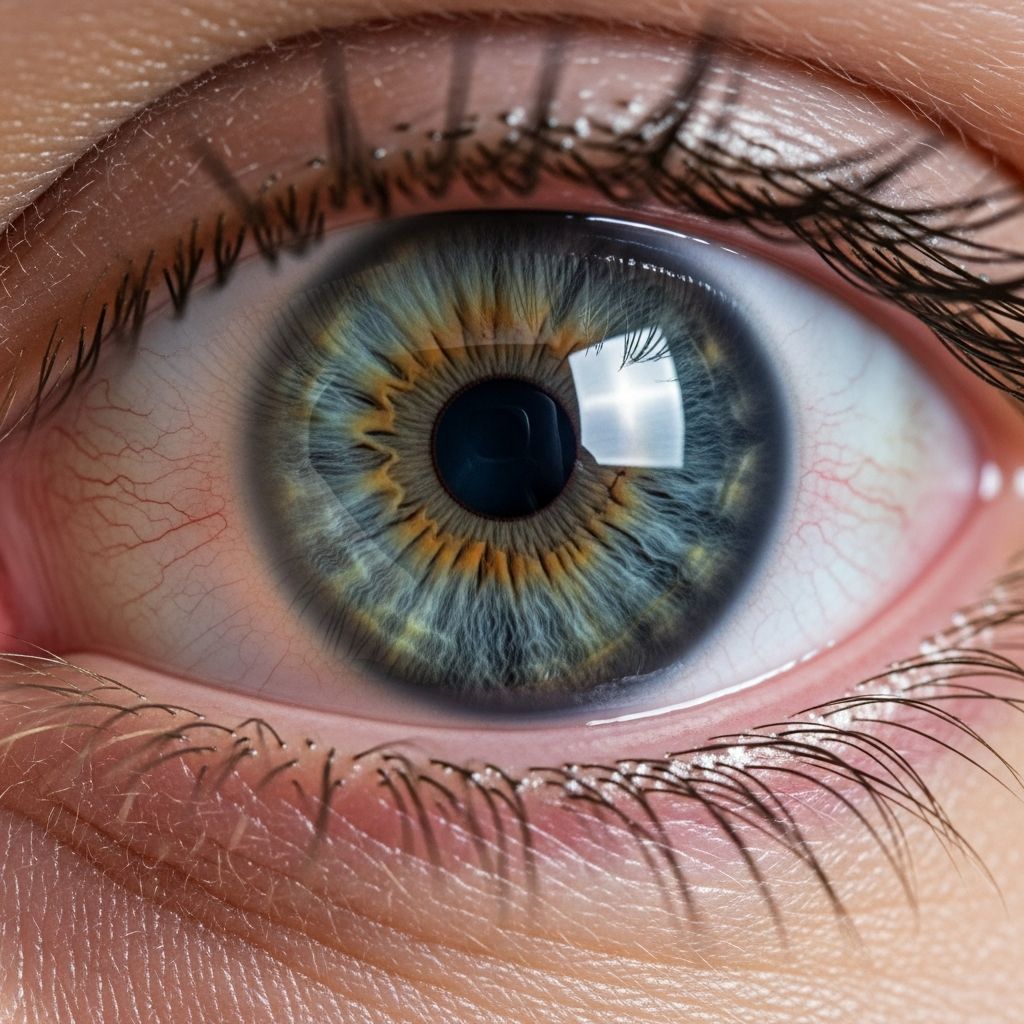
Glassy eyes occur when the eyes appear shiny, glazed, or unfocused due to disruptions in the tear film that keeps them lubricated and clear. This condition can stem from benign issues like dehydration or allergies to more serious ones like infections or autoimmune disorders. Understanding the underlying causes is essential for proper treatment and prevention.
What Are Glassy Eyes?
Glassy eyes typically manifest as a shiny or watery appearance, often making the gaze seem distant or unfocused. This look arises from an imbalance in the tear film—a thin layer of moisture comprising water, oils, and mucus that protects and lubricates the eye surface. When this film is disrupted by dryness, irritation, or inflammation, light reflects unevenly, creating the characteristic glaze.
While often temporary, persistent glassy eyes warrant medical attention, as they may indicate dehydration, substance use, or underlying health issues. Early intervention can prevent complications like chronic dryness or vision impairment.
Common Causes of Glassy Eyes
Several factors can lead to glassy eyes, ranging from everyday habits to medical conditions. Below, we detail the primary causes based on medical reviews.
1. Intoxication
Substance intoxication, particularly from alcohol, marijuana, or prescription drugs, is a leading cause of glassy eyes. These substances impair the central nervous system, reducing blink rate and causing the eyes to dry out. Symptoms include slurred speech, imbalance, drowsiness, and dilated pupils alongside the glassy appearance.
Diagnosis involves blood, breath, or urine tests, with treatment relying on time for the body to metabolize the substance. Hydration and rest accelerate recovery.
2. Allergies
Eye allergies trigger excessive tearing or dryness, leading to a glassy sheen. Allergens like pollen, dust, or pet dander irritate the conjunctiva, causing inflammation and disrupted tear production. Accompanying symptoms include itching, redness, and swelling.
Treatment includes antihistamine eye drops, avoiding triggers, and cold compresses. Severe cases may require oral antihistamines.
3. Dehydration
Dehydration, especially in children, causes glassy eyes by reducing tear production. Signs include dry mouth, thirst, lightheadedness, and reduced urination. Severe cases show extreme sleepiness, no saliva, and no urination for 6-8 hours.
Mild dehydration resolves with increased water intake (at least eight 8-oz glasses daily). Severe instances need IV fluids in a medical setting.
4. Dry Eyes
Chronic dry eye syndrome occurs when glands fail to produce enough tears or tears evaporate too quickly. Factors like prolonged screen time, aging, or medications contribute. The result is irritation, a glassy look from uneven light reflection, and discomfort.
- Common triggers: Air conditioning, wind, or contact lens overuse.
- Symptoms: Burning, stinging, blurred vision.
5. Conjunctivitis (Pink Eye)
This inflammation of the conjunctiva—viral, bacterial, or allergic—causes redness, glassy appearance, and discharge. Viral and bacterial forms are contagious, spreading via contact.
Related Stories



Treatment varies: antibiotics for bacterial, supportive care for viral (resolves in 1-2 weeks), and antihistamines for allergic.
6. Cholera
Rare in the U.S. but prevalent in parts of Africa, Asia, India, Mexico, and South/Central America, cholera bacteria cause severe dehydration via diarrhea and vomiting, leading to glassy eyes. It’s waterborne and potentially fatal without prompt care.
Rehydration salts and antibiotics are standard treatments. Prevention involves safe water practices.
7. Herpes (Herpes Simplex Virus)
HSV-1, known for cold sores, can infect eyes, causing redness, glassy texture, light sensitivity, tearing, and eyelid blisters. It’s recurrent in some individuals.
Antiviral medications like acyclovir ointments treat outbreaks. Early intervention prevents corneal damage.
8. Graves’ Disease
This autoimmune thyroid disorder leads to Graves’ ophthalmopathy, where eye muscles and tissues inflame, causing eyelid retraction, dryness, and glassy eyes. Other signs: swollen neck (goiter), weight loss, hair thinning.
Management includes thyroid medications, steroids, or surgery for severe cases. Eye lubricants provide symptomatic relief.
Other Causes
Less common triggers include hypoglycemia (low blood sugar), causing temporary glaze from metabolic imbalance, and computer vision syndrome (CVS) from reduced blinking during screen use, leading to dryness and strain.
Treatments for Glassy Eyes
Treatment targets the root cause:
- Dry eyes/allergies: Artificial tears, antihistamines, or prescription drops.
- Infections (conjunctivitis, herpes): Antibiotics or antivirals.
- Dehydration/intoxication: Fluids and rest.
- Systemic issues (Graves’, cholera): Specialized care like hormones or IV rehydration.
Consult an eye doctor for persistent symptoms, noting additional signs for accurate diagnosis. Over-the-counter drops help mildly, but avoid overuse to prevent rebound dryness.
Prevention Tips for Healthy Eyes
Proactive habits reduce glassy eyes risk:
1. Limit Screen Time
Follow the 20-20-20 rule: Every 20 minutes, look 20 feet away for 20 seconds. Position screens 20-28 inches away, 4-5 inches below eye level. Blue-light glasses mitigate strain.
2. Stay Hydrated
Aim for 64+ ounces of water daily. Monitor urine color (pale yellow indicates good hydration).
3. Practice Good Hygiene
Wash hands before touching eyes; replace contacts as directed to avoid infections.
4. Manage Allergies and Environment
Use air purifiers, avoid rubbing eyes, and limit alcohol/drug use.
5. Regular Eye Exams
Annual check-ups detect issues early.
| Prevention Strategy | Benefits | Tips |
|---|---|---|
| 20-20-20 Rule | Reduces CVS, dryness | Set timers; blink consciously |
| Hydration | Supports tear production | Carry water bottle |
| Screen Distance | Minimizes strain | Adjust workstation ergonomics |
| Eye Drops | Quick relief | Preservative-free for daily use |
When to See a Doctor
Seek immediate care if glassy eyes accompany severe pain, vision loss, persistent redness, discharge, light sensitivity, or systemic symptoms like fever or weight loss. These signal potential infections or chronic conditions.
Children with dehydration signs need urgent evaluation to prevent complications.
Frequently Asked Questions (FAQs)
What causes glassy eyes in the morning?
Overnight dryness from reduced blinking during sleep or mild dehydration. Use lubricating drops upon waking.
Are glassy eyes always serious?
No, often temporary from fatigue or screens, but persistent cases require checking for infections or dehydration.
Can stress cause glassy eyes?
Indirectly, via reduced blinking or dry mouth from anxiety. Relaxation and hydration help.
How long do glassy eyes from allergies last?
Until allergen exposure ends; treat with antihistamines for faster relief.
Do glassy eyes indicate drug use?
Frequently with alcohol or marijuana, but many non-substance causes exist. Context and other symptoms guide diagnosis.
References
- Glassy Eyes: 9 Causes, Treatment, and Prevention — Healthline, medically reviewed by Ann Marie Griff, O.D. 2020-05-12. https://www.healthline.com/health/glassy-eyes
- What Causes Glassy Eyes — Vision Center Podcast (YouTube). 2024-10-22. https://www.youtube.com/watch?v=oUEgV7OCSQc
Similar Articles








Read full bio of Sneha Tete