Glaucoma Diagnosis: Essential Tests And Treatment
Unlock vital insights into glaucoma diagnosis, from key tests to treatment strategies that protect your vision effectively.
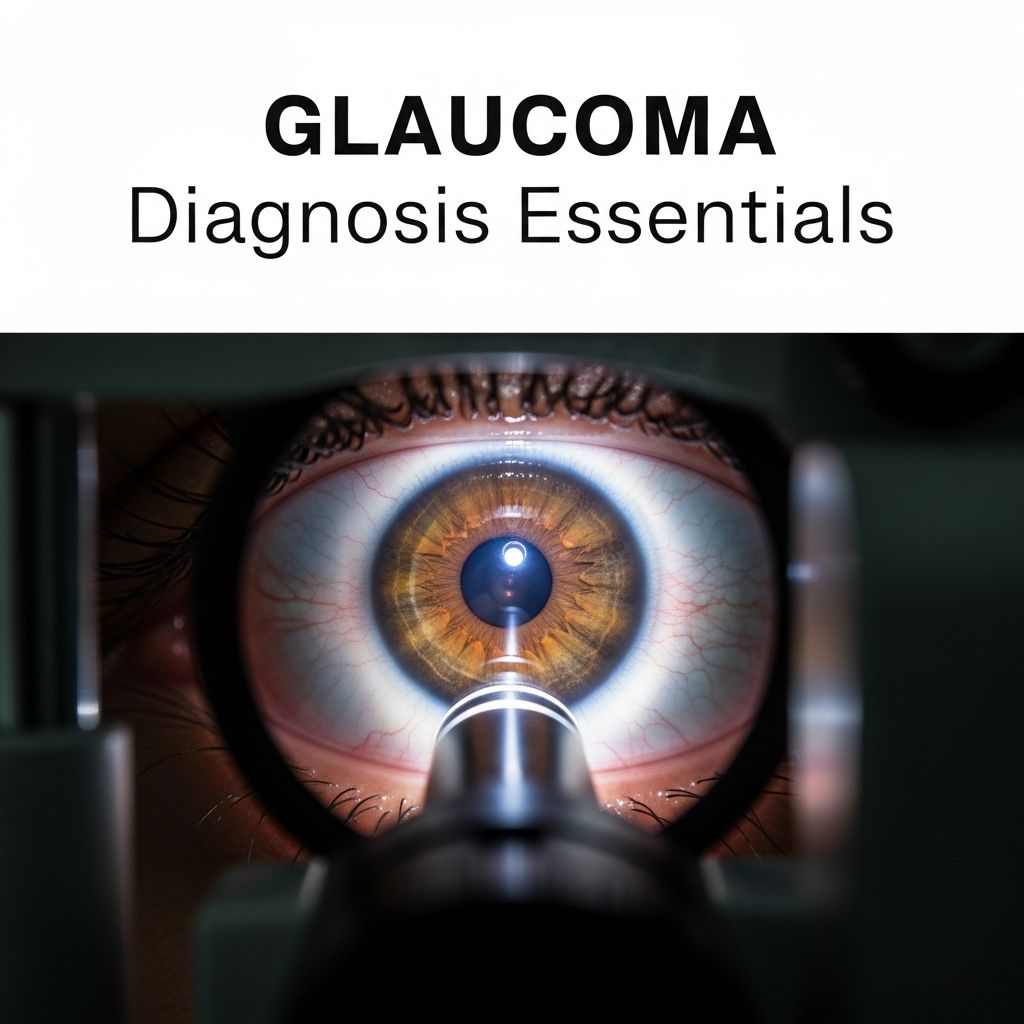
Glaucoma represents a group of eye conditions that damage the optic nerve, often linked to elevated intraocular pressure, leading to irreversible vision loss if undetected. Early diagnosis through targeted testing is crucial for effective management and preserving sight.
Recognizing the Silent Threat of Glaucoma
Nicknamed the ‘silent thief of sight,’ glaucoma progresses without noticeable symptoms in its initial stages, making routine screening vital, particularly for those over 40 or with risk factors like family history or diabetes. The condition arises when the eye’s drainage system fails, causing fluid buildup and pressure on the optic nerve. Understanding diagnostic processes empowers individuals to seek timely care.
Primary open-angle glaucoma, the most common form, develops gradually as the trabecular meshwork clogs. Angle-closure glaucoma, conversely, strikes suddenly due to iris blockage of drainage angles, demanding immediate intervention. Normal-tension glaucoma challenges assumptions by occurring despite normal pressure levels, highlighting the need for comprehensive evaluations beyond just intraocular pressure (IOP) measurements.
Core Diagnostic Tests for Accurate Detection
Eye specialists employ a multifaceted approach to diagnose glaucoma, combining clinical exams and advanced imaging. Initial assessments review medical history, followed by specialized tests to measure pressure, assess nerve health, and map vision.
- Tonometry: This fundamental test gauges IOP using tools like applanation tonometers, which gently flatten the cornea, or non-contact air-puff devices. Readings above 21 mm Hg raise concerns, though normal-tension cases show values below this threshold.
- Gonioscopy: A mirrored lens examines the drainage angle, distinguishing open-angle from narrow-angle risks. It guides treatment decisions, especially for angle-closure emergencies.
- Pachymetry: Ultrasonic probes measure corneal thickness, as thinner corneas may yield falsely low IOP readings, influencing diagnosis accuracy.
Assessing Optic Nerve and Visual Field Integrity
Ophthalmoscopy and advanced imaging scrutinize the optic nerve head for cupping or thinning, hallmarks of glaucomatous damage. Dilated exams reveal subtle changes invisible to the naked eye.
Visual field testing, or perimetry, charts peripheral vision loss patterns. Patients fixate on a central point while responding to light stimuli, identifying scotomas indicative of glaucoma progression.
| Test Type | Purpose | Key Insights |
|---|---|---|
| Tonometry | Measure IOP | Detects elevated pressure; normal range 10-21 mm Hg |
| Visual Field Test | Map vision loss | Reveals peripheral defects early |
| Optical Coherence Tomography (OCT) | Image nerve layers | Quantifies retinal nerve fiber layer thinning |
| Gonioscopy | Examine drainage angle | Identifies closure risk |
Advanced Imaging Technologies in Glaucoma Care
Modern diagnostics leverage non-invasive imaging for precise monitoring. Optical coherence tomography (OCT) provides cross-sectional views of the retina and optic nerve, tracking microstructural changes over time. Confocal scanning laser ophthalmoscopy (HRT) and scanning laser polarimetry (GDx) offer additional metrics for progression analysis.
These tools enable baseline establishment and serial comparisons, essential for distinguishing glaucoma from mimics like ischemic optic neuropathy. Stereo disc photography documents nerve head topography for longitudinal review.
Treatment Pathways Post-Diagnosis
Once diagnosed, therapy focuses on lowering IOP to halt progression, as nerve damage is irreversible. Options span medications, lasers, and surgery, tailored to glaucoma type and severity.
Related Stories



Pharmacological Interventions
Eye drops form the first-line defense, reducing fluid production or enhancing outflow. Prostaglandin analogs like bimatoprost lower IOP by 25-30% over 24 hours, minimizing fluctuations. Beta-blockers, once standard, now play a supportive role due to systemic effects like bradycardia.
Sustained-release implants, such as bimatoprost intracameral (lasting ~1 year) and travoprost (up to 3 years), reduce drop compliance burdens for open-angle cases. Oral carbonic anhydrase inhibitors serve acutely or when drops fail.
Laser and Minimally Invasive Procedures
Laser trabeculoplasty targets the trabecular meshwork, boosting drainage. Selective laser trabeculoplasty (SLT) achieves 15-27% IOP reduction, suitable even for normal-tension glaucoma, often decreasing medication needs.
For acute angle-closure, laser peripheral iridotomy creates an iris opening to equalize pressure. Minimally invasive glaucoma surgery (MIGS) offers low-risk alternatives, combinable with cataract procedures, yielding 20-33% IOP drops with fewer complications than traditional methods.
Surgical Solutions for Advanced Cases
Trabeculectomy creates a filtration bleb for aqueous humor egress, stabilizing IOP independently of compliance. It’s particularly effective in normal-tension glaucoma, reducing progression despite prior medical failures. Drainage tubes and non-penetrating deep sclerectomy provide further options, balancing efficacy and risk.
In emergencies, anterior chamber paracentesis or lens extraction rapidly alleviates pressure.
Risk Factors and Prevention Strategies
While not fully preventable, awareness mitigates risks. African American, Hispanic, and Asian ancestries elevate susceptibility, alongside age over 60, high myopia, and corticosteroid use. Regular screenings—every 1-2 years for at-risk groups—facilitate early intervention.
- Family history doubles risk; inform relatives.
- Control systemic conditions like hypertension and diabetes.
- Avoid smoking, which exacerbates optic nerve vulnerability.
Living with Glaucoma: Monitoring and Lifestyle Tips
Post-diagnosis, adherence to therapy and follow-ups is paramount. Patients track IOP trends, visual fields, and nerve imaging quarterly or as advised. Lifestyle adjustments include a nutrient-rich diet (leafy greens, omega-3s) supporting eye health, moderate exercise to regulate pressure, and prompt reporting of symptoms like halos or pain.
Emerging research explores statins for neuroprotection in normal-tension glaucoma, though prospective trials are pending.
Frequently Asked Questions (FAQs)
What causes glaucoma?
Primarily, impaired aqueous humor drainage elevates IOP, damaging the optic nerve. Vascular and genetic factors contribute in normal-tension variants.
How often should I get screened?
Adults over 40: every 1-2 years; high-risk individuals annually. Consult your eye doctor for personalized schedules.
Can glaucoma be cured?
No, but treatments slow progression effectively if started early. Vision loss is permanent, underscoring detection’s importance.
Are eye drops safe long-term?
Generally yes, with monitoring for side effects like redness or allergies. Implants offer drop-free alternatives.
Is laser treatment painful?
Minimal discomfort; numbing drops ensure comfort. Effects manifest over weeks.
Empowering yourself with knowledge about glaucoma diagnosis transforms potential blindness into manageable reality. Prioritize comprehensive eye exams to safeguard your vision legacy.
References
- Normal-Tension Glaucoma: Diagnosis and Treatment — Glaucoma Today. 2023-01-01. https://glaucomatoday.com/articles/2023-jan-feb/normal-tension-glaucoma-diagnosis-and-treatment
- Glaucoma – Diagnosis and treatment — Mayo Clinic. 2023-03-01. https://www.mayoclinic.org/diseases-conditions/glaucoma/diagnosis-treatment/drc-20372846
- Glaucoma Diagnosis & Testing — BrightFocus Foundation. 2023-01-01. https://www.brightfocus.org/glaucoma/diagnosis/
- Glaucoma Medication Guide — Glaucoma Research Foundation. 2023-06-01. https://glaucoma.org/treatment/medication
- Managing Glaucoma – Diagnosis & Treatment — EyesNY. 2023-01-01. https://eyesny.org/glaucoma-diagnosis-treatment-and-management/
- Glaucoma: Diagnosis and Management — American Academy of Family Physicians (AAFP). 2023-03-01. https://www.aafp.org/pubs/afp/issues/2023/0300/glaucoma.html
Similar Articles








Read full bio of Sneha Tete