Surgical Management of Glaucoma with Implantable Devices
Comprehensive guide to drainage implants as an advanced treatment option for elevated intraocular pressure
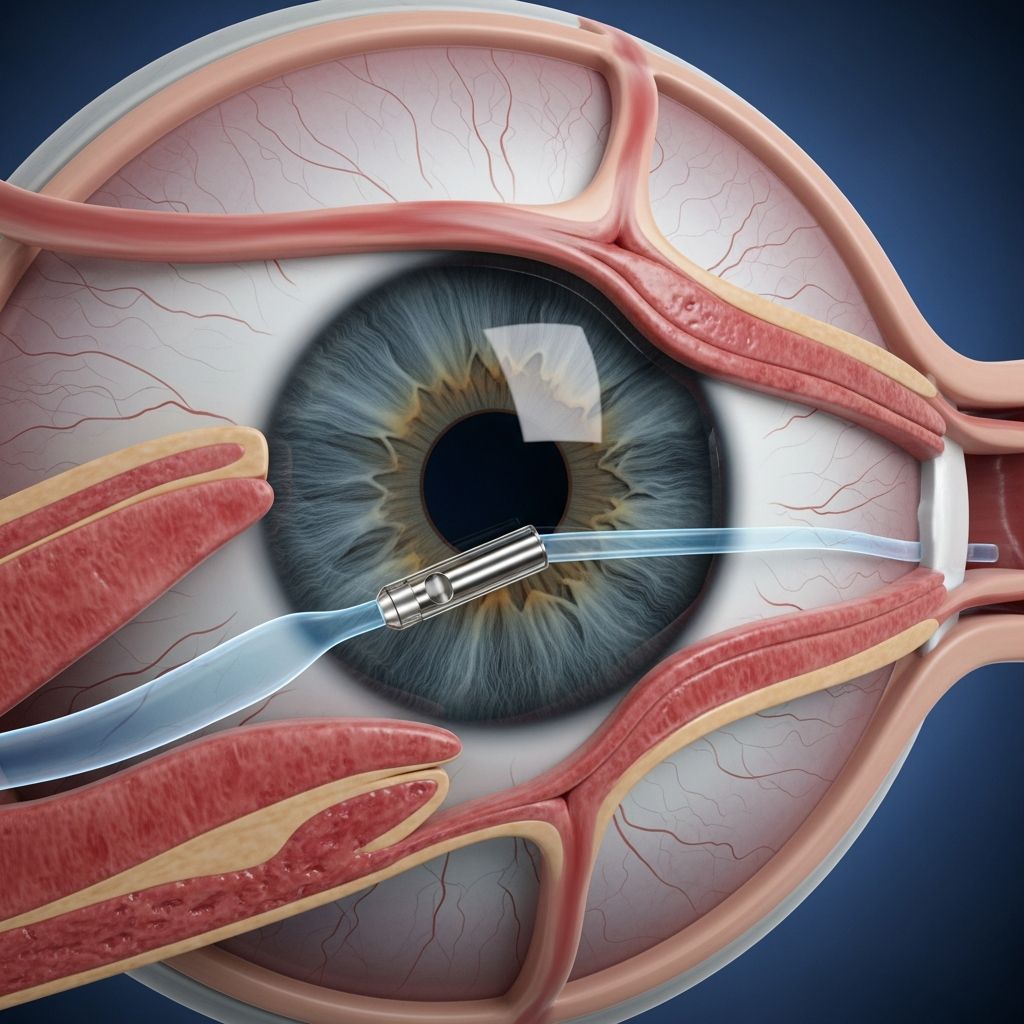
Glaucoma represents one of the leading causes of irreversible blindness worldwide, characterized by progressive damage to the optic nerve typically associated with elevated intraocular pressure. While medical management through topical medications and laser treatments remains the first-line approach, many patients require surgical intervention to achieve adequate pressure control. Among the various surgical options available to ophthalmologists, glaucoma drainage implants have emerged as an increasingly important treatment modality, offering distinct advantages in specific clinical scenarios.
Understanding Drainage Implants and Their Purpose
Glaucoma drainage implants, also referred to as aqueous shunts or tube shunts, are miniaturized prosthetic devices designed to create an alternative pathway for fluid drainage from the anterior chamber of the eye. These devices function as mechanical conduits that redirect intraocular fluid, known as aqueous humor, away from the eye’s natural drainage structures, thereby reducing intraocular pressure and halting progression of optic nerve damage.
The fundamental objective of implant placement differs significantly from other ocular surgical procedures. Unlike cataract surgery or refractive procedures aimed at improving visual acuity, drainage implants focus exclusively on pressure reduction and preservation of existing vision rather than restoration of lost sight. This distinction is crucial for patient expectations, as the procedure prevents further deterioration but cannot reverse damage that has already occurred to the optic nerve.
Clinical Scenarios Favoring Implant Selection
Ophthalmologists consider multiple factors when determining whether a patient would benefit from implant surgery rather than traditional filtering procedures. Certain types of glaucoma demonstrate particularly poor outcomes with conventional trabeculectomy surgery. These include:
- Aphakic glaucoma, occurring in eyes that lack a natural lens
- Neovascular glaucoma, characterized by abnormal blood vessel formation in response to ischemic conditions
- Uveitic glaucoma, developing secondary to intraocular inflammation
- Glaucoma in patients with prior ocular surgical history
- Congenital glaucoma presenting in pediatric populations
- Secondary glaucoma associated with iridocorneal dysgenesis, aniridia, or systemic conditions like Sturge-Weber syndrome
In these scenarios, the aggressive healing response that typically limits the success of trabeculectomy makes drainage implants a more reliable option. Additionally, patients with anticipated extensive scarring or those who have undergone multiple prior eye surgeries often achieve superior pressure control with implant-based approaches.
Anatomical Design and Functional Mechanisms
All glaucoma drainage implants share a common architectural design consisting of two primary components: a silicone tube and an external drainage plate. The surgical placement positions the tube within the anterior chamber of the eye, typically between the cornea and iris, though alternative locations may be selected based on anatomical considerations.
The silicone tube functions as an artificial drainage channel, permitting aqueous humor to flow from the pressurized anterior chamber into the external plate, which serves as a collection reservoir positioned on the scleral surface beneath the upper eyelid. From this reservoir, fluid gradually percolates through encapsulating tissue and becomes absorbed into the body’s systemic circulation via periocular blood vessels and lymphatic channels.
The fibrous tissue that naturally forms around the plate becomes the critical determinant of final intraocular pressure following surgery. The thickness and surface area of this capsular tissue creates resistance to fluid outflow, establishing the equilibrium pressure within the eye. This physiological response occurs gradually over weeks to months following implantation.
Categorizing Implant Types
Drainage implants are classified into two distinct functional categories based on their pressure-regulation mechanisms:
Valved Implants
Valved implants incorporate an internal restrictive mechanism that prevents excessive fluid drainage during the immediate postoperative period when pressures would naturally drop significantly. This protective function reduces the risk of complications associated with markedly low intraocular pressure, such as tissue collapse and potential vision-threatening events. The Ahmed implant currently represents the primary valved option utilized in clinical practice, available in multiple configurations with varying plate compositions including silicone, polyethylene, and polypropylene materials.
Non-Valved Implants
Non-valved devices lack internal pressure-regulation mechanisms, necessitating surgical modification at the time of implantation to control flow. The surgeon typically ties off the drainage tube using suture material that dissolves naturally over approximately six weeks, or alternatively places a temporary stent within the tube that can be removed later during office examination. This delayed activation approach allows gradual pressure reduction as the restrictive element dissolves or is withdrawn, minimizing the risk of hypotony while ultimately achieving equivalent long-term pressure control.
Surgical Technique and Patient Preparation
Placement of a drainage implant typically requires operative time spanning up to two hours, necessitating appropriate anesthesia strategies tailored to individual patient factors. General anesthesia remains preferred for most patients, though some individuals opt for regional anesthesia combined with sedation. Additional periocular blocks provide enhanced surgical access and postoperative pain management.
During the operative procedure, the surgeon makes an incision to expose the scleral surface and identifies the superotemporal quadrant of the globe, which represents the preferred implantation location due to superior surgical accessibility and reduced risk of postoperative complications affecting eye movements. The surgeon then carefully positions the implant wings beneath the extraocular muscles while maintaining appropriate depth to avoid corneal contact or tissue damage.
The anterior chamber insertion site is created to permit tube entry into the eye at an appropriate depth and angle. The tube is carefully maneuvered into position to ensure it does not contact the corneal endothelium or lens. Careful wound closure and creation of a conjunctival barrier concludes the operative procedure.
Alternative Surgical Approach: Pars Plana Insertion
In selected cases, particularly those involving prior corneal grafting or concurrent vitrectomy requirements, the surgeon may choose pars plana insertion rather than anterior chamber placement. This technique positions the tube more posteriorly within the eye, reducing corneal contact risk and potentially decreasing the likelihood of graft failure or epithelial complications. This approach may be combined with vitrectomy in patients with diabetic retinopathy or other posterior segment pathology requiring simultaneous treatment.
Evaluating Success and Expected Outcomes
Clinical research demonstrates that drainage implant surgery achieves pressure reduction outcomes comparable to traditional trabeculectomy procedures in appropriately selected patients. However, it is important to acknowledge that patients selected for implant surgery often present with more complex disease patterns that would have resulted in trabeculectomy failure, potentially explaining variations in reported success rates across different studies.
Long-term data indicates that approximately 90-95% of patients achieve adequate single-implant pressure control. In the minority of cases where monotherapy proves insufficient, placement of a second implant in the inferior quadrant beneath the lower eyelid may be necessary to achieve target pressures.
Success should be measured not merely by pressure numbers but by achievement of vision preservation goals. The procedure successfully prevents progression of optic nerve damage in the majority of patients, maintaining functional vision for years or decades following surgery. The risk of vision loss from the operative procedure itself remains minimal when performed by experienced surgeons, though as with any intraocular surgery, such risk exists.
Combination Surgical Procedures
Some patients benefit from concurrent cataract surgery at the time of implant placement. In these situations, removal of the clouded natural lens and implantation of a clear intraocular lens may provide modest visual improvement alongside the pressure-lowering benefits of the drainage device. This combined approach maximizes therapeutic benefit while subjecting the patient to anesthesia and surgical recovery only once.
Special Considerations in Pediatric Patients
Drainage implant surgery occupies a particularly important role in pediatric glaucoma management. When conventional procedures such as goniotomy or trabeculotomy fail to control pressure in children, drainage implants offer superior alternatives. The pediatric population, including those with congenital abnormalities of the anterior chamber, juvenile rheumatoid arthritis-associated glaucoma, or Sturge-Weber syndrome, benefits substantially from implant-based approaches that avoid the complications associated with traditional filtering surgery in growing eyes, such as progressive bleb thinning with age and difficulty with postoperative bleb manipulation.
Preoperative Preparation and Patient Counseling
Before proceeding with implant surgery, thorough discussion of risks, benefits, and alternative treatment options is essential. Patients must understand that the goal remains pressure reduction rather than vision improvement. The ophthalmologist reviews the specific implant type recommended, explains the operative procedure, and discusses expected recovery timeline and postoperative restrictions.
Detailed preoperative instructions guide patients regarding medication management, fasting requirements, and arrangements for transportation home following surgery. Understanding these preparations ensures optimal surgical conditions and patient safety.
Postoperative Management and Timeline
Recovery from implant surgery proceeds through several distinct phases. Immediately following the procedure, inflammation requires careful management through prescribed topical medications. During the first weeks, the implant gradually becomes incorporated as fibrous tissue begins encapsulating the external plate. Around six weeks post-surgery, if a dissolving suture was used to tie off the tube, it spontaneously opens the drainage channel, resulting in a gradual pressure decrease.
Regular follow-up appointments monitor pressure response, assess for complications, and adjust medications as needed. Most patients achieve stable pressure control by three to six months following surgery, though continued monitoring remains important throughout the patient’s lifetime.
Potential Complications and Risk Mitigation
While drainage implant surgery carries a favorable safety profile in experienced hands, awareness of potential complications guides both surgeon technique and postoperative monitoring strategies. Tube malposition, corneal decompensation, hypotony, and epithelial downgrowth represent recognized complications that careful surgical technique and appropriate follow-up helps prevent or manage promptly when they occur.
The fibrous encapsulation process that normally stabilizes pressure may rarely become excessive, requiring additional intervention. Infection, though uncommon, requires immediate attention. Diplopia or eye movement restrictions may occur if muscle anatomy is disrupted during implantation.
Frequently Asked Questions
Will the implant improve my vision?
No. The implant’s sole function is to lower eye pressure and prevent further optic nerve damage. Vision that has already been lost to glaucoma cannot be restored. However, by controlling pressure, the implant preserves whatever vision you retain.
How long do drainage implants last?
Drainage implants are designed to function indefinitely. Most devices remain functional for the patient’s lifetime with appropriate monitoring and care, though individual outcomes vary.
What is the difference between valved and non-valved implants?
Valved implants have built-in pressure-regulation mechanisms that prevent excessive early drainage. Non-valved implants are surgically tied off initially and activated later. Both achieve similar long-term outcomes, with selection depending on individual patient factors.
Is implant surgery preferable to trabeculectomy?
Neither approach is universally superior. Implants are preferred in specific scenarios, particularly those with prior eye surgery, certain glaucoma types, or anticipated scarring. For uncomplicated glaucoma, trabeculectomy remains a primary option.
How long is the recovery period?
Initial recovery spans 4-6 weeks, during which time activity restrictions apply. Full stabilization of pressure and complete recovery typically occurs by 3-6 months following surgery.
References
- Glaucoma Drainage Implant Surgery — Glaucoma Associates. https://www.glaucomaassociates.com/incisional-glaucoma-surgery/glaucoma-drainage-implant-surgery/
- Glaucoma drainage implants — National Center for Biotechnology Information (NCBI), PMC7387917. February 2020. https://pmc.ncbi.nlm.nih.gov/articles/PMC7387917/
- All About Glaucoma Drainage Implants — West Boca Eye Center. https://www.westbocaeyecenter.com/post/all-about-glaucoma-drainage-implants
Similar Articles








Read full bio of Sneha Tete