Glaucoma Overview: Types, Symptoms, and Treatment Options
Complete guide to glaucoma: understanding types, recognizing symptoms, and exploring treatment options for vision preservation.
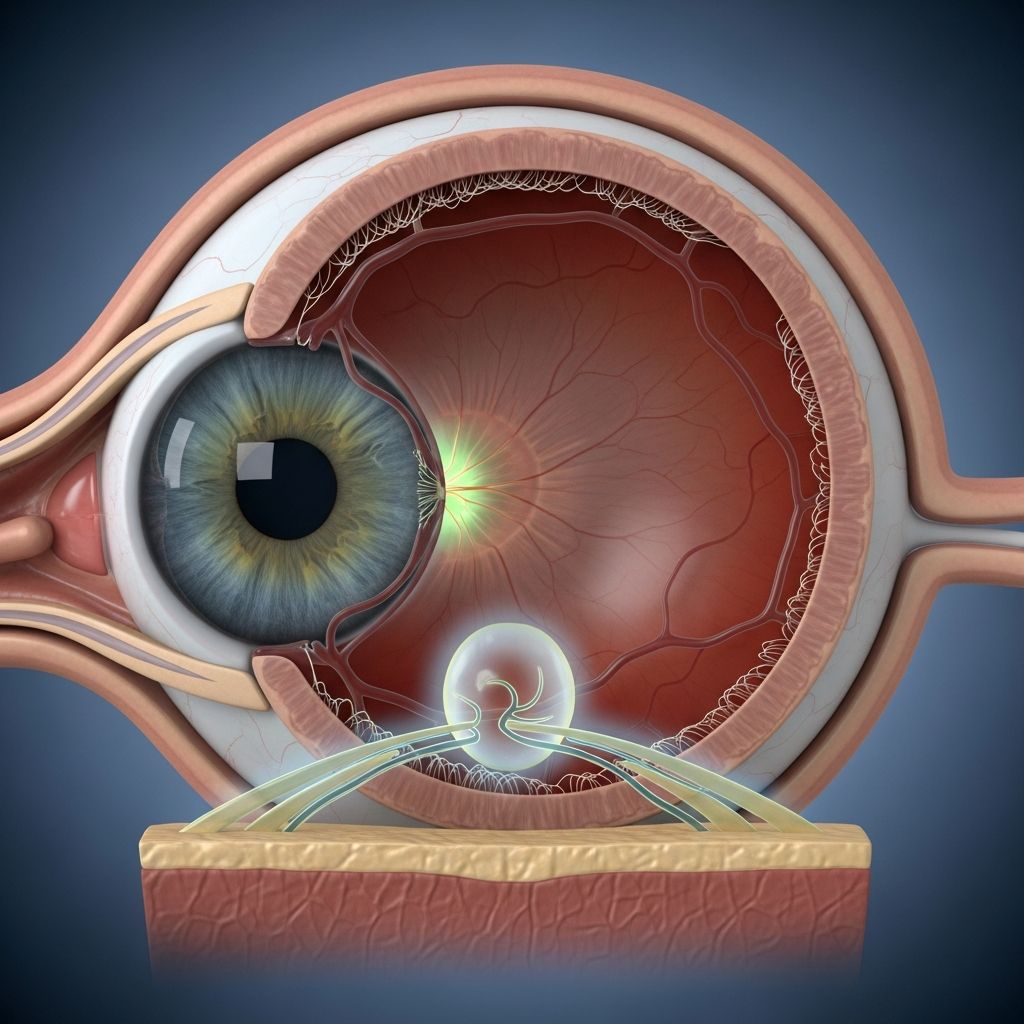
Glaucoma is a group of progressive eye conditions that damage the optic nerve, potentially leading to vision loss or blindness if left untreated. Often called the “silent thief of sight,” glaucoma frequently develops without noticeable symptoms in its early stages, making regular eye examinations crucial for early detection and treatment. The optic nerve is essential for transmitting visual information from your eye to the brain, and damage to this vital structure can result in permanent vision loss. Despite being one of the leading causes of irreversible blindness worldwide, particularly for people over 60, many cases go undiagnosed because individuals may not experience symptoms until significant damage has already occurred.
What Is Glaucoma?
Glaucoma develops when the optic nerve becomes damaged, typically as a result of elevated intraocular pressure (IOP)—the fluid pressure inside the eye. As the optic nerve gradually deteriorates, blind spots develop in your vision, eventually progressing to more severe vision loss if untreated. However, it’s important to note that glaucoma can develop even with normal eye pressure levels, as other factors beyond pressure may contribute to optic nerve damage.
The eye maintains its shape and function through a clear fluid called aqueous humor. This fluid normally flows freely through the front part of the eye and exits through a drainage system called the trabecular meshwork. When this drainage system doesn’t function properly or becomes blocked, pressure builds inside the eye, potentially damaging the optic nerve. Understanding this mechanism is fundamental to comprehending how glaucoma develops and why controlling intraocular pressure is so important for treatment.
Types of Glaucoma
Glaucoma is not a single disease but rather a group of related conditions that can be classified into several types. The two primary categories are open-angle glaucoma and angle-closure glaucoma, with several subtypes within each category.
Open-Angle Glaucoma
Open-angle glaucoma is the most common form of glaucoma, accounting for more than 80% of cases in the United States. In this type, the drainage angle formed by the iris and cornea remains open, but other parts of the drainage system don’t function properly, leading to a slow, gradual increase in eye pressure. This progressive rise in pressure damages the optic nerve over time, causing a slow deterioration of vision that patients often don’t notice until the disease is quite advanced.
Many people with open-angle glaucoma experience no symptoms in the early stages. As the disease progresses, patients may develop gradually expanding patchy blind spots in their peripheral (side) vision. In later stages, difficulty seeing things in central vision may occur, significantly impacting daily activities like reading and recognizing faces.
Acute Angle-Closure Glaucoma
Unlike open-angle glaucoma, acute angle-closure glaucoma can develop suddenly and requires immediate medical attention. This form occurs when the iris bulges, partially or completely blocking the drainage angle and preventing fluid from circulating through the eye. The resulting rapid increase in intraocular pressure can cause severe symptoms that develop quickly.
Related Stories



Symptoms of acute angle-closure glaucoma include:
- Severe eye pain
- Bad headache
- Blurred vision
- Nausea or vomiting
- Halos or colored rings around lights
- Eye redness
If you experience these symptoms suddenly, seek emergency medical care immediately. Acute angle-closure glaucoma can progress gradually in some cases, but the sudden form requires urgent treatment to prevent permanent vision loss.
Normal-Tension Glaucoma
Normal-tension glaucoma, also called low-tension glaucoma, occurs when the optic nerve is damaged despite intraocular pressure remaining within the normal range. This type demonstrates that factors beyond elevated pressure contribute to optic nerve damage. Symptoms may include no early warning signs, followed by gradually blurred vision and progressive loss of side vision in later stages.
Pigmentary Glaucoma
In pigmentary glaucoma, small pigment granules flake off from the iris and block or slow fluid drainage from the eye. Physical activities such as jogging can sometimes stir up these pigment granules, causing them to deposit on tissue at the angle where the iris and cornea meet, leading to increased eye pressure. Symptoms include halos around lights, blurred vision during or after exercise, and gradual loss of side vision.
Glaucoma in Children
While glaucoma is more common in older adults, it can also develop in children. In infants, symptoms may include a dull or cloudy eye, increased blinking, and tears without crying. In older children, symptoms may include blurred vision, progressive nearsightedness, and headaches. Early detection and treatment are vital to protect children’s developing vision.
Symptoms and Warning Signs
One of the most challenging aspects of glaucoma is that many forms have no warning signs in early stages. The damage progresses so gradually that you may not notice any change in vision until the disease is quite advanced. This is why regular eye examinations that include intraocular pressure measurements are essential, even if you don’t experience any symptoms.
When symptoms do develop, they vary depending on the type and stage of glaucoma:
| Glaucoma Type | Early Symptoms | Late Symptoms |
|---|---|---|
| Open-Angle Glaucoma | Usually none | Patchy blind spots in side vision; difficulty with central vision |
| Normal-Tension Glaucoma | Usually none | Blurred vision; loss of side vision |
| Pigmentary Glaucoma | Halos around lights | Blurred vision with exercise; loss of side vision |
| Acute Angle-Closure | Sudden severe symptoms | Emergency condition requiring immediate care |
Risk Factors and Causes
Multiple factors increase the risk of developing glaucoma, and understanding these can help you take preventive measures and seek appropriate screening. Age is a significant risk factor, as glaucoma is more common in older adults and is one of the leading causes of blindness for people over 60.
Key risk factors for glaucoma include:
- Increased intraocular pressure
- Age over 60
- Family history of glaucoma
- Race and ethnicity (African Americans and Hispanics have higher risk)
- Myopia (nearsightedness)
- Diabetes
- High blood pressure
- Cardiovascular disease
- Sleep apnea
Glaucoma tends to run in families, and scientists have identified specific genes related to high eye pressure and optic nerve damage. If you have a family history of glaucoma, inform your eye doctor, as this significantly increases your risk. Additionally, understanding the connections between glaucoma and other health conditions is crucial, as managing conditions like diabetes, high blood pressure, and cardiovascular disease may help reduce glaucoma risk or slow its progression.
Diagnosis and Testing
Early detection of glaucoma is essential because vision loss from this condition is irreversible. If detected early, vision loss can be slowed or prevented through appropriate treatment. A comprehensive ophthalmologic examination is the most important aspect of diagnosing glaucoma and should occur regularly, especially for those at higher risk.
Diagnostic procedures for glaucoma typically include:
- Tonometry: Measures intraocular pressure
- Ophthalmoscopy: Examines the optic nerve head for characteristic changes such as cupping
- Visual field testing: Assesses peripheral vision to detect blind spots
- Gonioscopy: Evaluates the drainage angle to determine glaucoma type
- Optical coherence tomography (OCT): Provides detailed imaging of the optic nerve and retinal nerve fiber layer
It’s important to note that elevated intraocular pressure alone does not confirm glaucoma, as some people with high eye pressure never develop the disease. Conversely, glaucoma can occur even with normal eye pressure levels. Therefore, a comprehensive evaluation by an eye care professional is necessary for accurate diagnosis.
Treatment Options
Reduction of intraocular pressure is the only proven method to treat glaucoma and slow disease progression. Treatment approaches range from medications to laser therapy to surgery, and the appropriate choice depends on the type of glaucoma, severity, and individual patient factors.
Medications
Treatment is usually initiated with ocular hypotensive drops (eye drops that lower eye pressure). These medications work through various mechanisms, such as decreasing aqueous humor production or increasing drainage. Common types include prostaglandin analogs, beta-blockers, alpha-adrenergic agonists, and carbonic anhydrase inhibitors. Consistent use of prescribed eye drops is crucial for effective treatment and preventing disease progression.
Laser Treatment
Laser trabeculoplasty is a procedure that uses a focused laser beam to improve drainage of aqueous humor through the trabecular meshwork, thereby reducing intraocular pressure. This procedure can be performed in an ophthalmologist’s office and may reduce the need for daily eye drops or serve as an adjunct to medical therapy.
Surgical Treatment
When medications and laser therapy are insufficient, surgical procedures may be necessary to slow disease progression. These surgeries create alternative drainage pathways for aqueous humor, helping to maintain lower intraocular pressure and protect the optic nerve from further damage.
Importance of Regular Eye Exams
Because glaucoma often progresses without symptoms, regular comprehensive eye examinations are your best defense against vision loss. During these exams, your eye care provider can measure your intraocular pressure, examine your optic nerve, and perform visual field testing to detect early signs of glaucoma.
If you have glaucoma, you’ll need treatment or monitoring for the rest of your life, as this is a chronic condition requiring ongoing management. Working closely with your eye care provider and adhering to your treatment plan is essential for preserving your vision and maintaining quality of life.
Living with Glaucoma
A glaucoma diagnosis doesn’t mean you will inevitably go blind, especially with early detection and appropriate treatment. Many people with glaucoma maintain good vision throughout their lives when they adhere to their treatment regimen and attend regular eye examinations.
Managing glaucoma effectively involves:
- Taking prescribed eye drops exactly as directed
- Attending all scheduled appointments with your ophthalmologist
- Informing your doctor about any new symptoms
- Managing related health conditions like diabetes and high blood pressure
- Maintaining a healthy lifestyle
- Protecting your eyes from injury
Frequently Asked Questions (FAQs)
Q: Can glaucoma be cured?
A: Currently, there is no cure for glaucoma. However, early detection and treatment can slow or prevent vision loss. Treatment focuses on lowering intraocular pressure to protect the optic nerve from further damage.
Q: Is glaucoma always caused by high eye pressure?
A: While high intraocular pressure is the primary risk factor, glaucoma can develop even with normal eye pressure. Other factors contribute to optic nerve damage, and a comprehensive evaluation is necessary for accurate diagnosis.
Q: How often should I have eye exams if I’m at risk for glaucoma?
A: If you have risk factors for glaucoma, discuss appropriate screening intervals with your eye care provider. Generally, those at higher risk should have comprehensive eye examinations at least every one to two years, though frequency may vary based on individual circumstances.
Q: Can lifestyle changes help prevent glaucoma?
A: While you cannot prevent glaucoma entirely if you’re genetically predisposed, managing related health conditions like diabetes and high blood pressure may help reduce your risk or slow progression. Regular eye exams for early detection are your best prevention strategy.
Q: What should I do if I experience sudden eye pain and vision changes?
A: Seek emergency medical care immediately. Symptoms such as sudden severe eye pain, headache, blurred vision, and halos around lights may indicate acute angle-closure glaucoma, which requires urgent treatment to prevent permanent vision loss.
References
- Glaucoma – Symptoms and Causes — Mayo Clinic. 2024. https://www.mayoclinic.org/diseases-conditions/glaucoma/symptoms-causes/syc-20372839
- The Pathophysiology and Treatment of Glaucoma: A Review — PMC/National Center for Biotechnology Information. 2015. https://pmc.ncbi.nlm.nih.gov/articles/PMC4523637/
- The Connection Between Glaucoma and Other Medical Conditions — Glaucoma.org. 2024. https://glaucoma.org/articles/the-connection-between-glaucoma-and-other-medical-conditions
Similar Articles








Read full bio of Sneha Tete