Understanding Glaucoma: Prevention and Management Guide
Learn about glaucoma risk factors, early detection, and treatment options to preserve your vision.
What is Glaucoma and Why It Matters
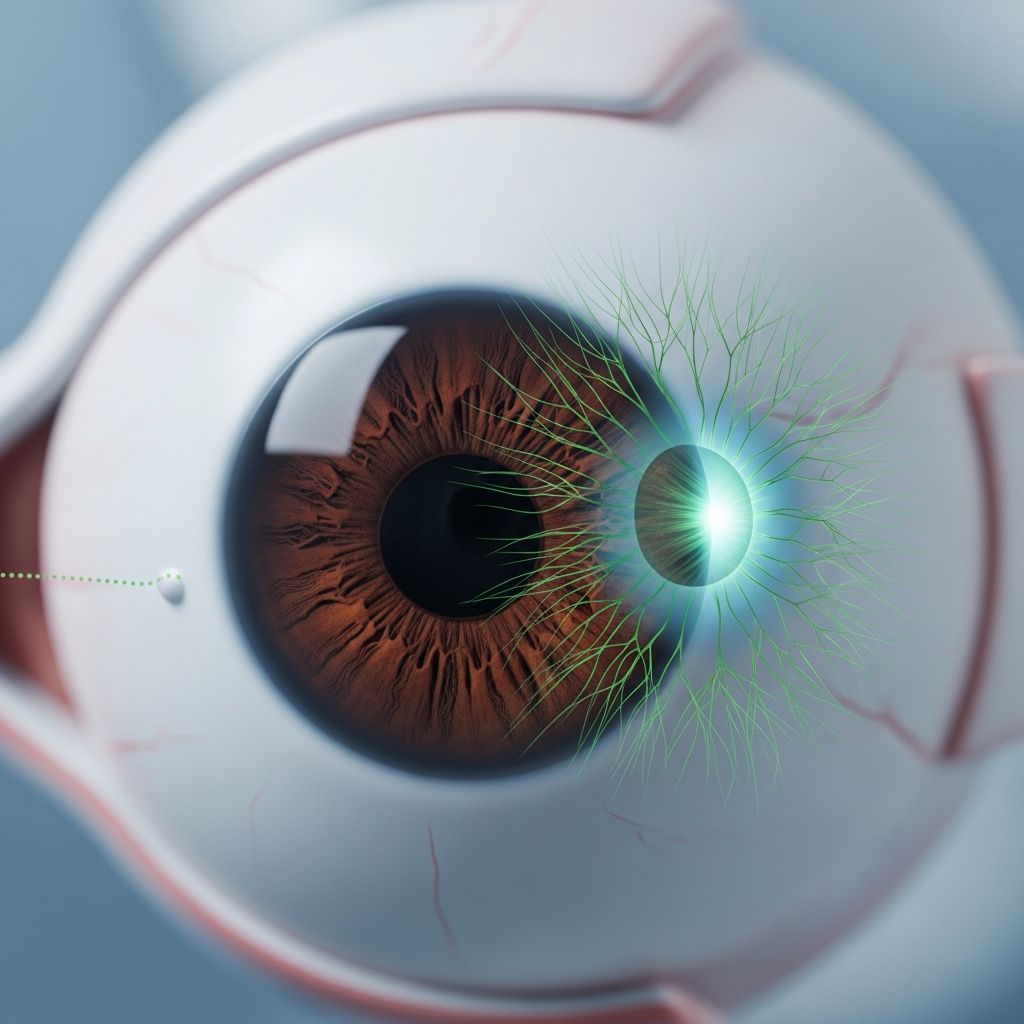
Glaucoma represents a group of chronic eye diseases characterized by progressive damage to the optic nerve, which connects the eye to the brain and is essential for vision. The primary culprit in most cases is elevated intraocular pressure—the fluid pressure inside your eye—which gradually deteriorates the optic nerve and its nerve fibers. What makes glaucoma particularly dangerous is its silent progression: in early stages, most people experience no symptoms whatsoever, allowing the disease to advance undetected until significant vision damage has already occurred.
The scope of this condition is substantial. More than 3 million Americans currently have glaucoma, with approximately half unaware of their diagnosis. Without proper management and treatment, glaucoma eventually leads to irreversible vision loss and, in severe cases, complete blindness. However, the encouraging news is that modern treatment options can effectively control the disease when detected early through regular eye examinations.
Recognizing Symptoms: Early Warning Signs and Emergency Indicators
Understanding glaucoma symptoms is critical for prompt diagnosis and treatment. The disease manifests differently depending on its type and progression stage, making awareness essential for all individuals, particularly those with risk factors.
Gradual Vision Changes in Open-Angle Glaucoma
Open-angle glaucoma, the most prevalent form affecting the majority of glaucoma patients, typically develops insidiously. In its initial phases, individuals notice no discomfort or obvious vision problems. As the disease progresses, symptoms emerge gradually:
- Patchy blind spots appearing in peripheral (side) vision, creating gaps in what you can see to the left or right
- Progressive tunnel vision in advanced stages, where only central vision remains while side vision disappears almost entirely
- Blurred or hazy vision that develops over months or years
- Appearance of halos—colored rings or light rays—around bright lights, particularly noticeable at night
The insidious nature of open-angle glaucoma means that by the time a person consciously recognizes vision loss, the disease is typically quite advanced. This delay in symptom recognition underscores why regular comprehensive eye examinations are absolutely critical for early detection.
Acute Angle-Closure Glaucoma: A Medical Emergency
Unlike open-angle glaucoma’s gradual onset, acute angle-closure glaucoma presents sudden, severe symptoms requiring immediate emergency medical attention. When the iris bulges and blocks the eye’s drainage angle, fluid cannot circulate properly, causing rapid pressure elevation. Symptoms include:
- Sudden, intense eye pain that feels sharp or throbbing
- Severe headache accompanying the eye pain
- Red eye with visible inflammation
- Vision that becomes suddenly blurry or hazy
- Nausea and vomiting, often severe enough to require medical intervention
- Rainbow-colored circles or halos appearing around light sources
- Sudden sight loss that progresses rapidly
If you experience these acute symptoms, seek emergency medical care immediately at an emergency room or contact an ophthalmologist without delay. Prompt treatment within hours can prevent permanent vision loss.
Related Stories



Pigmentary Glaucoma Symptoms
A less common variant, pigmentary glaucoma occurs when pigment granules flake from the iris and obstruct fluid drainage. Symptoms include halos around lights, blurred vision that worsens during exercise, and gradual side vision loss.
Understanding the Root Causes and Mechanisms
Glaucoma develops through disruptions in the eye’s natural fluid circulation system. The eye continuously produces a clear fluid called aqueous humor that maintains eye shape and provides nutrients to eye structures. This fluid normally flows freely through the anterior chamber and exits through the trabecular meshwork—a microscopic drainage system located in the angle where the iris meets the cornea.
When this drainage system becomes blocked or malfunctions, fluid accumulates inside the eye, increasing intraocular pressure. This elevated pressure places stress on the optic nerve, damaging its delicate nerve fibers and gradually reducing its ability to transmit visual information to the brain.
Interestingly, medical experts don’t yet fully understand all factors contributing to glaucoma development. Some individuals with elevated eye pressure never develop glaucoma, while others develop the disease despite having normal eye pressure readings. This variation occurs because each person’s optic nerve can tolerate different pressure levels—a threshold that only comprehensive eye examination can determine for you personally.
Identifying Your Risk Factors
Several factors increase your likelihood of developing glaucoma. Understanding whether you have these risk factors helps you and your eye care provider establish appropriate screening schedules and preventive measures.
Age and Demographic Factors
Age significantly influences glaucoma risk. The disease becomes increasingly common after age 60 in the general population, but African Americans face elevated risk starting at age 40. Hispanic and Asian descent populations also show higher glaucoma prevalence compared to Caucasian populations.
Family History and Genetic Factors
Glaucoma clearly tends to run in families. If your parents, siblings, or other close relatives have glaucoma, your risk increases substantially. Scientists have identified specific genes related to elevated eye pressure and optic nerve damage, suggesting hereditary components play a significant role.
Medical Conditions and Medications
Certain systemic health conditions elevate glaucoma risk. These include:
- Diabetes, which affects blood vessel health throughout the body including the eye
- High blood pressure (hypertension), which can impact optic nerve blood flow
- Cardiovascular disease affecting overall vascular health
- Prolonged corticosteroid use, whether through eye drops, inhalers, or systemic medications, which can increase intraocular pressure
Structural Eye Characteristics
Certain anatomical features of your eye structure increase glaucoma susceptibility:
- Thin corneas (the clear front surface of the eye) provide less structural support
- Nearsightedness (myopia) or farsightedness (hyperopia) modify eye structure in ways that affect drainage
- Large optic nerve or thinning of the optic nerve tissue indicates increased vulnerability
- Closed or narrow drainage angles restrict fluid exit routes
Early Detection Through Comprehensive Eye Examinations
Because glaucoma progresses silently without early symptoms, regular comprehensive dilated eye examinations represent your best defense against vision loss. Your eye care provider can detect glaucoma before you notice any vision changes by measuring your intraocular pressure and examining your optic nerve for damage signs.
Regular dilated eye exams serve two critical purposes: they allow your eye care provider to establish your personal baseline eye pressure and monitor it over time, and they enable visualization of your optic nerve to detect any damage. This baseline is particularly important since normal eye pressure varies among individuals, and what constitutes problematic pressure for one person may be safe for another.
Treatment Approaches: From Eye Drops to Surgery
While glaucoma cannot be cured, effective treatments can slow disease progression and prevent further vision loss, especially when initiated early. Treatment aims to lower intraocular pressure through various mechanisms, and your eye care provider may recommend one or a combination of approaches based on your specific condition severity and type.
Prescription Eye Drops: First-Line Therapy
Prescription eye drops represent the most common initial treatment for glaucoma. These medications work through two primary mechanisms: some reduce the amount of aqueous humor fluid your eye produces, while others improve the eye’s fluid drainage system.
Different eye drop medications target different aspects of pressure control, and your ophthalmologist may recommend specific formulations based on your condition. Critical to successful treatment is consistent, proper application—missing doses or incorrect technique reduces effectiveness significantly. Your eye care provider should demonstrate proper instillation technique to ensure medication reaches the eye properly.
Oral Medications
When eye drops alone don’t adequately control intraocular pressure, oral medications may be prescribed as an adjunct treatment. These systemic medications work alongside topical treatments to further reduce fluid production or improve drainage.
Laser Treatment Options
Laser procedures offer non-invasive alternatives to manage intraocular pressure. These treatments work by either creating small openings in the drainage angle to improve fluid outflow or by reducing the ciliary body’s fluid-producing capacity. Laser treatment can be performed in an outpatient setting and often produces results comparable to medication therapy.
Surgical Intervention
When medications and laser treatment fail to adequately control pressure, several surgical procedures can create new drainage pathways for aqueous humor. Trabeculectomy, the most common glaucoma surgery, creates a small drainage channel that allows fluid to bypass the blocked trabecular meshwork. Newer surgical approaches continue to be developed and evaluated, offering additional options for difficult-to-treat cases.
Managing Your Glaucoma Effectively
Successful glaucoma management requires active participation and commitment to your treatment plan. Several key practices support long-term vision preservation:
- Take all prescribed medications exactly as directed, never skipping doses
- Attend all follow-up appointments to monitor treatment effectiveness and adjust therapy as needed
- Maintain consistent communication with your eye care provider about any side effects or concerns
- If you have family members with glaucoma, encourage them to seek regular eye examinations for early detection
- Control systemic conditions like diabetes and hypertension, which impact glaucoma progression
- Maintain awareness of new symptoms that might indicate inadequate pressure control
When to Seek Immediate Medical Attention
Certain symptoms warrant emergency medical evaluation. Contact an emergency room or ophthalmologist immediately if you experience sudden onset of intense eye pain, blurred vision, red eyes, severe headache, or nausea and vomiting. These symptoms may indicate acute angle-closure glaucoma, which requires urgent pressure reduction to prevent permanent vision loss.
Frequently Asked Questions About Glaucoma
Can glaucoma be prevented?
While you cannot prevent glaucoma entirely, especially if you have genetic risk factors, regular eye examinations enable early detection when treatment is most effective at preserving vision. Controlling systemic conditions like diabetes and high blood pressure may help reduce risk progression.
Is glaucoma hereditary?
Yes, glaucoma clearly runs in families, and scientists have identified genes associated with the disease. If your family members have glaucoma, you should have regular eye examinations starting at age 40, or earlier if recommended by your eye care provider.
Can vision lost to glaucoma be restored?
Unfortunately, damage caused by glaucoma is permanent and cannot be reversed. This is why early detection and treatment to prevent further damage are so important.
How often should I have eye exams if I have glaucoma risk factors?
Individuals with risk factors should discuss appropriate screening intervals with their eye care provider. Generally, those over 40 with risk factors should have comprehensive eye exams every 1-2 years, though those with diagnosed glaucoma require more frequent monitoring.
Are there side effects to glaucoma medications?
Like all medications, glaucoma eye drops can cause side effects. These may include eye irritation, redness, or systemic effects depending on the medication. Always report any concerning symptoms to your eye care provider, as alternative medications are often available.
Conclusion: Your Vision, Your Responsibility
Glaucoma represents a significant but manageable threat to vision. The disease’s silent nature makes regular eye examinations essential for all adults, particularly those with risk factors. Modern treatment options ranging from simple eye drops to sophisticated surgical techniques can effectively control intraocular pressure and preserve vision for decades when treatment begins early.
By understanding your risk factors, maintaining regular eye care appointments, and adhering to prescribed treatments, you can successfully manage glaucoma and maintain your quality of life. Remember that your eye care provider is your partner in vision preservation—maintaining open communication about symptoms, concerns, and treatment responses ensures you receive optimal care tailored to your individual needs.
References
- Glaucoma: Symptoms, Causes, and the Latest Treatment Options — Eye Care of San Diego. Accessed 2026. https://eyecareofsandiego.com/glaucoma-treatment-san-diego-blog/
- What Is Glaucoma? Symptoms, Causes & Treatment — Glaucoma Research Foundation. Accessed 2026. https://glaucoma.org/understanding-glaucoma
- Glaucoma — U.S. National Library of Medicine (MedlinePlus). Accessed 2026. https://medlineplus.gov/glaucoma.html
- Glaucoma – Symptoms and Causes — Mayo Clinic. Accessed 2026. https://www.mayoclinic.org/diseases-conditions/glaucoma/symptoms-causes/syc-20372839
- Glaucoma – Diagnosis and Treatment — Mayo Clinic. Accessed 2026. https://www.mayoclinic.org/diseases-conditions/glaucoma/diagnosis-treatment/drc-20372846
- Glaucoma — National Health Service (NHS). Accessed 2026. https://www.nhs.uk/conditions/glaucoma/
- Glaucoma – Symptoms, Causes, Types & Treatment — Cleveland Clinic. Accessed 2026. https://my.clevelandclinic.org/health/diseases/4212-glaucoma
Similar Articles








Read full bio of medha deb