Glaucoma Symptoms: Key Early Warning Signs Not To Miss
Recognize glaucoma symptoms early to protect your vision and prevent irreversible damage from this silent thief of sight.
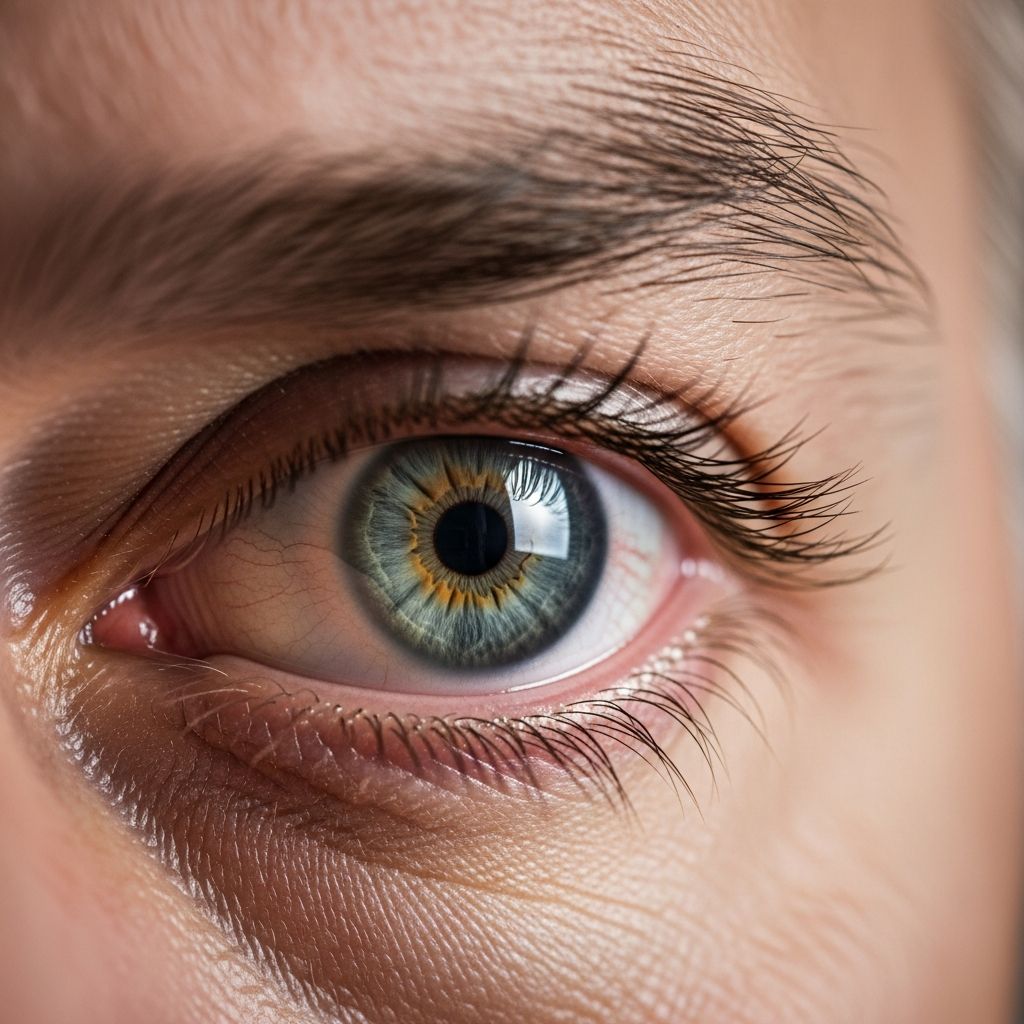
Glaucoma refers to a group of eye conditions that damage the optic nerve, often due to elevated intraocular pressure, leading to progressive vision loss and potential blindness if untreated. As the second leading cause of blindness worldwide, it affects millions, yet many remain undiagnosed because primary open-angle glaucoma develops silently without early symptoms.
The optic nerve, which transmits visual information from the eye to the brain, becomes damaged when fluid buildup increases pressure inside the eye, impairing drainage through the trabecular meshwork. Understanding symptoms across glaucoma types is crucial for timely intervention, as no treatment can reverse existing damage but can halt progression.
What Is Glaucoma?
Glaucoma encompasses several disorders characterized by optic nerve damage and elevated eye pressure, though damage can occur even at normal pressure levels. The aqueous humor, a clear fluid produced by the ciliary body, nourishes the eye and maintains its shape. In healthy eyes, it drains efficiently; in glaucoma, drainage slows, causing pressure buildup that compresses the optic nerve.
Over 3 million Americans have glaucoma, with half unaware, particularly in developing countries where 90% go undetected. It typically affects both eyes but asymmetrically and is more prevalent after age 40, though pediatric forms exist. Early detection via routine eye exams is vital since symptoms often appear late.
Types of Glaucoma
Glaucoma manifests in various forms, each with distinct mechanisms and symptom profiles. The most common is primary open-angle glaucoma, followed by angle-closure and others.
- Open-Angle Glaucoma: The leading type, where the drainage angle remains open but clogged, causing gradual pressure rise. It progresses painlessly, often unnoticed until advanced.
- Angle-Closure Glaucoma: Occurs when the iris blocks drainage, leading to sudden pressure spikes. It’s a medical emergency.
- Normal-Tension Glaucoma: Optic nerve damage despite normal pressure, possibly from poor blood flow.
- Pigmentary Glaucoma: Pigment from the iris clogs drainage in younger adults.
- Congenital/Childhood Glaucoma: Genetic, present at birth or early childhood, with enlarged eyes.
- Neovascular Glaucoma: New blood vessels block drainage, often secondary to diabetes.
Symptoms of Glaucoma
Symptoms vary by type and stage. Open-angle glaucoma is insidious, starting with peripheral vision loss mimicking tunnel vision in late stages. Angle-closure presents acutely with severe symptoms requiring immediate care.
Open-Angle Glaucoma Symptoms
- Gradual loss of peripheral (side) vision in both eyes
- Tunnel vision in advanced stages
- Rarely noticeable early on
Patients often adapt unconsciously to vision changes until central vision is threatened.
Angle-Closure Glaucoma Symptoms
This acute form demands emergency treatment to avert permanent loss.
- Severe eye pain
- Blurred or hazy vision
- Halos around lights
- Red eyes
- Nausea and vomiting
- Sudden vision loss, especially in dim light
- Dilated pupils
Related Stories



Symptoms in Other Types
- Normal-Tension: Similar to open-angle, with side vision loss.
- Pigmentary: Blurred vision post-exercise from pigment release.
- Congenital: Cloudy corneas, excessive tearing, light sensitivity, large eyes.
- Neovascular: Pain, redness, vision loss.
Stages of Glaucoma
Glaucoma advances through stages defined by optic nerve damage and visual field loss, assessed via exams.
- Early Stage: Subtle optic nerve changes, no symptoms, minor field defects.
- Moderate Stage: Noticeable peripheral loss, clouded vision in low light.
- Advanced Stage: Significant side vision loss, central vision threat, tunnel vision.
Progression is irreversible, emphasizing regular monitoring.
Risk Factors for Glaucoma
Certain factors elevate risk, guiding screening recommendations.
| Risk Factor | Description |
|---|---|
| Age over 60 | Risk rises significantly |
| Family history | Genetic predisposition |
| African American, Hispanic, Asian descent | Higher incidence |
| Diabetes/High blood pressure | Vascular contributions |
| High myopia or hyperopia | Anatomical risks |
| Previous eye injury/surgery | Trauma-related |
Diagnosis of Glaucoma
Ophthalmologists diagnose via comprehensive exams, even pre-symptomatically.
- Tonometry: Measures intraocular pressure.
- Ophthalmoscopy: Inspects optic nerve cupping.
- Visual Field Test: Detects peripheral loss.
- Gonioscopy: Evaluates drainage angle.
- Optical Coherence Tomography (OCT): Images nerve fiber layer.
Normal pressure doesn’t rule out glaucoma; optic nerve health is key.
Treatment for Glaucoma
Treatments lower eye pressure to preserve vision, tailored by type and severity.
- Eye Drops: Prostaglandins, beta-blockers reduce production/drainage. Side effects: stinging, redness.
- Laser Therapy: Trabeculoplasty opens drainage for open-angle; iridotomy for angle-closure.
- Surgery: Trabeculectomy or shunts create new drainage paths.
Monitoring includes pressure checks, field tests, OCT.
Prevention and Early Detection
No sure prevention, but strategies mitigate risk.
- Annual eye exams post-40, or earlier if high-risk.
- Manage diabetes, blood pressure.
- Protect eyes from injury.
Early detection prevents 95% of severe vision loss in developed nations.
When to See a Doctor
Seek immediate care for acute symptoms like severe pain, halos, nausea. Routine exams catch chronic forms.
Frequently Asked Questions (FAQs)
Can glaucoma be cured?
No, damage is permanent, but treatments prevent progression.
Does high eye pressure mean glaucoma?
Not always; half of cases occur at normal pressure.
How often should I get eye exams?
Every 1-2 years after 40, or annually if at risk.
Is glaucoma hereditary?
Family history increases risk significantly.
Can children get glaucoma?
Yes, congenital forms require early surgery.
References
- Glaucoma: Types, causes, and symptoms — Medical News Today. 2023-10-01. https://www.medicalnewstoday.com/articles/9710
- Early Symptoms of Glaucoma — Mass General Brigham. 2024-05-15. https://www.massgeneralbrigham.org/en/about/newsroom/articles/early-symptoms-of-glaucoma
- Glaucoma Facts And Stats — Glaucoma Research Foundation. 2024-01-10. https://glaucoma.org/articles/glaucoma-facts-and-stats
- Types of Glaucoma — National Eye Institute (NIH). 2023-11-20. https://www.nei.nih.gov/eye-health-information/eye-conditions-and-diseases/glaucoma/types-glaucoma
- Glaucoma Symptoms and Stages: A Complete Patient Guide — ReFocus Eye Health. 2024-03-05. https://bloomfield-nwestern.refocuseyedoctors.com/article/glaucoma-symptoms-and-stages/
Similar Articles








Read full bio of medha deb