Glibenclamide Guide: Dosing, Side-Effects, Safety Tips
Glibenclamide (glyburide) is a sulfonylurea medication used to help control blood sugar in type 2 diabetes when diet and exercise are insufficient.
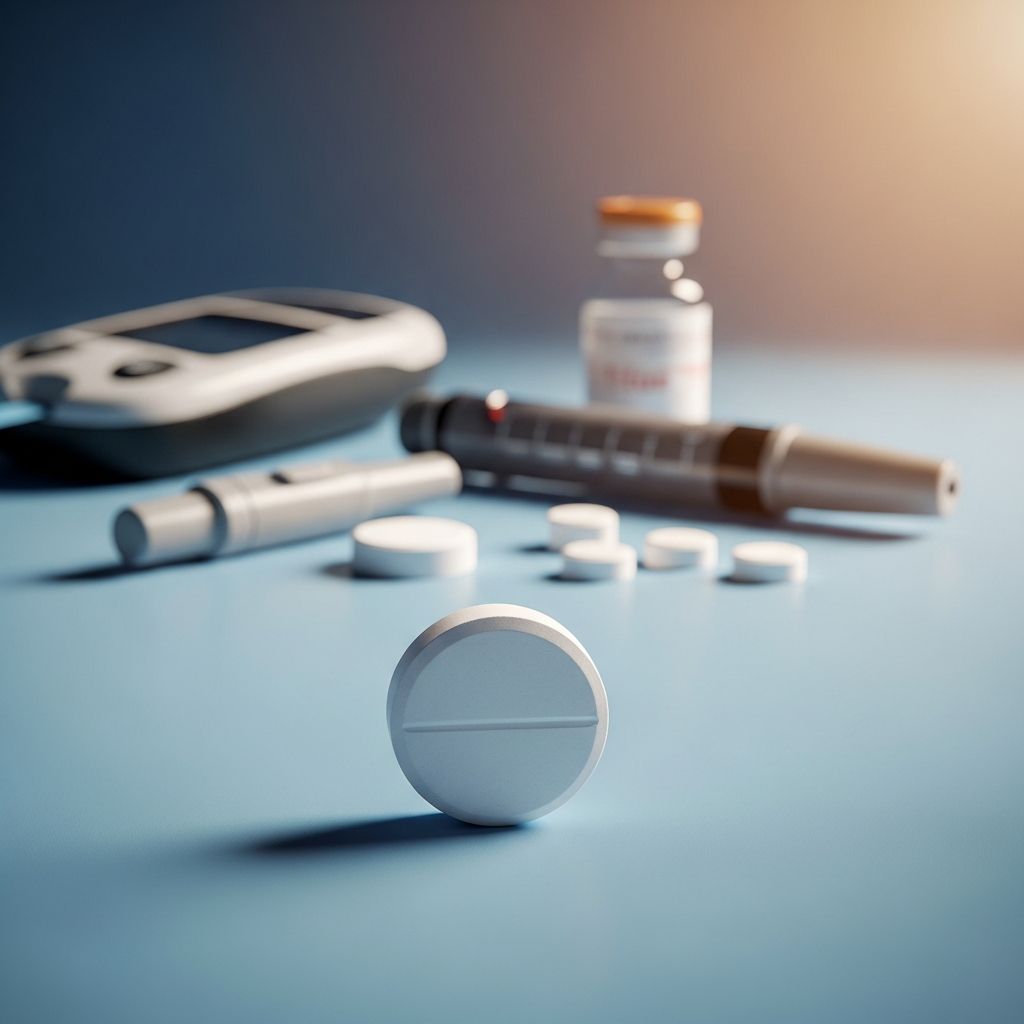
Glibenclamide, also known as glyburide, is an oral medication belonging to the sulfonylurea class, primarily used to manage type 2 diabetes in adults when diet and exercise alone fail to control blood sugar levels. It stimulates the pancreas to release more insulin, helping lower elevated glucose concentrations effectively.
About glibenclamide tablets
Glibenclamide is available as white, oblong tablets, often scored for easy division to adjust dosage. Common strengths include 5mg tablets, packaged in blisters of 10 or 20 tablets per box. This second-generation sulfonylurea has a long duration of action, allowing once-daily dosing, typically with breakfast to minimize gastrointestinal upset and optimize glycemic control.
Discovered in 1969 and approved in the US in 1984, glibenclamide remains a widely prescribed generic antidiabetic, with over 2 million prescriptions in 2021. It is not suitable for type 1 diabetes or diabetic ketoacidosis, as it relies on functioning pancreatic beta cells.
Key facts about glibenclamide
- Drug group: Sulfonylurea antidiabetic.
- Diabetes type: Type 2 (non-insulin dependent).
- Dosing: Usually once daily, 2.5–15mg; maximum 20mg in some cases but low doses often suffice.
- Onset: Blood sugar lowering starts within hours; full effect in days.
- Common brand names: Daonil, Euglucon (generic widely available).
- Is it a biguanide? No; differs from metformin by directly stimulating insulin release rather than reducing liver glucose production.
About type 2 diabetes
Type 2 diabetes occurs when the body becomes resistant to insulin or the pancreas produces insufficient amounts, leading to high blood glucose (hyperglycemia). Risk factors include obesity, age over 45, family history, sedentary lifestyle, and certain ethnicities. Symptoms encompass increased thirst, frequent urination, fatigue, blurred vision, and slow-healing wounds. Untreated, it raises risks of heart disease, stroke, kidney failure, neuropathy, retinopathy, and foot ulcers.
Management prioritizes lifestyle: balanced diet low in refined sugars/carbs, portion control, regular aerobic/strength exercise (150 minutes weekly), and weight loss if overweight. Monitoring via HbA1c (target <7%) and self-blood glucose tests is crucial. Oral agents like glibenclamide complement these when needed.
How glibenclamide works and when to take it
Glibenclamide binds to ATP-sensitive potassium channels on pancreatic beta cells, closing them to depolarize the cell membrane. This opens calcium channels, triggering insulin exocytosis. It reduces hepatic glucose output and enhances peripheral insulin sensitivity indirectly. Effects peak in 2–3 hours, lasting 24 hours due to active metabolites.
Take once daily with or after the first main meal (e.g., breakfast) to sync insulin release with food intake, preventing hypoglycemia. Swallow whole; do not crush. Consistent timing aids steady control. Studies show maximal glucose reduction (20–28%) at low doses (2.5–5mg), with minimal added benefit from higher doses like 10–20mg, which may plateau insulin response.
Dosage
Dosage is individualized based on blood glucose response, starting low to minimize hypoglycemia risk.
| Patient Group | Starting Dose | Maintenance Dose | Max Daily Dose |
|---|---|---|---|
| Adults newly starting | 2.5–5mg once daily | Adjust by 2.5–5mg weekly | 15–20mg |
| Switching from other sulfonylureas | 2.5–5mg | Titrate as needed | 15–20mg |
| Elderly/renal impairment | 2.5mg | Lower end; monitor closely | 10mg |
In a study of poorly controlled type 2 patients, doses above 2.5mg yielded no significant further glucose drop (22–28% reduction max), suggesting low-dose optimization. Always consult a doctor for adjustments; never self-escalate.
Getting the most from your treatment
- Adhere to prescribed dose; regular blood tests guide tweaks.
- Maintain healthy diet: high fiber, veggies, lean proteins; limit sugars/alcohol.
- Exercise daily: walking, swimming (30–60min).
- Monitor blood sugar 2–4x daily initially; log for doctor review.
- Carry glucose sources (juice, tablets) for lows.
- Inform doctor of illness/stress, as needs may change.
- Avoid skipping meals; consistent carbs help.
Combining with metformin often enhances control without added hypo risk.
Side-effects of glibenclamide tablets
Most side effects are mild; serious ones rare but require immediate attention.
Common side effects
- Hypoglycemia: Shakiness, sweating, confusion, hunger, irritability (risk highest 4–8 hours post-dose or with missed meals). Treat with 15g fast carbs; recheck.
- Gastrointestinal: Nausea, heartburn, bloating (take with food mitigates).
- Weight gain: Due to insulin-driven appetite (manage via diet/exercise).
Serious side effects
- Allergic: Rash, angioedema, anaphylaxis (stop drug, seek ER).
- Hematologic: Thrombocytopenia, hemolytic anemia (rare).
- Cardiovascular: Possible increased mortality risk with long-term sulfonylurea use.
Report persistent issues to doctor; dose reduction or switch may help.
Pregnancy and breastfeeding with glibenclamide tablets
Not recommended in pregnancy (crosses placenta; neonatal hypo risk). Switch to insulin. During breastfeeding, low amounts pass into milk; generally safe but monitor infant glucose. Consult specialist.
Other medicines, food and drink, alcohol
Interactions
- Increase hypo risk: Other antidiabetics, beta-blockers, salicylates, fibrates, azole antifungals, warfarin.
- Decrease effect: Corticosteroids, thiazides, estrogens, beta-agonists (salbutamol), rifampicin, phenytoin.
- Alcohol: Increases hypo risk; limit intake.
- Food: Grapefruit may alter metabolism; consistent diet best.
Inform doctor/pharmacist of all meds/supplements.
Common questions about glibenclamide tablets
Frequently Asked Questions (FAQs)
Can I drive while taking glibenclamide?
Yes, if blood sugar stable. Hypo symptoms mimic intoxication; monitor before driving and carry glucose.
Does glibenclamide cause weight gain?
Yes, commonly due to insulin effects; counter with calorie control and activity.
How long until glibenclamide works?
Hours for initial drop; 1–2 weeks for steady control. HbA1c improves over months.
What if I forget a dose?
Take with next meal if soon; skip if late. Never double up.
Can I stop glibenclamide suddenly?
No; hyperglycemia rebound possible. Taper under doctor guidance.
Is glibenclamide safe for kidneys?
Use cautiously if impaired; dose adjust and monitor.
How to store glibenclamide tablets
Store below 25–30°C, dry place, child-proof container. Discard expired meds safely.
References
- Uses of Glibenclamide 5mg — Vinmec. 2023. https://www.vinmec.com/eng/blog/uses-of-glibenclamide-5mg-en
- Glibenclamide — Wikipedia (informed by primary sources). 2024. https://en.wikipedia.org/wiki/Glibenclamide
- Glibenclamide in patients with poorly controlled type 2 diabetes — National Institutes of Health (PMC). 2014-03-21. https://pmc.ncbi.nlm.nih.gov/articles/PMC3983009/
- Glibenclamide — SingHealth. 2024. https://www.singhealth.com.sg/medicine/glibenclamide
- Glyburide: Uses, Interactions, Mechanism of Action — DrugBank. 2024. https://go.drugbank.com/drugs/DB01016
- Glyburide (oral route) — Mayo Clinic. 2024. https://www.mayoclinic.org/drugs-supplements/glyburide-oral-route/description/drg-20072094
- Glyburide — MedlinePlus (NIH). 2024. https://medlineplus.gov/druginfo/meds/a684058.html
Similar Articles








Read full bio of Sneha Tete