Gliclazide Tablets: Uses, Dosage & Side Effects
Complete guide to gliclazide tablets for type 2 diabetes management and blood sugar control.
About Gliclazide
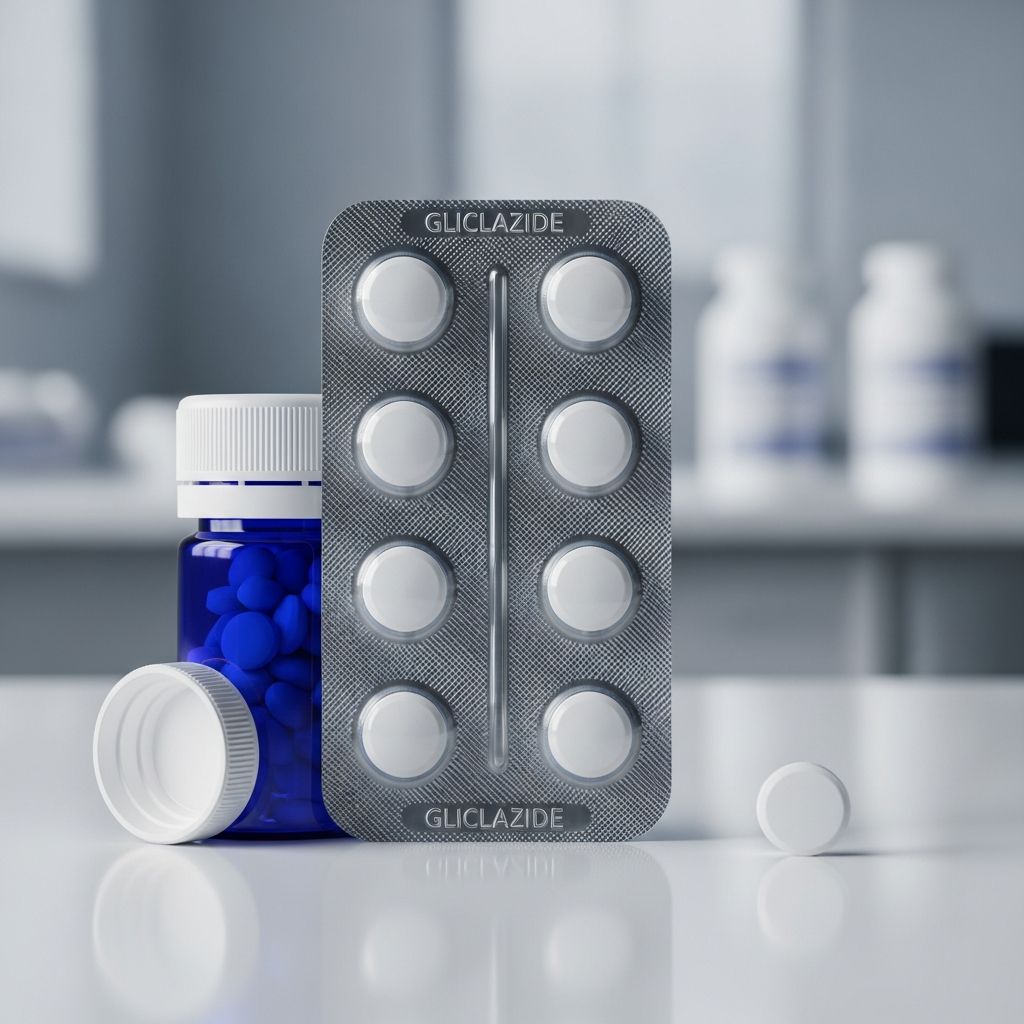
Gliclazide is a prescription medicine used to treat type 2 diabetes and help control blood sugar levels in adults. It belongs to a group of medications called sulfonylureas, which are oral antidiabetic medicines designed to lower glucose levels in the bloodstream. The medication is available under several brand names, including Diamicron®, Zicron®, Dacadis® MR, Edicil® MR, Glydex®, Laaglyda® MR, Lamzarin®, and Nazdol® MR.
Diabetes requires ongoing treatment to maintain proper blood sugar control, as good glucose management significantly reduces the risk of serious complications such as heart disease, kidney damage, nerve damage, and vision problems. While some people can control their blood sugar through dietary changes and lifestyle modifications alone, others require medication like gliclazide alongside these interventions.
How Gliclazide Works
Gliclazide operates by stimulating the pancreas to produce and release more insulin. Specifically, it works by stimulating insulin secretion from the beta cells of the islets of Langerhans in the pancreas. This increased insulin production helps your body utilize glucose more effectively, thereby lowering blood sugar levels. The medication can be prescribed on its own or in combination with other antidiabetic medicines or insulin therapy, depending on individual patient needs.
| Property | Details |
|---|---|
| Medicine Type | Sulfonylurea antidiabetic medicine |
| Used For | Type 2 diabetes mellitus |
| Active Ingredient | Gliclazide |
| Administration | Oral tablets |
| Available Forms | Standard and modified-release (MR) formulations |
Before Taking Gliclazide
Before starting treatment with gliclazide, it is essential to inform your doctor about your complete medical history and current medications. This ensures the medication is appropriate for you and minimizes the risk of serious interactions or complications.
Important Considerations
You should not take gliclazide if you have any of the following conditions:
- Type 1 diabetes (gliclazide is only for type 2 diabetes)
- Diabetic ketoacidosis, pre-coma, or diabetic coma
- Severe liver or kidney disease
- An allergy or hypersensitivity to gliclazide or other sulfonylurea medicines
- Porphyria or glucose 6-phosphate dehydrogenase (G6PD) deficiency (rare inherited disorders)
- Pregnancy or breastfeeding
Additionally, you should inform your doctor if you are taking Miconazole, an antifungal medication, as it may interact with gliclazide. Always discuss any other medicines you are taking—including over-the-counter medications, herbal remedies, and complementary therapies—as some may interfere with how gliclazide works.
How to Take Gliclazide
Taking gliclazide correctly is crucial for effective diabetes management. Always follow your doctor’s instructions precisely regarding dose and frequency.
Dosage Instructions
Gliclazide is usually taken once daily with breakfast. However, some patients requiring higher doses may be instructed to split their medication and take tablets twice a day. Your doctor or pharmacist will determine which dosing schedule is appropriate for you, and your specific dose will be clearly marked on your medicine packaging as a reminder.
If you have been prescribed a modified-release form of gliclazide (identified by “MR” after the tablet name), the tablets must be swallowed whole. Do not break, crush, or chew these tablets, as they are specially coated to allow the medicine to be released slowly and evenly throughout the day, ensuring consistent blood sugar control.
Related Stories



Missed Doses
If you forget to take a dose of gliclazide, take it as soon as you remember. However, if you do not remember until the next day, skip the missed dose and resume your normal schedule. Never take two doses together to compensate for a forgotten dose, as this could lead to dangerously low blood sugar levels.
Lifestyle Recommendations
While taking gliclazide, remember to:
- Follow any dietary advice your doctor has provided regarding what to eat and avoid
- Engage in regular physical exercise as recommended
- Maintain a healthy weight
- Monitor your blood sugar levels as instructed
- Continue taking gliclazide unless your doctor advises otherwise—diabetes treatment is typically lifelong
Important Safety Information
Recognizing Low Blood Sugar
One of the most important risks with gliclazide is hypoglycemia (low blood sugar). You should learn to recognize the symptoms, which include:
- Feeling shaky or anxious
- Sweating
- Looking pale
- Feeling hungry
- Heart palpitations (feeling that your heart is pounding)
- Feeling dizzy
If you experience these symptoms, eat something containing sugar immediately, such as a biscuit or sugary drink (not diet drinks). Follow this with a more substantial snack like a sandwich to maintain your blood sugar. If you regularly notice these symptoms, inform your doctor, as your dose may need adjustment.
Special Circumstances
If you are due to have surgery or dental treatment, inform the healthcare professional that you have diabetes and are taking gliclazide. Your medication regimen may need temporary adjustment during medical procedures. Additionally, whenever you purchase any new medicines, check with your pharmacist to ensure they are safe to take alongside gliclazide.
Possible Side Effects
Like all medicines, gliclazide can cause unwanted side effects, although not everyone experiences them. Side effects often improve as your body adjusts to the medication. If side effects persist or become troublesome, speak with your doctor or pharmacist.
Common Side Effects and Management
| Side Effect | Management Strategy |
|---|---|
| Nausea, vomiting, or indigestion | Stick to simple meals and avoid rich or spicy foods. Take tablets after eating. |
| Diarrhea (loose, watery stools) | Drink plenty of water to replace lost fluids. |
| Constipation | Eat a well-balanced diet with adequate fiber and drink plenty of water. |
| Weight gain | Maintain a well-balanced diet and eat regular meals; avoid skipping meals. |
| Low blood sugar symptoms | Eat something containing sugar (biscuit or sugary drink), followed by a snack. Tell your doctor if symptoms continue. |
For a complete list of possible side effects, refer to the manufacturer’s information leaflet supplied with your medicine. If you experience any other symptoms you believe may be related to this medication, contact your doctor or pharmacist.
Drug Interactions
Gliclazide can interact with other medications, which may affect its effectiveness or increase the risk of side effects. Always inform your doctor about all medicines you are currently taking.
Medications That May Enhance Gliclazide’s Effect
The blood sugar-lowering effect of gliclazide may be strengthened when combined with certain medications, potentially increasing the risk of low blood sugar. These include various classes of drugs, so discuss all current medications with your healthcare provider.
Medications That May Reduce Gliclazide’s Effect
Conversely, some medications may weaken gliclazide’s effectiveness, leading to higher blood sugar levels. These include:
- Central nervous system medications (such as chlorpromazine)
- Anti-inflammatory drugs (corticosteroids)
- Asthma medications or those used during labor (intravenous salbutamol, terbutaline, ritodrine)
- Medications for breast disorders, heavy menstrual bleeding, or endometriosis (danazol)
Additionally, gliclazide may increase the effects of blood-thinning medicines like warfarin, increasing bleeding risk.
Hyperglycemia: High Blood Sugar
While gliclazide is designed to lower blood sugar, high blood sugar (hyperglycemia) symptoms may occur if the medication is not working as expected, if you do not follow your doctor’s treatment plan, or during periods of significant stress. Symptoms of high blood sugar include:
- Excessive thirst
- Dry mouth
- Itchy, dry skin
- Increased urination
- Skin infections
- Decreased activity or fatigue
If you notice these symptoms, contact your doctor or pharmacist promptly, as your treatment plan may require adjustment.
Frequently Asked Questions
Q: Can I take gliclazide if I have type 1 diabetes?
A: No. Gliclazide is only prescribed for type 2 diabetes. It does not work for type 1 diabetes and should not be used in that condition.
Q: Is gliclazide safe during pregnancy and breastfeeding?
A: No. Gliclazide should not be used during pregnancy or while breastfeeding, as it may harm the developing baby or pass into breast milk.
Q: What should I do if I accidentally take too much gliclazide?
A: If you suspect an overdose, seek immediate medical attention or contact your local poison control center. Overdose can cause severe low blood sugar, which requires prompt treatment.
Q: Can gliclazide be used alongside other diabetes medications?
A: Yes. Gliclazide can be prescribed in combination with other antidiabetic medicines or insulin therapy. Your doctor will determine the best combination based on your individual needs.
Q: Do I need regular monitoring while taking gliclazide?
A: Yes. Regular monitoring of your blood sugar levels is essential, along with periodic checks of your kidney and liver function. Your doctor will schedule appropriate follow-up appointments.
Q: Are modified-release tablets different from standard tablets?
A: Yes. Modified-release (MR) tablets are specially coated to release the medication slowly throughout the day. They must be swallowed whole and not broken or crushed.
Q: What is the best time to take gliclazide?
A: Gliclazide is usually taken once daily with breakfast. Taking it with food may help reduce stomach upset.
References
- Gliclazide Tablets (Diamicron, Zicron) — Patient.info. Accessed January 2026. https://patient.info/medicine/gliclazide-tablets-diamicron-zicron
- Indications of Diamicron MR 60mg — Vinmec International Hospital. https://www.vinmec.com/eng/blog/uses-of-diamicron-mr-60mg-en
- Diamicron 80mg Tablets – Patient Information Leaflet (PIL) — Medicines.org.uk. https://www.medicines.org.uk/emc/product/1150/pil
Similar Articles








Read full bio of medha deb