Gliclazide: Uses, How It Works and Side Effects
Complete guide to gliclazide: understanding this sulphonylurea medication for type 2 diabetes management.
What is Gliclazide?
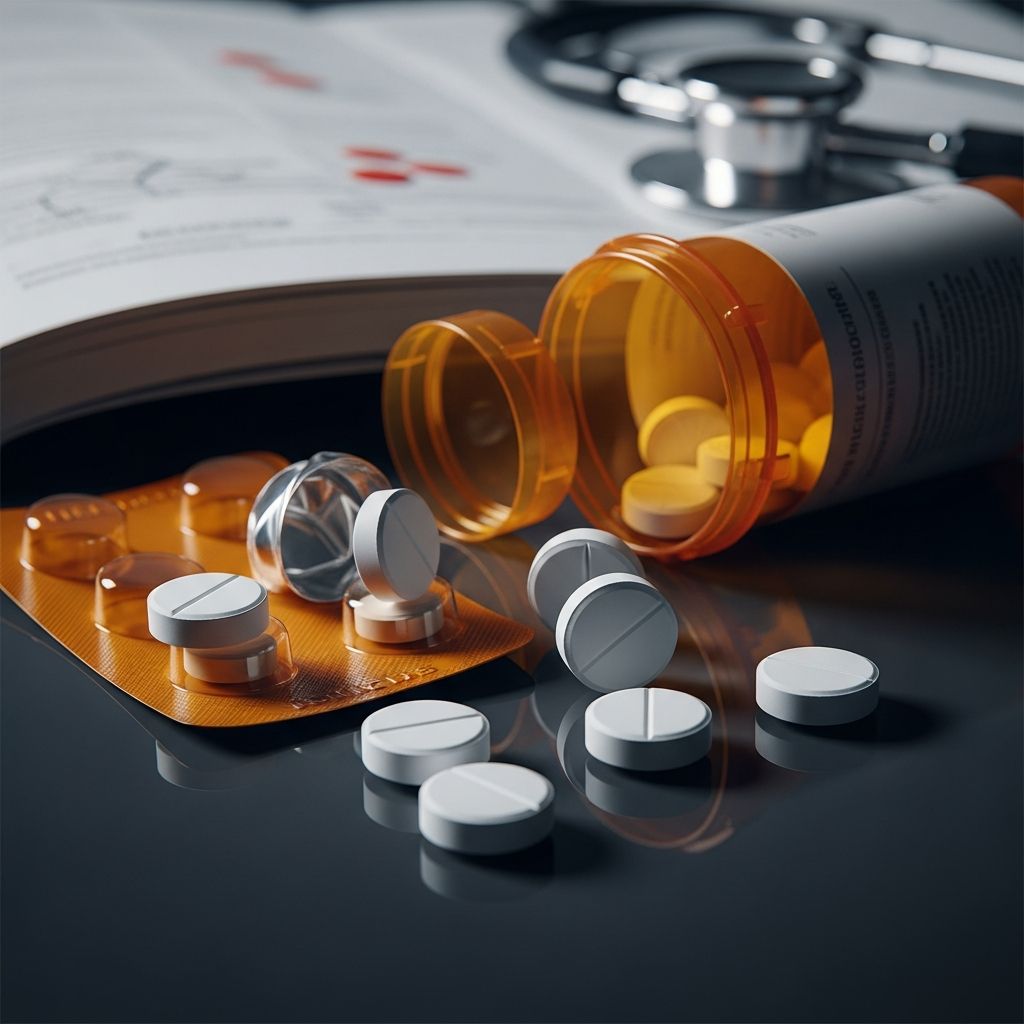
Gliclazide belongs to a group of medicines called sulphonylureas, which are oral medications used to manage type 2 diabetes. It works by stimulating your pancreas to produce more insulin and helping your body use insulin more effectively. Gliclazide is available under various brand names including Diamicron, Glydex, and Zicron. You can take gliclazide on its own or in combination with other diabetes medications as part of your comprehensive diabetes management plan.
This medication is classified as a second-generation sulphonylurea based on its pharmacological properties, meaning it offers higher potency and improved clinical efficacy compared to first-generation sulphonylureas. It has been widely used in diabetes management for decades and remains an important treatment option when dietary measures alone are insufficient to control blood glucose levels.
How Does Gliclazide Work?
Gliclazide works through a specific mechanism that targets the pancreas and improves insulin function throughout your body. Understanding how this medication operates can help you appreciate its role in your diabetes management strategy.
Stimulating Insulin Production
The primary mechanism of action involves stimulating insulin secretion from the beta cells of the pancreas, specifically the islets of Langerhans. Gliclazide binds to sulphonylurea receptors on beta cells with high affinity and selectivity, triggering the release of stored insulin. This mechanism helps restore the first peak of insulin secretion in response to glucose intake and increases the second phase of insulin secretion, patterns that are often abnormal in type 2 diabetes.
Improving Insulin Sensitivity
Beyond insulin production, gliclazide enhances peripheral insulin sensitivity, meaning it helps your body’s cells respond more effectively to insulin. This dual action—increased insulin production combined with improved insulin utilisation—results in more effective blood glucose control. The medication also reduces hepatic glucose production and improves glucose clearance without significantly altering insulin receptors, suggesting it works through post-receptor mechanisms in insulin signaling.
Haemobiological Effects
An important additional benefit of gliclazide involves its effects on blood properties and microcirculation. The medication reduces platelet adhesion and aggregation, decreases platelet hyperactivity, and increases fibrinolysis. These haemobiological actions are considered independent of its blood glucose-lowering effects and may help slow the progression of diabetic microangiopathy, a serious complication affecting small blood vessels.
Indications and When Gliclazide is Prescribed
Gliclazide is indicated for the treatment of type 2 diabetes in adults when dietary measures alone are inadequate to control blood glucose levels. Your healthcare provider may prescribe gliclazide when:
- Dietary modification and lifestyle changes have not achieved satisfactory blood glucose control
- You have newly diagnosed type 2 diabetes requiring medication alongside dietary measures
- Other antidiabetic treatments are inadequate or not tolerated
- Your diabetes requires enhanced blood glucose control to prevent long-term complications
- You need medication that can be used in combination with other diabetes drugs
It is important to note that gliclazide does not replace the necessity of maintaining standard dietary requirements and lifestyle modifications. These remain fundamental components of your diabetes management strategy.
Related Stories



Dosage and Administration
The appropriate dosing of gliclazide must be individualised based on your specific needs and response to treatment. Your healthcare provider will determine the optimal dose for your situation.
Standard Dosing Guidelines
Gliclazide is for use in adults aged 18 years and older. The medication is typically taken orally, preferably at the same time each morning with breakfast. Doses not exceeding 160 mg are usually taken as a single morning dose. However, if your doctor prescribes a dose exceeding 160 mg daily, this should be divided into separate doses taken in the morning and evening with meals.
Dose Adjustment
The dosage will depend on the severity of your hyperglycaemia, and your doctor will make ongoing adjustments to obtain optimal blood glucose control at the lowest effective dose. This personalised approach helps minimise the risk of hypoglycaemic episodes while achieving your target blood glucose levels. Regular monitoring of blood glucose levels and HbA1c measurements helps guide dose adjustments over time.
Benefits of Gliclazide
Gliclazide offers several important benefits for type 2 diabetes management:
- Effective glucose control: Decreases fasting plasma glucose, postprandial blood glucose, and HbA1c levels, reflecting improved glucose control over the preceding 8-10 weeks
- Lower hypoglycaemia risk: The specific pattern of insulin stimulation results in a lower incidence of hypoglycaemic episodes compared to some other sulphonylureas
- Minimal weight gain: Associated with less weight gain compared to certain alternative sulphonylurea medications
- Retinopathy protection: May offer additional protection against diabetic retinopathy progression due to its haemobiological actions
- Flexible combination therapy: Can be used effectively with insulin therapy, potentially allowing insulin dosage reduction
- Good tolerability: Generally well tolerated with a manageable side effect profile
Side Effects
While gliclazide is generally well tolerated, like all medications it can cause side effects. Most side effects are mild and may diminish as your body adjusts to the medication. However, you should inform your healthcare provider if any side effects concern you or persist.
Common Side Effects
- Dizziness or lightheadedness
- Headache
- Trembling or shaking
- Sweating
- Anxiety or nervousness
- Mild gastrointestinal disturbances
- Skin reactions or rashes
Hypoglycaemia Risk
Hypoglycaemia (low blood sugar) is the most important potential side effect of gliclazide. Although the incidence is lower than with some other sulphonylureas, it remains a consideration. Symptoms of hypoglycaemia include shakiness, sweating, anxiety, rapid heartbeat, confusion, and in severe cases, loss of consciousness. You should always carry a source of fast-acting carbohydrate and inform family members about hypoglycaemia symptoms. Regular blood glucose monitoring helps prevent severe hypoglycaemic episodes.
Serious Side Effects
Seek immediate medical attention if you experience signs of serious side effects, including severe allergic reactions, liver problems, or blood disorders. These are rare but require prompt medical evaluation.
Drug Interactions and Contraindications
Gliclazide can interact with various medications, potentially affecting its efficacy or increasing side effect risk. Inform your healthcare provider of all medications, supplements, and herbal products you take.
Important Drug Interactions
Blood sugar control may be adversely affected by interactions between gliclazide and barbiturates, glucocorticoids, or oestrogens. Thiazide diuretics can interfere with blood glucose control and should be administered with caution in patients taking gliclazide. Other medications that may interact include certain antibiotics, beta-blockers, and nonsteroidal anti-inflammatory drugs. Always consult your healthcare provider or pharmacist before starting new medications while taking gliclazide.
Contraindications
Gliclazide should not be used in certain situations. It is contraindicated in type 1 diabetes, during pregnancy and breastfeeding, and in individuals with severe liver or kidney impairment. Patients with hypersensitivity to sulphonylureas or any component of the medication should not take gliclazide. Your healthcare provider will assess whether gliclazide is appropriate for your specific medical situation.
Monitoring and Safety Considerations
Regular monitoring is essential when taking gliclazide to ensure optimal efficacy and safety. Your healthcare provider will recommend appropriate monitoring frequency based on your individual circumstances.
Blood Glucose Monitoring
Regular self-monitoring of blood glucose helps you and your healthcare provider assess whether your current dose is achieving target glucose levels. This information guides any necessary dose adjustments and helps prevent both hyperglycaemia and hypoglycaemia.
HbA1c Testing
HbA1c testing, performed every 3-6 months, provides an average measure of your blood glucose control over the preceding 8-10 weeks. This helps assess long-term treatment efficacy and guides management decisions.
Medical Reviews
Regular appointments with your healthcare provider allow for assessment of side effects, medication tolerance, and overall diabetes control. These reviews provide opportunities to discuss any concerns and adjust your treatment plan as needed.
Lifestyle and Dietary Considerations
Gliclazide is most effective when combined with appropriate lifestyle modifications. Your diabetes management should include:
- A balanced diet low in refined carbohydrates and high in fibre
- Regular physical activity appropriate to your fitness level
- Maintaining a healthy weight
- Limiting alcohol consumption
- Regular monitoring of blood glucose levels
- Stress management and adequate sleep
These lifestyle factors significantly enhance the effectiveness of gliclazide and improve your overall health outcomes.
Comparison with Other Diabetes Medications
| Medication Class | Mechanism | Hypoglycaemia Risk | Weight Impact |
|---|---|---|---|
| Sulphonylureas (Gliclazide) | Stimulates insulin secretion | Moderate | Potential weight gain |
| Metformin | Reduces liver glucose production | Low | Weight neutral or loss |
| DPP-4 Inhibitors | Enhances incretin effect | Low | Weight neutral |
| GLP-1 Agonists | Enhances insulin secretion and satiety | Low | Weight loss |
Frequently Asked Questions
Q: Can I take gliclazide if I’m pregnant?
A: No, gliclazide is contraindicated during pregnancy. If you plan to become pregnant or discover you are pregnant, contact your healthcare provider immediately to discuss alternative diabetes management options.
Q: What should I do if I forget to take my dose?
A: If you remember within a few hours, take the missed dose. If it’s almost time for your next dose, skip the missed dose. Never double-dose to make up for a missed dose. Contact your pharmacist or healthcare provider for specific guidance.
Q: Can gliclazide be used with insulin?
A: Yes, gliclazide can be used with insulin therapy. Research indicates that adding gliclazide to insulin enables insulin dosage to be reduced while maintaining effective blood glucose control.
Q: How long does it take for gliclazide to work?
A: Gliclazide begins working relatively quickly, typically within hours of taking a dose. However, maximum benefits for overall blood glucose control develop over days to weeks as your body adjusts and your healthcare provider optimises your dose.
Q: Is gliclazide safe for long-term use?
A: Yes, gliclazide has been used safely for long-term diabetes management for many decades. Ongoing medical supervision and regular monitoring ensure continued safety and efficacy. However, your healthcare provider will periodically review whether gliclazide remains the most appropriate medication for your changing needs.
Q: Can I stop taking gliclazide if my blood sugar improves?
A: Never stop taking gliclazide without consulting your healthcare provider, even if your blood glucose levels improve. Stopping suddenly can cause blood glucose levels to rise. Your doctor may adjust your dose if control improves, but this decision must be made by your healthcare provider.
Q: What should I do if I experience symptoms of hypoglycaemia?
A: If you experience shakiness, sweating, confusion, or rapid heartbeat, consume a fast-acting carbohydrate source such as glucose tablets, juice, or sweets. Rest and recheck your blood glucose after 15 minutes. If symptoms persist or worsen, seek emergency medical attention.
Q: Are there any foods I should avoid while taking gliclazide?
A: There are no absolute food contraindications, but you should follow your prescribed diabetes diet. Excessive consumption of high-sugar or high-carbohydrate foods may reduce gliclazide’s effectiveness and compromise blood glucose control.
References
- Pharmacological and Pharmaceutical Profile of Gliclazide: A Review — Journal of Applied Pharmaceutical Science. 2011. https://japsonline.com
- The Mode of Action and Clinical Pharmacology of Gliclazide: A Review — PubMed (National Center for Biotechnology Information). 1993. https://pubmed.ncbi.nlm.nih.gov/1794262/
- Data Sheet – Glizide — Medsafe (New Zealand Medicines and Medical Devices Safety Authority). https://www.medsafe.govt.nz
- Gliclazide: Uses, Interactions, Mechanism of Action — DrugBank. https://go.drugbank.com/drugs/DB01120
- Gliclazide — Uses, How it Works and Side Effects — Diabetes UK. https://www.diabetes.org.uk/about-diabetes/looking-after-diabetes/treatments/tablets-and-medication/sulphonylureas/gliclazide
- Package Leaflet: Information for the Patient — Gliclazide 40 mg Tablets — UK Electronic Medicines Compendium. https://www.medicines.org.uk
- Gliclazide — PubChem (National Institutes of Health). https://pubchem.ncbi.nlm.nih.gov/compound/Gliclazide
Similar Articles








Read full bio of Sneha Tete