Glimepiride Tablets for Diabetes: Complete Guide
Complete guide to glimepiride tablets: uses, dosage, side effects, and effectiveness for type 2 diabetes management.
What is Glimepiride?
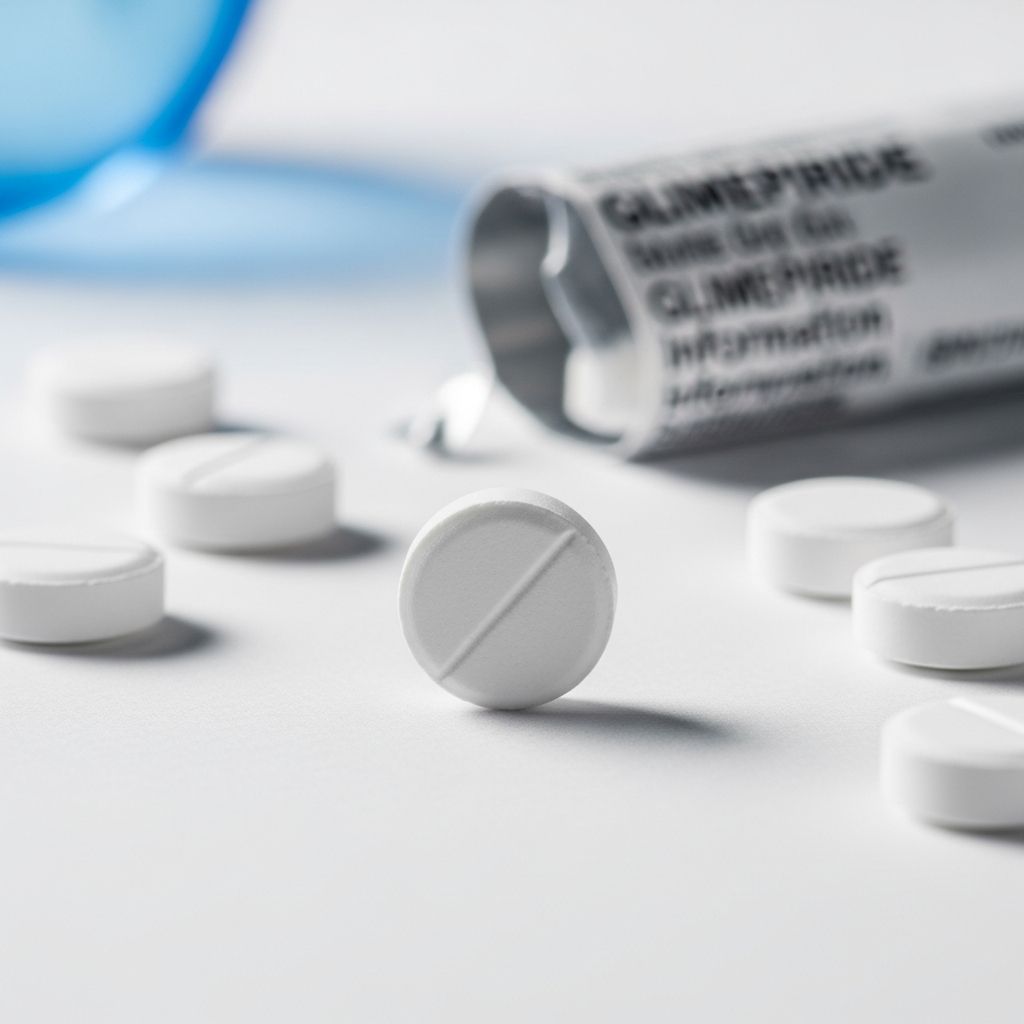
Glimepiride is a second-generation sulfonylurea medication used to treat high blood sugar levels caused by type 2 diabetes mellitus. It was approved by the Food and Drug Administration (FDA) in 1995 and is commonly marketed under the brand name Amaryl. This oral medication works by stimulating the pancreas to release more insulin, helping your body control blood glucose levels more effectively. Glimepiride is available as oral tablets and is typically administered once daily, making it a convenient treatment option for people with type 2 diabetes.
How Does Glimepiride Work?
Glimepiride operates through multiple mechanisms to reduce blood sugar levels. The primary action involves stimulating insulin secretion from pancreatic beta cells. When you have type 2 diabetes, your pancreas cannot produce enough insulin or your body cannot use it effectively. Glimepiride addresses this by prompting your pancreatic beta cells to release insulin granules into the bloodstream.
Beyond this primary mechanism, glimepiride also works through several extrapancreatic pathways. It improves the sensitivity of peripheral tissues to insulin, which enhances glucose uptake in cells throughout your body. This dual action—both increasing insulin supply and improving insulin sensitivity—makes glimepiride an effective agent for reducing both fasting blood glucose and post-meal blood glucose levels.
The medication reaches maximum glucose-lowering activity and insulin levels within 2–3 hours of taking it and can maintain its effects for up to 24 hours. This extended duration of action allows for once-daily dosing, improving medication adherence for many patients.
Indications and Uses
Glimepiride is indicated for managing type 2 diabetes in adults when diet, exercise, and weight loss alone do not adequately control blood sugar levels. It serves as a second-line treatment option for those who have not achieved sufficient glycemic control through lifestyle modifications alone.
The medication can be used in several ways:
- Monotherapy: As a single agent when dietary and lifestyle changes are insufficient
- Combination therapy with metformin: For patients whose blood sugar remains elevated despite metformin alone
- Combination therapy with insulin: Glimepiride is the only sulfonylurea currently approved by the FDA for use alongside insulin in patients with chronic type 2 diabetes
Dosage and Administration
Glimepiride is administered orally, typically as a once-daily dose. The effective dosage range is 1 to 8 mg per day. Your healthcare provider will determine the appropriate starting dose and adjust it based on your individual response and blood glucose levels.
In clinical trials, different doses produced varying results. A 14-week study showed that 1, 4, and 8 mg doses were associated with decreases in median fasting plasma glucose of 43, 70.5, and 74 mg/dL respectively. However, research indicates that the 4-mg dose provides nearly maximal antihyperglycemic effects, with no significant additional benefit observed between 4 and 8 mg doses. This means your doctor may prescribe a 4-mg dose as an optimal balance between effectiveness and minimizing potential side effects.
Related Stories



Important dosing considerations include:
- Once-daily dosing is equivalent to twice-daily dosing for glucose control throughout the day
- Doses should be used with caution in elderly patients and those with renal or hepatic disease
- When combining glimepiride with other antidiabetic agents, the minimum effective dose of each medication should be identified to reduce hypoglycemia risk
Effectiveness and Clinical Efficacy
Clinical studies have demonstrated that glimepiride is highly effective at controlling blood glucose levels. The medication significantly reduces three key markers of diabetes control: fasting plasma glucose (FPG), post-prandial glucose (PPG—glucose levels after meals), and glycosylated hemoglobin (HbA1c), which reflects average blood sugar over three months.
In a 3-day study of 14 type 2 diabetes patients, glimepiride at 2 mg per day produced greater reductions in blood glucose compared to placebo, along with increased levels of C-peptide and plasma insulin. These results demonstrate that glimepiride effectively stimulates insulin release from the pancreas.
When used as combination therapy, glimepiride shows enhanced effectiveness. A study involving 372 patients with poorly controlled type 2 diabetes showed that combining glimepiride with metformin was more effective for controlling blood glucose levels than using either medication alone. Additionally, combining glimepiride with insulin results in decreased insulin requirements while maintaining good glycemic control in patients who have not responded adequately to sulfonylureas alone.
Side Effects and Safety Considerations
Like all medications, glimepiride can cause side effects, though not everyone experiences them. Understanding potential adverse effects helps you identify problems early and work with your healthcare provider to manage them.
Common side effects may include:
- Hypoglycemia (low blood sugar)
- Weight gain
- Dizziness or lightheadedness
- Headache
- Nausea
Important safety advantages of glimepiride:
Glimepiride has several safety advantages compared to other sulfonylureas. Clinical studies show it is generally associated with a lower risk of hypoglycemia and less weight gain compared to other sulfonylureas in its class. Additionally, glimepiride appears to be safer in patients with cardiovascular disease because it lacks detrimental effects on ischemic preconditioning—a natural protective mechanism of the heart.
However, because glimepiride works by stimulating insulin release, there is always a potential risk of hypoglycemia, particularly when combined with other blood sugar-lowering medications. You should be aware of hypoglycemia symptoms, which include shakiness, sweating, rapid heartbeat, anxiety, and confusion. Always keep a source of fast-acting glucose available.
Important Precautions and Contraindications
Certain conditions and circumstances require special caution when using glimepiride:
- Renal disease: Dosing adjustments may be necessary for patients with kidney problems
- Hepatic disease: Liver dysfunction may affect how your body processes the medication
- Elderly patients: Older adults require careful monitoring and may need lower doses
- Fasting glucose requirement: When using glimepiride with insulin, fasting glucose should be greater than 150 mg/dL
Drug Interactions
Glimepiride can interact with other medications and supplements. One notable interaction involves niacin (Vitamin B3), which can raise blood sugar levels. If you need to take niacin while using glimepiride, your doctor may need to adjust your glimepiride dose.
When combining glimepiride with metformin, the risk of hypoglycemia increases, so identifying the minimum effective dose of each medication is important. Always inform your healthcare provider of all medications, supplements, and herbal products you are taking before starting glimepiride.
Combination Therapy Options
For many patients, glimepiride works best as part of a treatment plan that includes other medications and lifestyle changes:
| Combination | Indication | Benefit |
|---|---|---|
| Glimepiride + Metformin | Patients not adequately controlled by either drug alone | More effective glucose control; addresses multiple pathways of hyperglycemia |
| Glimepiride + Insulin | Chronic type 2 diabetes with fasting glucose >150 mg/dL | Decreased insulin requirements; improved glycemic control |
| Glimepiride monotherapy | Initial treatment when lifestyle modifications insufficient | Convenient once-daily dosing; cost-effective option |
Lifestyle and Diet Considerations
While glimepiride is an effective medication, it works best when combined with healthy lifestyle choices. The initial stages of type 2 diabetes treatment should always include following a healthy diet, maintaining a healthy weight, and engaging in regular physical activity. These lifestyle modifications can significantly improve insulin sensitivity and blood glucose control, potentially reducing your medication needs over time.
It’s important to note that glimepiride is not a substitute for these healthy behaviors but rather a complement to them. Your healthcare provider should provide guidance on nutrition and exercise as part of your comprehensive diabetes management plan.
Cost-Effectiveness
Glimepiride is considered a useful, cost-effective treatment option for managing type 2 diabetes mellitus. As an oral medication taken once daily, it offers a practical and affordable alternative to insulin therapy for many patients. The once-daily dosing also improves medication adherence, which is crucial for achieving good long-term blood glucose control and reducing complications of diabetes.
Cardiovascular Considerations
Recent research has identified additional benefits of glimepiride for patients with cardiovascular concerns. Studies suggest that glimepiride use is associated with reduced cardiovascular mortality in patients with type 2 diabetes and chronic heart failure. This cardiovascular benefit, combined with its lower hypoglycemia risk compared to other sulfonylureas, makes glimepiride a particularly suitable option for patients with coexisting heart disease.
Frequently Asked Questions
Q: How long does glimepiride take to work?
A: Glimepiride reaches maximum glucose-lowering activity within 2–3 hours of taking it and can maintain its effects for up to 24 hours. This is why once-daily dosing is effective for most patients.
Q: Can glimepiride be used alone for diabetes treatment?
A: Yes, glimepiride can be used as monotherapy (alone) for patients with type 2 diabetes whose blood sugar is not controlled by diet and exercise alone. However, many patients eventually require combination therapy with other medications.
Q: What should I do if I miss a dose of glimepiride?
A: If you miss a dose, take it as soon as you remember, unless it is almost time for your next dose. Do not double up on doses. Contact your healthcare provider or pharmacist if you frequently miss doses.
Q: Is glimepiride safe for elderly patients?
A: Glimepiride can be used in elderly patients, but should be used with caution. Older adults may require lower doses and closer monitoring to prevent hypoglycemia. Always discuss dosing with your healthcare provider.
Q: Can glimepiride cause weight gain?
A: Glimepiride is associated with less weight gain compared to other sulfonylureas, but weight gain remains a possible side effect. Maintaining a healthy diet and regular exercise can help minimize this risk.
Q: Is glimepiride the same as insulin?
A: No. Glimepiride stimulates your pancreas to produce more insulin, while insulin therapy involves injecting insulin directly. However, glimepiride can be used in combination with insulin for better blood sugar control.
Q: Are there any foods I should avoid while taking glimepiride?
A: While there are no specific foods that interact with glimepiride, maintaining a healthy diet low in refined sugars and high in fiber is important for diabetes management. Consult a dietitian for personalized dietary guidance.
Q: Can I drink alcohol while taking glimepiride?
A: Alcohol can affect blood sugar levels and increase the risk of hypoglycemia when combined with glimepiride. Discuss alcohol consumption with your healthcare provider before drinking.
References
- Glimepiride: evidence-based facts, trends, and observations — National Institutes of Health, National Center for Biotechnology Information. 2012. https://pmc.ncbi.nlm.nih.gov/articles/PMC3448454/
- Glimepiride — Uses, Interactions, Mechanism of Action — DrugBank. 2025. https://go.drugbank.com/drugs/DB00222
- Glimepiride — StatPearls, National Center for Biotechnology Information. 2024. https://www.ncbi.nlm.nih.gov/books/NBK554600/
- Glimepiride (oral route) — Side effects & dosage — Mayo Clinic. 2024. https://www.mayoclinic.org/drugs-supplements/glimepiride-oral-route/description/drg-20072155
- Glimepiride use is associated with reduced cardiovascular mortality in patients with type 2 diabetes and chronic heart failure — European Journal of Preventive Cardiology. 2022. https://academic.oup.com/eurjpc/article/30/6/474/6961537
- The Efficacy and Safety of Glimepiride in the Management of Type 2 Diabetes — Diabetes Care, American Diabetes Association. 2005. https://diabetesjournals.org/care/article/28/2/421/23991/
Similar Articles








Read full bio of medha deb