Glioblastoma: Symptoms, Diagnosis, and Treatment
Understanding glioblastoma: symptoms, diagnosis, and the latest treatment options for this aggressive brain tumor.
What Is Glioblastoma?
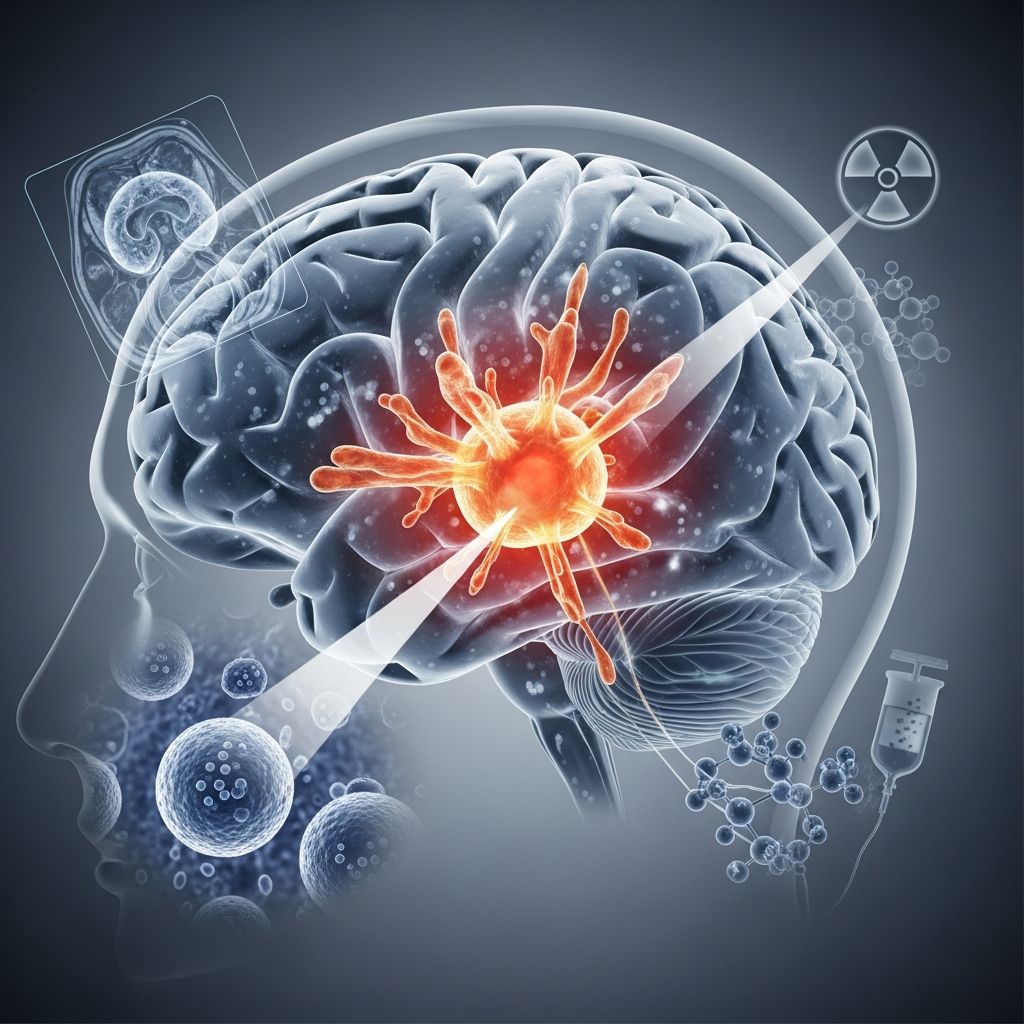
Glioblastoma (GBM) is a grade IV brain tumor, the most aggressive type of glioma. It originates in glial cells called astrocytes, which are found in the brain and spinal cord. Glioblastoma is known for its rapid growth and tendency to infiltrate surrounding brain tissue, making it difficult to treat. Despite advances in medical science, glioblastoma remains one of the most challenging brain tumors to manage.
Types of Brain Tumors
Brain tumors are classified based on the type of cells they originate from and their grade of aggressiveness. The main types include:
- Gliomas: Tumors that arise from glial cells, including astrocytomas, oligodendrogliomas, and glioblastomas.
- Glioblastoma: A grade IV glioma, the most aggressive form.
- Lymphomas: Tumors that originate from lymphocytes in the brain.
- Pituitary tumors: Tumors that develop in the pituitary gland.
- Other tumors: Including meningiomas, schwannomas, and metastatic tumors.
Grading System for Brain Tumors
Healthcare providers use a grading system from I to IV to indicate the behavior of brain tumors:
- Grade I: Slow-growing, least aggressive.
- Grade II: Slow-growing, but can become more aggressive over time.
- Grade III: Fast-growing, more aggressive.
- Grade IV: Rapidly growing, most aggressive. Glioblastoma is a grade IV tumor.
Symptoms of Glioblastoma
The symptoms of glioblastoma can vary depending on the location and size of the tumor. Common symptoms include:
- Headaches, often worse in the morning
- Seizures
- Nausea and vomiting
- Changes in vision, hearing, or speech
- Weakness or numbness in the arms or legs
- Difficulty with balance or coordination
- Personality or behavior changes
- Memory problems
- Confusion
Diagnosis of Glioblastoma
Diagnosing glioblastoma involves a combination of clinical evaluation and imaging tests:
- Neurological exam: A healthcare provider will assess your symptoms and perform a neurological exam to check for signs of brain dysfunction.
- Imaging tests: CT scans and MRI are used to visualize the tumor and determine its size and location.
- Biopsy: A small tissue sample is taken from the tumor, usually using a computer-guided (stereotactic) needle or surgery. The tissue is then analyzed to confirm the diagnosis and determine the tumor’s characteristics.
Treatment Options for Glioblastoma
Treatment for glioblastoma typically involves a multimodal approach, combining surgery, radiation therapy, and chemotherapy. The specific treatment plan is tailored to the individual patient based on the tumor’s characteristics and the patient’s overall health.
Surgery
The first step in treating glioblastoma is usually surgery to remove as much of the tumor as possible. This is often done through a craniotomy, where a piece of the skull is removed to access the brain. In some cases, minimally invasive techniques like laser ablation may be used, especially if the tumor is located deep within the brain.
Radiation Therapy
Related Stories



After surgery, radiation therapy is used to destroy any remaining cancer cells. Advanced imaging techniques ensure precise targeting of the tumor while sparing critical brain structures. A standard course of radiation therapy involves daily treatments over six weeks, often combined with oral chemotherapy to extend survival.
Chemotherapy
Chemotherapy is a key component of glioblastoma treatment. The most commonly used drug is temozolomide, which is particularly effective if the tumor has a methylated MGMT promoter. Other chemotherapy drugs may also be used, depending on the patient’s response and the tumor’s characteristics.
Targeted Therapy and Immunotherapy
Emerging treatments for glioblastoma include targeted therapy and immunotherapy. These approaches aim to attack specific molecular targets within the tumor or enhance the body’s immune response against cancer cells. Clinical trials are ongoing to evaluate the effectiveness of these therapies.
Minimally Invasive Treatments
For recurrent or hard-to-reach tumors, minimally invasive options like laser interstitial thermal therapy (LITT) and transarterial chemoembolization (TACE) may be considered. These techniques can help control tumor growth with fewer side effects.
Prognosis and Survival
The prognosis for glioblastoma is generally poor, with a median survival of about 12 to 18 months after diagnosis. However, advances in treatment and supportive care have improved outcomes for some patients. Factors that can influence prognosis include the extent of tumor removal, the patient’s age and overall health, and the tumor’s molecular characteristics.
Supportive Care and Palliative Care
Supportive care is an essential part of glioblastoma treatment. This includes managing symptoms, providing emotional support, and addressing the needs of both the patient and their family. Palliative care can help with pain management and other uncomfortable symptoms, improving quality of life.
Research and Clinical Trials
Ongoing research is focused on developing new treatments for glioblastoma. Clinical trials offer patients access to the latest therapies, including targeted drugs, immunotherapies, and novel surgical techniques. Participation in clinical trials can provide hope for improved outcomes and contribute to the advancement of medical knowledge.
Frequently Asked Questions (FAQs)
Q: What is the difference between a glioma and a glioblastoma?
A: Gliomas are a broad category of brain tumors that arise from glial cells. Glioblastoma is a specific type of glioma, classified as grade IV, and is the most aggressive form.
Q: Can glioblastoma be cured?
A: Currently, there is no cure for glioblastoma. Treatment aims to slow tumor growth, manage symptoms, and improve quality of life.
Q: What are the latest advances in glioblastoma treatment?
A: Recent advances include targeted therapies, immunotherapies, and minimally invasive surgical techniques. Clinical trials are exploring new drugs and treatment combinations.
Q: How is the MGMT methylation status determined?
A: The MGMT methylation status is determined through a biopsy of the tumor tissue. The tissue is analyzed using a quantitative MSP test to detect the methylation status of the MGMT promoter.
Q: What is the role of palliative care in glioblastoma treatment?
A: Palliative care focuses on managing symptoms, providing emotional support, and improving quality of life for patients with glioblastoma.
References
- Glioblastoma (GBM): What It Is, Symptoms & Prognosis — Cleveland Clinic. 2023. https://my.clevelandclinic.org/health/diseases/17032-glioblastoma
- Best Glioblastoma Cancer Treatment in the world – Booking Health — Booking Health. 2023. https://bookinghealth.com/blog/oncology/732466-treatment-for-glioblastoma-full-guide-new-and-standard-treatments.html
- MGMT Pyrosequencing Methylation Assay for Glioblastoma — Cleveland Clinic. 2021. https://clevelandcliniclabs.com/wp-content/uploads/2021/06/MGMT-Pyrosequencing-Methylation-Assay-for-Glioblastoma.pdf
Similar Articles








Read full bio of medha deb