Gliomas: Types, Symptoms, Diagnosis, and Treatment
Understanding gliomas: comprehensive guide to brain tumor types, symptoms, and treatment options.
What Are Gliomas?
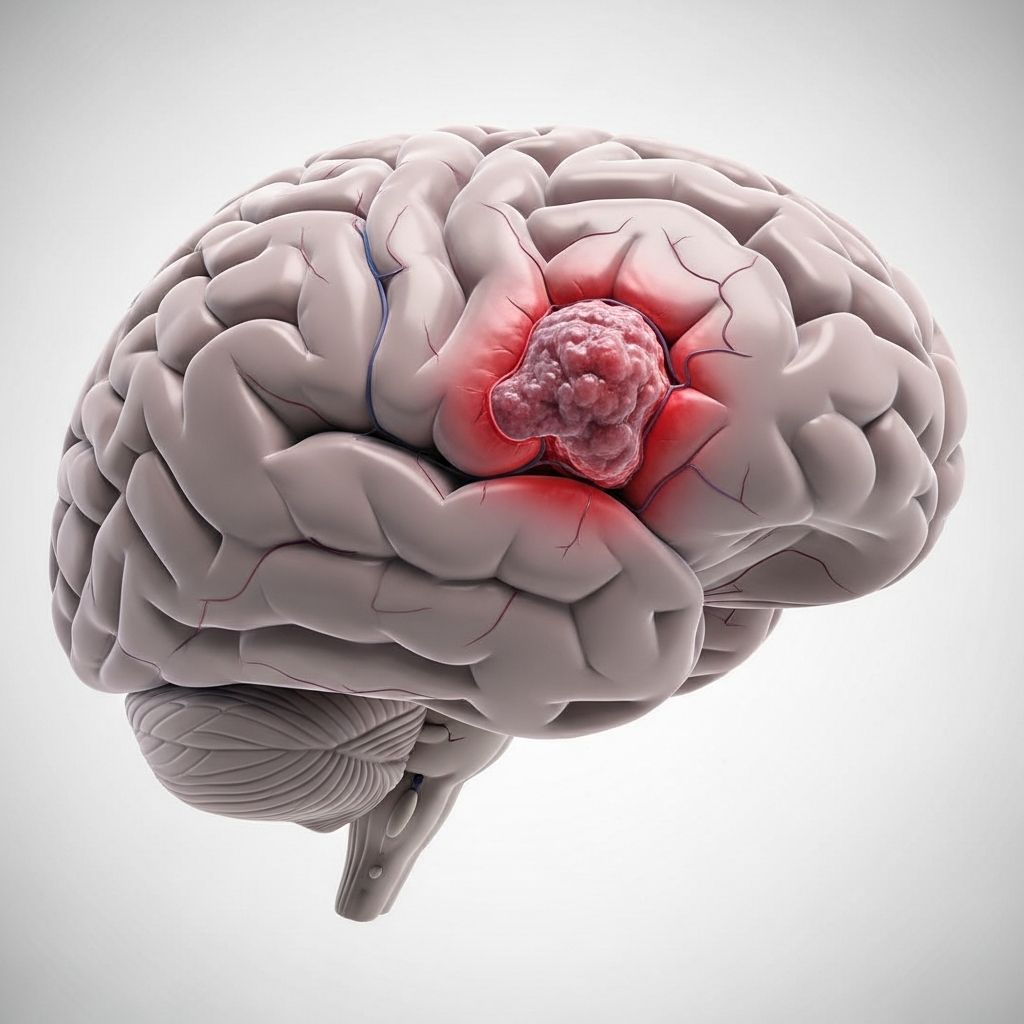
Gliomas represent the largest group of primary brain tumors, originating from glial cells that provide structural and metabolic support to neurons in the brain. These tumors develop from the supportive tissue within the brain parenchyma and can range from slow-growing, low-grade tumors to highly aggressive, high-grade malignancies. The term “glioma” encompasses several distinct tumor types, each with different characteristics, growth rates, and treatment requirements. Understanding the nature of gliomas is essential for patients and families seeking appropriate medical care and realistic prognostic information.
Types of Gliomas
Gliomas are classified into several distinct subtypes based on the cell of origin and biological characteristics:
Astrocytomas
Astrocytomas are tumors that arise from star-shaped glial cells called astrocytes. These tumors can be either low-grade (less aggressive) or high-grade (more aggressive), depending on their microscopic appearance and growth potential. Low-grade astrocytomas grow slowly and may not cause immediate symptoms, while high-grade astrocytomas proliferate rapidly and require prompt intervention. The grade of an astrocytoma directly influences treatment decisions and patient prognosis.
Oligodendrogliomas
Oligodendrogliomas originate from oligodendrocytes, cells that produce myelin in the brain. Like astrocytomas, these tumors are graded as low-grade or high-grade based on their biological aggressiveness and cellular characteristics. Oligodendrogliomas often have a somewhat better prognosis than comparable astrocytomas, though individual outcomes vary significantly.
Glioblastoma Multiforme
Glioblastoma multiforme (GBM) represents the most malignant form of glioma and is classified as a high-grade tumor. This aggressive tumor type exhibits a high proliferative rate, microvascular proliferation, and areas of necrosis visible under the microscope. GBM is particularly challenging due to its rapid growth rate, tendency to infiltrate surrounding brain tissue, and resistance to standard treatments. Despite advances in multimodal therapy, glioblastoma remains one of the most serious types of primary brain tumors.
Mixed Gliomas
Mixed gliomas contain components of both astrocytic and oligodendroglial tumors. These tumors require specialized pathological analysis to determine their exact composition and grade, which influences treatment recommendations and prognosis.
Grading of Gliomas
Gliomas are graded on a scale that describes their growth potential and biological behavior. Tumors are classified as Grade I (least aggressive) through Grade IV (most aggressive). The grade of a glioma is determined through pathological examination of tumor tissue and considers factors such as cell proliferation rate, presence of abnormal blood vessel formation, and areas of dead tissue. The grade directly dictates the treatment approach, with low-grade tumors sometimes requiring only observation while high-grade tumors necessitate aggressive multimodal therapy including surgery, radiation, and chemotherapy.
Symptoms of Gliomas
The symptoms of gliomas vary depending on tumor size, location, and rate of growth. Some gliomas grow slowly and may not cause symptoms for extended periods, while others develop rapidly and produce acute neurological deficits. Common symptoms include:
- Persistent headaches, often worse in the morning
- Seizures or convulsions
- Nausea and vomiting
- Vision problems or changes in visual acuity
- Balance difficulties and coordination problems
- Cognitive changes including memory loss or difficulty concentrating
- Speech difficulties or language disturbances
- Weakness or numbness in extremities
- Personality changes or mood alterations
- Progressive neurological decline
Symptoms may develop gradually over weeks or months, or they may appear suddenly depending on the tumor’s growth rate. Any persistent neurological symptoms warrant prompt medical evaluation by a qualified neurologist or neurosurgeon.
Related Stories



Diagnosis and Imaging
Accurate diagnosis of gliomas requires a combination of imaging studies and tissue analysis. The diagnostic process typically begins with magnetic resonance imaging (MRI), which provides detailed visualization of brain tumors and their relationship to surrounding neural structures.
Magnetic Resonance Imaging (MRI)
MRI is the gold standard imaging modality for evaluating suspected gliomas. This non-invasive technique provides superior soft tissue contrast and can detect tumors as small as a few millimeters. Advanced MRI protocols, including perfusion imaging and spectroscopy, can provide additional information about tumor biology and vascularity. MRI also helps neurosurgeons plan surgical approaches by visualizing the tumor’s location relative to critical brain structures.
Computed Tomography (CT)
CT scans may be used to complement MRI studies, particularly to evaluate bone involvement and to provide rapid imaging in emergency situations. However, CT is less sensitive than MRI for detecting gliomas.
Biopsy and Pathological Diagnosis
Definitive diagnosis of gliomas requires pathological examination of tumor tissue. This tissue is obtained through stereotactic needle biopsy or during surgical resection. A neuropathologist examines the tissue under a microscope to identify the tumor type and determine its grade based on established diagnostic criteria. Immunohistochemical staining and molecular testing may provide additional prognostic and therapeutic information.
Advanced Imaging Techniques
Diffusion tensor tractography (DTT) allows visualization of white matter tracts adjacent to the tumor, helping surgeons plan safer surgical approaches and avoid damage to eloquent brain regions. Intraoperative MRI and ultrasound provide real-time imaging guidance during surgery, enabling more precise tumor resection while minimizing injury to healthy brain tissue.
Risk Factors
While most gliomas develop sporadically without identifiable risk factors, several conditions increase susceptibility to these tumors. Prior exposure to ionizing radiation, particularly childhood radiation therapy to the head or brain, significantly increases glioma risk. Certain genetic syndromes, including neurofibromatosis type 1 and type 2, increase the incidence of gliomas. Family history of gliomas or other brain tumors may indicate inherited genetic predispositions in some cases. Immunosuppression from any cause appears to increase glioma risk, suggesting a potential role for immune surveillance in preventing tumor development.
Treatment Options
Treatment of gliomas requires individualized, multimodal approaches based on tumor type, grade, location, and patient factors such as age and performance status. The treatment strategy typically combines surgery, radiation therapy, and chemotherapy.
Surgical Resection
Surgical resection represents the primary treatment for most gliomas. The goal of surgery is to remove as much tumor as safely possible while preserving neurological function. For thalamic gliomas and other deep-seated tumors historically considered inoperable, technological advances including improved imaging, diffusion tensor tractography, intraoperative MRI, and minimally invasive surgical techniques now allow safer resection. Surgical approaches range from conventional open craniotomy to minimally invasive endoscopic techniques. Intraoperative neuromonitoring helps surgeons identify and preserve critical motor and sensory pathways during tumor removal.
Radiation Therapy
External beam radiation therapy is a standard component of treatment for high-grade gliomas. Radiation is typically administered in daily fractions over several weeks. Modern radiation techniques, including intensity-modulated radiation therapy (IMRT) and proton therapy, allow precise delivery of radiation to the tumor while minimizing exposure to surrounding healthy brain tissue. For select patients with limited metastatic disease to the brain, focused stereotactic radiosurgery may be appropriate.
Chemotherapy
Systemic chemotherapy and local chemotherapy approaches are utilized in glioma treatment. Temozolomide, an oral chemotherapy agent, is standard treatment for high-grade gliomas and is typically given concurrently with radiation therapy and continued as adjuvant therapy. Interstitial chemotherapy, in which chemotherapy agents are delivered directly to the tumor site, represents an innovative approach that avoids systemic toxicities associated with conventional chemotherapy. Gliadel wafers, which release carmustine (BCNU) directly into the surgical cavity, have demonstrated survival benefits in patients with newly diagnosed and recurrent malignant gliomas. In multi-institutional clinical trials, patients treated with Gliadel wafers showed improved median survival compared to placebo, with median survival improving from 40 weeks in the placebo group to 58 weeks in the treatment group for newly diagnosed glioblastoma.
Treatment Selection by Tumor Grade
Treatment decisions vary significantly based on tumor grade and other clinical factors. Low-grade gliomas may be managed with observation alone if they are not causing significant symptoms and are growing slowly. High-grade gliomas typically require aggressive multimodal therapy including surgery, radiation, and chemotherapy. The specific treatment plan should be individualized based on tumor characteristics, location, patient age, and overall medical condition.
Prognosis and Follow-up
Prognosis for gliomas depends on multiple factors including tumor grade, extent of surgical resection, patient age, and performance status. High-grade gliomas, particularly glioblastoma, remain challenging with median overall survival of 12-15 months with modern multimodal therapy, though some patients achieve longer survival with aggressive treatment and favorable prognostic factors. Low-grade gliomas have substantially better prognosis, with some patients surviving many years or decades. Regular follow-up with MRI imaging and clinical assessment is essential to monitor for tumor recurrence or progression.
Living With Glioma
Patients with gliomas often experience physical, cognitive, and emotional challenges during and after treatment. Rehabilitation services, including physical therapy, occupational therapy, and speech therapy, help patients maximize functional recovery. Seizure management is critical for patients experiencing seizures, requiring appropriate antiepileptic medication and monitoring. Cognitive rehabilitation may address memory problems, attention deficits, or executive dysfunction resulting from tumor or treatment effects. Psychological support and counseling help patients and families cope with the emotional impact of a brain tumor diagnosis.
Frequently Asked Questions
Q: What is the difference between primary and secondary brain tumors?
A: Primary brain tumors originate in the brain, while secondary brain tumors result from cancer that has spread to the brain from elsewhere in the body. Gliomas are primary brain tumors. Treatment differs significantly between these two categories.
Q: Are all gliomas cancerous?
A: Not all gliomas are cancerous in the traditional sense. Low-grade gliomas grow slowly and may never progress to higher grades in some patients. However, all gliomas have malignant potential and require medical monitoring and treatment.
Q: What symptoms warrant urgent medical evaluation?
A: Patients experiencing sudden onset severe headaches, seizures, significant weakness, speech difficulties, or acute vision changes should seek immediate medical attention. These may indicate a brain tumor or other serious neurological condition requiring urgent diagnosis.
Q: How long does treatment for a high-grade glioma typically last?
A: Standard treatment for high-grade gliomas typically includes surgery followed by six weeks of concurrent radiation therapy and chemotherapy, then continuing chemotherapy for several months. The exact duration depends on individual patient factors and treatment tolerance.
Q: Can gliomas be cured?
A: Some low-grade gliomas may be cured with appropriate treatment, particularly if completely resected. High-grade gliomas are more difficult to cure but can be managed with multimodal therapy, and some patients achieve long-term survival. Treatment goals include extending survival and maintaining quality of life.
Q: How often are follow-up appointments and imaging needed after treatment?
A: Follow-up protocols vary based on tumor grade and treatment response. Patients typically require regular clinical visits and MRI imaging every few months initially, with intervals potentially lengthening if there is no evidence of recurrence. Your treatment team will establish an appropriate surveillance schedule.
References
- Interstitial chemotherapy for malignant gliomas: the Johns Hopkins experience — National Center for Biotechnology Information (NCBI). 2014. https://pmc.ncbi.nlm.nih.gov/articles/PMC4086528/
- Thalamic gliomas: Advances in the surgical management — Johns Hopkins University. 2019. https://pure.johnshopkins.edu/en/publications/thalamic-gliomas-advances-in-the-surgical-management/
- Types of Brain Tumors — Johns Hopkins Pathology. 2025. https://pathology.jhu.edu/brain-tumor/types
- Brain tumor grading systems and their prognostic significance — World Health Organization (WHO). 2021. https://www.who.int/standards/classifications/other-classifications/international-classification-of-diseases-for-oncology
- Glioblastoma treatment and prognosis — National Institute of Neurological Disorders and Stroke (NINDS). 2024. https://www.ninds.nih.gov/
Similar Articles








Read full bio of medha deb