Glipizide Guide: Essential Dosing, Benefits, And Safety
Comprehensive overview of glipizide for type 2 diabetes control, including uses, dosing, risks, and lifestyle integration.
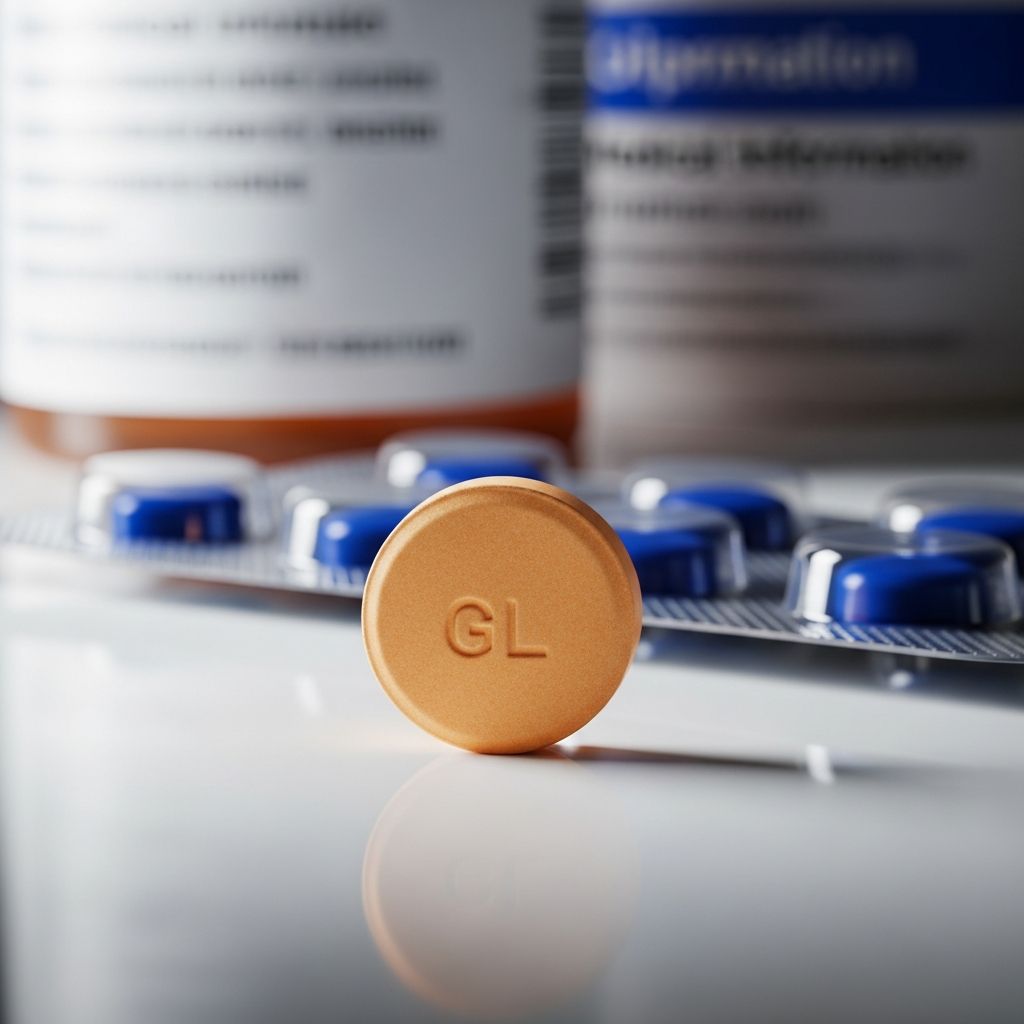
Glipizide serves as a cornerstone treatment for adults with type 2 diabetes, working alongside dietary changes and physical activity to regulate blood glucose levels. As a second-generation sulfonylurea, it prompts the pancreas to secrete more insulin, addressing insulin resistance common in this condition.
Understanding Glipizide’s Role in Diabetes Care
Type 2 diabetes affects millions, characterized by the body’s inability to use insulin properly, leading to elevated blood sugar. Glipizide targets this by enhancing insulin production from pancreatic beta cells, making it a reliable option when lifestyle measures alone fall short. Unlike insulin injections, it’s taken orally, improving patient adherence. Approved by the FDA, it’s often paired with metformin for better outcomes in those not achieving targets through diet and exercise.
Health organizations like the American Diabetes Association recommend sulfonylureas such as glipizide for cost-effective control, especially where affordability is a concern, though monitoring for risks is essential.
How Glipizide Works in the Body
Glipizide binds to receptors on pancreatic beta cells, closing potassium channels and triggering insulin release. This action lowers blood glucose within 30 minutes, peaking over 12-24 hours. Beyond the pancreas, it boosts insulin sensitivity in muscles, fat, and liver tissues, reduces liver glucose output, and curbs fat breakdown, contributing to sustained control.
Studies show chronic use enhances post-meal insulin responses without raising fasting levels long-term, though it relies on functioning beta cells, limiting its use in type 1 diabetes.
Available Forms and Standard Dosing Protocols
Glipizide comes in immediate-release tablets (5 mg, 10 mg) and extended-release versions (5 mg, 10 mg, 20 mg), branded as Glucotrol or in combos like Metaglip with metformin.
- Immediate-release: Start at 5 mg once daily, 30 minutes before breakfast. Max 40 mg/day, split if over 15 mg.
- Extended-release: Begin 5 mg once daily with breakfast. Max 20 mg/day.
Dosage adjustments depend on blood sugar monitoring and HbA1c every 3-6 months. Elderly or those with kidney/liver issues start lower to avoid lows.
| Patient Group | Starting Dose | Max Daily Dose | Timing |
|---|---|---|---|
| Adults | 5 mg IR or ER | 40 mg IR / 20 mg ER | Before meals |
| Elderly / Renal Impairment | 2.5-5 mg | Lower end | Monitor closely |
| With Metformin | 5 mg | Adjust per response | Morning dose |
Key Benefits for Glycemic Management
Glipizide offers rapid onset among sulfonylureas, minimizing prolonged hypoglycemia risk due to its short half-life. It effectively lowers HbA1c, supports weight management when combined with diet, and is economical. Patients often see improved postprandial glucose, vital for preventing complications like neuropathy or cardiovascular issues.
Potential Side Effects and Safety Concerns
Common issues include hypoglycemia (shakiness, sweating, confusion), especially if meals are skipped. Take with food to mitigate. Other effects: nausea, diarrhea, dizziness, which may ease over time.
Serious risks involve weight gain from increased insulin and rare allergic reactions. Long-term, monitor for cardiovascular effects, though evidence varies. Hypoglycemia demands quick carbs like juice; severe cases need glucagon or medical help.
- Mild: Headache, bloating, appetite changes.
- Serious: Jaundice, severe abdominal pain, low blood counts—seek immediate care.
Drug Interactions to Watch For
Glipizide interacts with beta-blockers (mask hypo symptoms), NSAIDs, alcohol (heightens lows), and CYP2C9 inhibitors like fluconazole. Avoid with miconazole or bosentan. Insulin or other antidiabetics amplify effects; dose reductions may be needed.
Related Stories



Herbals like ginseng or garlic can alter glucose; inform providers of all supplements.
Special Considerations Across Patient Groups
Pregnancy and Breastfeeding
Not recommended in pregnancy due to fetal risks; switch to insulin. Limited data on breastfeeding—monitor infant glucose.
Elderly Patients
Higher hypo risk; use lowest dose, prefer extended-release for steady levels.
Kidney or Liver Impairment
Adjust doses; extended-release may accumulate in severe cases. Regular monitoring essential.
Integrating Glipizide with Lifestyle Strategies
Pair with balanced carbs, fiber-rich meals, and 150 minutes weekly exercise. Regular glucose checks (fasting, post-meal) guide adjustments. HbA1c targets under 7% for most.
Avoid alcohol excess and maintain consistent eating schedules to prevent swings.
Monitoring Progress and When to Adjust
Track daily sugars; log symptoms. Providers review HbA1c quarterly. If targets unmet, add agents like SGLT2 inhibitors or consider insulin.
Short-term use aids transient spikes; long-term needs ongoing evaluation.
Frequently Asked Questions (FAQs)
What if I miss a glipizide dose?
Take as soon as remembered unless near next meal. Skip if close—don’t double.
Can glipizide cause low blood sugar?
Yes, primary risk. Eat regular meals; carry glucose tabs.
Is glipizide safe for long-term use?
Yes, with monitoring; doesn’t lose efficacy like some agents.
How does glipizide differ from metformin?
Glipizide boosts insulin; metformin reduces liver glucose. Often combined.
Can I drink alcohol on glipizide?
Moderation; excess raises hypo risk.
Stopping Glipizide: Guidelines and Transitions
Taper under supervision to avoid rebound highs. Switch if better options arise, like GLP-1 agonists for weight loss.
References
- Glipizide: Uses, Interactions, Mechanism of Action — DrugBank. 2024. https://go.drugbank.com/drugs/DB01067
- Glipizide – StatPearls — NCBI Bookshelf, NIH. 2023-11-27. https://www.ncbi.nlm.nih.gov/books/NBK459177/
- Glipizide (Glucotrol): Uses, Side Effects, Dosage & More — GoodRx. 2024. https://www.goodrx.com/glipizide/what-is
- Glipizide (Glucotrol): Uses & Interactions — Cleveland Clinic. 2024. https://my.clevelandclinic.org/health/drugs/18006-glipizide-tablets
- Glipizide: MedlinePlus Drug Information — MedlinePlus, NIH. 2024. https://medlineplus.gov/druginfo/meds/a684060.html
- Glucotrol (Glipizide) Tablets Label — FDA. 2008-07-31. https://www.accessdata.fda.gov/drugsatfda_docs/label/2008/017783s019lbl.pdf
Similar Articles








Read full bio of Sneha Tete