Globus Sensation: Causes, Symptoms, and Treatment
Understanding the persistent throat lump sensation and effective management strategies.
What Is Globus Sensation?
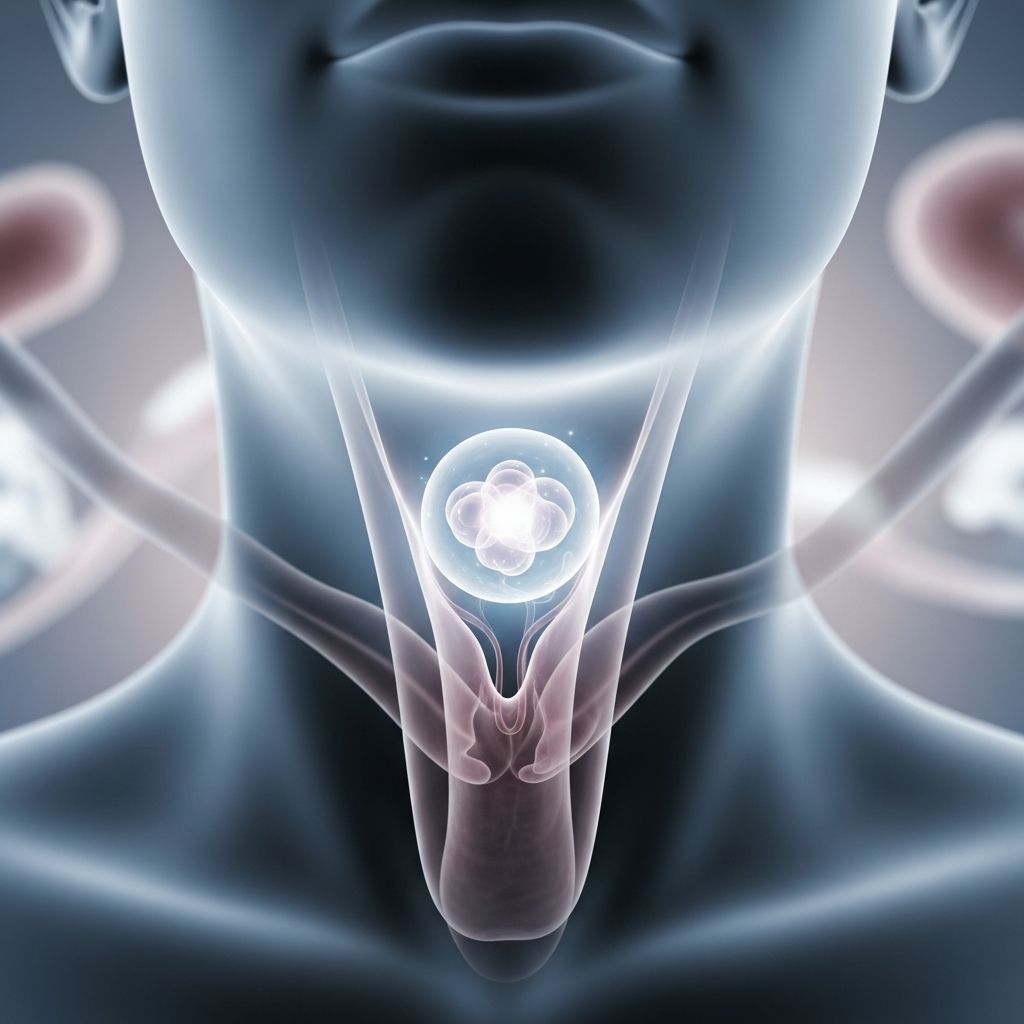
Globus sensation, also known as globus pharyngeus, is the persistent feeling of having a lump or ball in your throat when nothing is actually there. This sensation can be uncomfortable and bothersome, yet it does not interfere with your ability to swallow food or liquids. Unlike other throat conditions that may cause difficulty swallowing or pain during swallowing, globus sensation is characterized solely by the subjective feeling of fullness without any physical obstruction.
The condition is surprisingly common, affecting approximately 46% of people at some point during their lifetime. This widespread prevalence underscores the importance of understanding globus sensation and recognizing that it is a legitimate medical concern rather than an imaginary symptom.
Causes of Globus Sensation
While the exact cause of globus sensation remains uncertain, research has identified several contributing factors that may trigger or exacerbate this condition.
Psychological Factors
Anxiety and stress are thought to play a key role in the development and persistence of globus sensation. Psychological tension can lead to muscle tightness in the throat and neck region, creating or intensifying the sensation of a lump. During periods of heightened stress or anxiety, many individuals report a worsening of their globus symptoms, suggesting a strong mind-body connection in this condition.
Gastroesophageal Reflux Disease (GERD)
GERD, commonly known as acid reflux, is another significant factor associated with globus sensation. When stomach acid repeatedly backs up into the esophagus, it can irritate the throat tissues and contribute to the sensation of a lump in the throat. Individuals with chronic acid reflux often experience globus sensation as one of several symptoms.
Muscle Tension and Posture
Poor posture and muscle tension in the neck, shoulders, and throat area can contribute to globus sensation. Chronic muscle tightness restricts normal throat function and creates a sensation of fullness or obstruction.
Symptoms of Globus Sensation
The primary symptom of globus sensation is the persistent feeling of a lump or ball in the throat. However, people with this condition may experience additional related symptoms:
– Sensation of fullness in the throat or upper chest- Feeling of tightness in the throat- Mild discomfort or soreness in the throat area- Sensation that worsens with stress or anxiety- Symptoms that may be more noticeable when not eating or drinking
It is crucial to understand that globus sensation does not typically cause difficulty swallowing, pain during swallowing, or inability to eat normally. If you experience these more severe symptoms, you may have a different condition and should consult a healthcare provider.
Diagnosis of Globus Sensation
Diagnosing globus sensation typically involves a clinical evaluation by a healthcare provider. Your doctor will take a detailed history of your symptoms and may perform a physical examination of your throat and neck. In some cases, additional testing may be recommended to rule out other conditions:
– Physical examination of the throat and neck- Discussion of symptom patterns and triggers- Assessment of anxiety or stress levels- Evaluation for signs of GERD- Possible endoscopy if other conditions need to be ruled out
Related Stories



If your symptoms persist for more than a couple of weeks or are accompanied by difficulty swallowing, pain when swallowing, or other concerning signs, seeking professional evaluation is important.
Treatment Options for Globus Sensation
Treatment for globus sensation focuses on identifying and addressing the underlying causes. Since there are no specific medications designed exclusively for globus sensation, management strategies are tailored to target the root factors contributing to your symptoms.
Addressing Anxiety and Stress
Because psychological factors play a significant role, stress reduction techniques can be highly effective. These may include:
– Cognitive behavioral therapy (CBT)- Relaxation techniques and mindfulness meditation- Regular physical activity and exercise- Adequate sleep and rest- Counseling or psychological support
Managing GERD
If GERD is a contributing factor, your healthcare provider may recommend treatment options. Current medical guidelines suggest that patients with typical GERD symptoms should first try proton pump inhibitor (PPI) therapy. An 8-week course is typically needed to assess effectiveness. If symptoms persist after this period, further evaluation with endoscopy may be recommended.
Lifestyle Modifications
Several simple lifestyle changes can help alleviate globus sensation:
– Maintain proper hydration by drinking plenty of water throughout the day- Avoid excessive consumption of alcohol, tea, and coffee- Improve posture to reduce neck and shoulder tension- Practice relaxation techniques- Manage stress through regular exercise- Avoid trigger foods if GERD is present
Physical Exercises and Stretches
Specific exercises targeting the throat, neck, and shoulder areas can help relieve tension and improve symptoms. These therapeutic exercises should be performed slowly and methodically to avoid injury.
Recommended Exercises for Globus Sensation
The following exercises are designed to relax and relieve tension in your throat, neck, and jaw area. Perform these movements slowly and concentrate on proper form with each repetition.
Posture Correction Exercise
This fundamental exercise relieves pressure in the shoulders, neck, and throat and can be performed sitting or standing.
Steps:
– Start from a standing position and imagine pulling a string up the middle of your body, extending out through the top of your head to gently align your neck, shoulders, and back- Sit down in a comfortable position while maintaining the same alignment- Let your left ear drop toward your left shoulder and gently roll your chin down to your chest- Return to center position and let your right ear rest against your right shoulder, again gently rolling your head forward until your chin touches your chest- Repeat this exercise several times daily, especially when you feel neck tension
Shoulder Stretch Exercise
This exercise should be performed immediately after posture correction for optimal results in relieving shoulder muscle tension.
Steps:
– Flex your shoulders, raising them up toward your ears; hold for 5 to 10 seconds, then relax; repeat 5 times- Extend your arms outward, stretching until you feel mild shoulder tension; relax and repeat 3 times- Flex your shoulders forward and hold for 5 to 10 seconds, then flex backward for the same duration- Repeat this complete sequence 5 times daily
Chewing Exercise
This engaging and effective exercise relieves pressure in and around the jaw area.
Steps:
– Imagine having a piece of hard candy in your mouth- Work your tongue, lips, and jaw precisely as you would with actual candy, sliding it forward and back, and left and right- Exaggerate these movements, working the mouth muscles in large, circular motions- Perform this exercise at least once daily
Yawning Exercise
This simple exercise can be practiced almost anywhere and is designed to relax the jaw and throat.
Steps:
– Sit in a comfortable position with your neck and shoulders properly aligned- Open your mouth wide while breathing in, mimicking a natural yawn; you should feel gentle tension in your jaw and throat- Exhale slowly and quietly- Repeat as often as needed to promote relaxation
Breathing Exercise
This low-intensity exercise focuses on relaxing your abdominal and core muscles.
Steps:
– Sit comfortably in a chair and rest your hands on your stomach- Inhale slowly, observing your stomach and hands expand outward- Hold briefly at the end of your inhalation- Allow your lungs to naturally exhale as your stomach and hands retract- Repeat this exercise as often as feels comfortable
Safety Considerations When Performing Exercises
When practicing exercises for globus sensation, particularly those involving the neck, it is essential to follow these safety guidelines:
– Perform all movements slowly and methodically- Avoid sudden, snap movements of any kind- Work within a range where you feel light tension but no pain- If you experience pain after performing an exercise, stop immediately and take a break- If pain persists, consult your healthcare provider before continuing- Do not push through discomfort; gentle, gradual movements are most effective
When to Seek Medical Attention
While globus sensation itself is generally not a serious condition, you should consult a healthcare provider if:
– Symptoms persist for more than two weeks- You develop difficulty swallowing or pain when swallowing- You experience weight loss- You have persistent hoarseness or voice changes- Your symptoms significantly interfere with your daily life- You develop new or worsening symptoms
Frequently Asked Questions
Q: Is globus sensation a sign of a serious condition?
A: Globus sensation itself is not typically indicative of a serious condition. However, it can be associated with underlying issues like GERD or anxiety. If your symptoms persist or are accompanied by other concerning signs, consult your healthcare provider to rule out other conditions.
Q: How long does globus sensation typically last?
A: The duration varies from person to person. Some individuals experience temporary symptoms related to stress or anxiety, while others may have chronic globus sensation. With appropriate treatment addressing underlying causes, many people find symptom relief.
Q: Can anxiety alone cause globus sensation?
A: Yes, anxiety and stress are significant contributing factors to globus sensation. Psychological tension can cause muscle tightness in the throat, creating or intensifying the sensation of a lump.
Q: How is globus sensation different from dysphagia?
A: Globus sensation is the feeling of a lump without actual swallowing difficulty, while dysphagia is actual difficulty swallowing. These are distinct conditions, though some people may experience both.
Q: Are there medications specifically for globus sensation?
A: There are no medications designed specifically for globus sensation. Treatment focuses on addressing underlying causes such as GERD or anxiety through appropriate management strategies.
Q: Can I manage globus sensation at home?
A: Yes, many management strategies can be implemented at home, including stress reduction, posture correction, specific exercises, staying hydrated, and dietary modifications. However, professional evaluation is recommended if symptoms persist.
Conclusion
Globus sensation is a common condition characterized by the persistent feeling of a lump in the throat without any physical obstruction. While the exact cause remains uncertain, anxiety, stress, and GERD are recognized contributing factors. Through a combination of stress management, lifestyle modifications, targeted exercises, and treatment of underlying conditions like GERD, most individuals can effectively manage their symptoms. If you experience globus sensation, remember that your symptoms are legitimate and valid. Working with your healthcare provider to identify underlying causes and develop a personalized treatment plan can lead to significant symptom improvement and enhanced quality of life.
References
- Best Exercises for Globus Sensation — WebMD. Accessed December 1, 2025. https://www.webmd.com/a-to-z-guides/best-exercises-globus-sensation
- Odynophagia (Painful Swallowing) — Cleveland Clinic. Accessed December 1, 2025. https://my.clevelandclinic.org/health/symptoms/odynophagia-painful-swallowing
- GERD: A practical approach — Cleveland Clinic Journal of Medicine. 2020. https://www.ccjm.org/content/87/4/223
- Managing Chronic Acid Reflux (or GERD) — Cleveland Clinic. Accessed December 1, 2025. https://my.clevelandclinic.org/podcasts/butts-and-guts/managing-chronic-acid-reflux-or-gerd
- Feel Like Something’s Stuck in Your Throat? This Could Be Why — Cleveland Clinic Health. Accessed December 1, 2025. https://health.clevelandclinic.org/feel-like-food-is-stuck-in-your-throat-what-to-do-and-how-to-find-relief
- Feeling of Something in Your Throat? Here Are the Causes — Prodia Digital. Accessed December 1, 2025. https://prodiadigital.com/en/articles/feeling-something-in-your-throat
Similar Articles








Read full bio of medha deb