Glomerulonephritis: Causes, Symptoms & Treatment
Understanding kidney inflammation: comprehensive guide to glomerulonephritis diagnosis and management.
Understanding Glomerulonephritis
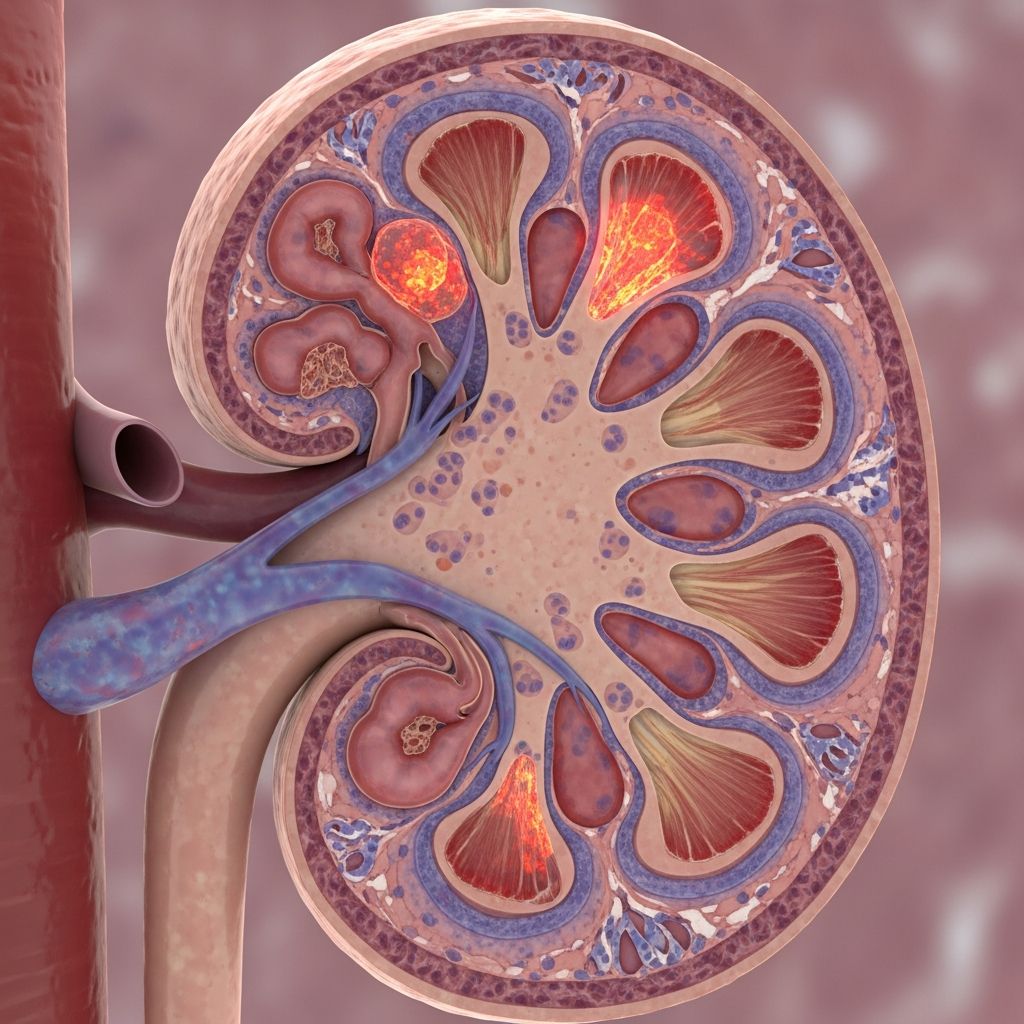
Glomerulonephritis is an inflammatory condition affecting the kidneys’ ability to filter waste and excess fluid from the bloodstream. This condition occurs when the glomeruli—tiny blood vessels in the kidneys responsible for filtering blood—become inflamed and scarred. If left untreated, glomerulonephritis can progress to chronic kidney disease and eventually lead to end-stage renal disease (ESRD), requiring dialysis or kidney transplantation. Understanding this condition is essential for early detection and appropriate management to prevent irreversible kidney damage.
The kidneys play a vital role in maintaining overall health by removing waste products and regulating fluid balance, electrolytes, and blood pressure. When the glomeruli become compromised due to inflammation, these critical functions are disrupted, potentially leading to serious health complications. This guide provides comprehensive information about glomerulonephritis, including its causes, symptoms, diagnosis, and treatment options.
Types of Glomerulonephritis
Glomerulonephritis is classified into two primary categories based on onset and progression:
Acute Glomerulonephritis
Acute glomerulonephritis develops suddenly and may follow an infection, particularly streptococcal infection. In many cases, acute glomerulonephritis, especially that following a streptococcal bacterial infection, improves on its own without treatment. However, some individuals may experience severe symptoms requiring medical intervention. Prompt recognition of acute symptoms is important to prevent progression to chronic disease.
Chronic Glomerulonephritis
Chronic glomerulonephritis develops gradually over months or years, resulting from persistent inflammation of the kidney filters. The chronic types can be caused by the same diseases that trigger acute forms, and sometimes chronic glomerulonephritis is caused by Alport syndrome, an inherited genetic disease that damages the kidneys. In some cases, chronic glomerulonephritis results from conditions that were never identified or treated properly.
Causes of Glomerulonephritis
Glomerulonephritis can result from various underlying causes, which are broadly categorized into infectious, autoimmune, and drug-related factors:
Infectious Causes
Infections are among the most common triggers of glomerulonephritis. Streptococcal bacterial infections, particularly those causing strep throat, frequently precede the development of post-streptococcal glomerulonephritis. Additionally, viral infections such as hepatitis B and hepatitis C can cause inflammation of the glomeruli and other kidney tissues. HIV infection, the virus causing AIDS, can also lead to glomerulonephritis and progressive kidney damage, even before AIDS onset. Bacterial endocarditis, an infection of the heart’s inner lining, has been associated with kidney inflammation, though the precise mechanism involving immune system activity remains unclear.
Autoimmune and Systemic Diseases
Various autoimmune conditions trigger glomerulonephritis through abnormal immune responses. Lupus (systemic lupus erythematosus) and Henoch-Schönlein purpura represent immunological problems that can cause acute glomerulonephritis. IgA nephropathy, characterized by IgA immune complex deposition in the glomeruli, is another immunological cause. These conditions activate common inflammatory pathways, including the complement system and coagulation cascade, leading to pro-inflammatory cytokine generation and glomerular cell proliferation.
Metabolic and Chronic Diseases
Long-term, poorly managed high blood pressure can cause scarring and inflammation of the glomeruli. Diabetic kidney disease (diabetic nephropathy), resulting from high blood sugar levels, contributes to glomerular scarring and increases blood flow rates through the nephrons. These conditions create sustained inflammatory environments that progressively damage kidney filtration structures.
Related Stories



Medication-Related Causes
Certain drugs can cause glomerulonephritis, including analgesic nephropathy caused by heavy and prolonged use of pain relievers (analgesics), particularly nonsteroidal anti-inflammatory drugs (NSAIDs) like ibuprofen and naproxen. Understanding medication history is essential during diagnostic evaluation.
Symptoms and Clinical Presentation
The symptoms of glomerulonephritis vary depending on disease severity and progression stage. Some individuals experience no symptoms and only discover the condition through incidental blood or urine testing. However, when symptoms do occur, they may include:
Urinary Changes
Pink or cola-colored urine from red blood cells in the urine (hematuria) represents one of the most distinctive signs of glomerulonephritis. Foamy or bubbly urine due to excess protein in the urine (proteinuria) indicates significant glomerular damage. Urinating less frequently than usual suggests reduced kidney filtration capacity.
Systemic Symptoms
Patients frequently experience fatigue, nausea, and vomiting as their kidneys struggle to remove waste products effectively. Muscle cramps occur due to electrolyte imbalances resulting from impaired kidney function. Recent fever, sore throat, and arthralgias (joint pain) may precede glomerulonephritis onset, particularly in post-infectious cases.
Fluid Retention Signs
Fluid retention (edema) manifests as swelling evident in the face, hands, feet, and abdomen. High blood pressure (hypertension) develops when damaged glomeruli cannot effectively regulate fluid volume and blood pressure. Loss of appetite and pruritus (itching) result from uremic toxin accumulation. Dyspnea (shortness of breath) may occur due to pulmonary edema from fluid overload.
Diagnosis of Glomerulonephritis
Accurate diagnosis requires a comprehensive evaluation combining clinical assessment, laboratory studies, and imaging:
Laboratory Testing
Urinalysis represents the initial diagnostic tool, revealing hematuria, proteinuria, and urinary casts. Serum creatinine and blood urea nitrogen (BUN) measurements assess kidney function by evaluating glomerular filtration rate (GFR). Complement levels (C3 and C4), antinuclear antibodies (ANA), and anti-GBM (anti-glomerular basement membrane) antibodies help identify specific disease types. Blood cultures may be necessary if bacterial endocarditis is suspected.
Imaging Studies
Renal ultrasound provides structural information about kidney size and echogenicity. Chest X-rays may reveal pulmonary edema or other complications of fluid retention.
Kidney Biopsy
Kidney biopsy remains the gold standard for definitive diagnosis, allowing pathological classification of the glomerulonephritis type. Histological diagnosis guides specific treatment decisions based on disease severity and progression patterns.
Treatment Approaches
Treatment of glomerulonephritis depends on whether you have an acute or chronic form of the disease, the underlying cause, and the type and severity of your signs and symptoms. Management broadly follows two modalities: supportive care and specific disease-modifying therapy.
Supportive Management
Supportive treatment includes blood pressure management, appropriate dietary counseling regarding sodium and fluid intake, and preparation for renal replacement therapy if needed. When antigen is rapidly cleared, as in post-streptococcal glomerulonephritis, resolution of inflammation is more likely. Close monitoring of kidney function through regular laboratory testing helps track disease progression.
Specific Treatment for Acute Glomerulonephritis
Post-Streptococcal GN: Treatment focuses on supportive care and antibiotics to eliminate nephritogenic bacteria. Many cases resolve without additional intervention as inflammation subsides.
IgA Nephropathy: ACE inhibitors or ARBs are used for 3 to 6 months as they reduce proteinuria. Corticosteroids and fish oil can be prescribed if proteinuria exceeds 1 gram, provided GFR exceeds 50. Henoch-Schönlein purpura is managed similarly, with steroids also helpful for gastrointestinal tract symptoms.
Specific Treatment for Rapidly Progressive GN (RPGN)
RPGN is treated with corticosteroids and cyclophosphamide. Plasma exchange may be utilized, particularly in anti-GBM disease management.
Anti-GBM Disease Treatment
Available options include plasma exchange, corticosteroids, rituximab, and cyclophosphamide. These aggressive treatments aim to rapidly remove circulating antibodies and prevent irreversible kidney damage.
Steroid Therapy
Steroids are used to reduce swelling and suppress the immune system. Once kidneys have started to recover, the steroid dose is usually lowered. You may continue to take a small dose or this treatment may be stopped altogether.
Immunosuppressant Medications
If glomerulonephritis is caused by immune system problems, immunosuppressants may be recommended to suppress immune system activity. These medicines can be effective but increase infection risk and can cause side effects such as bone thinning (osteoporosis). When offered treatment with immunosuppressant medicines, they are adjusted to the level needed and carefully monitored.
Minimal Change Disease Treatment
Prednisolone at 1 mg/kg for 4 to 16 weeks represents initial therapy. If relapsing, immunosuppression with greater intensity or longer duration may be necessary, with cyclophosphamide and calcineurin inhibitors offering effective alternatives.
Focal Segmental Glomerulosclerosis Treatment
Initial treatment includes ACE inhibitors or ARBs along with blood pressure control. Calcineurin inhibitors, plasma exchange, corticosteroids, and rituximab represent helpful additional options.
Membranoproliferative GN Treatment
Initial therapy involves ACE inhibitors or ARBs and blood pressure management. Immunosuppression is useful if no underlying cause is identified, with ongoing research exploring C3 activation blocking or modification.
Additional Supportive Medications
If your condition is thought to be linked to a viral infection, antiviral medicines may be prescribed. Individual symptoms can sometimes be treated separately—for example, swelling caused by fluid buildup may be treated with diuretics. If you take immunosuppressants or steroids, you may also receive medicines helping prevent side effects such as infections and osteoporosis.
Dialysis and Renal Replacement Therapy
Acute kidney failure due to infection-related glomerulonephritis may require dialysis, which uses a device working like an artificial kidney. Dialysis removes waste and excess fluid when kidneys cannot function adequately. Some patients may eventually require kidney transplantation.
Complications of Untreated Glomerulonephritis
Without appropriate treatment, glomerulonephritis can progress through serious complications. Persistent inflammation results in long-term kidney damage and declining function, generally defined as chronic kidney disease when present for three or more months. Chronic kidney disease may advance to end-stage kidney disease, requiring either dialysis or kidney transplant.
Damage to the glomeruli from inflammation or scarring leads to increased blood pressure, creating a vicious cycle where hypertension further damages kidney structures. Glomerulonephritis inhibits the kidney’s role in regulating blood pressure, potentially causing cardiovascular complications. Progressive disease significantly increases simultaneous development of cardiovascular disease risk.
Prognosis and Outlook
Different people have different outcomes with glomerulonephritis depending on the specific type present. Some cases go away over time without any treatment, while others require ongoing management. The good news is that most of the time glomerulonephritis gets better on its own—and if it doesn’t, doctors have many options to prevent further damage.
The outcome mainly depends on timely intervention; when diagnosis and treatment are delayed, glomerulonephritis may develop into chronic kidney disease with attendant cardiovascular risks, potentially culminating in end-stage renal disease. Early detection through routine urine and blood testing, particularly following streptococcal infections or in individuals with autoimmune diseases, significantly improves prognosis.
Frequently Asked Questions
Q: Can glomerulonephritis be cured?
A: Many cases of acute glomerulonephritis, especially post-streptococcal forms, resolve completely on their own. Chronic glomerulonephritis typically cannot be cured but can be managed effectively with appropriate treatment to slow progression and prevent complications. Successful management depends on early detection and adherence to prescribed therapies.
Q: Is glomerulonephritis hereditary?
A: Chronic glomerulonephritis can be passed down in families, and some types like Alport syndrome are inherited genetic diseases that damage the kidneys. However, most acute cases result from infections or immune system reactions rather than genetic factors. Genetic counseling may be recommended if family history suggests inherited kidney disease.
Q: What should I do if I develop symptoms of glomerulonephritis?
A: Make an appointment with your health care provider promptly if you have signs or symptoms of glomerulonephritis, including pink or cola-colored urine, foamy urine, high blood pressure, facial or limb swelling, or persistent fatigue. Early medical evaluation and diagnosis are critical for preventing progression to chronic kidney disease.
Q: Can medications cause glomerulonephritis?
A: Yes, certain medications can cause glomerulonephritis, particularly NSAIDs like ibuprofen and naproxen when used heavily and for prolonged periods. If you develop symptoms after starting new medications, inform your healthcare provider immediately so they can determine if medication adjustment is necessary.
Q: How often should I have kidney function monitored if diagnosed with glomerulonephritis?
A: Monitoring frequency depends on disease severity and type. During acute phases or when receiving immunosuppressive therapy, frequent laboratory testing (weekly to monthly) may be necessary. Stable chronic patients typically require testing every 3-6 months. Your healthcare provider will establish an appropriate monitoring schedule based on your specific condition.
References
- Glomerulonephritis – StatPearls — National Center for Biotechnology Information (NCBI). Updated 2024. https://www.ncbi.nlm.nih.gov/books/NBK560644/
- Glomerulonephritis – Symptoms and Causes — Mayo Clinic. 2024. https://www.mayoclinic.org/diseases-conditions/glomerulonephritis/symptoms-causes/syc-20355705
- Glomerulonephritis – Treatment — National Health Service (NHS). 2024. https://www.nhs.uk/conditions/glomerulonephritis/treatment/
- Glomerulonephritis — National Kidney Foundation. 2024. https://www.kidney.org/kidney-topics/glomerulonephritis
- Glomerulonephritis – Diagnosis and Treatment — Mayo Clinic. 2024. https://www.mayoclinic.org/diseases-conditions/glomerulonephritis/diagnosis-treatment/drc-20355710
- Glomerulonephritis: Causes, Symptoms, Diagnosis & Treatment — Cleveland Clinic. 2024. https://my.clevelandclinic.org/health/diseases/16167-glomerulonephritis-gn
- Glomerulonephritis (for Teens) — Nemours KidsHealth. 2024. https://kidshealth.org/en/teens/glomerulonephritis.html
Similar Articles








Read full bio of medha deb