Glomerulosclerosis: Understanding Kidney Scarring
Learn about glomerulosclerosis, its causes, symptoms, diagnosis, and treatment options for kidney health.
Understanding Glomerulosclerosis: A Comprehensive Guide
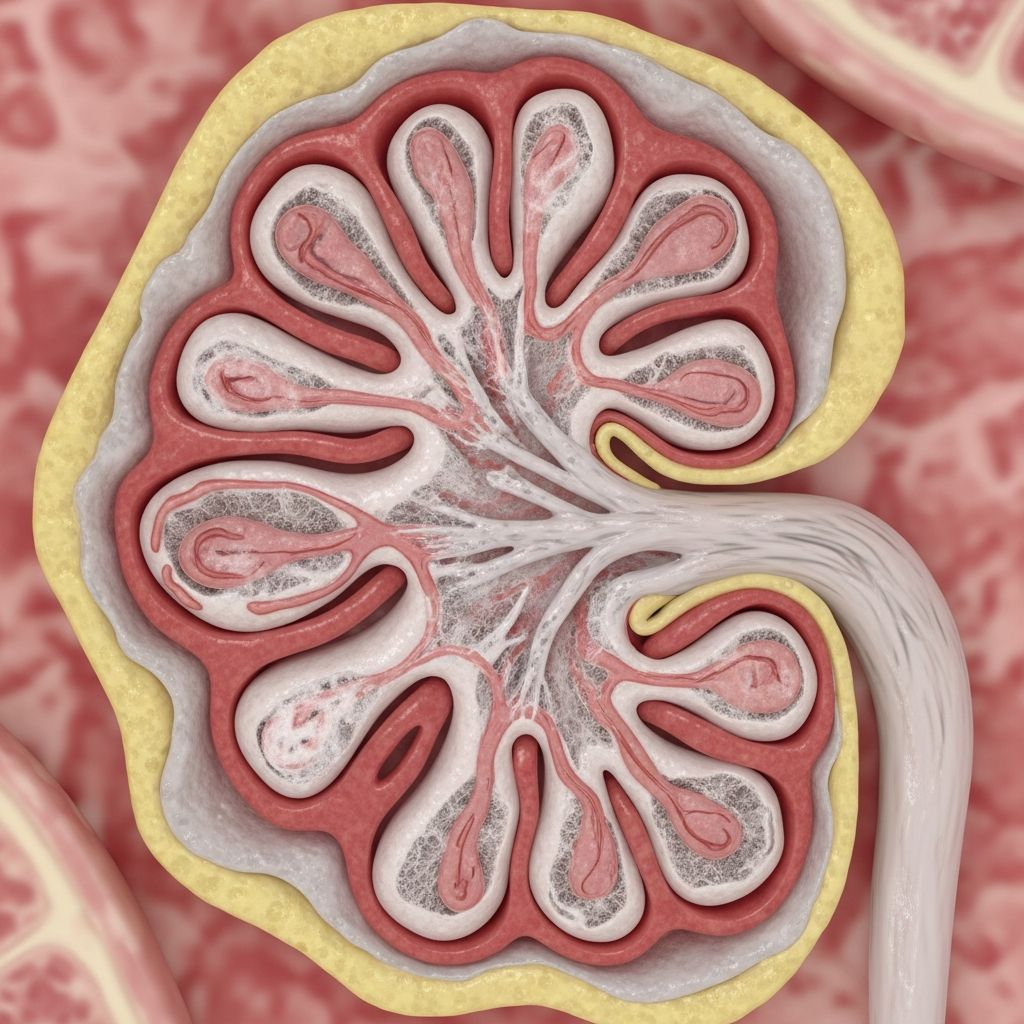
Glomerulosclerosis is a kidney condition characterized by scarring or hardening of the glomeruli, which are tiny blood vessels located within the kidneys. The glomeruli play a critical role in filtering waste products and excess water from the blood as it circulates through the kidneys, ultimately producing urine. When these delicate structures become damaged and scarred, they can no longer perform their essential filtering function effectively. This condition can affect individuals of all ages, though it tends to be slightly more prevalent in men and African-Americans compared to other populations. Understanding the causes, symptoms, and treatment options for glomerulosclerosis is essential for managing kidney health and preventing serious complications.
What is Glomerulosclerosis?
Glomerulosclerosis refers to the development of scar tissue in the glomeruli, the microscopic filtering units of the kidney. To understand this condition better, it is helpful to visualize how healthy kidneys function. Each kidney contains millions of tiny glomeruli that work similarly to a kitchen colander, allowing water and small molecules to pass through while filtering out larger proteins and blood cells. When these filters become damaged and develop scar tissue, they lose their ability to filter blood properly. This compromised filtering capacity leads to serious consequences, including the leakage of large amounts of protein into the urine—a condition known as proteinuria. As the scarring progresses, kidney function deteriorates, potentially leading to chronic kidney disease or kidney failure if left untreated.
Types of Glomerulosclerosis
Glomerulosclerosis exists in different forms, with focal segmental glomerulosclerosis (FSGS) being one of the most common types. The classification of glomerulosclerosis depends largely on the underlying cause of the condition.
Primary Glomerulosclerosis
Primary glomerulosclerosis occurs without a known or obvious cause. This form is often linked to an abnormal response from the immune system or an unidentified factor in the blood that damages the kidney filters. The exact cause of this immune dysfunction or blood factor remains unclear in many cases. Individuals with primary glomerulosclerosis typically experience high protein levels in their urine, reduced protein levels in their blood, elevated cholesterol levels, swelling, and sometimes high blood pressure.
Secondary Glomerulosclerosis
Secondary glomerulosclerosis develops as a consequence of another underlying medical condition or the use of certain medications. This form is associated with excessive blood flow to the glomeruli caused by various factors and systemic diseases. Secondary glomerulosclerosis can be triggered by multiple health conditions and lifestyle factors that place additional stress on the kidney’s filtering units.
Genetic Forms of Glomerulosclerosis
In rare cases, glomerulosclerosis can result from inherited genetic mutations passed through families. The genetic form of FSGS can occur when the APOL1 gene mutates during fetal development. This genetic variant appears to occur more commonly in individuals with ancestry from West Africa. Genetic testing may be recommended for families with a history of glomerulosclerosis to identify at-risk individuals and enable early intervention.
Causes of Glomerulosclerosis
Glomerulosclerosis is not caused by a single disease but rather can result from many different underlying conditions and factors. Understanding the various causes is important for determining the appropriate treatment approach and managing associated health complications.
Systemic Diseases
Several systemic diseases can lead to the development of glomerulosclerosis. Diabetes mellitus, one of the leading causes of kidney disease, can damage the glomeruli through prolonged hyperglycemia and inflammation. Lupus, an autoimmune disease, can trigger immune-mediated damage to the kidney filters. HIV infection and sickle cell disease are also significant causes of glomerulosclerosis. Additionally, other glomerular diseases can progress to glomerulosclerosis if left untreated.
Related Stories



Infections and Drug-Related Causes
Certain infections can trigger the development of glomerulosclerosis by activating inflammatory responses within the kidneys. Damage from illicit drugs and prescription medications can also harm the kidney filters. Specific toxins and nephrotoxic substances have been implicated in causing glomerulosclerosis, making it essential to monitor medication use and avoid exposure to harmful substances.
Other Contributing Factors
Obesity places additional stress on the kidneys and can contribute to glomerulosclerosis development. Glomerulonephritis, which causes inflammation of the glomeruli, can progress to glomerulosclerosis if not properly managed. Reflux nephropathy, a condition in which urine flows backward into the kidney, can also lead to glomerulosclerosis over time. In some cases, the underlying cause remains unknown, particularly in primary forms of the condition.
Symptoms and Signs of Glomerulosclerosis
Early-stage glomerulosclerosis often produces no obvious symptoms, which is why the condition may go undetected until significant kidney damage has occurred. As the disease progresses, various symptoms begin to manifest, typically relating to fluid retention and protein loss.
Common Symptoms
Swelling (Edema): One of the most common complaints among individuals with glomerulosclerosis is edema, or swelling, particularly in the legs, ankles, and around the eyes. Patients often notice that their shoes no longer fit comfortably or that they experience sudden weight gain due to fluid accumulation in body tissues.
Foamy Urine: Foamy or frothy-appearing urine caused by high protein levels in the urine is a characteristic sign of glomerulosclerosis. This occurs because damaged glomeruli allow proteins to leak into the urine rather than retaining them in the bloodstream.
Weight Gain: Rapid weight gain from fluid buildup in the body is a frequent occurrence in glomerulosclerosis patients. This weight gain differs from typical weight gain as it results from fluid retention rather than fat accumulation.
High Blood Pressure: Hypertension is very common in individuals with glomerulosclerosis and can be particularly difficult to treat. Elevated blood pressure may accelerate kidney damage and increase cardiovascular complications.
Advanced Symptoms
As kidney function declines further, additional symptoms may develop. These include fatigue and lack of energy, poor appetite, headaches, itchy skin, muscle cramps, nausea, and shortness of breath. These symptoms indicate declining kidney function and warrant immediate medical attention.
Nephrotic Syndrome
Glomerulosclerosis is one of several diseases that can cause nephrotic syndrome, a specific set of symptoms that occur together and significantly affect kidney function. Nephrotic syndrome is characterized by the following features:
- Large amounts of protein in the urine (proteinuria greater than 3 grams per day)
- Low levels of protein in the blood
- Swelling in body parts such as legs, ankles, and around the eyes
- High levels of fat and cholesterol in the blood
- Increased tendency to form blood clots
When nephrotic syndrome develops, the combination of these symptoms requires comprehensive medical management to prevent serious complications and slow the progression of kidney disease.
Diagnosis of Glomerulosclerosis
Accurate diagnosis of glomerulosclerosis involves a combination of clinical evaluation and diagnostic testing. Healthcare providers will typically begin with a thorough physical examination and medical history.
Physical Examination
During the physical examination, healthcare providers will look for visible signs of glomerulosclerosis, including tissue swelling (edema) and elevated blood pressure. As the condition progresses, signs of kidney failure and excess fluid accumulation may become apparent.
Diagnostic Tests
Several laboratory and imaging tests are used to confirm the diagnosis and assess kidney function:
- Urinalysis: Microscopic examination of urine to detect protein and blood cells
- Urine Protein Testing: Quantifies the amount of protein being lost in the urine
- Kidney Function Tests: Blood and urine tests measure creatinine levels and glomerular filtration rate (GFR) to assess how well kidneys are filtering waste
- Urine Microscopy: Detailed examination of urine under a microscope to identify abnormal cells or casts
- Kidney Biopsy: A small sample of kidney tissue is obtained and examined under a microscope to confirm glomerulosclerosis and determine the underlying cause
Treatment Options for Glomerulosclerosis
Treatment for glomerulosclerosis focuses on slowing disease progression, managing symptoms, and preventing complications. The specific treatment approach depends on the underlying cause of the condition and the severity of kidney damage.
Blood Pressure Management
Controlling blood pressure is crucial for protecting the kidneys from further damage and reducing the risk of heart disease and stroke. ACE inhibitors and angiotensin II receptor blockers (ARBs) are often prescribed as they provide both blood pressure control and kidney protection.
Cholesterol Management
High cholesterol frequently accompanies glomerulosclerosis and may be controlled through dietary modifications and cholesterol-lowering medications such as statins. Reducing dietary saturated fat and cholesterol intake supports overall cardiovascular health.
Protein and Sodium Restriction
Dietary modifications, including reduced protein and sodium intake, can help minimize proteinuria and reduce fluid retention. Healthcare providers may recommend consultation with a renal dietitian to develop an appropriate eating plan.
Immunosuppressive Therapy
For certain forms of glomerulosclerosis, particularly primary FSGS, immunosuppressive medications may be prescribed to reduce immune system activity and slow disease progression. These medications require careful monitoring for side effects.
Thyroid Hormone Replacement
Some individuals with glomerulosclerosis develop low thyroid hormone levels due to loss of thyroid hormone via the kidneys. Thyroid hormone supplementation may be necessary to maintain proper thyroid function.
Prognosis and Complications
The prognosis for glomerulosclerosis varies depending on the underlying cause, severity at diagnosis, and response to treatment. In some individuals, the condition may stabilize or even improve, while in others it may progress despite treatment. If left untreated or inadequately managed, glomerulosclerosis can lead to chronic kidney disease, kidney failure, and the eventual need for dialysis or kidney transplantation. High blood pressure and high cholesterol are common complications that require active management to prevent cardiovascular disease.
When to Seek Medical Attention
It is important to see a healthcare professional if you experience any symptoms suggestive of glomerulosclerosis, including unexplained swelling, foamy urine, sudden weight gain, or persistent high blood pressure. Additionally, if you have been diagnosed with glomerulosclerosis and experience symptoms of kidney failure—such as severe fatigue, shortness of breath, chest pain, or confusion—seek immediate medical attention as these may indicate a medical emergency requiring urgent care.
Frequently Asked Questions
Q: Can glomerulosclerosis be prevented?
A: While some forms of glomerulosclerosis cannot be prevented, particularly genetic forms, managing risk factors like blood pressure, blood sugar control in diabetes, and avoiding nephrotoxic substances may help reduce the risk of developing secondary glomerulosclerosis.
Q: Is glomerulosclerosis curable?
A: Currently, glomerulosclerosis is not curable, but early detection and appropriate treatment can slow disease progression and prevent complications. In some cases, kidney function may stabilize with proper management.
Q: What is the difference between primary and secondary glomerulosclerosis?
A: Primary glomerulosclerosis occurs without a known cause and is often related to immune dysfunction. Secondary glomerulosclerosis develops as a result of another underlying condition, medication, or lifestyle factor that damages the kidney filters.
Q: How often do people with glomerulosclerosis need medical monitoring?
A: The frequency of medical monitoring depends on the severity of the condition and the rate of kidney function decline. Most individuals require regular appointments with a nephrologist and frequent laboratory tests to monitor kidney function, proteinuria, and blood pressure.
Q: Can lifestyle changes help manage glomerulosclerosis?
A: Yes, lifestyle modifications including blood pressure control, dietary changes such as reduced sodium and protein intake, regular physical activity as tolerated, and avoiding nephrotoxic substances can help slow disease progression and manage symptoms.
References
- Focal Segmental Glomerulosclerosis (FSGS) — National Kidney Foundation. 2024. https://www.kidney.org/kidney-topics/focal-segmental-glomerulosclerosis-fsgs
- Focal Segmental Glomerulosclerosis (FSGS) – Symptoms and Causes — Mayo Clinic. 2024. https://www.mayoclinic.org/diseases-conditions/fsgs/symptoms-causes/syc-20354693
- Focal Segmental Glomerulosclerosis (FSGS) — American Kidney Fund. 2024. https://www.kidneyfund.org/all-about-kidneys/other-kidney-diseases/focal-segmental-glomerulosclerosis-fsgs
- Focal Segmental Glomerulosclerosis (FSGS) — Cleveland Clinic. 2024. https://my.clevelandclinic.org/health/diseases/21149-focal-segmental-glomerulosclerosis-fsgs
- Focal Segmental Glomerulosclerosis (FSGS) — Kidney Research UK. 2024. https://www.kidneyresearchuk.org/conditions-symptoms/focal-and-segmental-glomerulosclerosis/
- Focal Segmental Glomerulosclerosis — Penn Medicine. 2024. https://www.pennmedicine.org/conditions/focal-segmental-glomerulosclerosis
- Focal Segmental Glomerulosclerosis (FSGS) — UNC Kidney Center. 2024. https://unckidneycenter.org/kidneyhealthlibrary/glomerular-disease/focal-segmental-glomerulosclerosis-fsgs/
Similar Articles








Read full bio of medha deb