Glomus Tumor Pathology Guide: Diagnosis, Histology & Treatment
Comprehensive pathology of glomus tumours: from clinical features to advanced diagnostic techniques and management strategies.
Introduction
Glomus tumours represent a distinctive group of vascular neoplasms originating from the glomus body, a specialised arteriovenous anastomosis involved in thermoregulation. These rare lesions account for less than 2% of all soft tissue tumours and characteristically present with disproportionate pain, particularly in response to cold or pressure. The glomus body, also known as the Sucquet-Hoyer canal, comprises modified smooth muscle cells (glomus cells) surrounding capillary-like vessels, enabling rapid blood flow modulation to regulate skin temperature.
While predominantly benign, glomus tumours exhibit a spectrum of morphological variants and rare malignant potential. Understanding their pathology is crucial for accurate diagnosis, as clinical suspicion often prompts biopsy confirmation. This article systematically reviews the clinicopathological features, histological patterns, ancillary studies, and management principles of glomus tumours.
Clinical features
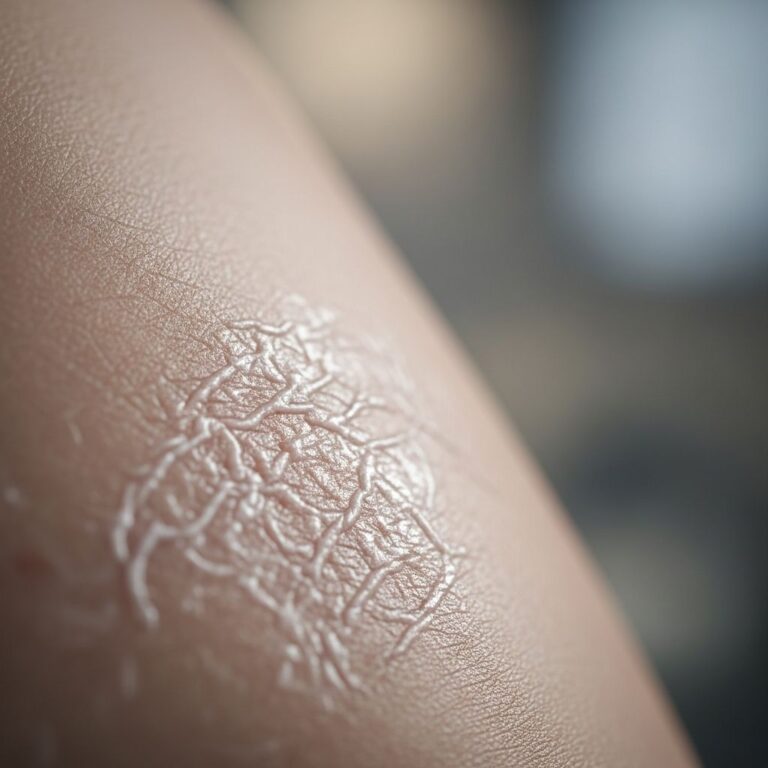
Glomus tumours typically manifest as solitary, small (<1 cm) reddish-blue to purple papules or nodules, most commonly in the subungual region (50-65% of cases), particularly under fingernails of young adults. Women predominate in subungual presentations (female:male ratio up to 9:1), while extra-nail lesions show no sex predilection.
The cardinal symptom is severe, paroxysmal pain disproportionate to lesion size, exacerbated by cold exposure, pressure, or minor trauma. Cold sensitivity relates to the thermoregulatory function of glomus cells, which contract abnormally in tumours. Multiple tumours occur in 10% of cases, often familial and linked to GLMN gene mutations causing glomuvenous malformations.
- Classic triad: localised tenderness, cold sensitivity, pinpoint erythema
- Subungual location: nail plate ridging, dystrophy, or bone erosion on X-ray (20-40%)
- Extracutaneous sites (rare): stomach (most common visceral), lung, bone, nerve, genitourinary tract
Diagnostic clues include the Love’s pin test (pain on pinpoint pressure) and Hildreth sign (pain relief with tourniquet ischaemia). MRI shows well-defined masses with high T2 signal; ultrasound reveals vascular flow.
Histopathology
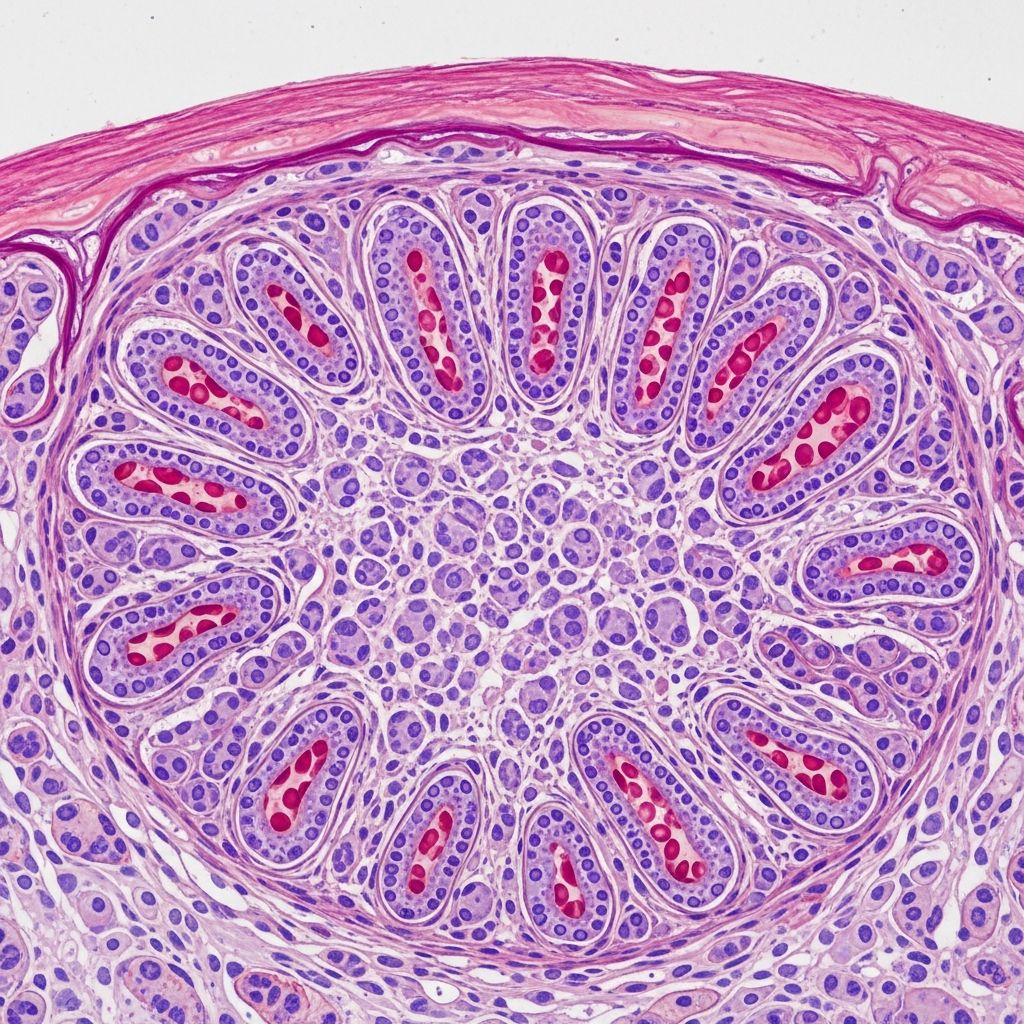
Glomus tumours demonstrate characteristic architectural patterns comprising branching capillary-like vessels surrounded by uniform glomus cells. Three main histological variants exist, often blending within the same lesion.
Solid glomus tumour
The prototypic pattern features sheets of uniform glomus cells encircling capillary-sized vessels. Glomus cells appear as round to cuboidal cells with punched-out central nuclei, eosinophilic cytoplasm, and well-defined borders, resembling modified smooth muscle cells. High nuclear-cytoplasmic ratio and minimal atypia predominate. Vascular channels comprise 10-30% of the lesion.
Glomangioma
This vascular variant shows dilated, cavernous vascular spaces lined by a single layer of flattened endothelial cells, with glomus cells concentrated in thin walls. Staghorn configuration predominates, comprising >50% vascular component. More common in multiple/familial cases.
Glomangiomyoma
Intermediate morphology with prominent smooth muscle bundles intermixed with glomus cells and vascular channels. Least common variant.
Mitotic activity is typically absent (<5 mitoses/50 HPF); surface ulceration is rare. Bone erosion, when present, shows reactive osteoid without invasion.
Histopathology images
- Low power: well-circumscribed nodule with vascular pattern
- Medium power: glomus cells surrounding capillaries (solid variant)
- High power: uniform glomus cells with round nuclei, eosinophilic cytoplasm
- Glomangioma: dilated vascular spaces with thin glomus cell rims
Related Stories



Cytology images
Cytological smears reveal branching capillary fragments mantled by cohesive clusters of uniform round cells with bland nuclei and moderate eosinophilic cytoplasm. Vascular cores confirm glomus origin.
Electron microscopy
Ultrastructural analysis reveals glomus cells with features of modified smooth muscle cells:
- Abundant thin filaments with dense bodies
- Pinocytotic vesicles
- Basal lamina surrounding individual cells
- Laminar bodies and myofilaments confirming smooth muscle differentiation
Endothelial cells show typical Weibel-Palade bodies.
Immunohistochemistry
Glomus tumours display consistent immunophenotype confirming perivascular myoid differentiation:
| Marker | Staining Pattern | Significance |
|---|---|---|
| SMA (smooth muscle actin) | Strong diffuse + | Hallmark of smooth muscle differentiation |
| Calponin | Strong + | Myoid differentiation |
| Collagen IV | Basal lamina + | Pericellular distribution |
| Vimentin | Diffuse + | Mesenchymal marker |
| Desmin | Variable/weak ± | Often negative |
| CD34 | Vascular endothelium only | Negative in glomus cells |
| CD31 | Vascular endothelium only | Negative in glomus cells |
Ki67 proliferation index <5%; p53 wild-type expression.
Genetics
Familial multiple glomus tumours (glomangiomas) show autosomal dominant inheritance due to GLMN (glomulin) mutations on 1p21-22, with somatic second hits via uniparental disomy in 70%. Sporadic tumours lack consistent mutations. NF1-associated digital glomus tumours show biallelic NF1 inactivation. Malignant variants may harbour MYH9-USP6 fusions (rare).
Prognosis and predictive factors
Solitary glomus tumours show >95% cure rate post-excision, with 5-10% local recurrence due to incomplete removal. Multiple lesions recur more frequently. Criteria for malignancy (rare, <1%):
- Size >1 cm
- Deep location
- Atypia ± mitoses >5/50 HPF
- Atypical mitoses
- Moderate-high atypia
Malignant tumours metastasise in 40% (cutaneous/subcutaneous least aggressive).
Differential diagnosis
| Diagnosis | Key Distinguishing Features |
|---|---|
| Haemangioma | Lacks glomus cells; CD34+ vessels |
| Angioleiomyoma | Desmin+; mature smooth muscle bundles |
| Eccrine spiradenoma | Ductal differentiation; cytokeratins |
| Leiomyoma | Long fascicles; desmin+; less vascular |
| Clear cell acanthoma | Epidermal origin; psoriasiform |
| Malignant variants: angiosarcoma | Dissection; pleomorphism; mitoses |
Investigations
- Imaging: MRI (T2 hyperintense mass); US (vascular flow); X-ray (bone erosion)
- Biopsy: punch/excisional preferred over shave
- Ancillary: IHC panel (SMA, calponin, collagen IV)
Management
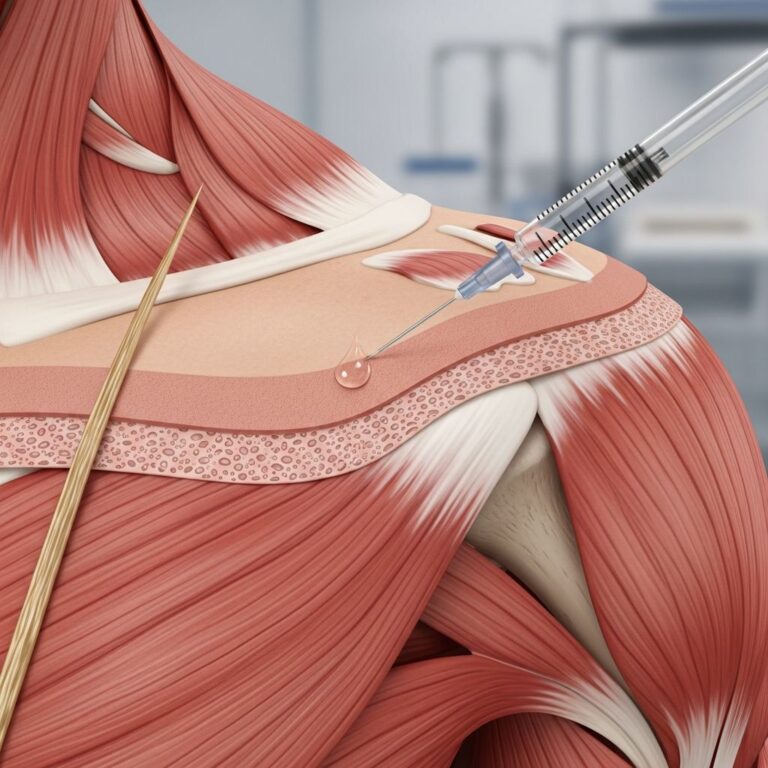
Surgical excision remains gold standard, achieving >90% cure rate. Complete margin-negative excision essential for subungual lesions, often requiring partial nail avulsion.
- Alternatives: sclerotherapy, laser ablation (Nd:YAG, CO2), electrocoagulation
- Multiple tumours: segmental excision or laser
- Malignant: wide excision ± lymph node dissection
Postoperative pain relief immediate; recurrence monitored clinically/radiologically.
Frequently asked questions
What causes the severe pain in glomus tumours?
Pain derives from abnormal contraction of glomus cells around vascular channels, amplified by cold/pressure. Nerve fibres within the lesion contribute.
Can glomus tumours be malignant?
Malignant glomus tumours are rare (<1%), defined by size >1cm, deep location, atypia, and mitoses. They show 40% metastatic potential.
Is surgical excision always required?
Solitary symptomatic tumours warrant excision. Asymptomatic or multiple lesions may be managed conservatively or with non-surgical ablation.
What is the recurrence rate after surgery?
5-15%, highest with subungual/incomplete excision. Multiple tumours recur more frequently.
Are familial glomus tumours different?
Yes, typically multiple glomangiomas due to GLMN mutations, more superficial/platy, less painful than solitary solid variants.
References
- Glomus tumours — DermNet NZ. Updated 2024. https://dermnetnz.org/topics/glomus-tumour
- Soft tissue and bone tumours — WHO Classification of Tumours Editorial Board, IARC. 2020-05-01. https://tumourclassification.iarc.who.int/chapters/33/
- Glomus Tumor — Musculoskeletal Tumor Society (MSTS). Accessed 2024. https://www.msts.org/glomus-tumor
- Glomus Tumor – Pathology — Orthobullets. Updated 2024. https://www.orthobullets.com/pathology/8075/glomus-tumor
- Glomus Tumour — Primary Care Dermatology Society (PCDS). Updated 2024. https://www.pcds.org.uk/clinical-guidance/glomus-tumour
Similar Articles








Read full bio of medha deb