Glossitis: Causes, Symptoms, and Treatment
Understanding tongue inflammation: causes, symptoms, diagnosis, and effective treatment options.
What Is Glossitis?
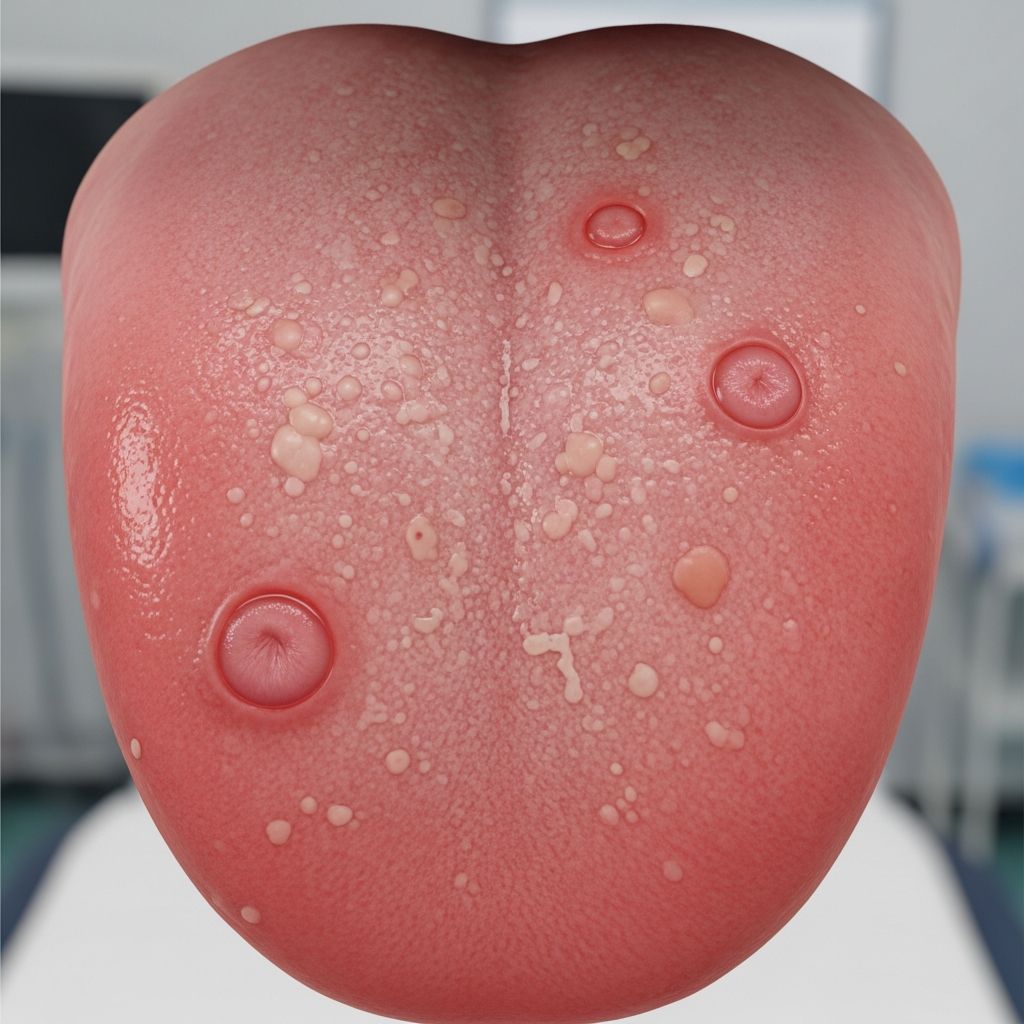
Glossitis is a medical condition characterized by inflammation of the tongue that results in swelling and changes to the tongue’s appearance and function. The tongue becomes swollen and inflamed, often making the surface appear smooth and changing its color from the normal pink to pale or bright red. This condition can range from mild to severe, with symptoms developing either suddenly or gradually over time. While glossitis is often benign, it can also be a presenting symptom of more serious systemic conditions that require medical attention.
The tongue is a highly sensitive organ composed of muscle tissue and covered with tiny, finger-like projections called papillae. When glossitis occurs, these papillae may become flattened or disappear entirely, contributing to the characteristic smooth appearance of the affected tongue. Understanding glossitis is essential for recognizing when medical intervention is necessary and for addressing underlying causes that may require treatment.
Common Causes of Glossitis
Glossitis can develop from numerous etiologies, ranging from simple irritation to systemic diseases. Identifying the underlying cause is crucial for developing an effective treatment plan and preventing recurrence.
Nutritional Deficiencies
One of the most common causes of glossitis involves nutritional deficiencies, particularly vitamin and mineral insufficiencies. Vitamin B12 deficiency is a leading cause, leading to atrophic glossitis where the tongue appears smooth and pale. Other nutritional factors include:
– Protein-calorie malnutrition- Folate (vitamin B9) deficiency- Iron deficiency- Zinc deficiency- Riboflavin deficiency
Poor dietary intake, malabsorption disorders, and restrictive diets can all contribute to these nutritional gaps that manifest as tongue inflammation.
Infections
Infectious agents represent another significant category of glossitis causes. These include:
– Viral infections such as herpes simplex virus and other herpes viruses- Fungal infections, most commonly caused by Candida species- Bacterial infections, though relatively rare in immunocompetent individuals- Post-herpetic glossitis following viral infection resolution
Fungal infections like oral thrush are particularly common in individuals with weakened immune systems, those taking antibiotics, or patients with diabetes.
Medications
Certain medications can trigger glossitis as an adverse reaction or side effect. These medications include:
– ACE inhibitors used for blood pressure management- Albuterol inhalers for asthma and COPD- Organosulfur antimicrobial drugs such as sulphanilamide and sulphathiazole- Oral contraceptive pills- Lithium carbonate used in psychiatric treatment
If glossitis develops after starting a new medication, discussing alternative options with your healthcare provider is important.
Irritants and Allergens
Environmental and dietary irritants frequently cause glossitis. Common irritants include:
– Tobacco use in any form- Alcohol consumption- Hot or spicy foods- Rough or jagged teeth- Ill-fitting dentures causing chronic friction- Allergic reactions to oral care products, toothpaste, or mouth rinses- Dental work complications
Sjögren syndrome, which causes dry mouth, can also lead to glossitis by reducing protective saliva production.
Related Stories



Other Causes
Additional causes of glossitis include skin conditions affecting the mouth, hormonal factors, autoimmune conditions, and idiopathic causes where no specific etiology can be identified. Geographic tongue, a benign migratory glossitis, appears as smooth red patches with white borders and may run in families.
Recognizing Symptoms of Glossitis
Symptoms of glossitis vary depending on severity and underlying cause, developing either acutely or insidiously over time.
Common Symptoms
The most frequently reported symptoms include:
– Pain or tenderness in the tongue- Swelling of the tongue- Redness or color changes to the tongue- Loss of papillae, creating a smooth tongue surface- Difficulty chewing, swallowing, or speaking- Visible tongue lesions or sores- Pale or bright red coloration
Many patients describe a burning sensation or discomfort that intensifies with certain foods or beverages, particularly those that are hot, spicy, or acidic.
Rare but Serious Symptoms
While uncommon, glossitis can occasionally cause severe swelling that threatens airway patency. Emergency medical attention is needed if patients experience:
– Significant tongue swelling that affects breathing- Difficulty swallowing saliva- Stridor or abnormal breathing sounds- Signs of airway obstruction
These symptoms require immediate emergency care to prevent complications.
Diagnosis and Evaluation
Proper diagnosis of glossitis requires a comprehensive approach combining physical examination, detailed history, and potentially diagnostic testing.
Medical History
A thorough history is essential when evaluating glossitis. Your healthcare provider will inquire about:
– Overall nutritional status and dietary habits- Tobacco and alcohol use- Medication history and recent changes- Past medical history including immunosuppressive conditions- Cancer history and autoimmune disorders- Symptom onset, duration, and relationship to specific triggers- Family history of tongue conditions like geographic tongue
Understanding symptom fluctuation with food, environmental exposure, or medication changes helps identify underlying causes.
Physical Examination
The physical examination focuses on detailed tongue and oral assessment. Your provider will evaluate:
– Presence or absence of papillae on the tongue surface- Extent and pattern of swelling or patches- Color changes and any visible lesions- Tongue surface texture and appearance- Dental health and presence of jagged teeth or denture irritation- Palpation of the tongue and floor of mouth for tenderness or lesions- Head and neck examination for lymphadenopathy- Overall oral hygiene status
Diagnostic Tests
Depending on clinical presentation, your healthcare provider may recommend:
– Blood tests to evaluate for vitamin deficiencies, anemia, and systemic conditions- Biopsy of tongue lesions if malignancy cannot be ruled out clinically- Cultures if fungal or bacterial infection is suspected- Allergy testing if allergic reaction is suspected
These tests help identify treatable underlying conditions and rule out serious pathology.
Treatment Approaches for Glossitis
Treatment depends on identifying and addressing the underlying cause of glossitis. Most cases are self-limiting and require no specific intervention beyond symptom management.
General Management Strategies
Supportive care forms the foundation of glossitis treatment:
– Excellent oral hygiene with twice-daily brushing and daily flossing- Avoiding irritants including tobacco, alcohol, hot foods, and spicy foods- Using soft-bristled toothbrushes to minimize irritation- Addressing jagged teeth or ill-fitting dentures through dental care- Maintaining adequate hydration- Using topical treatments like “magic mouthwash” containing corticosteroids and lidocaine for acute exacerbations
These measures provide symptomatic relief while underlying causes are addressed.
Cause-Specific Treatments
Treatment varies depending on glossitis etiology:
Nutritional Deficiency-Related Glossitis
When glossitis results from vitamin deficiency, specific supplementation is necessary. Vitamin B12 deficiency-related atrophic glossitis responds to intramuscular vitamin B12 injections. Other nutritional deficiencies require appropriate supplementation of the deficient nutrient, combined with dietary modifications to prevent recurrence.
Infection-Related Glossitis
Infectious causes require targeted antimicrobial therapy. Fungal infections like median rhomboid glossitis respond to topical antifungals such as nystatin swish and swallow formulations when symptomatic. Viral infections may be managed with antivirals, though success is often limited. Bacterial infections require appropriate antibiotics. Immunocompromised patients need immunology workup and diabetes control for opportunistic infection prevention.
Medication-Induced Glossitis
The most straightforward treatment for medication-induced glossitis is discontinuing the offending medication when possible. Your healthcare provider can discuss alternative therapeutic options that may not cause glossitis.
Benign Migratory Glossitis
Geographic tongue typically requires reassurance only, as this benign condition causes minimal long-term problems. Acute exacerbations respond to topical corticosteroids, antihistamines, cyclosporine, and vitamin and zinc supplementation when symptomatic.
Severe Swelling
If swelling is severe and affects function, corticosteroids may be prescribed to reduce inflammation. Most patients do not require hospitalization unless the tongue swelling is very severe or affects breathing.
When to Seek Medical Care
While many cases of glossitis resolve without intervention, certain situations warrant prompt medical evaluation:
– Symptoms persisting longer than 10 days- Very severe tongue swelling- Difficulty breathing, speaking, chewing, or swallowing- Inability to eat or drink adequately- Signs of infection such as fever or pus- Any concern about tongue lesion appearance suggesting malignancy- Airway obstruction symptoms requiring emergency care
Early evaluation ensures appropriate diagnosis and prevents complications.
Prognosis and Outlook
The prognosis for glossitis varies depending on underlying cause. Most cases resolve completely when the causative condition is treated or removed. Many nutritional deficiencies and medication reactions show improvement with appropriate intervention. However, some conditions like geographic tongue may be chronic with periodic flare-ups throughout life.
Some patients experience anxiety regarding the appearance and symptoms of glossitis. Reassurance and biopsy when necessary can alleviate concerns about malignancy. With proper management and identification of underlying causes, most patients achieve significant symptom improvement and return to normal tongue function.
Complications and Prevention
While glossitis is generally benign, complications can occur. The most common complication is anxiety related to tongue appearance. In cases where reassurance proves challenging, biopsy confirmation of benign disease may be prudent.
Prevention strategies include maintaining good oral hygiene, avoiding tobacco and excessive alcohol, protecting teeth and mouth from injury, managing underlying systemic conditions, and ensuring adequate nutrition. Regular dental care helps identify and address dental issues contributing to glossitis before complications develop.
Frequently Asked Questions
Q: Is glossitis contagious?
A: Glossitis itself is not contagious. However, if glossitis results from a contagious infection like herpes simplex virus or oral candidiasis, the underlying infection may be transmissible. Treating the infection reduces transmission risk.
Q: Can glossitis cause permanent damage to the tongue?
A: Most cases of glossitis resolve without permanent damage when underlying causes are addressed. However, chronic neglect of causative conditions may lead to persistent changes. Prompt treatment prevents long-term complications.
Q: How long does glossitis typically last?
A: Duration depends on the cause. Acute cases from irritants or minor infections may resolve in days to weeks. Chronic conditions require ongoing management. If symptoms persist beyond 10 days, seek medical evaluation.
Q: Can diet affect glossitis symptoms?
A: Yes, certain foods can worsen glossitis symptoms. Hot, spicy, acidic, and rough-textured foods may increase discomfort. A soft, cool diet during acute episodes can provide relief.
Q: Is glossitis related to oral cancer?
A: While glossitis itself is benign, any chronic or unchanging tongue lesion should be evaluated by a healthcare provider to rule out malignancy. Biopsy may be recommended if clinical features are concerning.
References
- Glossitis — StatPearls, National Center for Biotechnology Information (NCBI). 2024. https://www.ncbi.nlm.nih.gov/books/NBK560627/
- Glossitis: MedlinePlus Medical Encyclopedia — U.S. National Library of Medicine. 2024. https://medlineplus.gov/ency/article/001053.htm
- Glossitis: Care Instructions — MyHealth Alberta, Government of Alberta. 2024. https://myhealth.alberta.ca/Health/aftercareinformation/pages/conditions.aspx?hwid=zc1709
- Geographic Tongue: Causes, Symptoms & Treatment — Cleveland Clinic. 2023-02-14. https://my.clevelandclinic.org/health/diseases/21177-geographic-tongue
- Tongue Problems: Types, Symptoms & Treatment — Cleveland Clinic. 2023-02-14. https://my.clevelandclinic.org/health/diseases/24735-tongue-problems
- Benign Migratory Glossitis — Cleveland Clinic Journal of Medicine, vol. 92, no. 10. 2025. https://www.ccjm.org/content/92/10/591
- Geographic Tongue: Symptoms and Causes — Mayo Clinic. 2024. https://www.mayoclinic.org/diseases-conditions/geographic-tongue/symptoms-causes/syc-20354396
Similar Articles








Read full bio of medha deb