Glottis: An Essential Guide To Anatomy, Function, And Care
Explore the anatomy, function, and importance of the glottis in breathing, swallowing, and speech.
What Is the Glottis?
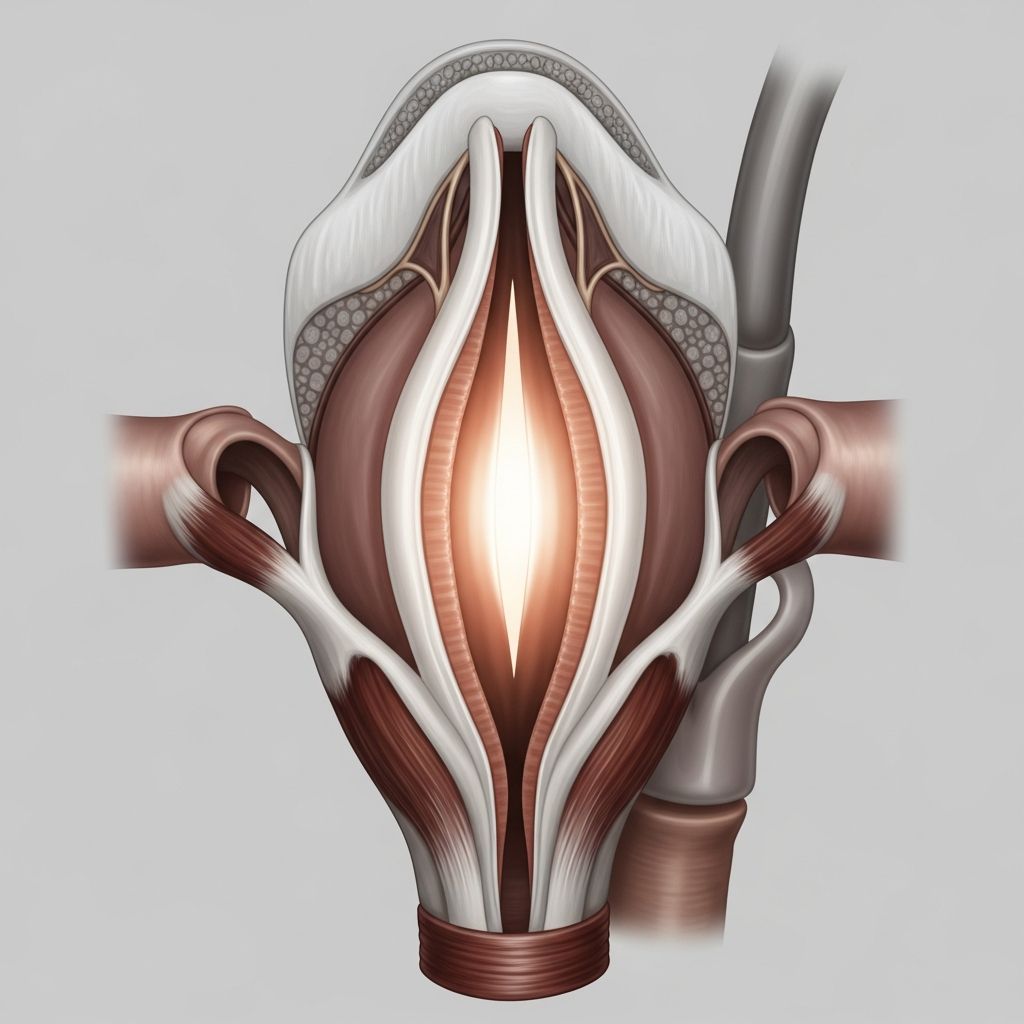
The glottis is a crucial structure within the larynx (voice box) that plays a vital role in breathing, swallowing, and speech. It is the space between the vocal folds (vocal cords) and is the narrowest part of the larynx. The glottis is essential for protecting the airway and modulating airflow and acoustics.
Anatomy of the Glottis
The glottis is located in the middle of the larynx and is composed of the following structures:
- Vocal Folds (Vocal Cords): The lower pair of folds in the larynx that produce sounds needed for speech and other vocalizations.
- Rima Glottidis: The slit-like space between the left and right vocal cords, which is the narrowest part of the larynx.
- Thyroid Cartilage: The largest cartilage in the larynx, which houses the vocal folds.
- Cricoid Cartilage: A ring of hyaline cartilage that forms the inferior wall of the larynx and is attached to the top of the trachea.
- Epiglottis: A large, spoon-shaped piece of elastic cartilage that protects the glottis during swallowing.
Function of the Glottis
The glottis performs several important functions:
- Respiration: The vocal folds open to allow air to pass through the glottis during breathing.
- Airway Protection: The glottis closes to prevent food and liquid from entering the airway during swallowing.
- Phonation: The vocal folds vibrate to produce sound, which is essential for speech and other vocalizations.
- Abdominal Fixation: The glottis can be closed to stiffen the thorax, which is useful for lifting heavy objects.
How the Glottis Works
The glottis works in coordination with other structures in the larynx and pharynx to ensure proper breathing, swallowing, and speech. Here’s how it functions:
- During Breathing: The vocal folds are open, allowing air to flow freely through the glottis.
- During Swallowing: The epiglottis moves down to cover the glottis, preventing food and liquid from entering the airway. The vocal folds also close to further protect the airway.
- During Speech: The vocal folds vibrate as air passes through the glottis, producing sound. The pitch and volume of the sound are modulated by the tension and position of the vocal folds.
- During Abdominal Fixation: The glottis is closed to stiffen the thorax, which helps in lifting heavy objects.
Common Conditions Affecting the Glottis
Several conditions can affect the glottis, including:
- Epiglottitis: Inflammation of the epiglottis, which can cause severe sore throat, pain when swallowing, and difficulty swallowing. It is usually caused by infection and can be life-threatening if not treated promptly.
- Vocal Cord Paralysis: Paralysis of the vocal cords, which can affect breathing, swallowing, and speech. It can be caused by nerve damage, surgery, or other medical conditions.
- Laryngitis: Inflammation of the larynx, which can cause hoarseness, loss of voice, and difficulty swallowing. It is often caused by viral infections or overuse of the voice.
- Polyps and Nodules: Benign growths on the vocal cords that can affect voice quality and cause hoarseness.
- Cancer: Malignant tumors in the larynx, which can affect the glottis and cause symptoms such as hoarseness, difficulty swallowing, and pain.
Related Stories



Diagnosis and Treatment
Diagnosis of glottis-related conditions typically involves a combination of physical examination, imaging studies, and sometimes biopsy. Treatment depends on the specific condition and may include:
- Medications: Antibiotics for infections, anti-inflammatory drugs for inflammation, and other medications as needed.
- Surgery: Removal of polyps, nodules, or tumors, and sometimes repair of vocal cord paralysis.
- Voice Therapy: Exercises and techniques to improve voice quality and function.
- Lifestyle Changes: Avoiding smoking, protecting the voice, and managing underlying conditions.
Prevention and Maintenance
Maintaining the health of the glottis involves several key practices:
- Avoid Smoking: Smoking can damage the vocal cords and increase the risk of laryngeal cancer.
- Protect the Voice: Avoid shouting, whispering, and overusing the voice. Use proper vocal techniques when speaking or singing.
- Stay Hydrated: Drink plenty of water to keep the vocal cords moist.
- Manage Infections: Treat respiratory infections promptly to prevent complications.
- Regular Check-ups: See a healthcare provider for regular check-ups, especially if you have a history of voice problems or other risk factors.
Frequently Asked Questions (FAQs)
Q: What is the glottis?
A: The glottis is the space between the vocal folds in the larynx, which is essential for breathing, swallowing, and speech.
Q: What are the main functions of the glottis?
A: The main functions of the glottis are respiration, airway protection, phonation, and abdominal fixation.
Q: What are common conditions affecting the glottis?
A: Common conditions include epiglottitis, vocal cord paralysis, laryngitis, polyps and nodules, and cancer.
Q: How is the glottis diagnosed and treated?
A: Diagnosis involves physical examination, imaging, and sometimes biopsy. Treatment depends on the condition and may include medications, surgery, voice therapy, and lifestyle changes.
Q: How can I maintain the health of my glottis?
A: Maintain the health of your glottis by avoiding smoking, protecting your voice, staying hydrated, managing infections, and having regular check-ups.
References
- What Is the Epiglottis? Function & Anatomy — Cleveland Clinic. 2023. https://my.clevelandclinic.org/health/body/24278-epiglottis
- Hoarseness: When to observe and when to refer — CCJM. 2023. https://www.ccjm.org/content/90/8/475
- Larynx – Wikipedia — Wikipedia. 2023. https://en.wikipedia.org/wiki/Larynx
- Pharynx | Research Starters – EBSCO — EBSCO. 2023. https://www.ebsco.com/research-starters/anatomy-and-physiology/pharynx
- Larynx (Voice Box): Anatomy & Function — Cleveland Clinic. 2023. https://my.clevelandclinic.org/health/body/21872-larynx
- Anatomy of the Lungs and Airways — SmartVest. 2023. https://smartvest.com/blog/anatomy-of-the-lungs/
Similar Articles








Read full bio of medha deb