GLP-1 Medications: How They Work and Their Benefits
Comprehensive guide to GLP-1 medications: understanding how they work, their benefits, and managing Type 2 diabetes effectively.
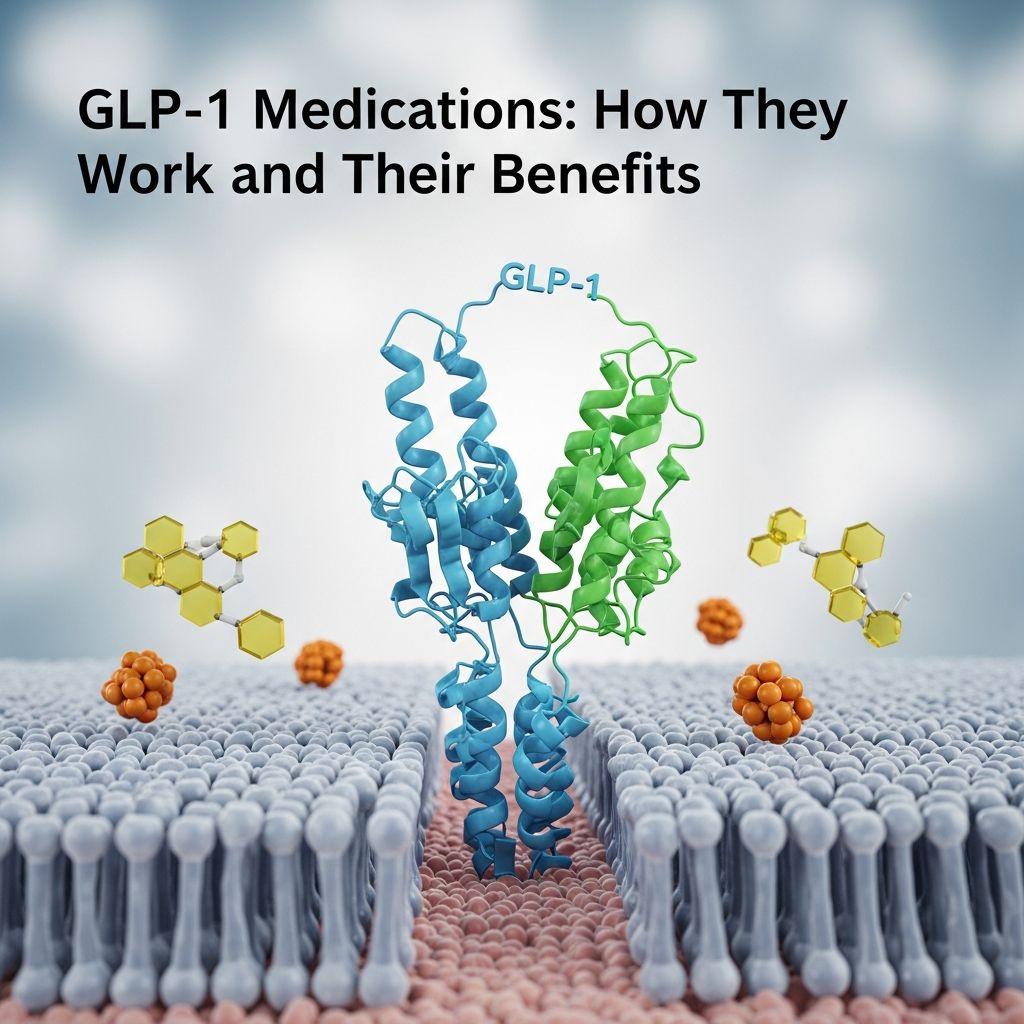
Understanding GLP-1 Medications
GLP-1 receptor agonists are a class of medications that help manage blood sugar levels in people with Type 2 diabetes. These medications work by mimicking the body’s natural glucagon-like peptide-1 hormone, which plays a crucial role in regulating blood glucose and appetite. Originally developed to treat Type 2 diabetes, GLP-1 medications have become increasingly recognized for their additional benefits in weight management and cardiovascular health.
The growing interest in GLP-1 medications reflects their effectiveness and relatively favorable side effect profile compared to other diabetes treatments. Unlike some traditional diabetes medications that can cause weight gain, GLP-1 receptor agonists effectively control blood glucose levels while simultaneously reducing body weight.
How GLP-1 Medications Work
GLP-1 medications function through several interconnected mechanisms within your body to improve blood sugar control and support weight management:
Improving Insulin Function
When blood sugar levels rise after meals, GLP-1 medications signal the pancreas to release more insulin. This increased insulin production helps lower blood sugar levels in people with Type 2 diabetes. Simultaneously, these medications reduce the release of glucagon, a hormone that raises blood sugar levels. This dual action helps maintain more stable blood glucose throughout the day, reducing dangerous spikes after meals and improving long-term glucose control.
Slowing Digestion
GLP-1 medications slow down gastric emptying—the process by which food leaves the stomach and enters the small intestine. This slower digestion helps control blood sugar levels by preventing rapid glucose spikes and reduces food cravings. The extended sensation of fullness means you naturally eat less without experiencing hunger or deprivation.
Regulating Appetite
These medications increase satiety through direct actions on the hypothalamus, the part of the brain that controls hunger signals. This appetite-regulating effect, combined with slower digestion, creates a powerful mechanism for reducing food intake and supporting sustainable weight management.
Supporting Cellular Health
GLP-1 receptor agonists can decrease pancreatic β-cell apoptosis (cell death) while promoting their proliferation. These cells are responsible for producing insulin, so protecting and expanding them supports better long-term blood sugar control.
What Conditions Are GLP-1 Medications Prescribed For?
While weight loss applications have garnered significant media attention, GLP-1 medications have several established and emerging clinical uses:
Type 2 Diabetes
Type 2 diabetes remains the primary indication for GLP-1 medications. These drugs were first approved as diabetes medications because of their effectiveness in lowering blood sugar levels. By boosting insulin production, reducing glucagon release, and slowing digestion, they help keep blood sugar levels stable throughout the day. Healthcare providers may recommend GLP-1 agonists if other oral medications like metformin are insufficient for managing blood glucose.
Weight Management and Obesity
The satiety effect of GLP-1 agonists reduces food intake, appetite, and hunger, often resulting in weight loss. Clinical studies demonstrate that these medications are highly effective for weight management when used appropriately. Physicians and researchers agree that GLP-1 receptor agonist drugs are extremely effective for weight management and Type 2 diabetes treatment, combining their efficacy with a relatively limited side effect profile.
Related Stories



Cardiovascular Health
Emerging evidence suggests GLP-1 medications may benefit people with heart disease by lowering cardiovascular risk. A study published in Nature Cardiovascular Research used statistical modeling to compare different classes of diabetes medication in patients with moderate cardiovascular risk, and GLP-1 receptor agonist drugs came out on top, not only controlling blood glucose but also reducing the risk of major heart-related events and overall mortality.
Kidney Disease
People with Type 2 diabetes face higher risk for kidney disease, but GLP-1 medications may help slow that progression. Studies suggest they can reduce protein in the urine—a marker of kidney damage—and support overall kidney function.
Fatty Liver Disease
Nonalcoholic fatty liver disease (NAFLD) is commonly diagnosed in people with obesity and diabetes. GLP-1 medications may reduce liver fat and improve liver enzymes, helping lower the risk of complications such as fibrosis, cirrhosis, and liver cancer.
Other Emerging Applications
Researchers are studying how GLP-1 medications may help other conditions. Early evidence suggests potential benefits for polycystic ovary syndrome (PCOS), where weight management and insulin resistance often play a role. Research is also underway exploring the role of GLP-1s in managing various other metabolic conditions.
Types of GLP-1 Medications
Several GLP-1 receptor agonist medications are available, each with distinct characteristics and efficacy profiles. The most commonly prescribed include semaglutide and tirzepatide, though multiple medications within this class have demonstrated effectiveness.
Semaglutide
Semaglutide is a traditional GLP-1 receptor agonist that has become widely recognized for its dual benefits in blood sugar control and weight management. It works by mimicking the body’s natural GLP-1 hormone to regulate appetite, slow digestion, and improve insulin function.
Tirzepatide: Dual-Action Innovation
Tirzepatide represents a newer advancement in GLP-1 therapy, functioning as a dual-agonist medication that targets both GLP-1 and GIP receptors in the body. This dual action enhances insulin regulation, slows digestion, and helps reduce appetite more effectively than traditional GLP-1 medications. Clinical studies suggest that tirzepatide may lead to more significant weight loss and stronger blood sugar reductions compared with semaglutide. One trial found that participants using tirzepatide lost more body weight and achieved better HbA1c measurements—which reflect average blood sugar levels over three months—than those using semaglutide over similar periods.
Comparative Effectiveness
Research analyzing 15 different GLP-1 receptor agonists found that all were very successful in lowering blood glucose and achieving weight loss, though different drugs performed better in different areas. Secondary benefits identified included lowering cholesterol levels. The choice between different GLP-1 medications depends on factors such as personal response, side effect tolerance, and convenience preferences.
How to Use GLP-1 Medications
GLP-1 medications are typically administered as injections rather than oral tablets. Understanding proper administration is essential for maximizing effectiveness and minimizing complications.
Administration Method
GLP-1 agonists are generally taken by injection, with most administered either once daily or once weekly. GLP-1 medications are typically taken as a once-weekly injection using a small needle to inject the medication into fatty tissue—usually in your belly, thighs, arms, or upper buttocks. Most people find that with a little practice, injection administration becomes a simple part of their routine.
Treatment as Part of Comprehensive Care
It’s important to remember that the most effective management of Type 2 diabetes involves several complementary therapies. Providers often prescribe GLP-1 agonists with other medications to achieve optimal blood glucose management. Together with your healthcare provider, you will determine a treatment plan tailored to your individual health needs and circumstances.
Benefits and Effectiveness
The clinical evidence supporting GLP-1 medications is substantial and continues to grow:
- Blood Sugar Control: GLP-1 receptor agonists provide hemoglobin A1c reduction of about 1% compared to control groups in patients with Type 2 diabetes, with some medications achieving even greater reductions.
- Weight Loss: These medications consistently result in meaningful weight loss, with some formulations producing more significant results than others.
- Cardiovascular Protection: Evidence suggests GLP-1 medications reduce the risk of major heart-related events and overall mortality in people with cardiovascular risk factors.
- Kidney Health: Studies demonstrate these medications can reduce proteinuria and support kidney function in people with Type 2 diabetes.
- Cholesterol Management: Secondary analysis of different GLP-1 medications identified cholesterol-lowering benefits.
- Favorable Side Effect Profile: Compared to other diabetes treatments, GLP-1 medications have a relatively limited side effect profile while delivering superior glucose control and weight loss.
What Happens When You Stop GLP-1 Medications
Understanding the effects of discontinuing GLP-1 therapy is important for long-term treatment planning:
Blood Sugar Spikes
GLP-1 medications help regulate glucose levels, so discontinuing the drug can cause blood sugar to rise, especially in people with Type 2 diabetes. This rebound effect underscores the importance of discussing any changes to your medication regimen with your healthcare provider.
Cardiovascular Considerations
Some studies suggest that stopping GLP-1 therapy may reduce its protective effects on heart health, potentially increasing the risk of complications like heart attack or stroke.
Weight Regain
Without the appetite suppression and slowed digestion provided by the medication, weight lost during treatment may gradually return. This highlights that GLP-1 medications are tools to support ongoing lifestyle management rather than permanent solutions on their own.
Important Considerations and Cautions
While GLP-1 medications offer substantial benefits, healthcare experts emphasize important considerations:
- Not a Magic Formula: Although highly effective, GLP-1 receptor agonists are not a universal cure-all for obesity or diabetes. Success requires ongoing medical supervision and typically complementary lifestyle modifications.
- Off-Label Use Concerns: Celebrity endorsements and social media promotion have fueled off-label use of GLP-1 medications for weight loss in people without diabetes, raising safety and equity concerns.
- Individual Variation: Different medications perform better for different individuals, and healthcare providers must consider dosages, costs, side effects, and medication comparisons when selecting treatment.
- Research Ongoing: Researchers are currently studying the safety and effectiveness of GLP-1 agonists for people with Type 1 diabetes, though preliminary studies show promise for A1C reduction and weight loss.
Making Sense of GLP-1 Medications for Your Health
GLP-1 medications have become an important tool for managing Type 2 diabetes and supporting weight loss. From regulating appetite and slowing digestion to improving blood sugar and potentially supporting heart and kidney health, these medications offer a wide range of benefits. Both semaglutide and tirzepatide provide effective options, each with unique mechanisms and results that can be tailored to individual health goals.
The decision to use GLP-1 medications should be made in consultation with your healthcare provider, considering your specific health status, treatment goals, and circumstances. These medications represent a significant advancement in diabetes care, offering hope for better blood sugar control and improved quality of life for millions of people managing Type 2 diabetes.
Frequently Asked Questions
Q: Are GLP-1 medications safe?
A: GLP-1 medications have a relatively limited side effect profile and are FDA-approved for treating Type 2 diabetes and obesity. However, like all medications, they may cause side effects in some individuals. Discuss any concerns with your healthcare provider.
Q: How quickly do GLP-1 medications work?
A: Blood sugar improvements and weight loss typically begin within weeks of starting treatment, though individual results vary. Full effects may take several months as dosages are adjusted.
Q: Can I use GLP-1 medications if I have Type 1 diabetes?
A: Researchers are currently studying GLP-1 agonists for Type 1 diabetes, and preliminary studies show promise for A1C reduction and weight loss. However, these medications are not yet officially approved for Type 1 diabetes. Consult your healthcare provider about whether they might be appropriate for your situation.
Q: Will I regain weight after stopping GLP-1 medications?
A: Without the appetite suppression and slowed digestion provided by GLP-1 medications, weight lost during treatment may gradually return. This underscores the importance of developing sustainable lifestyle habits alongside medication therapy.
Q: How do I inject GLP-1 medications?
A: GLP-1 medications are injected once weekly into fatty tissue, usually in your belly, thighs, arms, or upper buttocks using a small needle. Most people find that with a little practice, this becomes a simple part of their routine.
Q: Which GLP-1 medication is most effective?
A: Research shows all GLP-1 receptor agonists are very successful in lowering blood glucose and achieving weight loss, though different drugs perform better in different areas. Tirzepatide may produce more significant weight loss and stronger blood sugar reductions compared with semaglutide for some individuals. Your healthcare provider can recommend the best option for your needs.
Q: Can GLP-1 medications help prevent heart disease?
A: Yes, emerging evidence suggests GLP-1 medications may benefit people with heart disease by lowering cardiovascular risk and reducing the risk of major heart-related events.
References
- GLP-1 Medications Explained: Benefits, Risks and How They Work — Baylor Scott & White Health. 2024. https://www.bswhealth.com/blog/glp-1-medications-explained-benefits-risks-how-they-work
- Research Shows GLP-1 Drugs Are Effective But Complex — University of Chicago Medicine. 2024-05. https://www.uchicagomedicine.org/forefront/research-and-discoveries-articles/2024/may/research-on-glp-1-drugs
- GLP-1 Agonists — Cleveland Clinic. 2024. https://my.clevelandclinic.org/health/treatments/13901-glp-1-agonists
- Glucagon-Like Peptide-1 Receptor Agonists — StatPearls, National Center for Biotechnology Information, National Library of Medicine. 2024. https://www.ncbi.nlm.nih.gov/books/NBK551568/
- Your Friendly Guide to GLP-1 Weight Loss: What Works, What Doesn’t, and What’s Next — Intermountain Healthcare. 2024. https://intermountainhealthcare.org/blogs/article/your-friendly-guide-to-glp-1-weight-loss-what-works-what-doesnt-and-whats-next
- Diabetes Drugs and Weight Loss — Mayo Clinic. 2024. https://www.mayoclinic.org/diseases-conditions/type-2-diabetes/expert-answers/byetta/faq-20057955
Similar Articles








Read full bio of Sneha Tete