GLP-1s And Exercise: Essential Guide To Preserve Muscle
Discover how combining GLP-1 medications with exercise maximizes weight loss, preserves muscle and bone health, and supports long-term success.
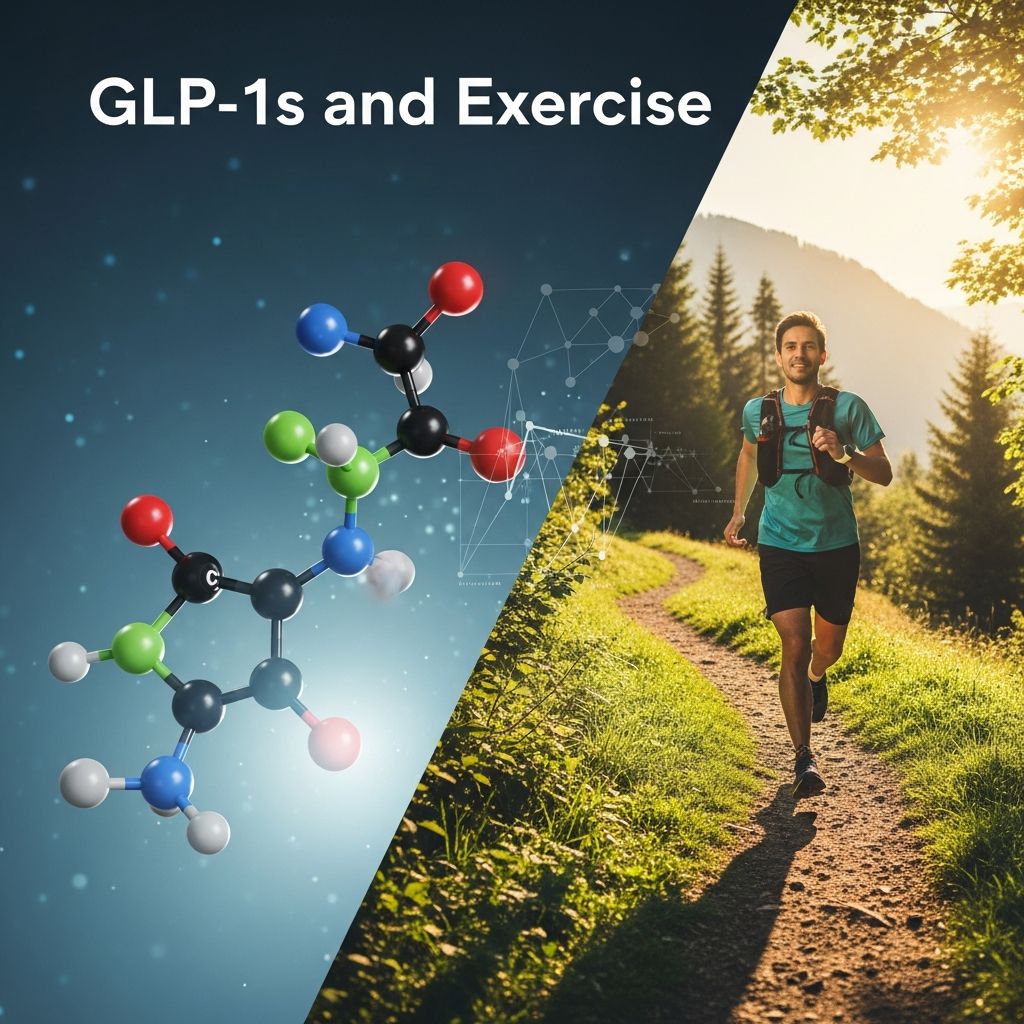
GLP-1 receptor agonists (GLP-1 RAs), such as semaglutide (Ozempic, Wegovy) and liraglutide (Saxenda), have revolutionized weight management by promoting significant fat loss and improving cardiometabolic health. However, these medications can lead to muscle and bone loss if used without lifestyle interventions. Combining GLP-1 therapy with structured exercise not only amplifies weight loss but also preserves lean mass, bone mineral density (BMD), and overall physical function, making it the optimal strategy for long-term success.
GLP-1 Agonists 101
GLP-1 RAs mimic the glucagon-like peptide-1 hormone, which regulates blood sugar, slows gastric emptying, and reduces appetite. This leads to calorie reduction and substantial weight loss—often 15-20% of body weight in trials. While effective, GLP-1s primarily target fat but can inadvertently reduce muscle mass (up to 40% of total weight lost) and BMD, increasing fracture risk, especially at the hip and spine.
Without countermeasures, patients risk sarcopenia (age-related muscle loss) and osteoporosis-like effects, compromising strength, mobility, and metabolic health. Exercise addresses these gaps by stimulating muscle protein synthesis, enhancing bone loading, and boosting energy expenditure independently of appetite suppression.
Why Exercise While on GLP-1s?
Exercise is non-negotiable during GLP-1 therapy. Research shows that GLP-1s alone cause greater short-term weight loss than exercise alone, but exercise excels at preserving lean mass and cardiorespiratory fitness. The combination yields synergistic benefits: enhanced fat reduction, reduced inflammation, better glycemic control, and sustained results post-medication.
- Muscle Protection: Resistance training counters GLP-1-induced muscle loss by promoting hypertrophy and insulin sensitivity.
- Bone Health: Weight-bearing and resistance exercises maintain BMD at critical sites like the hip, spine, and forearm.
- Metabolic Boost: Exercise elevates IL-6 from muscles, mimicking GLP-1 effects on satiety and gut motility for additive glycemic benefits.
- Weight Maintenance: Post-GLP-1, exercise prevents regain by sustaining habits and muscle-driven metabolism.
A landmark trial demonstrated that liraglutide plus exercise preserved hip and spine BMD while achieving superior weight loss compared to either alone. Exercise participants attended group sessions (cycling and circuits at 80% max heart rate) twice weekly plus individual moderate-vigorous activity, wearing heart rate monitors for adherence.
Does Exercise Reduce GLP-1 Effectiveness?
A common myth is that exercise blunts GLP-1 weight loss by increasing hunger. Evidence refutes this: combined interventions produce greater fat loss without compromising appetite suppression. In fact, exercise enhances GLP-1 efficacy by improving body composition and reducing visceral fat.
Energy fluctuations from GLP-1s (nausea, fatigue) make intense cardio challenging, but structured, moderate exercise adapts well. Trials confirm no interference; instead, exercise mitigates side effects like reduced energy by building resilience.
Best Exercises for GLP-1 Users
Focus on sustainable, muscle-preserving activities over high-volume cardio. Prioritize resistance training (2-3x/week) with aerobic work for heart health. Sessions should be short (20-45 minutes) to match fluctuating energy.
Related Stories



| Type | Examples | Frequency/Duration | Benefits |
|---|---|---|---|
| Resistance Training | Bodyweight squats, lunges, push-ups, resistance bands, light weights | 2-3 sessions/week, 20-30 min | Preserves muscle, bone density, strength |
| Aerobic | Brisk walking, cycling, swimming (moderate-vigorous) | 150 min moderate or 75 min vigorous/week | Cardio fitness, fat loss, fatigue reduction |
| Balance/Mobility | Yoga, tai chi, single-leg stands | 2-3x/week, 10-15 min | Fall prevention, especially for older adults |
| Circuits | Interval cycling + bodyweight circuits | 2x/week group, 45 min | Combined fat/muscle benefits |
Start gradual: Week 1-6 ramp-up with 10-min walks, progressing to full guidelines. Use heart rate monitors (target 70-85% max) for precision. Home-based options like bands eliminate gym barriers.
How Much Exercise Do You Need?
Follow adapted WHO/ACSM guidelines for obesity and GLP-1 users:
- Build Base: 10 min/day light aerobic → 150 min/week moderate (brisk walk) or 75 min vigorous.
- Add Strength: 60-90 min/week resistance (2-3 sessions).
- Maintain: 30-60 min daily aerobic + 2-3 strength sessions for life.
Total: Aim for 200-300 active minutes/week. Consistency trumps intensity—short daily moves beat sporadic long sessions when energy dips.
Sample Weekly Workout Plan
- Monday: 30-min brisk walk + 20-min bodyweight strength (squats, push-ups, planks).
- Tuesday: Rest or 10-min yoga.
- Wednesday: 25-min cycling intervals + resistance bands (rows, lunges).
- Thursday: 40-min walk.
- Friday: 30-min full-body circuit (3 rounds: 40s work/20s rest).
- Weekend: Active recovery (swim, hike) + balance work.
Track progress with apps or wearables. Adjust for side effects—scale back if nauseous, emphasize strength on low-energy days.
Exercise Tips for GLP-1 Side Effects
- Fatigue/Nausea: Short sessions (10-15 min), pre-meal timing, hydrate well.
- Muscle Soreness: Foam roll, prioritize protein (1.6g/kg body weight).
- Low Appetite: Nutrient-dense shakes for recovery fuel.
- Motivation: Guided programs with accountability (e.g., virtual coaching).
- Progression: Increase load/reps gradually as tolerance builds.
Consult providers before starting, especially with comorbidities. Monitor BMD if high-risk.
Expert Insights on GLP-1 and Exercise
Dr. Elena Joy, lead author of a JAMA trial: “Exercise plus GLP-1 RA is the gold standard—preserving bone at fracture-prone sites while maximizing fat loss.” Experts from Mass General Brigham emphasize diet-exercise integration for holistic success.
PMC review: Combined therapy reduces metabolic syndrome more than either alone, with exercise preventing muscle compromise.
Frequently Asked Questions (FAQs)
Will exercise make GLP-1s less effective for weight loss?
No—studies show it enhances fat loss and preserves health. Myths stem from outdated views; trials confirm synergy.
How soon can I start exercising on GLP-1s?
Begin lightly upon tolerance (often week 1-4). Ramp up over 6 weeks as in trials.
What if I feel too tired?
Opt for 10-min strength sessions. Consistency builds energy; structure beats willpower.
Do I need a gym?
No—bodyweight, bands, walking suffice. Home programs match gym results for preservation.
Can exercise replace GLP-1s?
Exercise alone yields modest loss (5-10%) vs. GLP-1s (15-20%), but combo is best.
The Bottom Line
GLP-1s excel at weight loss, but exercise ensures quality loss—fat over muscle/bone. This duo optimizes body composition, function, and durability. Start today: move gradually, strength-focus, and consult pros for personalization. Sustainable health demands both pill and pedal.
References
- Bone Health After Exercise Alone, GLP-1 Receptor Agonist … — JAMA Network Open. 2024. https://jamanetwork.com/journals/jamanetworkopen/fullarticle/2820308
- Exercise on GLP-1s: how to stay strong while losing weight — Sword Health. 2024. https://swordhealth.com/articles/exercise-on-glp-1
- GLP-1 agonists and exercise: the future of lifestyle prioritization — PMC / NIH. 2024. https://pmc.ncbi.nlm.nih.gov/articles/PMC12683586/
- Training on GLP‑1: How to Keep Performance When Appetite Drops — Mito Health. 2024. https://mitohealth.com/blog/glp-1-and-exercise
- Why Diet and Exercise Still Matter During Treatment with GLP-1 … — Mass General Brigham. 2024. https://www.massgeneralbrigham.org/en/about/newsroom/press-releases/why-diet-exercise-matters-while-taking-glp-1-medications
Similar Articles








Read full bio of medha deb