GLP-1s and Nutrition: Complete Guide to Healthy Weight Loss
Optimize nutrition while using GLP-1 medications to preserve muscle mass and support sustainable weight loss.
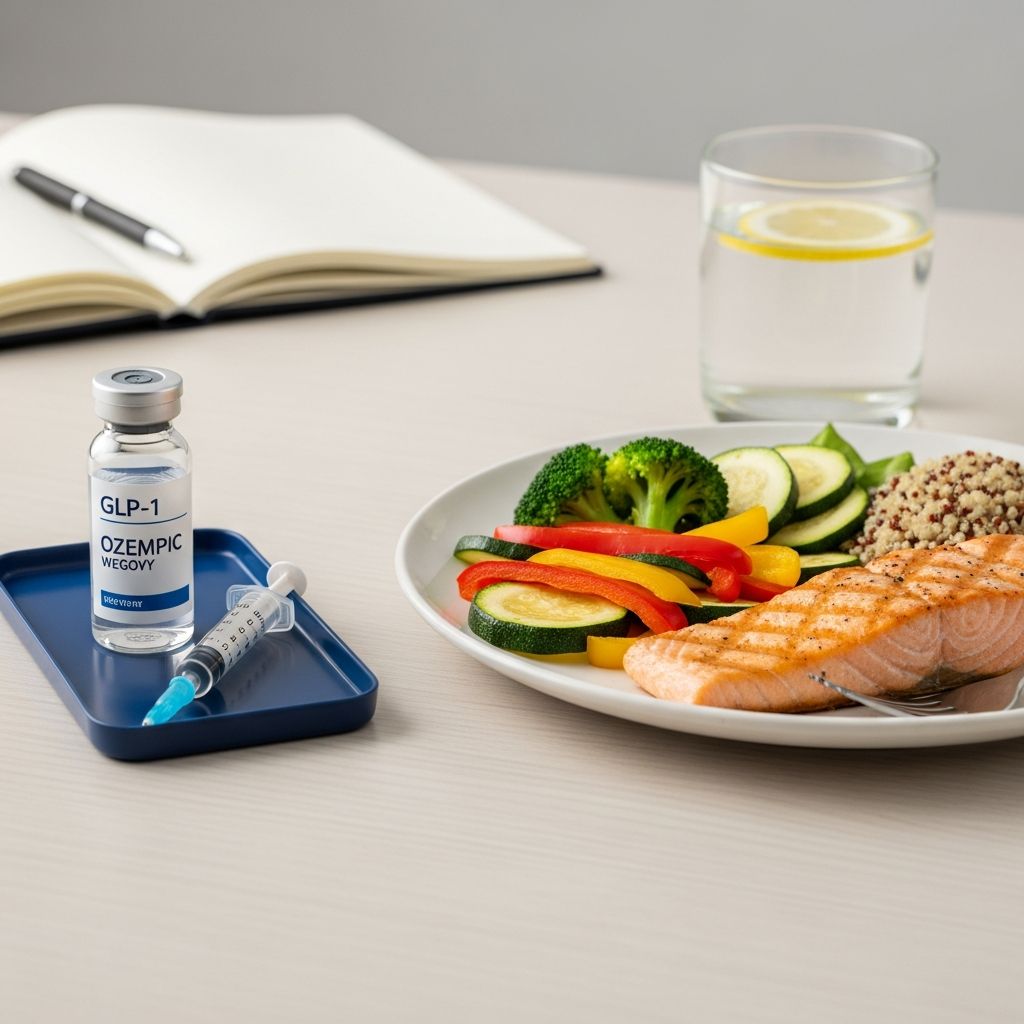
Glucagon-like peptide-1 (GLP-1) receptor agonists have emerged as powerful medications for weight management, helping millions of people reduce their calorie intake and achieve significant weight loss. However, the appetite-suppressing effects of these medications create unique nutritional challenges that require careful planning and professional guidance. Understanding how to optimize nutrition while taking GLP-1 medications is essential for maintaining muscle mass, preserving bone health, and ensuring sustainable, healthy weight loss outcomes.
Understanding GLP-1 Medications and Their Impact on Nutrition
GLP-1 receptor agonists work by decreasing appetite and reducing food consumption, with research showing calorie intake reductions of up to 40% compared to placebo in patients receiving these medications. While this significant reduction in calorie intake facilitates weight loss, it also creates substantial risks for inadequate nutritional intake if patients are not provided with proper dietary guidance.
These medications alter food preferences in complex ways. People taking GLP-1 medications often experience enhanced sensitivity to sweet tastes and reduced pleasure responses to fatty foods, which can naturally shift their food choices away from high-calorie, processed items—a positive outcome. However, this same mechanism can inadvertently reduce consumption of essential protein sources such as meat, fish, and poultry, along with nutrient-dense fruits and vegetables.
The challenge becomes particularly acute because the reduction in dietary quality can occur even as overall calories decrease, potentially leading to deficiencies in critical macronutrients and micronutrients at the exact moment when proper nutrition is most important for preserving health during weight loss.
Macronutrient Considerations for GLP-1 Users
Protein: The Essential Macronutrient
Protein intake stands as the single most important nutritional priority for individuals taking GLP-1 medications. When combined with reduced overall calorie intake, inadequate protein consumption can result in accelerated loss of lean body mass (LBM), including skeletal muscle tissue. Research demonstrates that without intervention, 20-50% of total weight loss can consist of lean body mass loss, which is comparable to the muscle loss that occurs over an entire decade of human aging.
Recommended protein intake strategies include:
- Aim for a minimum of 0.8 grams of protein per kilogram of body weight per day, though many experts recommend 1.0-1.5 g/kg of actual body weight for optimal muscle preservation
- Distribute protein evenly across meals throughout the day to maximize muscle protein synthesis, rather than concentrating intake in one or two meals
- Target at least 10 grams of protein per meal with approximately 2-3 grams of leucine (an essential amino acid critical for muscle protein synthesis) per serving
- Select high-quality protein sources rich in essential amino acids, including fish, poultry, lean meat, dairy products, eggs, nuts, seeds, and soy products
- Avoid protein sources high in saturated fats such as non-lean pork, lamb, processed meats, and fatty beef cuts
Combining increased protein intake with resistance training performed at least twice weekly creates a synergistic effect that optimally preserves muscle mass and function during weight loss with GLP-1 medications.
Fiber and Other Essential Macronutrients
Beyond protein, adequate fiber intake remains crucial for digestive health, satiety, and metabolic function. Healthcare providers should encourage patients to consume 21-25 grams daily for women and 30-38 grams daily for men, or approximately 14 grams per 1,000 calories consumed. Unsaturated fats should be prioritized in the diet while limiting saturated fat intake to support cardiovascular health.
Micronutrient Deficiencies: Assessment and Prevention
Individuals with obesity commonly experience high rates of micronutrient deficiencies before starting GLP-1 medication, including inadequate levels of vitamin A, vitamin D, vitamins B1 (thiamine) and B12 (cobalamin), folate, iron, calcium, magnesium, and zinc. GLP-1 therapy can exacerbate these existing deficiencies through reduced consumption of nutrient-dense foods.
Related Stories



The risk of micronutrient deficiency increases when patients reduce their intake of fruits, vegetables, meat, and dairy products—food groups that provide diverse micronutrients essential for metabolic function, immune health, bone density, and overall wellness.
Prevention strategies include:
- Conduct comprehensive nutrition assessments and micronutrient screening before and during GLP-1 therapy
- Consider multivitamin and mineral supplementation if dietary intake is insufficient
- Prioritize nutrient-dense foods within calorie restrictions
- Monitor for signs and symptoms of micronutrient deficiency
- Work with registered dietitians to personalize supplementation recommendations based on individual risk factors and dietary patterns
Hydration: A Critical but Often Overlooked Factor
Adequate hydration frequently receives insufficient attention in GLP-1 treatment discussions, despite its importance for overall health and renal function. Fruits and vegetables comprise approximately 90% water, so reduced consumption of these foods directly diminishes water intake from food sources.
Dehydration presents particular concerns for kidney health. Consequences include reduction in estimated glomerular filtration rate (eGFR) and elevation of creatinine and potassium levels, all of which can negatively impact renal function. This concern is especially significant in older adults who naturally experience declining renal function with age and may be more susceptible to dehydration effects.
Patients should be counseled to consume adequate fluids independently of food-based water intake and to prioritize fruits and vegetables partially for their hydration contribution alongside their micronutrient density.
Physical Activity and Exercise Guidelines
Exercise represents a cornerstone intervention for preserving muscle mass and bone health during weight loss with GLP-1 medications. The combination of adequate protein intake and regular physical activity creates the optimal environment for lean mass preservation.
Evidence-based exercise recommendations include:
- 150-250 minutes per week of moderate-intensity aerobic activity for general health benefits
- Greater than 250 minutes per week of moderate-intensity activity if additional muscle preservation benefits are desired
- Resistance training at least twice weekly, prioritized first if time limitations exist, as resistance exercise provides the strongest stimulus for muscle protein synthesis and preservation
- Progressive overload principles in resistance training to continually challenge muscles and maintain strength gains
Resistance training combined with adequate protein intake creates a powerful intervention that directly counters the lean mass loss that can accompany GLP-1 therapy.
Protein Intake Strategy Comparison
Healthcare providers should work with patients to identify the most appropriate protein intake calculation method based on individual circumstances and available body composition data.
| Strategy | Recommendation | Benefits | Limitations |
|---|---|---|---|
| Relative to Actual Body Weight (ABW) | 1.0-1.5 g/kg ABW/day | Straightforward method supported by extensive research; easy to calculate | Does not account for variations in body composition or excess adipose tissue |
| Relative to Fat-Free Mass (FFM) | 61.5 g/kg FFM/day | More personalized approach; may better support lean mass preservation | Requires accurate body composition measurements via DXA or bioelectrical impedance |
| Relative to Ideal Body Weight (IBW) | 1.3-1.5 g/kg IBW/day | Reduces risk of excess protein recommendations in individuals with significant excess fat mass | Ideal body weight can be subjective and vary based on calculation methods |
| Absolute Quantity | 80-120 grams total daily | Consistent, simple, and easy to understand; requires no calculations | May lead to inadequate or excessive intake depending on individual factors |
Managing Gastrointestinal Side Effects Through Nutrition
Many individuals taking GLP-1 medications experience gastrointestinal side effects including nausea, constipation, diarrhea, and abdominal discomfort. Thoughtful nutrition planning can help minimize these effects while maintaining adequate nutrient intake.
Strategies for managing GI symptoms include consuming smaller, more frequent meals; prioritizing easily digestible foods during periods of nausea; ensuring adequate fiber and fluid intake to prevent or manage constipation; and spacing meals and medication appropriately. Patients should work closely with their healthcare providers and registered dietitians to develop individualized approaches to symptom management that do not compromise nutritional adequacy.
The Role of Registered Dietitians in GLP-1 Care
Evidence-based guidelines emphasize the critical importance of registered dietitian involvement in GLP-1 therapy management. Dietitian-led interventions should include:
- Comprehensive nutrition assessment and screening for micronutrient deficiency risk
- Personalized macronutrient and micronutrient recommendations
- Nutrition-focused history and physical examination
- Assessment of nutrient intake and body composition
- Ongoing monitoring and adjustment of nutrition plans as needed
- Education on food selection, meal planning, and sustainable dietary patterns
Healthcare teams should ensure that patients with suboptimal dietary patterns receive timely, appropriate nutrition advice that addresses the unique challenges presented by GLP-1 therapy.
Long-Term Considerations and Weight Regain
Research indicates that up to two-thirds of weight lost during GLP-1 therapy may be regained within one year after discontinuation or non-adherence. This underscores the importance of using the weight loss period as an opportunity to establish sustainable dietary and exercise habits that can be maintained long-term.
Nutrition and lifestyle interventions should focus on creating lasting behavioral change rather than viewing GLP-1 therapy as a temporary solution. The combination of adequate nutrition, appropriate physical activity, improved sleep hygiene, mental health support, and medication adherence provides the strongest foundation for sustainable weight management.
Frequently Asked Questions About GLP-1s and Nutrition
Q: How much protein do I really need while taking GLP-1 medications?
A: Most experts recommend at least 0.8 grams of protein per kilogram of body weight daily as a minimum, though many suggest 1.0-1.5 g/kg for optimal muscle preservation during weight loss. This should be distributed evenly across meals, targeting at least 10 grams per meal.
Q: Can I meet all my nutritional needs through food alone while taking GLP-1 medications?
A: While whole foods should form the foundation of nutrition, many individuals taking GLP-1 medications benefit from multivitamin and mineral supplementation due to the reduced overall food intake and common pre-existing micronutrient deficiencies. A registered dietitian can assess your individual needs and recommend supplementation as appropriate.
Q: What types of exercise are most important for preserving muscle while on GLP-1 therapy?
A: Resistance training performed at least twice weekly should be prioritized, as it provides the strongest stimulus for muscle protein synthesis and preservation. This should be combined with adequate protein intake and moderate aerobic activity for overall health.
Q: How can I manage nausea and other GI side effects while maintaining adequate nutrition?
A: Work with your healthcare provider and a registered dietitian to develop strategies such as eating smaller, more frequent meals, selecting easily digestible foods, ensuring adequate hydration and fiber intake, and properly spacing meals and medication.
Q: Why is hydration specifically important during GLP-1 therapy?
A: Reduced consumption of fruits and vegetables—which comprise 90% water—decreases water intake from food sources. Dehydration can negatively impact kidney function, which is particularly concerning in older adults, making independent fluid intake essential.
Q: What happens to weight loss if I stop taking GLP-1 medications?
A: Research shows that up to two-thirds of weight lost may be regained within one year after stopping GLP-1 therapy, emphasizing the importance of establishing sustainable nutrition and exercise habits during treatment that can be maintained long-term.
Conclusion: Creating a Sustainable Approach to GLP-1 and Nutrition
Successfully managing nutrition while taking GLP-1 medications requires a comprehensive, individualized approach that addresses macronutrient and micronutrient needs, hydration status, physical activity, and behavioral change. The temporary appetite suppression provided by GLP-1 therapy offers a valuable window of opportunity to establish healthier eating patterns and exercise habits that can persist long after treatment.
Collaboration between patients, physicians, and registered dietitians ensures that nutrition advice is evidence-based, consistent, and tailored to individual circumstances. By prioritizing adequate protein intake distributed throughout the day, ensuring micronutrient sufficiency through food and supplementation as needed, maintaining proper hydration, engaging in regular resistance and aerobic exercise, and addressing gastrointestinal side effects proactively, patients can achieve meaningful weight loss while preserving muscle mass, bone health, and overall wellness.
References
- Application of nutrition interventions with GLP-1 based therapies 2 National Center for Biotechnology Information. 2024. https://pmc.ncbi.nlm.nih.gov/articles/PMC12475867/
- Sculpting Success: The Importance of Diet and Physical Activity to Support Skeletal Muscle Health during Weight Loss with New Generation Anti-Obesity Medications 2 Grosicki GJ, Dhurandhar NV, Unick JL et al. Current Developments in Nutrition. 2024-10-18. https://pubmed.ncbi.nlm.nih.gov/39506559/
Similar Articles








Read full bio of medha deb