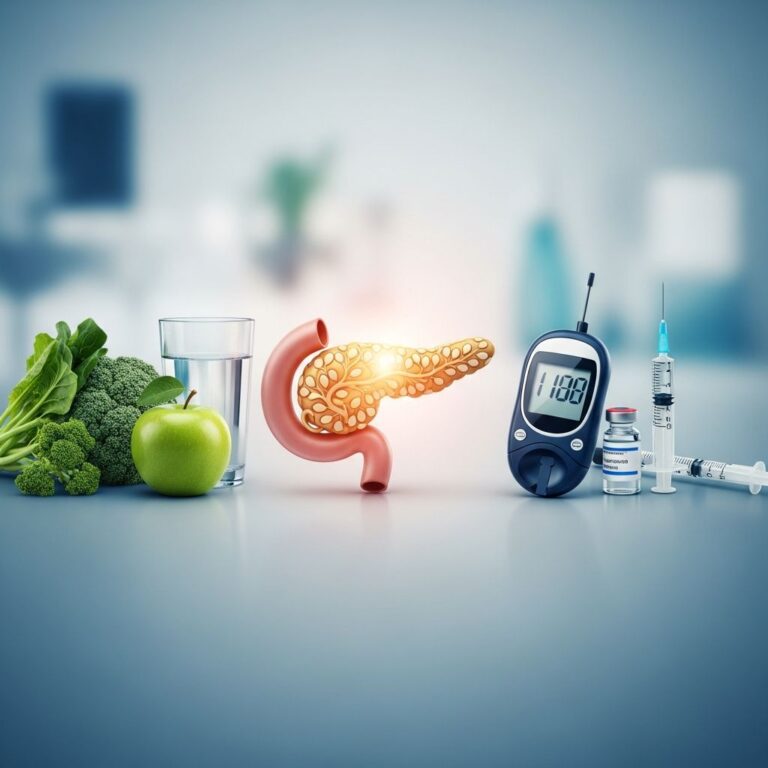
GLP-1s For Weight Loss: Expert MEAL Plan & Safety Tips
Discover how GLP-1 agonists like Ozempic and Wegovy promote dramatic weight loss, their mechanisms, benefits, side effects, and essential tips for safe use.

GLP-1 receptor agonists, commonly known as GLP-1s, have revolutionized weight loss treatment by mimicking the hormone glucagon-like peptide-1 to suppress appetite, slow gastric emptying, and promote significant fat reduction. Drugs like semaglutide (Ozempic, Wegovy) and tirzepatide (Mounjaro, Zepbound) deliver 15-20% body weight loss, rivaling bariatric surgery results, but require careful monitoring for side effects like muscle loss and disordered eating.
What Are GLP-1s?
GLP-1s are injectable medications originally developed for type 2 diabetes management but now FDA-approved for chronic weight management in adults with obesity (BMI ≥30) or overweight (BMI ≥27) with weight-related conditions like hypertension or prediabetes. They activate GLP-1 receptors in the gut, pancreas, and brain, boosting insulin secretion, inhibiting glucagon release, and signaling fullness to reduce calorie intake.
Popular GLP-1s include:
- Semaglutide (Wegovy for weight loss, Ozempic for diabetes): Weekly injection, up to 2.4 mg dose.
- Tirzepatide (Zepbound for weight loss, Mounjaro for diabetes): Dual GLP-1/GIP agonist, weekly injection up to 15 mg, showing superior 20%+ weight loss.
- Liraglutide (Saxenda): Daily injection for weight loss.
These medications are most effective when combined with a reduced-calorie diet and increased physical activity, as per clinical guidelines.
How Do GLP-1s Work for Weight Loss?
GLP-1s target multiple pathways for weight reduction. They slow gastric emptying to prolong satiety after meals, activate brain centers like the hypothalamus and brainstem to curb hunger, and improve insulin sensitivity for better blood sugar control. Unlike traditional diets, they address hormonal drivers of obesity, leading to sustained appetite suppression.
Key mechanisms include:
- Appetite suppression via central nervous system receptors.
- Delayed stomach emptying for prolonged fullness.
- Reduced food reward and cravings in the brain’s amygdala.
- Glycemic improvements aiding fat metabolism.
How Much Weight Can You Lose on GLP-1s?
Clinical trials show average weight loss of 15% with semaglutide and over 20% with tirzepatide after 68-72 weeks, far exceeding placebo groups (2-3%). For a 250-pound person, this equates to 37-50 pounds lost. Meta-analyses confirm 3-5% loss in 6-12 months, with newer agents achieving bariatric-like results.
| Drug | Average Weight Loss | Trial Duration | Source |
|---|---|---|---|
| Semaglutide (Wegovy) | 15% | 68 weeks | |
| Tirzepatide (Zepbound) | 20-22% | 72 weeks | |
| Liraglutide (Saxenda) | 5-10% | 56 weeks |
Real-world data indicates only about 50% of patients persist for 12 weeks, the minimum for meaningful loss (≥5%), with younger patients dropping out sooner.
Who Qualifies for GLP-1 Weight Loss Drugs?
Eligibility per FDA labeling: BMI ≥30, or BMI ≥27 with comorbidities like cardiovascular disease, hypertension, or type 2 diabetes. Adolescents aged 12+ with obesity may qualify for Wegovy. Providers experienced in obesity management prescribe most effectively.
- Not for cosmetic use or BMI <27 without conditions.
- Contraindicated in medullary thyroid carcinoma history or multiple endocrine neoplasia syndrome type 2.
Side Effects of GLP-1s for Weight Loss
Common gastrointestinal issues affect 20-50% initially: nausea, vomiting, diarrhea, constipation. These often subside with dose titration. Serious risks include pancreatitis, gallbladder disease, and kidney issues. Emerging concerns: 20-40% muscle mass loss alongside fat, disordered eating from extreme appetite suppression, and dehydration from food aversion.
Related Stories



Case studies highlight dangers: Post-bariatric patients on semaglutide restricted to 400 calories/day, losing lean mass; another planned weekly eating on tirzepatide, prompting discontinuation.
GLP-1 Muscle Loss: What to Know
GLP-1s cause proportional fat and muscle loss, with up to 40% of total loss being lean mass, risking sarcopenia, weakness, and metabolic slowdown. This ‘danger zone’ underscores need for resistance training and protein.
- Mitigate with 1.0-1.5g protein/kg body weight daily.
- Strength training 2-3x/week.
- Monitor body composition via DEXA scans.
Tips for Taking GLP-1s: The MEAL Plan
Follow the MEAL framework for optimal results and safety:
- Muscle maintenance: 20-30g protein/meal (fish, beans, shakes); 1-1.5g/kg daily.
- Energy balance: Eat nutrient-dense foods despite low appetite; track intake.
- Activity: 60 min cardio daily + resistance 2-3x/week.
- Long-term strategy: Continue lifestyle changes to prevent regain.
Start low-dose, titrate slowly; hydrate well; report severe GI symptoms.
Do You Regain Weight After Stopping GLP-1s?
Most regain 2/3 of lost weight within a year off medication without sustained habits, as appetite returns. Persistence rates are low: 30% drop after 4 weeks, 50% by 12 weeks. Ongoing use with lifestyle yields best maintenance.
Cost and Access to GLP-1 Weight Loss Drugs
Monthly costs range $1,000-$1,500 without insurance; coverage varies by plan for obesity (not always diabetes). Shortages persist for semaglutide. Compounded versions pose risks; stick to FDA-approved.
GLP-1s for Weight Loss: FAQs
Are GLP-1s safe for long-term use?
Approved for chronic use, but data beyond 2 years is limited. Monitor for GI, muscle, and mental health effects.
How fast do you lose weight on GLP-1s?
1-2 lbs/week initially, accelerating to 15-20% total over 1+ year with adherence.
Can GLP-1s cause eating disorders?
Yes, extreme appetite loss can trigger restriction; screen for history and monitor behaviors.
Do GLP-1s work for everyone?
About 50% achieve meaningful loss with 12+ weeks persistence; factors include adherence and provider expertise.
What’s better: semaglutide or tirzepatide?
Tirzepatide often superior (20%+ vs 15%), but individual response varies.
GLP-1s offer transformative potential but demand multidisciplinary care—medical, nutritional, psychological—for safe, sustainable results. Consult providers for personalized plans.
References
- Highway to the danger zone? A cautionary account that GLP-1 receptor agonists entering clinical use warrants a new class-specific set of safety considerations for eating disorders — Wildes JE, et al. 2024-05-15. https://pmc.ncbi.nlm.nih.gov/articles/PMC11144546/
- Real-world trends in GLP-1 treatment persistence and prescribing patterns among patients with overweight or obesity — Blue Cross Blue Shield. 2024. https://www.bcbs.com/media/pdf/BHI_Issue_Brief_GLP1_Trends.pdf
- Prescribing GLP-1 Agonists for Weight Loss: Wrestling With Supply, Demand, and Dogma — American Academy of Family Physicians. 2024-10-01. https://www.aafp.org/pubs/afp/issues/2024/1000/editorial-glp-1-agonists-weight-loss.html
- I Am Taking a GLP-1 Weight-Loss Medication—What Should I Know? — JAMA Internal Medicine. 2024. https://jamanetwork.com/journals/jamainternalmedicine/fullarticle/2836527
Similar Articles








Read full bio of Sneha Tete