GLP-1s For Weight Loss: 4 Pros And 5 Cons To Consider
Discover how GLP-1 medications like Ozempic and Wegovy promote significant weight loss, their benefits, side effects, and who qualifies for treatment.
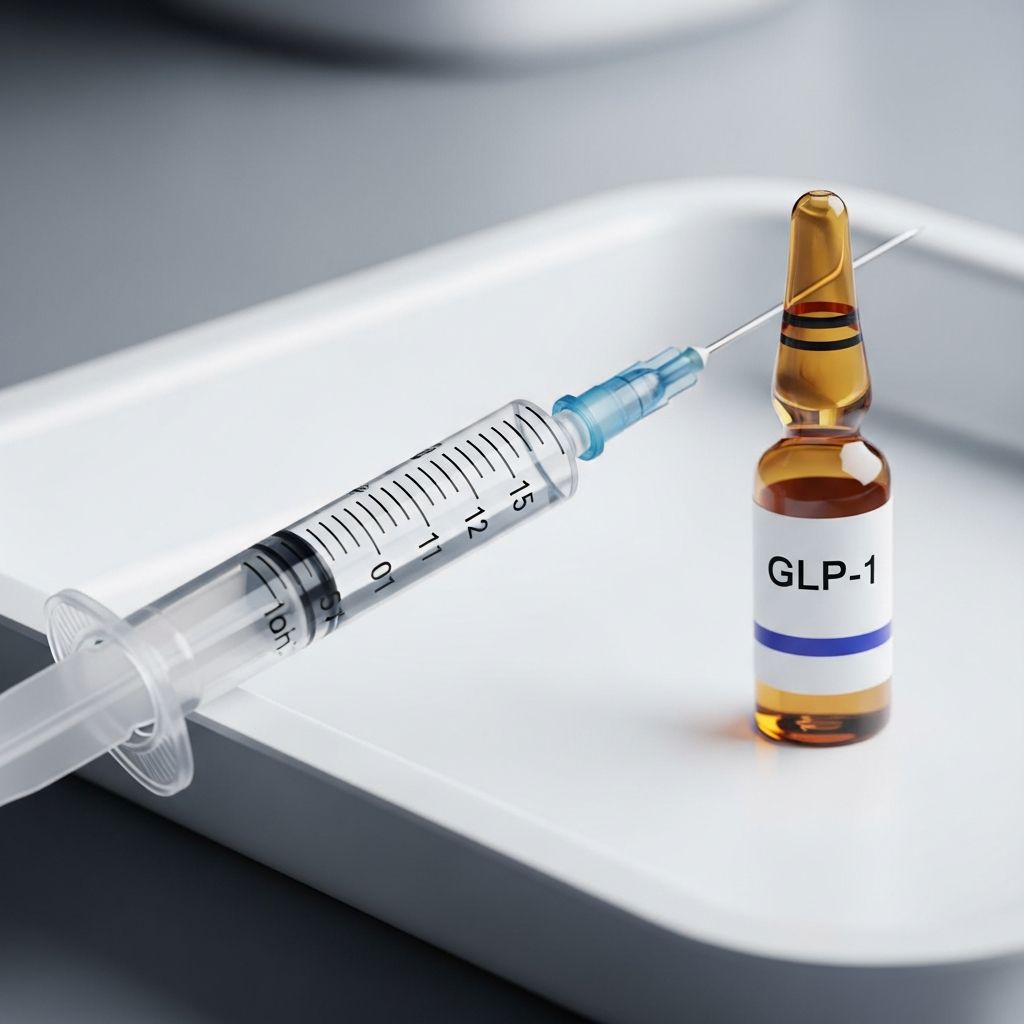
GLP-1 receptor agonists, such as semaglutide (Ozempic, Wegovy) and liraglutide (Saxenda), mimic the glucagon-like peptide-1 hormone to regulate appetite, slow gastric emptying, and promote substantial weight loss of 15-25% in obese patients over one year. These medications, originally for type 2 diabetes, have transformed obesity management when combined with diet and exercise, though they require lifelong use to prevent regain and address risks like muscle loss.
What Are GLP-1s?
GLP-1s are injectable medications that activate GLP-1 receptors in the brain and gut, reducing hunger, increasing satiety, and improving blood sugar control. Liraglutide was the first FDA-approved for weight loss, achieving 10% body weight reduction in one-third of non-diabetic patients sustained for up to two years in the SCALE trial. Semaglutide follows with even greater efficacy, showing 14.9% loss in 68 weeks versus diet alone.
They work by inhibiting glucagon, stimulating insulin, and delaying digestion, leading to decreased caloric intake and gradual weight reduction peaking at 36-56 weeks. Unlike traditional diets, GLP-1s target hyperphagia, supporting both loss and maintenance when paired with a 500 kcal deficit and 150 minutes weekly activity.
How Do GLP-1s Work for Weight Loss?
These drugs reduce appetite via hindbrain action and lower energy expenditure thresholds after 10% loss, countering compensatory hunger. Clinical trials like STEP 1 for semaglutide demonstrate plateau after 20-36 weeks, with sustained benefits up to 104 weeks despite mild regain upon discontinuation.
| Duration (Months) | Effects |
|---|---|
| 0 (Baseline) | Appetite reduction, caloric intake drop |
| 1-3 | Weight loss start, insulin sensitivity improves, HbA1c reduction |
| 3-6 | Peak weight loss, cardiovascular risk drop |
| 6-12 | Plateau, sustained HbA1c and heart benefits |
Weight loss is greater in non-diabetics (up to 15%) than diabetics due to metabolic challenges. Half of users persist beyond 12 weeks, achieving meaningful 5%+ loss with health gains like reduced diabetes and hypertension risk.
Who Qualifies for GLP-1 Weight Loss Drugs?
Eligibility targets those with BMI 3030 (obesity) or BMI 3027 with comorbidities like hypertension, type 2 diabetes, or sleep apnea, especially after failed lifestyle attempts. They suit insulin-resistant individuals but not minor weight goals (10-15 lbs) due to cost and lifelong commitment. Prescribing by obesity experts improves persistence.
- BMI 30+ or 27+ with conditions
- History of unsuccessful diet/exercise
- No mild overweight without risks
GLP-1 Weight Loss Drugs: Pros and Cons
Pros
- 15-25% average loss in one year
- Sustained up to 3 years, diabetes prevention in prediabetics
- Cardiovascular benefits, reduced events
- Improved insulin sensitivity, HbA1c
Cons
- Muscle and lean mass loss (significant in STEP 1)
- Weight regain on discontinuation
- GI side effects: nausea, oily stools (low-fat diet advised)
- Increased LDL in some >6-12 months
- High cost, lifelong need
Younger patients (18-34) dropout sooner; gender neutral.
GLP-1 Side Effects and How to Manage Them
Common issues include nausea, vomiting, diarrhea; mitigated by low-fat diets and gradual dosing. Muscle loss requires protein focus and resistance training. Rare risks: pancreatitis, thyroid concerns (long-term unknown).
Related Stories



- Nausea: Start low dose, eat small meals
- GI Distress: Hydrate, low-fat foods
- Muscle Loss: Protein 1.6g/kg, strength train
Preserving Muscle Mass on GLP-1s
GLP-1s cause fat and muscle loss; STEP trials confirm lean mass reduction. Counter with:
- Adequate protein (regular balanced meals)
- Strength training 2x/week
- Monitor energy balance despite low appetite
Health at Every Size complements: joyful movement, intuitive eating for holistic health.
Lifestyle Changes to Maximize GLP-1 Results
Medications amplify but need habits:
Nutrition
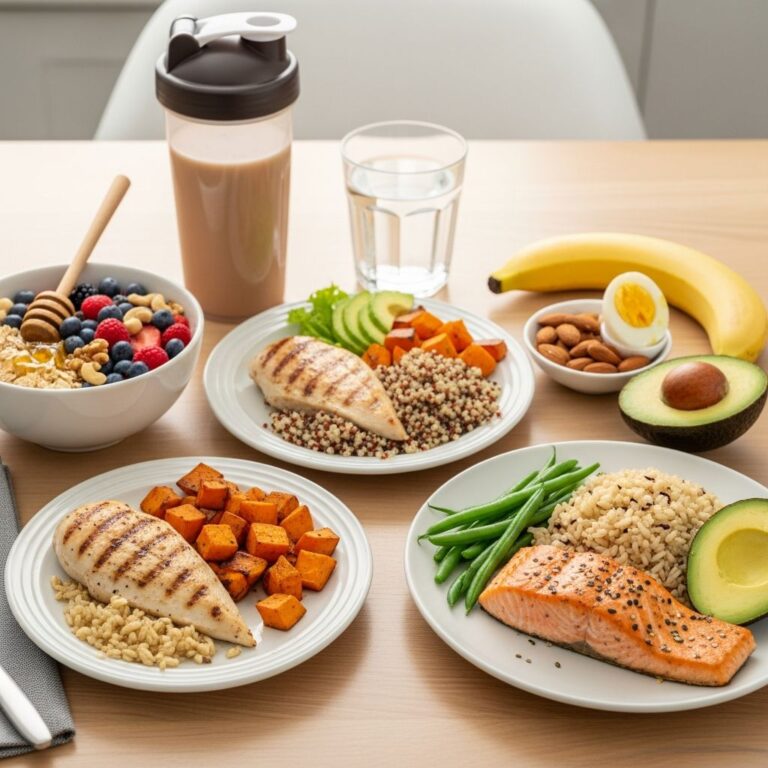
- Balanced meals with protein
- Whole foods, portion control
- Hydration
Exercise
- 30 min walking daily
- Strength 2x/week
- Enjoyable activities
Sleep & Stress
- 7-9 hours sleep
- Meditation, support systems
- Address emotional eating
Apps for tracking, oral alternatives, or surgery for BMI>40 considered.
GLP-1 Weight Loss Maintenance
Regimen alone insufficient; meds inhibit regain-driving hunger. Persistence key: 50% stay 12+ weeks. Post-meds, focus habits to sustain 5-15% loss.
Cost and Access to GLP-1 Drugs
High costs necessitate insurance for obesity indications; lifelong use implied. Younger dropout impacts value.
Alternatives to GLP-1s for Weight Loss
- Lifestyle apps with coaching
- Oral meds (non-injectable)
- Bariatric surgery (BMI>40)
- Health-focused behaviors: exercise enjoyment, nourishing foods
Frequently Asked Questions (FAQs)
What is the average weight loss on GLP-1s?
15-25% body weight in one year for obese patients; 14.9% with semaglutide in 68 weeks.
Do you regain weight after stopping GLP-1s?
Yes, regain occurs due to hunger rebound; lifelong use often needed.
Who should not take GLP-1 weight loss drugs?
Not for BMI<27 without conditions or minor goals; consult for thyroid history.
Can GLP-1s cause muscle loss?
Yes, preserve with protein and resistance training.
Are GLP-1s safe long-term?
Benefits outweigh risks short-term; monitor LDL, unknowns beyond 1-3 years.
References
- Weight Reduction with GLP-1 Agonists and Paths for … — PMC. 2024. https://pmc.ncbi.nlm.nih.gov/articles/PMC11940170/
- Thinking about GLP-1 for weight loss? Here’s what to know — Baylor Scott & White Health. 2024. https://www.bswhealth.com/blog/glp-1-for-weight-loss
- Real-world trends in GLP-1 treatment persistence and prescribing … — Blue Cross Blue Shield. 2024. https://www.bcbs.com/media/pdf/BHI_Issue_Brief_GLP1_Trends.pdf
- Prescribing GLP-1 Agonists for Weight Loss: Wrestling With … — AAFP. 2024-10-01. https://www.aafp.org/pubs/afp/issues/2024/1000/editorial-glp-1-agonists-weight-loss.html
- I Am Taking a GLP-1 Weight-Loss Medication—What Should I Know? — JAMA Internal Medicine. 2024. https://jamanetwork.com/journals/jamainternalmedicine/fullarticle/2836527
Similar Articles








Read full bio of medha deb