Glucagon Emergency Treatment for Severe Low Blood Sugar
Understanding glucagon injections for life-threatening low blood sugar episodes in diabetes management
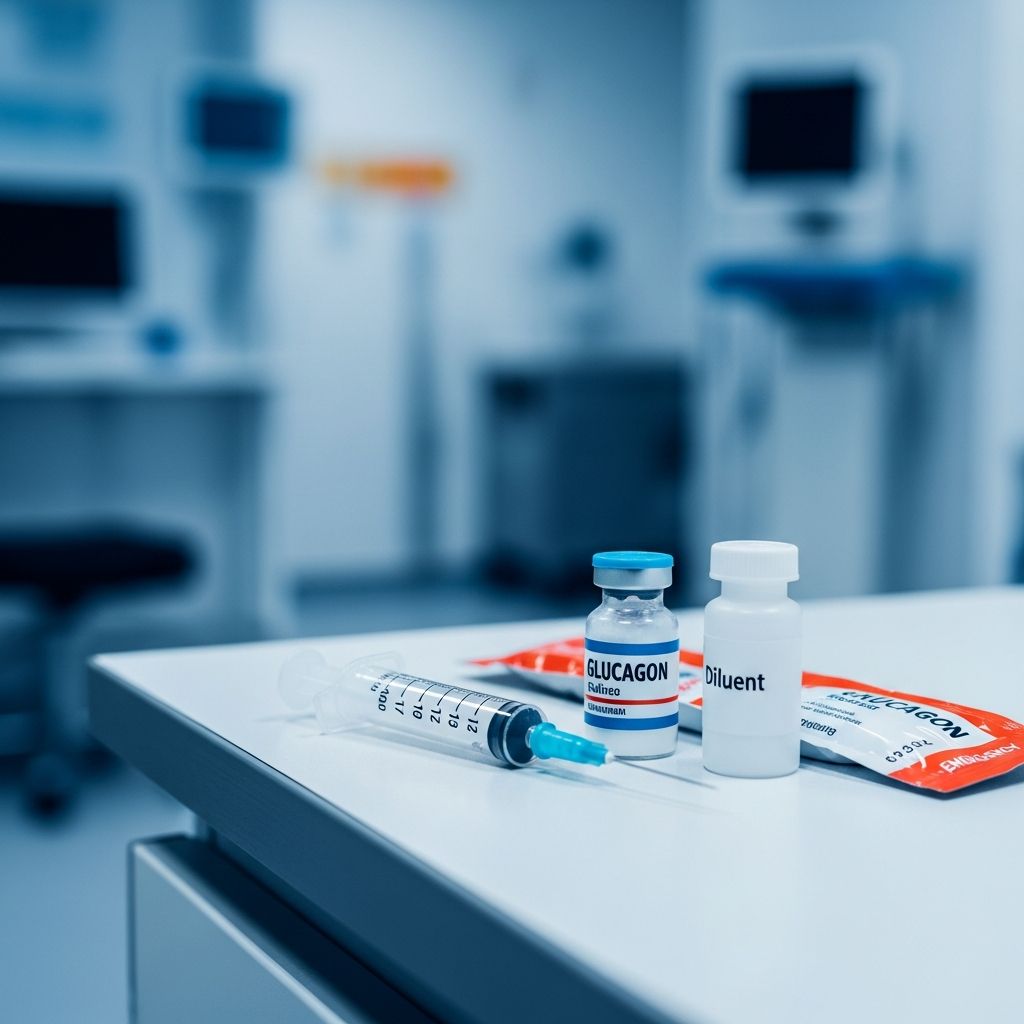
Severe hypoglycemia—a critical drop in blood sugar levels—represents one of the most dangerous acute complications for people with diabetes who depend on insulin therapy. When blood glucose falls to dangerously low levels, the brain and other vital organs may not receive adequate fuel, leading to confusion, loss of consciousness, seizures, and in extreme cases, permanent damage or death. GlucaGen HypoKit provides emergency treatment for these life-threatening situations by rapidly restoring blood glucose levels when oral carbohydrates cannot be administered safely.
Glucagon, the active ingredient in GlucaGen HypoKit, is a naturally occurring hormone that mobilizes stored glucose from the liver and releases it into the bloodstream. This mechanism makes it an essential medication for people who experience unpredictable or severe episodes of low blood sugar, particularly those taking insulin or certain oral diabetes medications.
What Is Glucagon and How Does It Function?
Glucagon operates through a biological mechanism that counteracts insulin’s effects. While insulin drives glucose into cells and lowers blood sugar levels, glucagon performs the opposite action by prompting the liver to convert stored glycogen into glucose and release it into circulation. This hyperglycemic action typically produces measurable increases in blood glucose within approximately 10 minutes of administration.
The medication comes as a powder that requires reconstitution with sterile water immediately before injection. Once reconstituted, glucagon must be administered promptly, as the solution becomes unstable and cannot be given as a continuous intravenous infusion. The reconstituted solution should be clear and colorless, prepared from a white or nearly white powder base.
Clinical Indications and Emergency Response Protocols
GlucaGen HypoKit serves two primary clinical purposes: emergency treatment of severe hypoglycemia and diagnostic imaging support. For emergency situations, the medication is indicated for people with diabetes receiving insulin therapy or oral hypoglycemic agents who develop severe low blood sugar episodes. Severe hypoglycemia manifests through symptoms such as inability to swallow, unconsciousness, unresponsiveness to verbal commands, and potentially seizure activity.
The diagnostic application involves temporarily inhibiting gastrointestinal tract movement during radiologic examinations in adult patients, administered only by medical personnel under controlled conditions.
Emergency Response Characteristics
- Patient response typically occurs within 10 minutes of subcutaneous or intramuscular injection
- Following successful blood glucose restoration, oral carbohydrates must be administered to replenish liver glycogen stores and prevent secondary hypoglycemia
- If no response occurs within 10 minutes, intravenous glucose administration becomes necessary
- Medical professionals should be notified whenever glucagon is used, as diabetes treatment adjustments may be required
- All unconscious patients require medical assistance regardless of glucagon administration
Dosage Guidelines for Emergency Treatment
Dosing recommendations vary based on patient age, weight, and clinical circumstances. For adult patients experiencing severe hypoglycemia, standard dosing involves 1 mg administered via subcutaneous or intramuscular injection. Some protocols recommend initial doses of 0.5 to 1 mg, with administration routes including subcutaneous, intramuscular, or intravenous injection.
Pediatric patients can receive glucagon treatment, with dosing adjustments based on body weight and age. Patients weighing 25 kilograms or more typically receive adult dosing protocols. Medical personnel should always verify appropriate dosing with current prescribing information and institutional guidelines.
Administration Methods and Onset of Action
GlucaGen HypoKit permits multiple administration routes, each with distinct onset characteristics and duration profiles. The chosen route depends on clinical circumstances, patient accessibility, and medical personnel training.
Related Stories



| Administration Route | Typical Dose Range | Onset of Action | Duration of Effect |
|---|---|---|---|
| Subcutaneous Injection | 0.5-1 mg | Within 10 minutes | Variable, typically 30+ minutes |
| Intramuscular Injection | 1 mg (therapeutic); 1-2 mg (diagnostic) | 5-15 minutes | 10-40 minutes |
| Intravenous Injection | 0.5-1 mg (therapeutic); 0.2-0.5 mg (diagnostic) | Within 1 minute | 5-20 minutes |
The rapid onset of intravenous administration makes it particularly valuable in hospital settings where trained personnel can provide immediate access. Intramuscular and subcutaneous routes remain viable options in emergency situations where intravenous access may not be immediately available.
Special Considerations for Specific Patient Populations
Patients with Organ Dysfunction
GlucaGen can be safely used in patients with renal and hepatic impairment without dose adjustments. The medication’s mechanism relies on hepatic glycogen mobilization, and existing liver disease does not contraindicate use during hypoglycemic emergencies.
Important Contraindications and Precautions
Certain patient conditions require careful consideration before glucagon administration. The medication is contraindicated in patients with pheochromocytoma—a rare adrenal gland tumor—because glucagon stimulates catecholamine release, potentially triggering dangerous hypertensive crises. Caution is also warranted in patients with glucagonoma or insulinoma, as glucagon’s effects may provoke complications.
Glucagon reacts antagonistically with insulin, and medical personnel must observe caution when administering the medication to patients with insulinoma, a tumor that produces excess insulin.
Adverse Effects and Safety Profile
GlucaGen demonstrates a favorable safety profile when used appropriately in emergency settings. However, certain adverse effects warrant awareness.
Common Side Effects
- Nausea and vomiting (occur in 1 to 10 percent of patients)
- Abdominal pain (common frequency)
- These gastrointestinal effects typically resolve as blood glucose normalizes
Rare but Serious Reactions
- Hypersensitivity reactions including anaphylactic shock (very rare, occurring in fewer than 1 in 10,000 patients)
- These reactions require immediate medical intervention and administration of appropriate emergency medications
Post-Treatment Protocol and Prevention of Relapse
Successfully restoring consciousness through glucagon administration represents only the first phase of emergency management. Following glucagon injection and patient response, oral carbohydrates must be administered immediately to restore hepatic glycogen stores and prevent recurrence of hypoglycemia. Without carbohydrate intake, blood glucose may decline again within 60 to 90 minutes as the initial glucagon effect wears off.
Appropriate follow-up carbohydrates include glucose tablets, fruit juice, regular soft drinks, or other easily absorbed sugar sources. Once initial recovery is established, more sustained carbohydrates such as bread, crackers, or meals can provide longer-term glucose stabilization.
Preparation and Training Considerations
For individuals who experience recurrent severe hypoglycemia or unpredictable low blood sugar episodes, having a glucagon emergency kit readily available—and ensuring that family members, friends, and workplace colleagues understand its use—can be lifesaving. Training family members and caregivers to recognize hypoglycemia warning signs and successfully administer the injection significantly improves emergency response effectiveness.
People prescribed GlucaGen HypoKit should review reconstitution and administration instructions regularly and verify that medications remain within their expiration dates. Storage conditions should be maintained according to manufacturer recommendations, typically at controlled room temperature.
Frequently Asked Questions
How quickly does glucagon raise blood sugar?
Glucagon typically produces measurable increases in blood glucose within 10 minutes of subcutaneous or intramuscular injection. Intravenous administration works even faster, with effects visible within approximately one minute.
Can glucagon be given through an IV line?
Yes, glucagon can be administered intravenously in hospital or clinical settings. However, the reconstituted solution is unstable and cannot be given as a continuous infusion—it must be administered as a direct injection.
What should I do after glucagon injection?
After the patient responds to glucagon and regains consciousness, oral carbohydrates should be given immediately to restore liver glycogen and prevent blood sugar from dropping again. Medical professionals should also be contacted to assess whether diabetes treatment adjustments are needed.
Is glucagon safe for children?
Yes, glucagon can be used to treat severe hypoglycemia in children. Dosing is adjusted based on body weight and age, with children weighing 25 kilograms or more typically receiving adult-equivalent doses.
What if glucagon doesn’t work?
If the patient has not responded within 10 minutes of glucagon injection, intravenous glucose administration becomes necessary. This is why emergency medical services should always be contacted when glucagon is used.
Can I keep glucagon if I don’t use it?
The reconstituted glucagon solution becomes unstable and must not be kept for later use. Any unused reconstituted portion should be discarded. However, the unreconstituted kit can be stored according to manufacturer instructions and used for future emergencies within the expiration date.
Conclusion
GlucaGen HypoKit represents a critical emergency intervention for individuals with diabetes experiencing severe, life-threatening hypoglycemia. Through its mechanism of mobilizing hepatic glucose reserves, glucagon provides rapid blood sugar elevation when oral carbohydrates cannot be safely administered. Understanding proper administration techniques, recognizing appropriate clinical scenarios, and ensuring that caregivers receive training on glucagon use optimizes emergency response and potentially prevents serious complications. For people with diabetes requiring insulin or experiencing recurrent low blood sugar episodes, having a glucagon kit available and accessible constitutes an essential component of comprehensive diabetes safety planning.
References
- GlucaGen Hypokit 1 mg – Summary of Product Characteristics — European Medicines Agency/Novo Nordisk. 2021. https://www.medicines.org.uk/emc/product/1289/smpc
- GlucaGen HypoKit Datasheet — Medsafe (New Zealand Medicines and Medical Devices Safety Authority). 2009. https://www.medsafe.govt.nz/profs/datasheet/g/GlucaGeninj.pdf
- GlucaGen Full Prescribing Information — U.S. Food and Drug Administration. 2021. https://www.accessdata.fda.gov/drugsatfda_docs/label/2021/020918s056lbl.pdf
- GlucaGen HypoKit — Healthify New Zealand. https://healthify.nz/medicines-a-z/g/glucagen-hypokit
Similar Articles








Read full bio of medha deb